
 Chandra Hamzah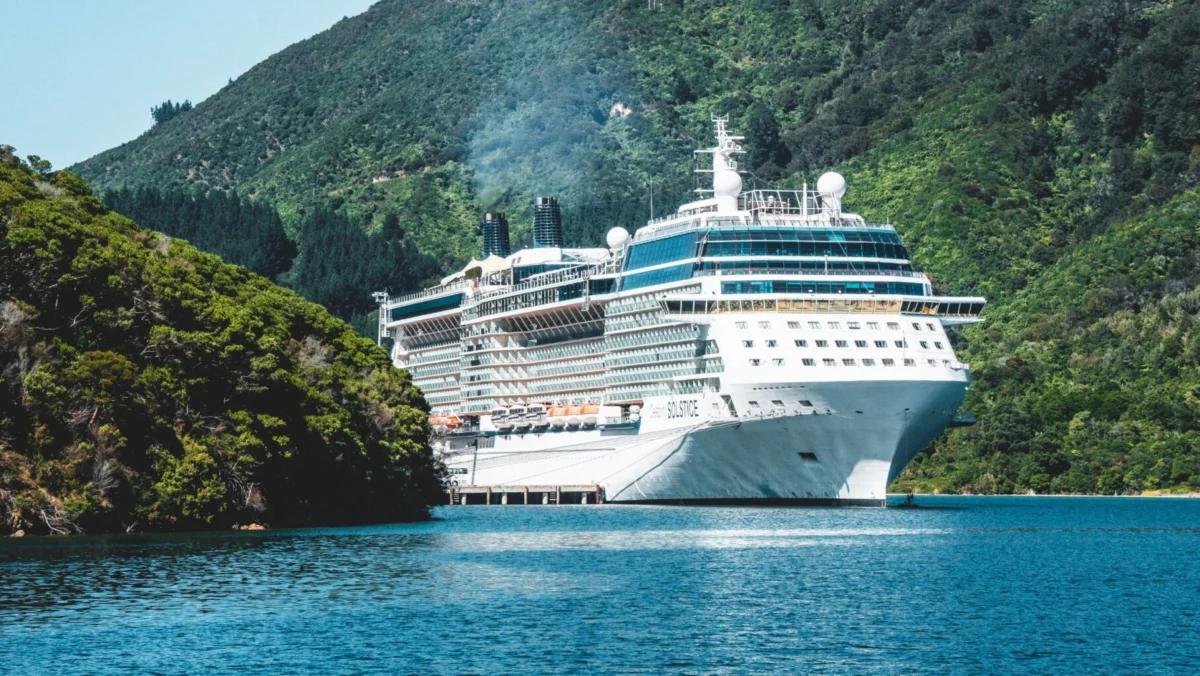
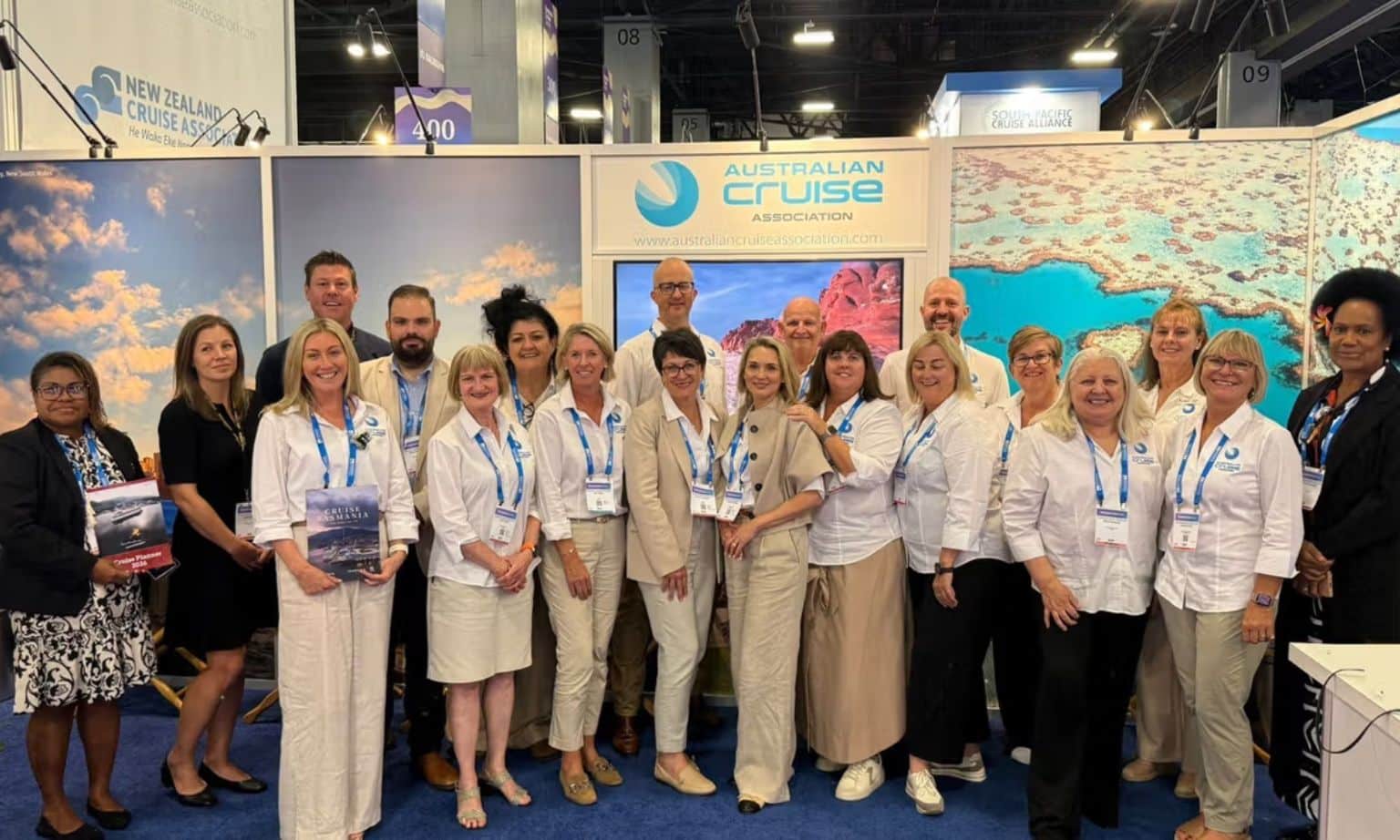
Miami, Florida – New Zealand has emerged as a significant beneficiary following the recent major Seatrade cruise conference held in Miami, securing expressions of interest and potential commitments from cruise line executives for future deployments. The island nation, alongside its trans-Tasman neighbor Australia, dispatched a formidable, record-breaking delegation of 50 representatives to the heart of the US cruise industry. Their unified objective: to persuade cruise line decision-makers to allocate more vessels to sail in Australasian waters. This strategic push comes at a critical juncture, as both Australia and New Zealand grapple with a palpable decline in cruise ship presence, despite surging demand from local passengers. The region’s cruise market, once a robust economic engine generating over $8 billion for both countries combined, has reportedly contracted by as much as $1 billion in recent years.
The New Zealand contingent, comprising 19 delegates, included a ministerial presence in the form of Tourism and Hospitality Minister Louise Upston. Australia’s delegation was equally robust, featuring senior leadership from Cruise Lines International Association (CLIA) Australasia, key port authorities, and prominent tourism bodies. The level of government engagement from New Zealand, in particular, signals a concerted effort to revitalize the sector. While the presence of Australian federal government officials at the event remained unclear, with inquiries to Cruisepassenger.com.au yielding no definitive responses, the unified front presented by industry stakeholders from both nations underscored the shared challenges and aspirations for the region.
Ministerial Optimism Fuels New Zealand’s Cruise Future
The most tangible indications of immediate progress at Seatrade Global emanated from New Zealand. Minister Upston expressed a heightened sense of optimism following her engagements, suggesting that discussions had positively influenced potential cruise line deployment plans for the 2028/29 seasons. Seatrade’s own reporting confirmed extensive meetings between the substantial New Zealand delegation – which included representatives from ports, destinations, and various tourism suppliers – and both CLIA and individual cruise line executives.
Speaking to Seatrade Cruise News after these crucial discussions, Minister Upston stated she was "encouraged" by the indications from several cruise lines that they either intend to maintain their existing presence or actively return to New Zealand. Her positive outlook on the future deployment landscape for the 2028/29 period suggests a potential reversal of the downward trend experienced in recent years.
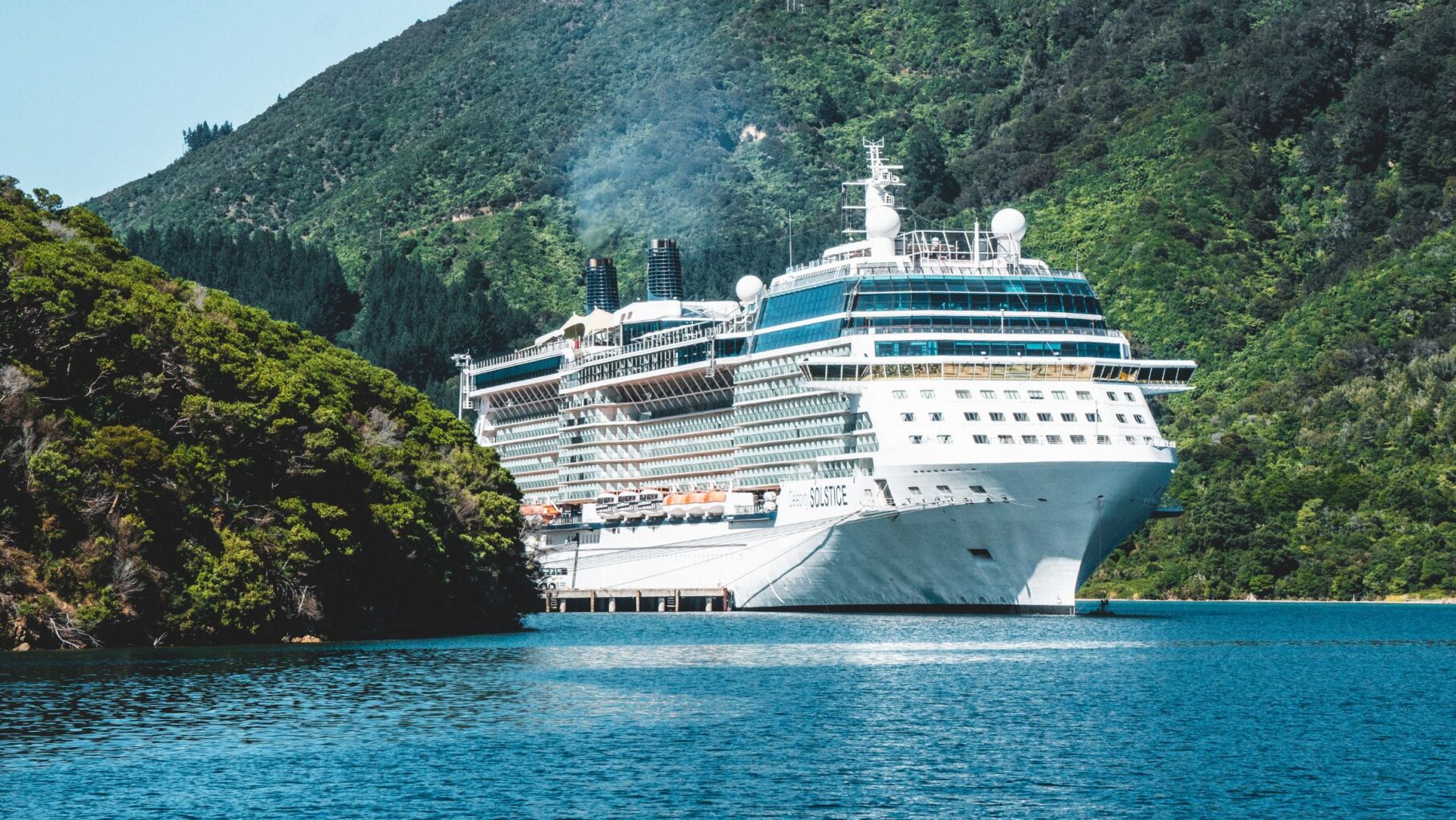
New Zealand’s cruise sector has indeed faced significant headwinds. Data indicates a concerning 41% drop in Australian cruise visitors to New Zealand over the past two years. This decline is symptomatic of a broader regional challenge where demand from the lucrative Australian source market is outstripping vessel availability.
Australia’s Competitive Landscape: Navigating Uncertainty and Rising Costs
While New Zealand appears poised for a potential resurgence, Australia’s post-Seatrade narrative focused more on advocacy for future opportunities rather than immediate deployment wins. CLIA’s latest figures reveal a record 1.45 million Australians embarked on ocean cruises in 2025, marking a healthy 9.5% increase from the previous year. However, CLIA simultaneously highlighted Australia’s diminishing competitiveness as a cruise destination, attributing this to regulatory uncertainty and escalating operational costs.
The economic impact of cruise tourism remains substantial for Australia. In the 2024/25 financial year, cruise tourism contributed an estimated A$7.32 billion to the Australian economy and supported over 22,000 jobs, according to CLIA and the Australian Cruise Association (ACA). Despite these impressive figures, this represents a 13.2% decrease compared to the prior year, a decline that industry bodies attribute directly to the diversion of cruise tourism to other, more attractive global destinations.
Destination NSW, a key participant in the Australian delegation, confirmed that the combined Australian and New Zealand representation at Seatrade this year constituted their largest-ever contingent. This group included representatives from Destination NSW, CLIA Australasia, the ACA, and the Port Authority of NSW. Irene Morgan, Destination NSW’s regional manager in the US, actively engaged with major cruise line representatives through one-on-one meetings and networking events, actively promoting New South Wales as a premier cruise destination.
A United Regional Front for Future Growth
Jill Abel, CEO of the Australian Cruise Association, conveyed a palpable sense of optimism regarding Australia’s cruise future, emphasizing the region’s potential role in the next phase of global cruise line deployment. Speaking in a post-event release by Destination NSW, Abel noted that conversations in Miami consistently affirmed Australia’s dual recognition as a robust domestic cruise market and a highly desirable destination for international visitors. With a substantial orderbook of new cruise ships slated for delivery over the next decade, Abel articulated a "clear opportunity" for Australia to enhance its role in global deployment patterns, particularly during the Northern Hemisphere’s winter months.
This strategic alignment with CLIA’s global message at Seatrade is noteworthy. The association reported a record 37.2 million global cruise passengers in 2025, with a projected 325 CLIA-member ocean-going ships operating in 2026, offering approximately 690,000 lower berths. CLIA President and CEO, Bud Darr, emphasized the record-high demand and the industry’s ongoing investment in new vessels and destination partnerships.
A significant development at the Miami conference was the reinforcement of a united regional approach between Australia and New Zealand. The Australian Cruise Association and the New Zealand Cruise Association formally renewed their Memorandum of Understanding (MOU) at the event, with Minister Upston of New Zealand witnessing the signing. This renewed agreement solidifies their commitment to collaborative regional promotion, the sharing of industry intelligence, and ongoing engagement with cruise lines.
The intertwined fate of these two key markets is evident. New Zealand, with its breathtaking fjordlands and unique natural beauty, is a vital destination for a range of prestigious cruise lines, including Norwegian Cruise Lines, Regent Seven Seas, Oceania Cruises, Royal Caribbean, and Viking, among others. The MOU underscores the understanding that a coordinated approach will better position both nations to attract and retain cruise capacity.
Addressing Regulatory Hurdles and Enhancing Competitiveness
For New Zealand officials, the Miami conference was explicitly designed to convey a renewed commitment to the cruise sector and demonstrate a strategic shift in policy. Prior to the event, Minister Upston described Seatrade as a "valuable platform" to showcase New Zealand, engage directly with cruise lines, and signal government support for the industry. Following the conference, Seatrade Cruise News reported that both government and industry stakeholders in New Zealand are now aligned on key priorities: reducing costs, streamlining regulatory processes (cutting red tape), and fostering an environment conducive to growth. This concerted effort follows a significant 40% decline in New Zealand’s cruise tourism in the 2025/26 season and stagnant deployment figures for 2026/27.
CLIA Australasia Managing Director, Joel Katz, emphasized the significance of New Zealand’s ministerial representation at Seatrade. He stated, "This is the first time New Zealand has been represented at Seatrade at a ministerial level, and it matters." Katz further elaborated that this high-level presence sends a "clear signal to global cruise lines that New Zealand is serious about rebuilding cruise deployment, with government and industry aligned around a shared goal: restoring confidence, improving competitiveness, and creating the conditions for long-term growth."
Katz highlighted constructive discussions concerning practical measures being implemented to provide the "regulatory certainty cruise lines need when making deployment decisions." He underscored the highly competitive global environment and the critical role of confidence in driving capacity. To illustrate the potential for strategic regional development, Katz cited French Polynesia as a success story. Through a decade-long coordinated approach, focusing on smaller ships, community alignment, and high-value experiences, French Polynesia has seen its cruise calls increase from approximately 500 to 1,400 annually. Cruise tourism now represents a substantial quarter of their tourism economy. Katz concluded that such success "didn’t happen by chance. It’s the result of clear strategy and aligned execution."
The renewed MOU between the Australian and New Zealand Cruise Associations serves as a tangible manifestation of this strategic alignment. By presenting a united regional voice and demonstrating a commitment to addressing the challenges facing the cruise industry, both nations aim to recapture lost market share and foster sustained growth in this vital tourism sector. The coming years will be crucial in determining the long-term impact of these diplomatic and industry efforts in Miami.



 Budi Mulyono
 Anjar Salim
 Tatiana Tantri Indah Sari

 Lukman Taruna Persada Ramadan