
 Budi Mulyono
The practice of hypermiling, a specialized set of driving techniques designed to maximize a vehicle’s fuel economy, has transitioned from a niche hobby for enthusiasts to a critical financial strategy for the modern motorist. As global energy markets continue to experience significant volatility—driven by geopolitical instability in the Middle East and shifting supply chain dynamics—consumers are increasingly seeking ways to extend the range of every gallon of fuel. While the term "hypermiler" often evokes images of extreme drivers taking radical measures, the fundamental principles of the practice can be adopted by any driver to achieve substantial savings at the pump. By integrating a combination of mechanical maintenance, behavioral adjustments, and strategic planning, motorists can see improvements in fuel efficiency ranging from 10% to as high as 40% in certain conditions.
The Evolution of Fuel Efficiency as a Driving Discipline
The concept of driving for maximum efficiency is not entirely new, but its modern iteration as "hypermiling" was solidified in the early 2000s. The term was popularized by Wayne Gerdes, who demonstrated that even conventional internal combustion engines could achieve nearly double their EPA-rated fuel economy through disciplined operation. Historically, interest in fuel conservation has mirrored periods of economic distress or energy shortages. The 1973 OPEC oil embargo led to the implementation of the national 55-mile-per-hour speed limit in the United States, a move specifically designed to curb fuel consumption.
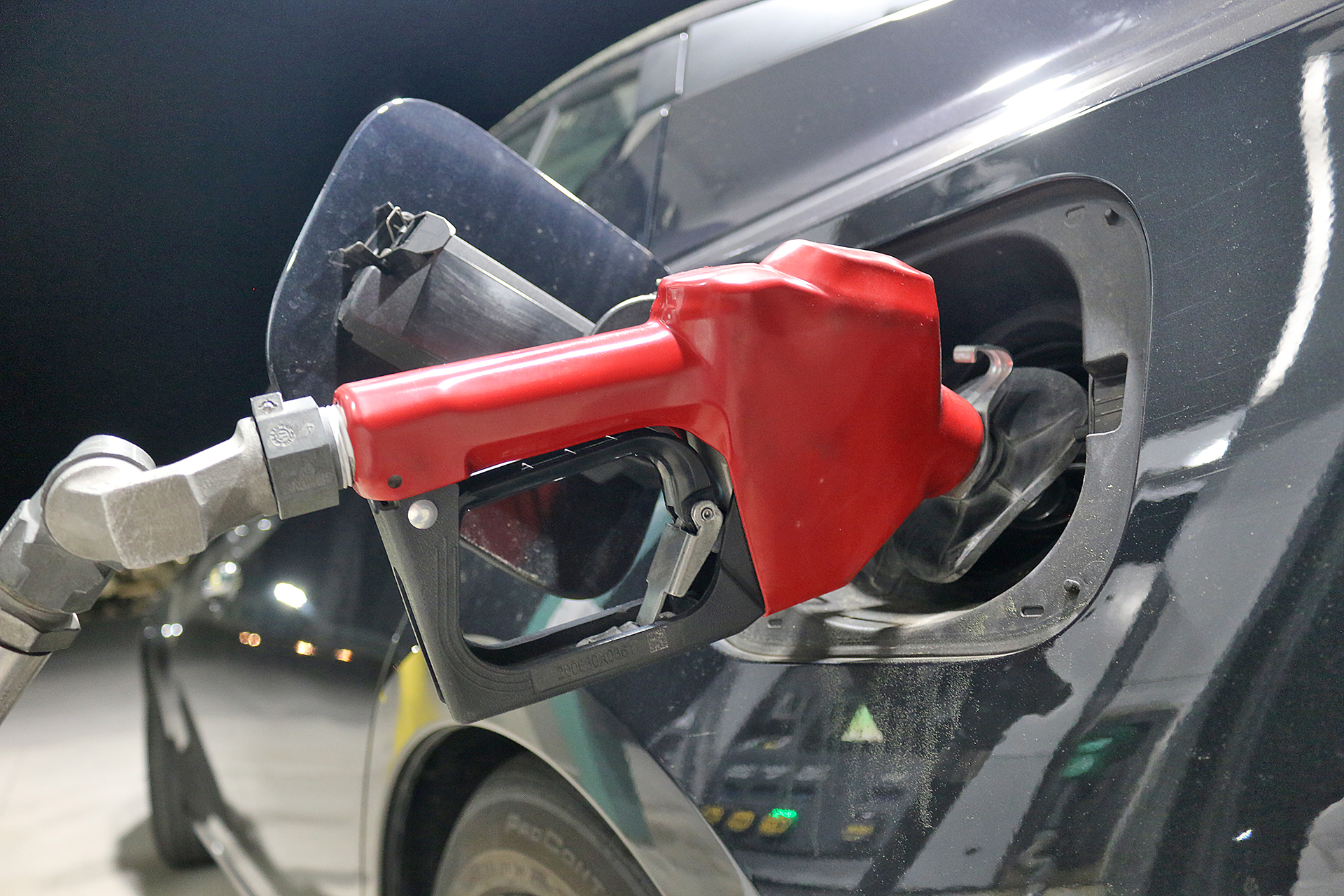
In the contemporary era, the motivation for hypermiling has shifted from environmental idealism to economic necessity. Following the global fluctuations in oil prices throughout 2022 and 2023, the cost of gasoline has become a primary concern for households. The current conflict in the Middle East has added a layer of uncertainty to global oil supplies, leading to price spikes that impact everything from daily commutes to the cost of transported goods. Consequently, the adoption of hypermiling techniques has seen a resurgence as a practical response to external economic pressures.
Twenty Essential Hypermiling Techniques for the Modern Driver
To achieve the highest possible mileage per gallon (MPG) or kilometers per liter, drivers must address both the physics of the vehicle and the habits of the operator. The following twenty techniques represent a comprehensive approach to fuel conservation:
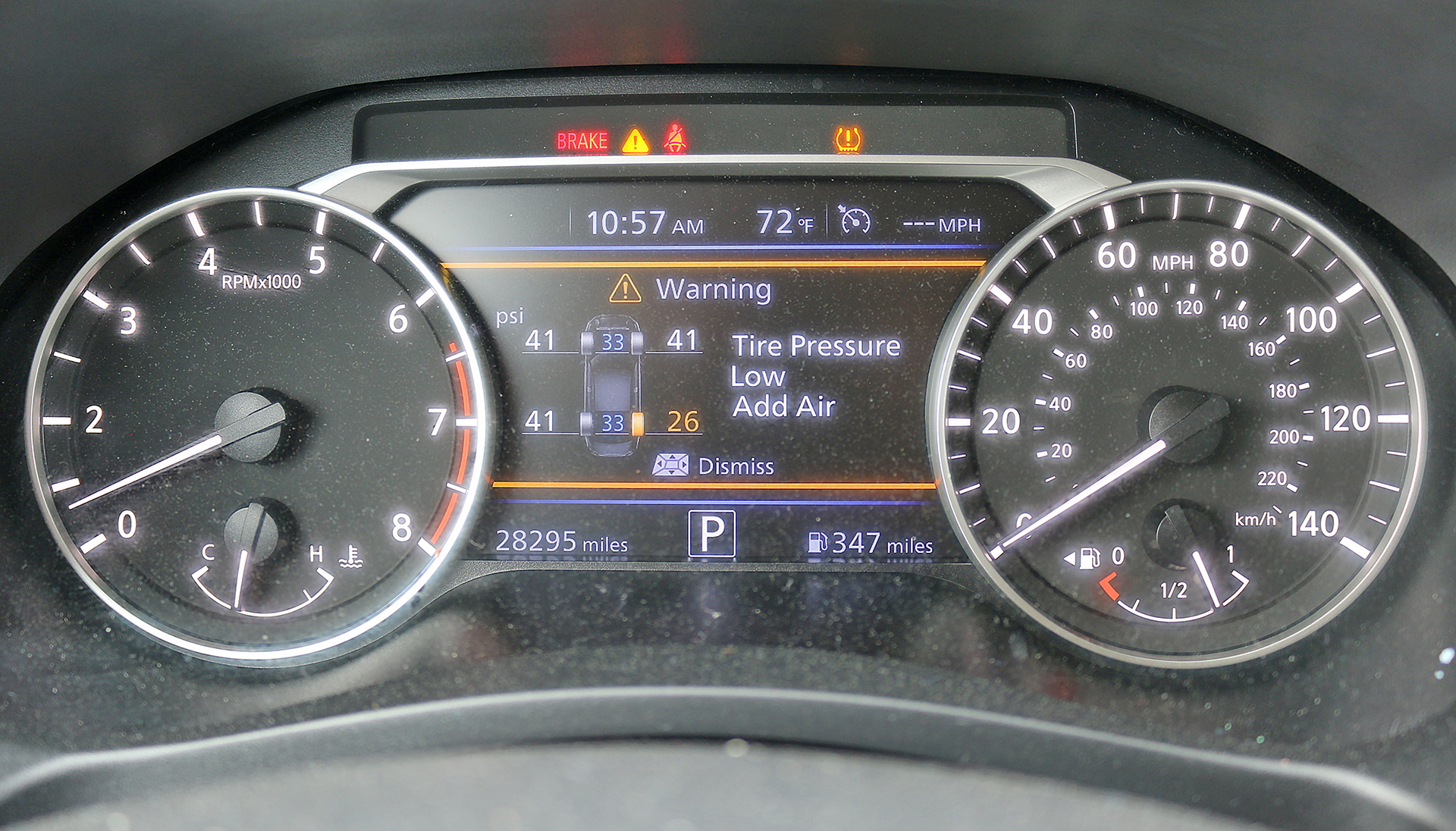
- Maintain Optimal Tire Pressure: Under-inflated tires increase rolling resistance, forcing the engine to work harder. Maintaining tires at the manufacturer’s recommended PSI can improve fuel economy by up to 3%.
- Reduce Excess Vehicle Weight: Every extra 100 pounds in a vehicle can reduce MPG by roughly 1%. Drivers should remove unnecessary items from the trunk or cargo areas.
- Minimize Aerodynamic Drag: Roof racks, cargo carriers, and even open windows at high speeds create significant wind resistance. Removing external attachments when not in use is vital for highway efficiency.
- Observe the Speed Limit: Most vehicles reach peak fuel efficiency between 45 and 55 miles per hour. Above 60 mph, fuel economy drops off precipitously due to exponential increases in air resistance.
- Practice Gradual Acceleration: Rapid "jackrabbit" starts consume an excessive amount of fuel. Transitioning slowly through the gears allows the engine to operate within its most efficient RPM range.
- Anticipatory Braking: Instead of braking late and hard, hypermilers look far ahead to anticipate traffic flow, allowing the vehicle to coast toward a stop. This preserves kinetic energy.
- The "Driving Without Brakes" Mindset: This philosophy encourages drivers to maintain a following distance that allows them to adjust speed solely by modulating the accelerator, avoiding the energy-wasting cycle of braking and re-accelerating.
- Engine Idling Reduction: Modern fuel-injected engines consume more fuel idling for 10 seconds than they do during a restart. Turning off the engine during extended waits, such as at railroad crossings or in heavy congestion, saves significant fuel.
- Strategic Route Planning: Using GPS to avoid high-traffic areas, steep inclines, and frequent stoplights can ensure a more consistent speed, which is more efficient than stop-and-go driving.
- Parking for an Easy Exit: Parking in a way that allows the driver to pull forward rather than reversing when the engine is cold saves fuel, as engines are least efficient during the initial minutes of operation.
- Using Cruise Control on Flat Terrain: On level highways, cruise control maintains a steady speed and prevents the subtle, fuel-wasting speed fluctuations common with manual foot control.
- Coasting on Inclines: Allowing gravity to assist the vehicle on downhill stretches, while safely maintaining control, can provide "free" momentum.
- AC Management: Air conditioning units put a heavy load on the engine. At lower speeds, opening windows is more efficient; at highway speeds, the aerodynamic drag of open windows often exceeds the cost of running the AC.
- Consolidated Trip Planning: A warm engine is more efficient than a cold one. Combining multiple errands into one continuous trip is more effective than several short trips starting from a cold engine.
- Wheel Alignment Verification: Misaligned wheels drag against each other, increasing resistance. Regular alignments ensure the vehicle moves with the least amount of friction.
- Using Recommended Motor Oil: Using the manufacturer-recommended grade of motor oil can improve mileage by 1% to 2% by reducing internal engine friction.
- Drafting (Safe Distance): While extreme drafting behind large trucks is dangerous and discouraged, simply staying in the wake of traffic at a safe distance can marginally reduce wind resistance.
- Avoiding Low-Gear Driving: In manual or semi-automatic vehicles, shifting into higher gears as soon as possible reduces engine RPMs and fuel consumption.
- Fuel Cap Integrity: A damaged or missing fuel cap allows gasoline to evaporate from the tank, leading to both fuel loss and environmental damage.
- Monitoring Real-Time Feedback: Utilizing the vehicle’s built-in fuel economy display allows drivers to see the immediate impact of their driving style, facilitating real-time corrections.
Data-Driven Analysis of Hypermiling Benefits
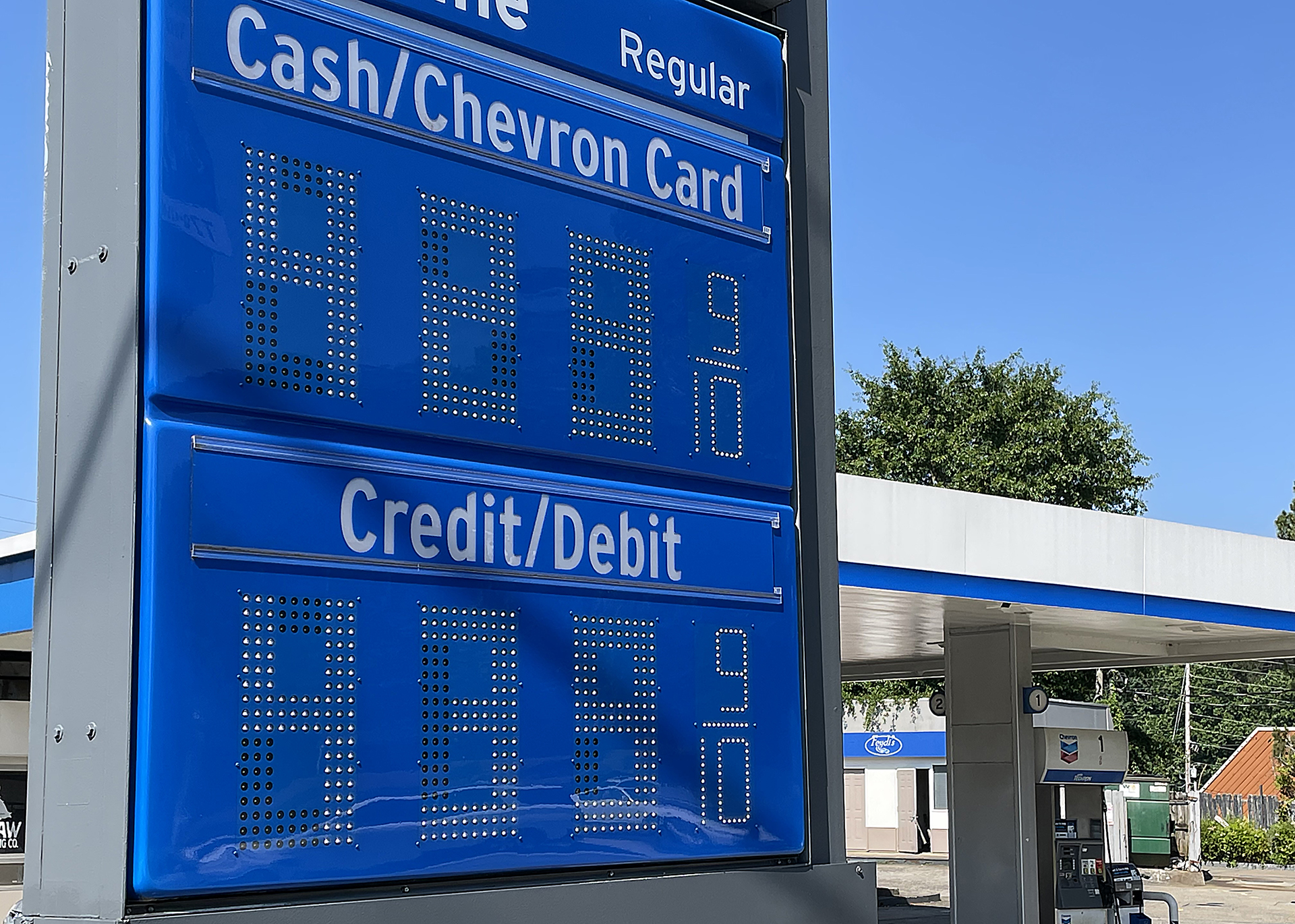
The United States Department of Energy (DOE) and the Environmental Protection Agency (EPA) have conducted extensive research into the variables affecting fuel economy. According to DOE data, sensible driving (avoiding speeding and rapid acceleration) can improve gas mileage by 10% to 40% in stop-and-go traffic and 15% to 30% at highway speeds. This translates to a potential savings of $0.35 to over $1.00 per gallon based on current average prices.
Furthermore, the impact of tire pressure is statistically significant. The DOE estimates that for every one PSI drop in pressure of all four tires, fuel economy lowers by 0.2%. While this seems marginal, the cumulative effect of poorly maintained vehicles across a national fleet results in millions of gallons of wasted fuel annually. For individual owners of rental vehicles, these techniques are equally applicable. Since rental cars are often newer models equipped with sophisticated trip computers, drivers can easily monitor their efficiency and ensure they return the vehicle without incurring excessive refueling costs or high fuel consumption during their journey.
Technological Integration and Real-Time Monitoring
The rise of "smart" vehicle technology has simplified the process of hypermiling for the average driver. Most vehicles manufactured within the last decade include an On-Board Diagnostics (OBD-II) system that provides real-time data on fuel flow, engine load, and throttle position. Modern dashboards often feature an "Eco-Mode" or a visual gauge that changes color based on the efficiency of the driver’s current acceleration.
Professional hypermilers often supplement these built-in tools with third-party devices that plug into the OBD-II port, providing even more granular data. These devices can calculate the exact cost of a single trip or identify specific habits that are draining the tank. By turning fuel conservation into a data-driven "game," these technologies have made efficiency more accessible to the general public.
The Geopolitical Context and Market Reactions
The urgency surrounding fuel efficiency is deeply tied to the current global political landscape. Energy analysts note that the volatility in the Middle East has created a "risk premium" on oil prices. Supply disruptions in the Red Sea and surrounding regions have forced tankers to take longer, more expensive routes, a cost that is eventually passed down to the consumer at the gas station.
In response to these high prices, consumer behavior has shifted. Automobile manufacturers are reporting increased interest in hybrid and plug-in hybrid electric vehicles (PHEVs), which utilize hypermiling principles automatically through regenerative braking and electric-assist motors. However, for the millions of drivers still operating traditional internal combustion engines, behavioral hypermiling remains the most immediate tool for financial relief.
Safety and Ethical Considerations
While the benefits of hypermiling are clear, safety experts emphasize that efficiency should never come at the expense of road safety. Certain "extreme" hypermiling techniques—such as "engine-off coasting" (turning off the engine while the vehicle is in motion) or "close-in drafting" (following inches behind a semi-truck)—are highly dangerous and often illegal. Turning off the engine can disable power steering and power brakes, while drafting reduces the driver’s field of vision and reaction time.
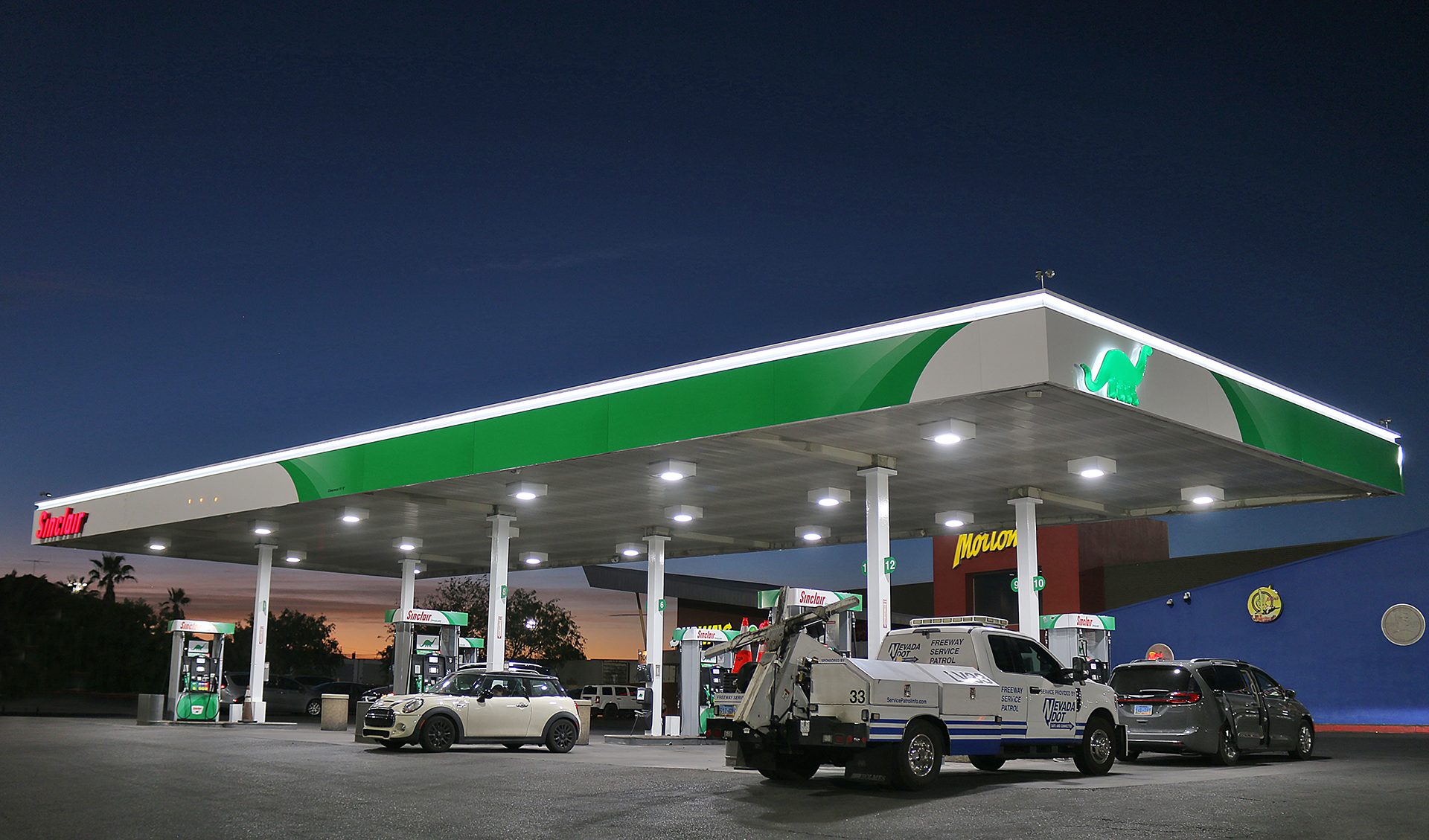
A professional journalistic consensus suggests that "moderate hypermiling" is the most sustainable approach. This involves adopting the behavioral changes—such as smoother acceleration and better route planning—without engaging in risky maneuvers. The goal is to maximize the utility of the machine within the bounds of the law and the safety requirements of the road.
Conclusion: The Broader Impact of Efficient Driving
The practice of hypermiling represents a proactive stance in an era of economic and geopolitical uncertainty. Beyond the immediate benefit to an individual’s bank account, widespread adoption of these techniques has broader implications for energy security and environmental health. By reducing the overall demand for fuel, consumers can collectively exert downward pressure on prices and reduce the carbon footprint of the transportation sector.
As fuel prices continue to be influenced by factors far beyond the control of the average citizen, the ability to control one’s own consumption remains a powerful tool. Whether driving a personal vehicle or a rental, the application of hypermiling principles ensures that the journey is as cost-effective and efficient as possible. In the final analysis, the most valuable component of any vehicle is a well-informed and disciplined driver.




 Anjar Salim
 Chandra Hamzah
 Tatiana Tantri Indah Sari

