
 Lukman Taruna Persada Ramadan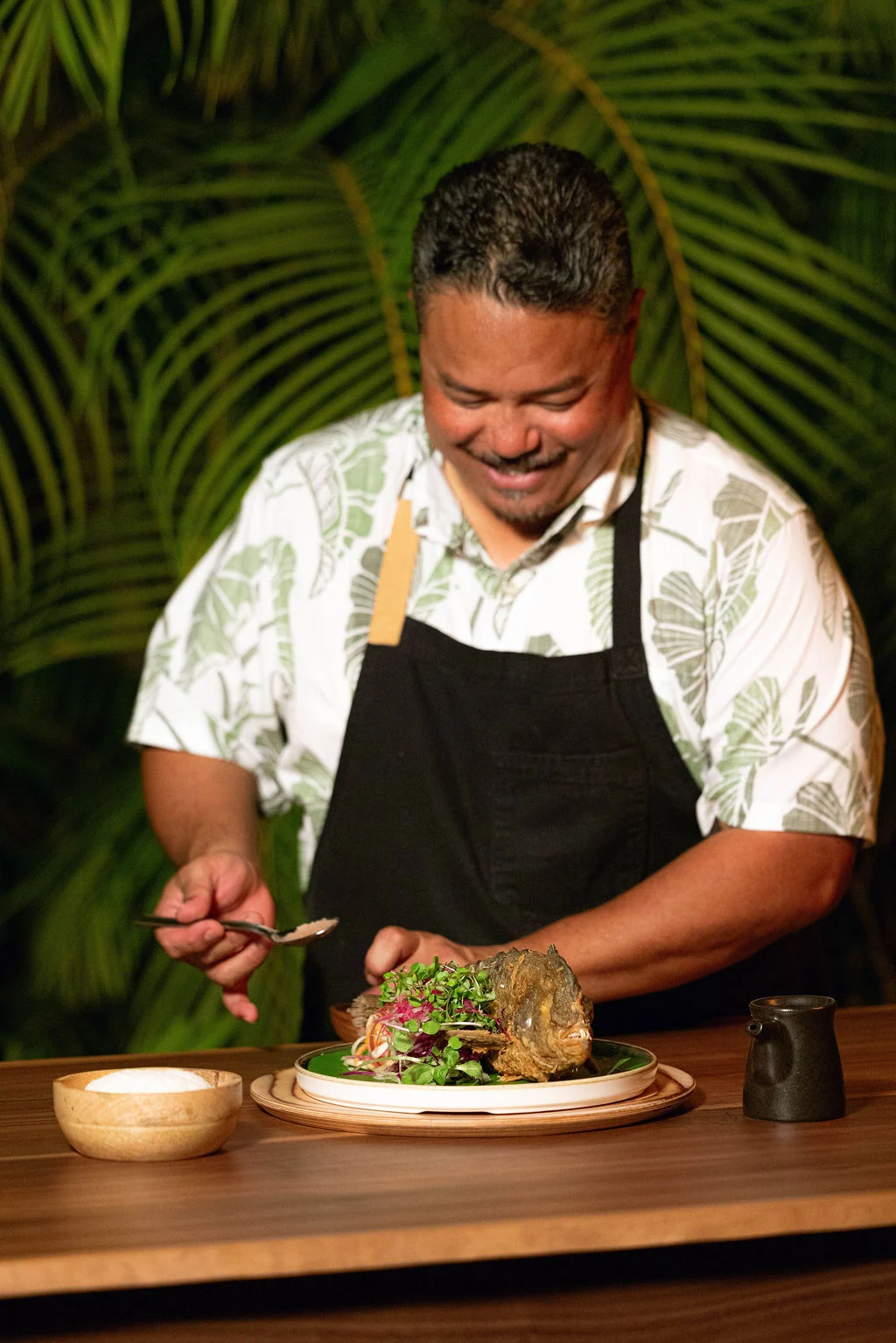
KÅ, the signature restaurant at the opulent Fairmont Kea Lani in Maui, has redefined the concept of island dining with a revitalized design and a reimagined menu, presenting fresh, locally sourced fare that meticulously narrates Hawaiʻi’s rich and diverse cultural history. At the helm of this culinary endeavor is Executive Chef Matt Dela Cruz, whose deep personal connection to the islands and extensive culinary expertise converge to create an authentic yet elevated gastronomic experience. Chef Dela Cruz recently shared his experiences, inspirations, and philosophy with Global Traveler, shedding light on the intricate tapestry of flavors that define KÅ’s unique culinary identity.
The Historical Roots of Plantation-Style Cuisine
Central to Chef Dela Cruz’s philosophy is "plantation-style" cuisine, a culinary genre born from the arduous yet culturally rich era of Hawaiʻi’s sugarcane fields. From the mid-19th to the late 20th century, sugar plantations were the economic backbone of the Hawaiian Islands, attracting waves of immigrants from across the globe, including China, Japan, Portugal, Korea, Puerto Rico, and the Philippines. These diverse communities, united by their labor, brought with them their distinct culinary traditions, ingredients, and cooking methods.
"Plantation-era cuisine is the food born from the sugarcane fields of Hawaiʻi; a melting pot of Hawaiian, Filipino, Portuguese, Korean, Japanese, and Chinese flavors that workers from each culture brought to the table and shared together during ‘kaukau time’," explains Chef Matt. This daily ritual of communal meals, or "kaukau time," became a powerful crucible for culinary fusion. Workers would share their lunch pails, exchanging dishes and techniques, leading to the organic development of a truly unique local cuisine. Humble ingredients, often cultivated in personal gardens or sourced from the surrounding environment, were transformed into hearty, flavorful meals that sustained a diverse workforce. This tradition of resourcefulness and communal sharing directly influenced what is now widely recognized as "Hawaiian plate lunch cuisine," a beloved staple characterized by generous portions of rice, a main protein, and macaroni salad or other sides, reflecting the diverse origins of the island’s population.
Chef Dela Cruz’s own upbringing is inextricably linked to this historical epoch. "My dad and family worked in the fields, and I grew up in a multiethnic family where potlucks were everything," he recounts. "Everyone brought their flavors and traditions to the table. That’s exactly how families and neighbors ate in the plantation days." This personal heritage forms the bedrock of his creative process, allowing him to infuse authentic sentiment into every dish.

Elevating Comfort Food: A Culinary Philosophy
Chef Dela Cruz describes his signature style as "elevated comfort food," a masterful blend of refined technique with the familiar, soulful flavors of his family and local Hawaiian cooking. This approach is exemplified in his contemporary reinterpretation of classic dishes. He recalls his father’s beef stew, traditionally made with wild, local cow—a tough cut requiring extensive slow cooking and a great deal of "love and time" to tenderize. At KÅ, Chef Dela Cruz transforms this rustic staple by substituting wild cow with more tender beef cheek, elevating the texture while preserving the deep, comforting flavors that evoke a sense of home. This conscious choice allows him to maintain the dish’s historical essence while presenting it with a sophisticated touch suitable for KÅ’s discerning clientele.
This philosophy extends beyond individual ingredients to flavor profiles and preparations. When asked about his favorite flavor combination, Chef Matt highlights "smoke and spice." He is particularly fond of incorporating smoke as a flavoring agent, noting its ability to add a profound depth and heighten umami. Techniques such as smoked butter or smoked soy are integral to his repertoire. Soy, a ubiquitous ingredient in Asian cuisines brought to Hawaiʻi, is a constant presence in his culinary imagination.
Another cherished ingredient for Chef Dela Cruz is ‘ulu (breadfruit), which has been a personal favorite for over 30 years. ‘Ulu, a traditional Polynesian staple, is highly nutritious and versatile, historically serving as a crucial food source for indigenous Hawaiians. Its reemergence in contemporary Hawaiian cuisine signifies a renewed appreciation for indigenous ingredients and sustainable practices. At KÅ, diners will encounter these favored elements skillfully combined, such as in a smoked ‘ulu purée, served alongside smoked butter and a black garlic sauce infused with soy, creating a complex and harmonious flavor profile.
A deeply personal touch is the inclusion of Hawaiian chili pepper water. Chef Dela Cruz fondly remembers his father and uncles quickly concocting a dipping sauce of chili pepper water, soy, and calamansi for freshly cooked fish. This spontaneous, heartfelt preparation is reinterpreted at KÅ as a meticulously composed vinaigrette, presenting the vibrant flavors of his childhood in an elegant, refined manner on the plate. These culinary narratives not only offer exquisite flavors but also provide a window into the chef’s personal history and the broader cultural narrative of Hawaiʻi.
The Influence of a Legend: Roy Yamaguchi and Hawaiian Regional Cuisine

Chef Matt Dela Cruz’s culinary journey includes training under the legendary Chef Roy Yamaguchi, a pivotal figure in the Hawaiian Regional Cuisine (HRC) movement. The HRC movement, which emerged in the late 1980s and early 1990s, revolutionized Hawaiian dining by advocating for the use of fresh, local ingredients, blending ethnic flavors prevalent in Hawaiʻi with European culinary techniques, and establishing a distinct Hawaiian culinary identity. Pioneered by a group of twelve chefs, including Yamaguchi, Peter Merriman, and Alan Wong, HRC championed a farm-to-table ethos long before it became a global trend.
Yamaguchi’s influence on Chef Dela Cruz was profound. "Roy gave me the opportunity to have a blank canvas, to put my own touch and style on dishes every time. That’s what allowed me to develop my own style and really cultivate it within his restaurants," Chef Matt explains. This mentorship provided not only exposure to the "best ingredients and rub shoulders with the best chefs in the world" but also instilled a fundamental lesson: "Always take care of your customers. They’re your bread and butter."
Yamaguchi emphasized that while a chef’s style stems from personal experiences, cooking is ultimately for the enjoyment of others. This philosophy, stressing humility and respect for those who laid the culinary groundwork, resonated deeply with Dela Cruz. This lesson became particularly significant when he assumed the role of Executive Chef at KÅ, a restaurant with a long-standing reputation and a loyal customer base. "There were already long-time customers with a deep connection to this restaurant, and I wanted to honor that," he says. Yamaguchi’s counsel to "give customers what they want and add some of your own creations" guides Dela Cruz’s menu development, a belief that "old classics and new always make the best menus." This approach ensures that KÅ’s offerings celebrate tradition while continuously innovating.
The Fairmont Kea Lani: A Setting for Culinary Excellence
The Fairmont Kea Lani, situated on the stunning Wailea coast of Maui, provides an idyllic backdrop for KÅ’s culinary narrative. As Hawaiʻi’s only all-suite and villa luxury resort, the Fairmont Kea Lani is renowned for its commitment to delivering an authentic Hawaiian experience, integrating the island’s natural beauty and rich culture into every aspect of its operations. The resort’s dedication to sustainability and supporting local businesses aligns perfectly with Chef Dela Cruz’s vision of sourcing fresh, local ingredients. This synergy allows KÅ to not only offer exceptional dining but also to contribute to the local economy and promote responsible tourism.
Maui, often celebrated as a premier culinary destination, boasts a vibrant agricultural sector and a thriving fishing industry. The island’s diverse microclimates allow for a wide range of produce, from tropical fruits and vegetables to specialized herbs and coffee. This abundance of fresh, high-quality ingredients empowers chefs like Dela Cruz to minimize food miles, support local farmers and fishermen, and ensure the freshest possible flavors for their dishes. The resort’s position as a luxury destination also attracts visitors seeking unique and culturally immersive experiences, making KÅ a natural fit for guests eager to explore the authentic flavors of Hawaiʻi.

Broader Impact and Cultural Significance
The culinary approach at KÅ under Chef Matt Dela Cruz extends beyond mere gastronomy; it serves as a vital platform for cultural preservation and storytelling. By meticulously researching and reinterpreting historical plantation-era dishes and showcasing indigenous ingredients like ‘ulu, the restaurant plays a crucial role in safeguarding and celebrating Hawaiʻi’s unique culinary heritage. This commitment to authenticity ensures that visitors gain a deeper understanding of the islands’ history and the communities that shaped its distinctive culture.
Moreover, KÅ’s emphasis on locally sourced ingredients has significant implications for sustainable tourism and economic development. By forging strong relationships with local farmers, ranchers, and fishermen, the restaurant contributes to a resilient local food system, reduces environmental impact, and provides direct economic benefits to the community. This aligns with broader trends in the hospitality industry towards more ethical and sustainable practices, appealing to a growing segment of travelers who prioritize responsible choices.
For Chef Dela Cruz, the ultimate measure of success lies in the diners’ experience. "I hope they take away a sense of authentic Hawaiʻi, food seen through the eyes of someone who grew up here and became a chef," he articulates. This vision, matured through his personal journey and professional development, is palpable in KÅ’s current menu. "Hawaiʻi is where my family is, and they’re my influence. I’m trying to give you a taste of what I grew up with."
The food at KÅ is imbued with storytelling and culture, making each meal a meaningful journey. What truly makes Chef Dela Cruz proud is seeing both local residents and international visitors equally enjoy his creations. "They can come in, enjoy elevated comfort food they love and it takes them back to growing up here," he reflects. This ability to resonate with locals while captivating visitors underscores KÅ’s success in bridging tradition and innovation, offering a culinary experience that is both deeply personal and universally appealing. In essence, KÅ is not just a restaurant; it is a vibrant culinary narrative, a testament to Hawaiʻi’s rich past, and a beacon for its flavorful future.


 Anjar Salim
 Chandra Hamzah
 Tatiana Tantri Indah Sari
 Budi Mulyono

