
 Lukman Taruna Persada Ramadan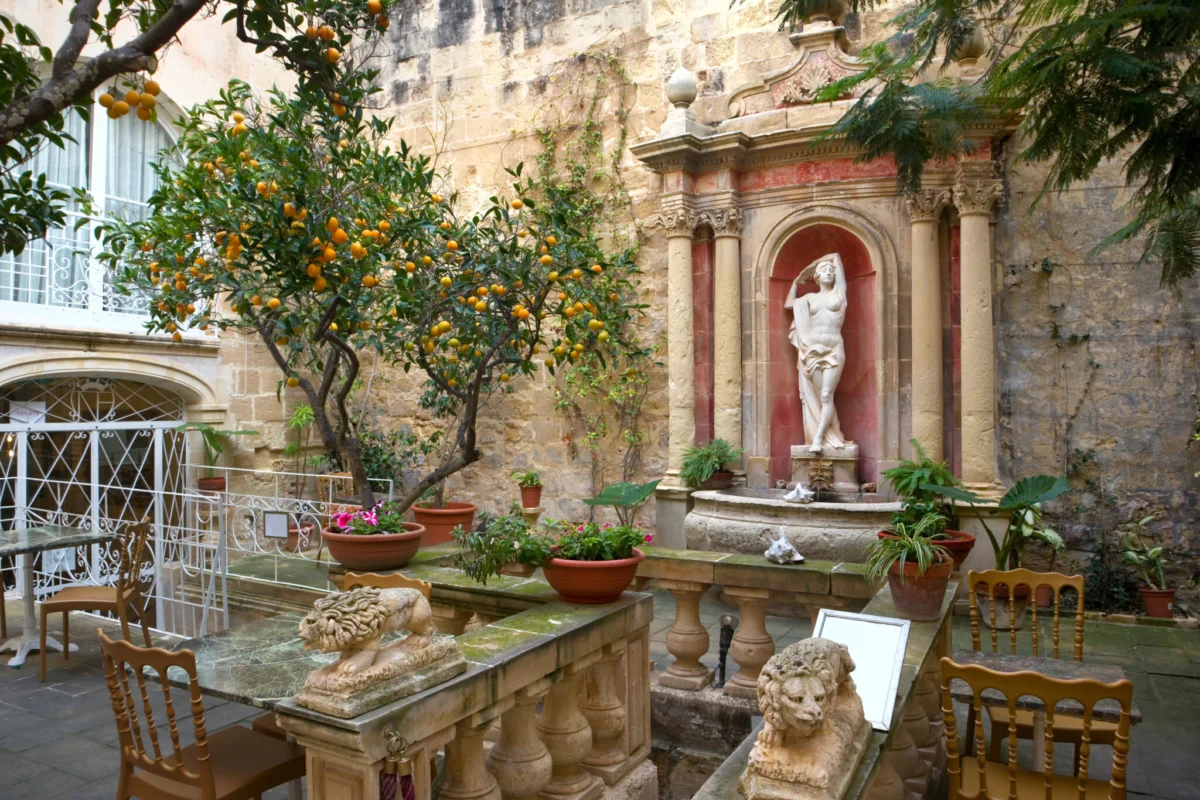
Malta, the captivating archipelago nestled strategically between Sicily and the North African coast, is rapidly solidifying its reputation not only as a picturesque leisure destination but also as an increasingly compelling hub for business travelers and their companions. The island nation, the smallest in the European Union, is currently undergoing a significant transformation in its hospitality sector, poised to offer an unparalleled blend of historical charm, modern amenities, and diverse attractions for both work and relaxation. The initial glimpse of Valletta’s fortified limestone walls, glowing golden against the azure sea, serves as a powerful testament to the island’s enduring allure, an enchantment that deepens upon arrival, revealing a rich tapestry of Baroque architecture, complex history, and a forward-looking economic landscape.
A Growing Hub for Hospitality and Business
Malta’s burgeoning appeal to the global business community is underscored by substantial investments in its hospitality infrastructure. Despite its modest size, the country is witnessing a remarkable surge in hotel development, a clear indicator of confidence in its future as a prime destination for meetings, incentives, conferences, and exhibitions (MICE), as well as extended ‘bleisure’ stays. Industry giants like Meliá Hotels are embarking on ambitious expansion plans, with nine new properties slated for development across the archipelago. Similarly, the highly anticipated Hard Rock Hotel Malta is soon to open its doors on the vibrant St. George’s Bay, further diversifying the accommodation landscape. This growth translates directly into an expanded array of choices for business travelers seeking high-quality lodging, sophisticated conference facilities, and opportunities to seamlessly integrate professional commitments with enriching leisure experiences.
The strategic location of Malta, combined with its status as an English-speaking EU member state and Eurozone participant, makes it an attractive proposition for international businesses. The government’s proactive efforts to foster a business-friendly environment, particularly in sectors like iGaming, financial services, maritime, and emerging technologies, have drawn considerable foreign investment. This economic dynamism naturally fuels the demand for premium accommodation and services tailored to the corporate traveler, prompting hotel groups to enhance their portfolios and cater to a discerning clientele that values both efficiency and cultural immersion. The increase in hotel capacity is not merely about numbers; it signifies a qualitative upgrade, offering a wider spectrum of luxury, boutique, and extended-stay options designed to meet the evolving needs of the modern business traveler who increasingly seeks authentic local experiences alongside corporate functionality.
Valletta: A UNESCO World Heritage Capital

At the heart of Malta’s charm lies its capital city, Valletta, a UNESCO World Heritage site renowned for its exquisite Baroque architecture and strategic fortifications. Laid out on a grid plan by the Knights of St. John in the 16th century, Valletta is remarkably compact and highly walkable, making it an ideal destination for solo explorers, couples, families with children, and multi-generational groups alike. Its pedestrian-friendly streets, often steep but equipped with shallow steps, invite visitors to wander and discover hidden gems at every turn. The ease of navigation, coupled with English being an official language alongside Maltese (with Italian also widely understood), significantly enhances the experience for international visitors, facilitating communication and cultural engagement.
Valletta’s diversions cater to a wide range of interests, appealing equally to history buffs, culture enthusiasts, souvenir seekers, and those simply wishing to soak in the Mediterranean atmosphere. The city’s distinctive aesthetic is largely defined by its primary building material: Malta stone, a soft ecru limestone that ages gracefully into a warm golden hue. This ubiquitous material, combined with centuries-old flagstone and cobblestone streets worn smooth by countless footsteps, creates a timeless urban fabric. Adding to this unique architectural identity are the gallarija, ornate closed wooden balconies that are a hallmark of Maltese design. These balconies, reminiscent of the Arabic mashrabiya, not only provide passive cooling for buildings but also offer residents discreet views of the bustling streets below, contributing to Valletta’s unique character and charm.
For a true immersion into Valletta’s soul, the best advice remains to simply "get lost" within its labyrinthine narrow streets and alleyways. This organic exploration often leads to unexpected discoveries, from quaint cafes to artisan workshops. St. Lucia’s Street, for instance, stands out as one of the city’s most picturesque thoroughfares. Here, steep, shallow steps descend towards the water, adorned overhead with strings of white bulb lights and colorful flags bearing historical emblems and patron saints. Lush palm trees and tropical foliage provide verdant accents, while bistro tables and chairs spill out from restaurants onto the steps, offering idyllic perches for enjoying the vibrant street life and the gentle sea breezes that temper the warm Mediterranean sunshine.
Culinary Delights and Artisan Treasures
Malta’s culinary scene is a delightful reflection of its Mediterranean heritage, enriched by historical influences from Sicily, North Africa, and various European powers. The cuisine emphasizes fresh, seasonal ingredients, particularly seafood, and boasts a distinct local flavor. Signature dishes include aljotta, a hearty and aromatic garlic fish soup; red-wine-braised octopus, showcasing the island’s abundant seafood; and fenek, slow-braised rabbit ragù served with pasta, widely considered Malta’s national dish. The island’s sunny climate is also exceptionally conducive to viticulture, producing distinctive wines from indigenous grape varieties such as Girgentina (white) and Ġellewża (red). Along St. Lucia’s Street, establishments like Taste, Bottega Italia, and Why Not? Wine Bar offer excellent opportunities to sample these local delicacies and wines in charming settings.
For those seeking authentic souvenirs, Valletta presents a veritable treasure trove. Handcrafted lace, known as bizzilla, is a traditional Maltese art form, transforming delicate threads into intricate tablecloths, scarves, and decorative pieces. Another exquisite local craft is Mdina glass, characterized by its vibrant colors and handblown forms, resulting in stunning bowls, vases, and decorative objects that make beautiful, albeit fragile, keepsakes. The iconic Maltese cross, a symbol deeply intertwined with the Knights of St. John and the island’s history, is ubiquitous, found imprinted on pins, keychains, pendants, and decorative signs. Intricate traditional motifs also adorn delicate filigreed jewelry, reflecting centuries of Maltese craftsmanship. For edible mementos, visitors can acquire floral-tinged local honey, rich olive oil, or even a kit to prepare pastizz, Malta’s beloved flaky pastries typically filled with ricotta cheese or curried peas. Seeking out family-run or artisanal shops not only ensures authenticity but also provides the opportunity to witness the creation of these unique products firsthand.

Historical Grandeur and Panoramic Vistas
Valletta’s strategic layout and historical significance are best appreciated from elevated vantage points. The Barrakka Lift, a modern elevator connecting the waterfront to the city center, delivers visitors directly to the Upper Barrakka Gardens. These public gardens, originally a private garden for the Knights of St. John, offer one of the most breathtaking panoramic views of the Grand Harbour and the historic Three Cities (Vittoriosa, Senglea, and Cospicua). This iconic vista, with its intricate fortifications and bustling maritime activity, provides an unparalleled photo opportunity and a profound sense of Malta’s strategic importance throughout history.
Adjacent to the Upper Barrakka Gardens stands Casa Rocca Piccola, a meticulously preserved 16th-century private palace that continues to be inhabited by the noble De Piro family. A guided tour of this aristocratic residence offers an intimate glimpse into the lifestyle of Maltese nobility, showcasing opulent formal salons, historic wine cellars, the family’s private living quarters, and a dedicated chapel. The palace’s courtyards and balconies provide additional stellar views, and guides often share intriguing anecdotes about hidden passages and the family’s impressive antique weapons collection, making for a truly immersive historical experience.
Just a short stroll away is St. John’s Co-Cathedral, considered one of Europe’s finest examples of High Baroque architecture. Dating back to 1578, this former conventual church of the Knights of St. John is a testament to immense wealth and artistic patronage. While its exterior is relatively austere, the interior explodes with breathtaking opulence, featuring gilded accents, intricately carved marble columns, and a magnificent vaulted ceiling adorned with frescoes by Mattia Preti. Each of the cathedral’s eight chapels is dedicated to a regional subdivision of the Knights, showcasing their diverse origins and artistic contributions. The cathedral also houses two masterpieces by Caravaggio, including "The Beheading of Saint John the Baptist," making it a pilgrimage site for art lovers.
Beyond Valletta: Coastal Wonders and Ancient Cities
Malta’s allure extends far beyond its capital, offering a wealth of day-tripping opportunities that cater to various interests. Approximately 40 minutes north of Valletta lies Mellieħa Bay, Malta’s largest sandy beach. Its calm, shallow waters make it particularly family-friendly, with readily available loungers and umbrellas for rent, providing a perfect escape for relaxation and swimming.

Venturing 40 minutes south of Valletta leads to the mesmerizing Blue Grotto, a series of sea caves and caverns that draw comparisons to a more accessible and less crowded version of Italy’s Capri. Visitors can embark on traditional boat rides that navigate these natural formations, where the waters display a spectrum of brilliant blues, from deep cobalt to ethereal turquoise, depending on the sun’s angle and the tides. Nearby, St. Peter’s Pool offers a natural swimming hole, popular for its clear waters and unique rock formations.
Away from the coast, approximately 30 minutes west of Valletta, stands Mdina, famously known as the "Quiet City" due to its almost complete lack of automobiles within its ancient walls. This more than 4,000-year-old walled medieval city, perched majestically on a hillside, offers spectacular views of the Maltese countryside. Mdina’s history stretches back to the Phoenicians, Romans, and Arabs, each civilization leaving its indelible mark. Visitors can capture memorable photos at the imposing Mdina Gate before wandering the honey-hued limestone lanes at their own pace. The city’s quiet courtyards, tucked-away cafes, and sweeping bastion views create an atmosphere of timeless tranquility, making it equally rewarding for solo exploration or shared experiences with companions.
Enhanced Connectivity and Future Outlook
Malta’s growing prominence on the international stage is further bolstered by enhanced air connectivity. A significant development for the North American market is the announcement by Delta Air Lines to offer the first and only direct, non-stop service from the United States, with flights from New York (JFK) to Malta International Airport (MLA) in Luqa, commencing in June 2026. This landmark route is expected to dramatically increase accessibility for American business and leisure travelers, solidifying Malta’s position as a premier destination. Prior to this, travelers from the U.S. have relied on connecting flights via major European hubs served by carriers such as Lufthansa, Turkish Airlines, United Airlines, and Air France/KLM. Upon arrival at Malta International Airport, Valletta is conveniently reachable by a 20-minute taxi ride, costing approximately $29–$35, or via the Express X4/X5 bus service, which takes around 40 minutes and costs approximately $3.
For cruise passengers arriving in Valletta’s Grand Harbour, the Barrakka Lift provides a convenient ascent from the waterfront to the Upper Barrakka Gardens. While efficient, during peak times the line for the lift can be considerable. An alternative, for those without luggage or mobility constraints, is the historical 20-minute walk up steep steps, a picturesque trek that offers numerous photographic opportunities and a deeper appreciation for Valletta’s formidable defenses.
The confluence of strategic geographical location, a rich cultural tapestry, a robust and growing business environment, and significant investments in hospitality and infrastructure positions Malta as an increasingly attractive destination for global travelers. Its ability to seamlessly blend ancient history with modern amenities, coupled with a welcoming English-speaking environment, makes it particularly appealing for business travelers seeking a productive yet culturally enriching experience, often extending their stays to explore the island’s many wonders. As Malta continues to evolve and enhance its offerings, its spellbinding charm and growing sophistication ensure its place as a standout gem in the Mediterranean.




 Budi Mulyono
 Anjar Salim
 Chandra Hamzah
 Tatiana Tantri Indah Sari
