
 Chandra Hamzah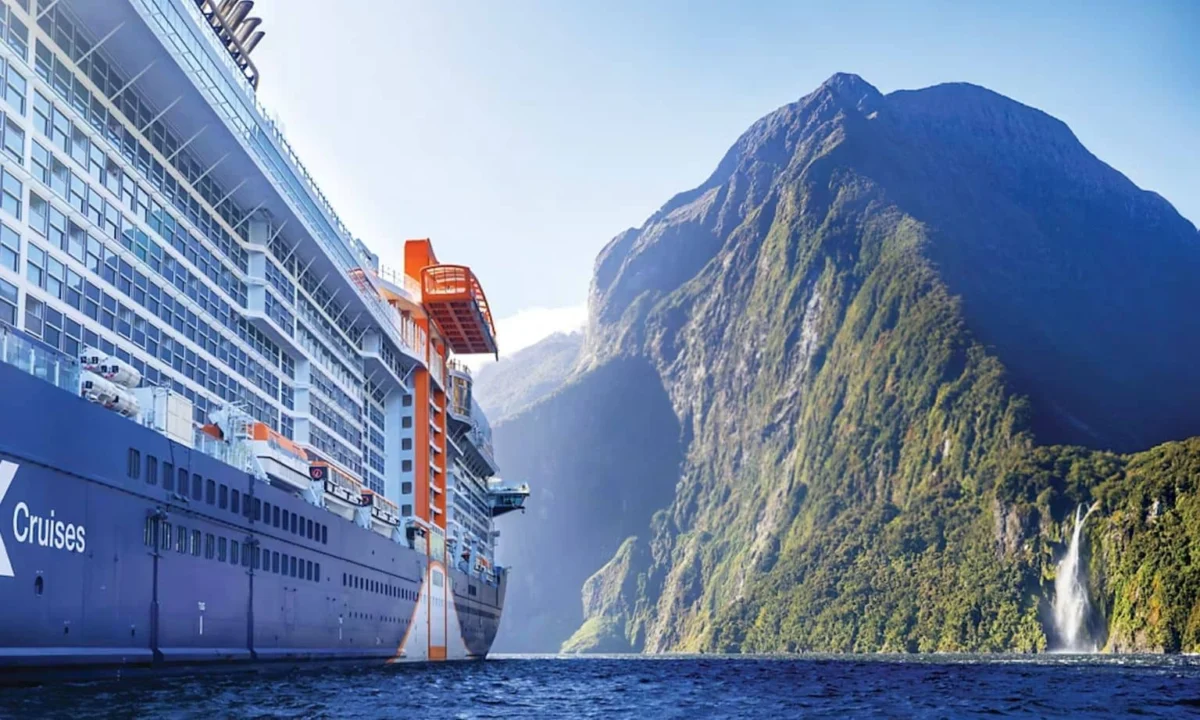
A significant downturn in Australian cruise passenger numbers to New Zealand has been revealed by recent Cruise Lines International Association (CLIA) figures, prompting a wave of feedback from Cruise Passenger readers. The primary drivers identified for this decline are a constrained supply of available sailings and a growing sense of "destination fatigue" among seasoned cruisers, who are seeking greater variety in their travel experiences. This trend is leading many to explore international departures for their holidays, a shift that carries notable implications for the cruise industry and the tourism sectors of both Australia and New Zealand.
The data from CLIA paints a stark picture of reduced activity on the trans-Tasman cruise routes. While specific figures for the latest reporting period were not detailed in the initial reader feedback, the consensus among cruise lines and industry observers points to a substantial decrease in the number of berths offered on voyages between the two nations. This reduction in capacity is seen as a direct contributor to the falling passenger numbers, as fewer opportunities mean fewer travelers can embark on these popular itineraries. However, reader comments suggest that supply alone is not the sole determinant of demand, with passenger sentiment playing an equally crucial role.
The Specter of Destination Fatigue
A recurring theme emerging from the reader comments is the perception that New Zealand cruise itineraries have become repetitive. Many Australian cruisers, having undertaken multiple voyages to the "Land of the Long White Cloud," are expressing a lack of desire to repeat the same ports of call and scenic highlights. This sentiment is particularly pronounced among those who have completed several New Zealand cruises, often finding themselves visiting the same iconic fjords, geothermal areas, and urban centers.
Angela Kate, a vocal reader, articulated this sentiment clearly: "You can only do a NZ cruise so many times. I’ve done it four times, no desire to do it again. We need more itinerary variety out of Australia. I’m now flying overseas to cruise to get variety." Her experience is echoed by many who feel that the standard nine to ten-day North and South Island itineraries have lost their novelty. The desire for new experiences is so strong that some, like Kyle Crawley, have even booked voyages on less preferred ships simply because they offer a different route. Crawley’s booking on the Carnival Adventure, sailing from Auckland to Norfolk Island and Vanuatu, exemplifies this strategy: "Not in love with the ship but going somewhere different is why we chose it. Different itineraries are definitely needed."
Trina Lynn further elaborated on the issue of repetitive itineraries and the appeal of land-based exploration. Having completed two New Zealand cruises from Sydney, she expressed a desire for departures from other Australian ports, such as Brisbane, to inject some novelty. More significantly, she indicated that her future travel to New Zealand would likely be via land-based holidays: "Have also been to South Island NZ on a driving holiday. If I go back, it won’t be on a cruise, it will be driving and exploring. Have seen all the ports, need to see something else. Cruising out of Australia has become boring, same itineraries on repeat. I prefer to fly somewhere different and cruise from there." This highlights a potential shift in how travelers perceive the value proposition of cruising to familiar destinations.
Mark Beasley, who has undertaken five New Zealand cruises, including "boring islands ones" and Australian coastal voyages, has also pivoted to international cruising. "Unfortunately we don’t have many options here so I go to the USA and other places which surprise surprise they are cheaper and better quality cruises," he stated. His comment suggests that the perceived value for money and the availability of diverse experiences overseas are drawing Australian cruisers away from their traditional trans-Tasman routes.
Escalating Costs Dampen Enthusiasm
Compounding the issue of itinerary fatigue is a reported increase in the cost of New Zealand cruises. Several readers have noted a significant jump in prices, particularly for voyages scheduled for future seasons, such as 2027. This price escalation, coupled with a perceived reduction in the value offered (fewer days, fewer ports), is making these cruises less attractive.
Sandra Burrows highlighted this trend: "We’ve been twice, with two different lines, visiting some different ports. I looked recently for 2027 and price have exploded. Royal Caribbean offers less days and less ports, and Princess offers more variety but higher prices." This observation points to a challenging market dynamic where cruise lines are attempting to maintain profitability in the face of declining demand by increasing prices, a strategy that appears to be backfiring with a segment of their customer base.
Lise Willard provided a direct account of this shift with Royal Caribbean: "Royal Caribbean has dropped the number of cruises going to NZ and increased the price of cruises. NZ is a beautiful country with so much to see and do so it’s a shame they did that. I usually go twice a season but did none last season and have none planned for the next season, so I’m planning a land trip.instead." Her decision to opt for a land-based holiday underscores the growing competition for leisure spending and the need for cruise lines to remain competitive not just with each other, but with alternative travel experiences.
David Bowker offered a blunt assessment of the situation: "Prices have doubled and all we get are the same itineraries. Maybe this is the wake-up call that the cruise lines need – you can’t keep selling us the same stuff and marking it up year after year." His statement implies that consumers are becoming increasingly discerning and less willing to accept incremental price increases for stagnant product offerings.
The Broader Implications for the Cruise Industry
The current sentiment among Australian cruisers signals a critical juncture for the cruise industry’s engagement with New Zealand. The CLIA data, while not explicitly detailed in the reader feedback, serves as a quantifiable indicator of the trend. A sustained decline in demand from a key source market like Australia could have significant economic repercussions for New Zealand’s tourism sector, which relies on cruise ship arrivals for a substantial portion of its visitor numbers. Ports that depend on cruise passenger spending for local businesses, from souvenir shops to tour operators, may experience a noticeable downturn.
For cruise lines operating in the region, the challenge lies in recalibrating their offerings. The current situation suggests a need to:
- Diversify Itineraries: Developing new and innovative cruise routes that incorporate less-visited ports or combine New Zealand with other Pacific Island destinations could re-ignite interest. This might involve longer voyages or themed cruises to appeal to specific interests.
- Re-evaluate Pricing Strategies: The feedback indicates that current pricing for New Zealand cruises may be misaligned with perceived value. A more competitive pricing structure, potentially linked to enhanced onboard experiences or unique shore excursions, could be more effective.
- Enhance the Value Proposition: Beyond price, cruise lines need to emphasize the unique selling points of a New Zealand cruise and ensure that the overall experience justifies the cost. This could involve greater emphasis on cultural immersion, adventure activities, or culinary experiences that differentiate New Zealand from other destinations.
- Consider Regional Departure Points: As suggested by readers, exploring departures from a wider range of Australian ports could make cruising to New Zealand more accessible and appealing to different demographics.
A Call for Reader Engagement
The "Your Say" section of Cruise Passenger serves as a vital barometer of public opinion within the cruising community. The consistent and passionate feedback from readers like Angela Kate, Trina Lynn, Kyle Crawley, Mark Beasley, Sandra Burrows, Lise Willard, David Bowker, Karen Ryan, and Joe Faith underscores the importance of listening to passenger concerns. Their willingness to share their experiences and opinions directly contributes to a more informed discourse about the future of cruising.
Karen Ryan’s comment, "We’ve done three NZ cruises, definitely would go again if we are not going to the same ports over and over again," encapsulates the core issue: the desire for repeat engagement hinges on innovation and variety. Joe Faith further reinforces this by stating, "You can only really do it so many times and with increasing costs it isn’t as justifiable."
The publication’s commitment to featuring reader feedback in this ongoing column signals an understanding that the passenger voice is integral to shaping the industry. As the cruise lines grapple with these evolving market dynamics, the insights provided by these engaged readers will undoubtedly play a role in guiding future strategic decisions, ensuring that the allure of the open sea and exotic destinations remains strong for Australian travelers. The industry is being presented with a clear mandate: adapt or risk losing a significant segment of its loyal customer base.



 Anjar Salim
 Tatiana Tantri Indah Sari
 Budi Mulyono
