
 Chandra Hamzah
Australian travellers aspiring to reach Europe for their summer holidays are confronting a complex and potentially hazardous travel landscape. The escalating geopolitical tensions in the Middle East have precipitated widespread flight cancellations and a sharp increase in airfares on alternative routes, particularly those transiting through Asia. Compounding these challenges, official government advisories strongly caution against travel to or through numerous Middle Eastern countries, creating a precarious dilemma for holidaymakers.
Despite these stark warnings, a segment of the travel market is being lured by unprecedentedly low fares offered by Middle Eastern airlines. Return flights from Australia to Europe are reportedly available for as little as $1500. While this price point is undeniably attractive, it necessitates a sober assessment of the significant risks involved, including the potential invalidation of travel insurance and exposure to active conflict zones. This situation leaves Australian travellers with a difficult choice: either incur substantial costs for more convoluted and less familiar travel arrangements, or disregard official counsel and undertake journeys that could render them uninsured and vulnerable.
Recent reports indicate that some Australians are indeed opting for these heavily discounted Middle Eastern routes, effectively accepting the inherent risks of traversing regions currently experiencing conflict and political instability. This calculated gamble comes with the understanding that their travel insurance may be voided for the duration of their transit or stay in these affected areas. The Department of Foreign Affairs and Trade (DFAT) has reiterated its firm stance, urging all citizens to avoid non-essential travel to a list of countries including Bahrain, Iran, Israel, Kuwait, Lebanon, Qatar, and the United Arab Emirates. This advisory extends to transit and layovers, underscoring the pervasive nature of the risks.
Escalating Disruptions and Government Advisories
The ramifications of military conflicts in the Middle East have been far-reaching, leading to extensive airspace closures, a surge in flight cancellations, and significant travel disruptions not only within the region but on a global scale. The Smart Traveller advice for the United Arab Emirates, updated only recently, explicitly states that "Do not travel" advice applies to transit and layovers in the UAE, even for passengers remaining within the airport. The advisory warns that travellers proceeding to or transiting through the UAE "may be unable to leave," their "safety will be at risk," and their "travel insurance may become invalid."
This stringent advice reflects the volatile security situation. The ongoing geopolitical realignments and active conflicts in the Middle East have created an environment of heightened unpredictability. Events such as the recent escalation of tensions between Iran and Israel, and the broader implications for regional stability, have directly impacted air travel. For instance, the closure of airspace over key transit hubs like Dubai and Abu Dhabi, even temporarily, can trigger a cascade of delays and cancellations affecting thousands of flights globally. The economic impact of these disruptions is also considerable, with airlines forced to reroute flights, incurring additional fuel costs and operational complexities.
Historical Context and Evolving Travel Risks
The current travel challenges are not an isolated incident but rather an intensification of risks that have been building over time. The Middle East has long been a region subject to geopolitical sensitivities, but recent events have elevated these concerns to a critical level for international travellers. The period leading up to the current summer travel season has seen a marked increase in diplomatic tensions and, unfortunately, direct military engagements in several countries.
This escalation has a direct bearing on international aviation. Airspace closures, while often temporary, can have a domino effect on flight schedules. Airlines operating routes that traverse these affected areas are forced to make difficult decisions, often rerouting flights over longer distances or cancelling them altogether. This has a ripple effect on connectivity, particularly for long-haul journeys such as those from Australia to Europe. The cost of these diversions and cancellations is invariably passed on to consumers in the form of higher ticket prices.
Analyzing the "Cheap Flight" Phenomenon
The juxtaposition of soaring airfares on traditional routes and the allure of significantly cheaper options through the Middle East presents a complex decision matrix for travellers. Middle Eastern carriers, keen to maintain passenger loads amidst regional instability, have implemented aggressive pricing strategies. These offers, while appearing to be a financial boon, come with substantial caveats.
The primary concern is the validity of travel insurance. Most comprehensive travel insurance policies contain clauses that exclude coverage for incidents occurring in regions subject to government "do not travel" advisories. This means that if a traveller experiences a medical emergency, theft, or any other insurable event while in or transiting through a designated high-risk zone, their insurance provider is likely to deny the claim. This effectively shifts the entire financial burden of such an incident onto the traveller.
Furthermore, the risk of being stranded or detained in a conflict zone is a tangible concern. The DFAT advisory explicitly warns that travellers to the UAE "may be unable to leave." This could stem from unforeseen border closures, security lockdowns, or even being caught in the crossfire of escalating regional tensions. The psychological toll and logistical nightmare of such a situation are considerable.
Examining Alternative Routes and Their Challenges
With the Middle East presenting a high-risk proposition, travellers are increasingly looking towards alternative routes, primarily via Asia. However, this pathway is also fraught with its own set of difficulties. Recent months have seen a significant number of flight cancellations on routes connecting Australia to major Asian hubs, which then serve as gateways to Europe. Airlines have cited various reasons for these cancellations, including lower-than-anticipated demand for certain sectors, operational adjustments, and the ongoing global capacity constraints within the aviation industry.
The consequence of these cancellations is a reduction in available flights and, consequently, a sharp increase in the cost of remaining seats. Travellers who had booked flights through Asian gateways are now facing the prospect of rebooking at much higher prices or seeking entirely new itineraries. This creates a "double whammy" effect, where the initial cost savings of booking in advance are eroded by the need to secure alternative, more expensive travel arrangements.
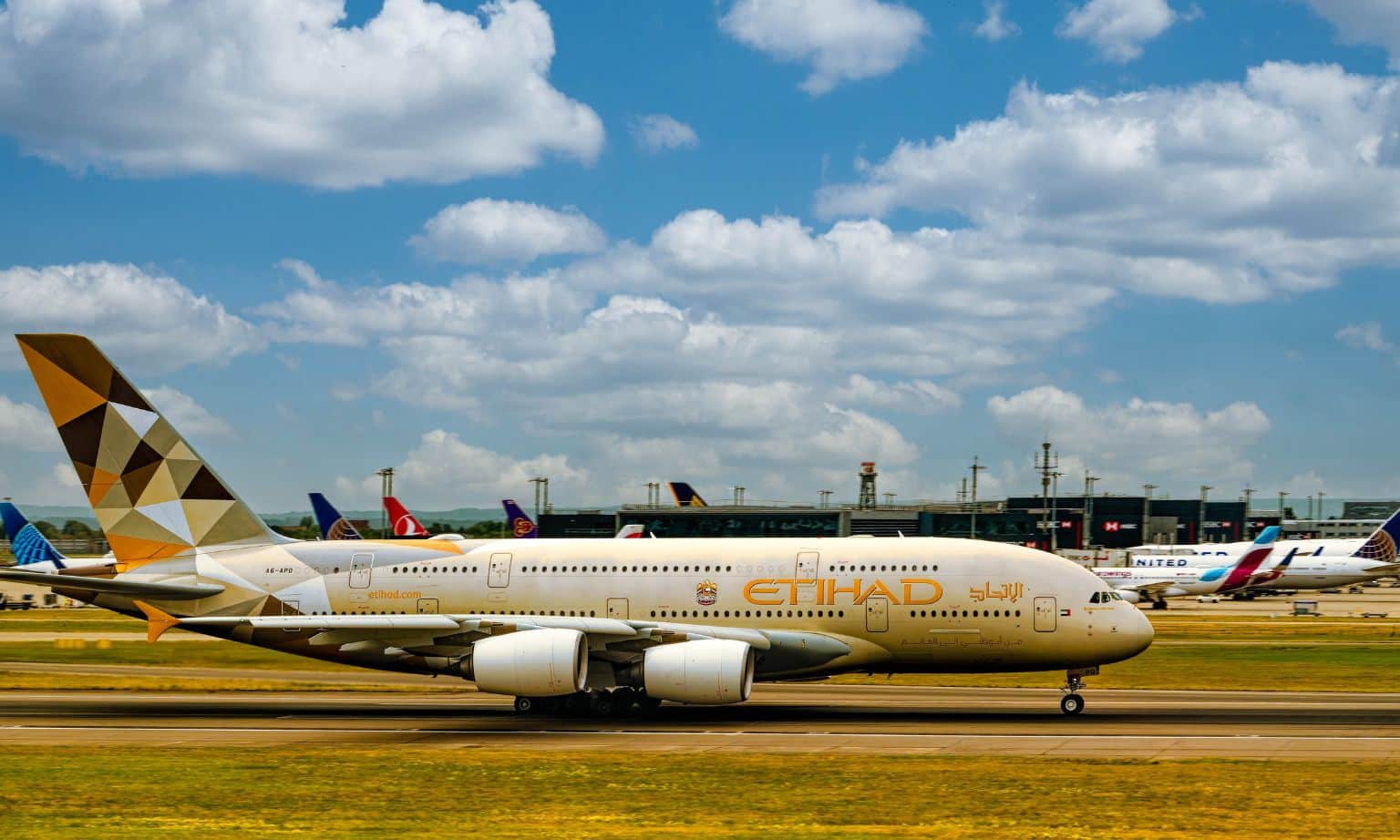
The complexity of these alternative routes also adds to the travel burden. Passengers may need to navigate multiple connections, longer layovers, and unfamiliar airports. This can be particularly challenging for families with young children or elderly travellers. The planning and execution of such journeys require a higher degree of logistical expertise and can be significantly more time-consuming than direct flights or simpler layover arrangements.
Official Stance and Traveller Responsibility
The Australian Department of Foreign Affairs and Trade (DFAT) has been unequivocal in its advice. The "do not travel" designation is not issued lightly and is based on comprehensive risk assessments by intelligence and security agencies. The spokesperson’s statement highlights the persistent risk of "attacks and escalation," underscoring that the situation remains fluid and dangerous.
The specific mention of Bahrain, Iran, Israel, Kuwait, Lebanon, Qatar, and the United Arab Emirates signifies that these nations are considered to pose a significant threat to the safety and security of Australian citizens. The extension of this advice to transit and layovers is a crucial point, as it acknowledges that even brief periods in these locations can expose travellers to undue risk.
Deeper Implications for the Travel Industry and Consumers
The current travel climate has profound implications for both the aviation industry and consumers. Airlines are grappling with fluctuating demand, operational challenges, and the need to adapt to rapidly changing geopolitical landscapes. This can lead to unpredictable pricing patterns and a reduced availability of flights.
For consumers, the traditional model of booking travel well in advance for cost savings is becoming increasingly unreliable. The inherent uncertainty means that travellers must factor in a higher degree of flexibility and contingency planning into their holiday arrangements. This might involve purchasing more expensive flexible tickets, allocating a larger budget for potential last-minute changes, or even reconsidering travel plans altogether.
The situation also raises questions about the responsibility of travel agents and booking platforms. While they are obligated to present available options, there is an ethical consideration regarding the extent to which they should highlight or downplay the risks associated with certain routes, particularly when government advisories are in place. Transparency about the limitations of travel insurance in high-risk areas is paramount.
Navigating the Dilemma: Expert Perspectives and Potential Strategies
Given the complexities, travellers are advised to adopt a cautious and informed approach. While the temptation of cheap flights through the Middle East is strong, the potential consequences of ignoring government warnings – including loss of life, limb, or financial security due to invalid insurance – are severe.
One strategy for those determined to reach Europe involves a thorough risk assessment of each leg of their journey. This includes scrutinizing the specific advisories for each country they intend to transit through. It may be possible to find routes that, while longer, avoid the most severely warned-against regions.
Another consideration is to seek out travel insurance policies that offer broader coverage, though finding policies that explicitly cover travel to areas with "do not travel" advisories is extremely rare and likely prohibitively expensive. Travellers should meticulously read the fine print of any policy and, if in doubt, contact the insurer directly for clarification.
The possibility of flight cancellations leading to refunds is a gamble that few financial advisors would recommend. While cancellations do occur, there is no guarantee that all flights will be cancelled, or that refunds will be issued promptly or in full, especially if the cancellations are due to factors deemed "force majeure" by the airline. Relying on this as a primary strategy is highly speculative and could leave travellers out of pocket and with no travel arrangements.
Flexible fare options, while offering greater adaptability, often come at a premium. Travellers must weigh the increased cost of these fares against the potential costs of unforeseen disruptions and the peace of mind they might offer.
Ultimately, the decision of whether to book the cheap flights to Europe via the Middle East rests on a personal risk tolerance assessment. However, the overarching message from official sources is clear: the risks associated with such travel currently outweigh the financial incentives. For many, a prudent approach would be to explore alternative, albeit more expensive, travel routes or to postpone their European summer holiday until the geopolitical climate becomes more stable and travel advisories are downgraded. The current landscape demands a heightened level of diligence and a realistic appraisal of the potential dangers involved.




 Anjar Salim
 Tatiana Tantri Indah Sari
 Budi Mulyono
 Lukman Taruna Persada Ramadan
