
 Anjar Salim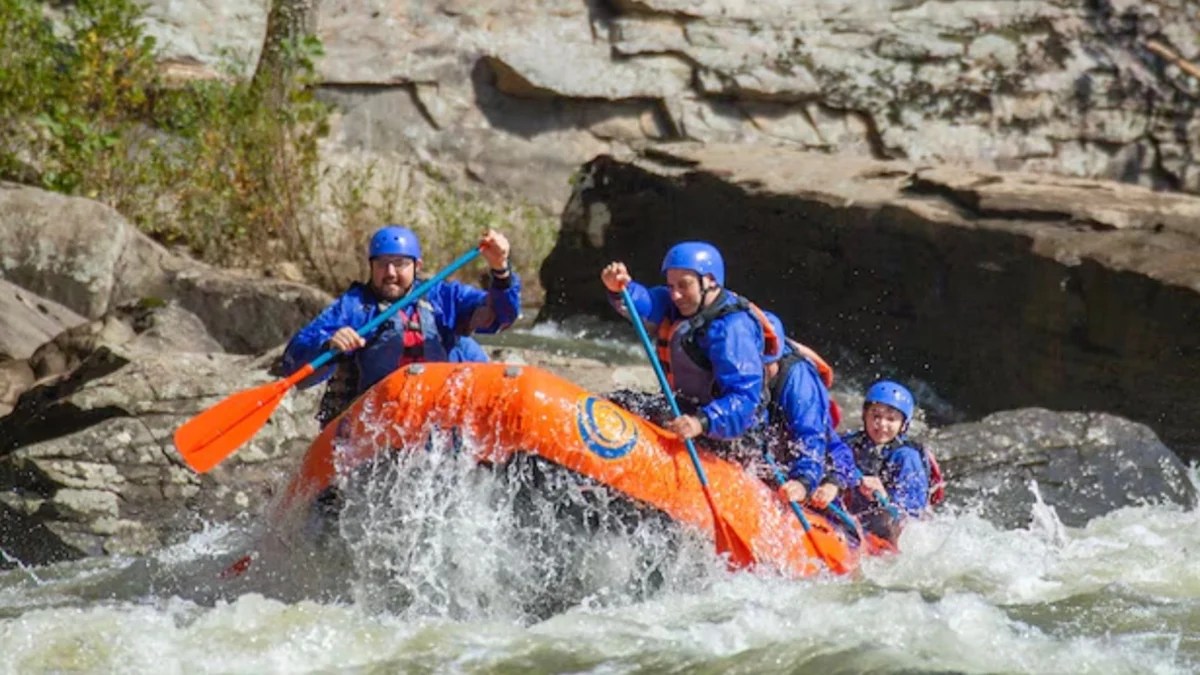
The phrase “taking the waters” has for centuries served as a shorthand for the pursuit of health and social status among the global elite. Originating in European spa towns—referred to as prendre les eaux in France and heilwasser trinken in Germany—the practice involved traveling to mineral-rich springs to bathe in and ingest thermal waters believed to possess curative properties. In the United States, this tradition took root in the late 18th century, centering on grand mountain retreats like The Greenbrier in West Virginia. However, a significant shift in the American hospitality landscape is currently underway. While the architecture and formal service of these "grande dame" hotels remain intact, the definition of wellness has evolved from passive relaxation to high-octane physical engagement.
The Transformation of the Greenbrier Legacy
Founded in 1778, The Greenbrier is a National Historic Landmark nestled in the Allegheny Mountains. For over two centuries, it served as a sanctuary for presidents, royalty, and celebrities who arrived to socialize and recuperate. The resort’s aesthetic, famously defined by the bold, floral interior designs of Dorothy Draper, continues to feature patterned carpets, grand chandeliers, and a staff known for white-glove service. Despite this preservation of tradition, the guest experience is undergoing an active overhaul.
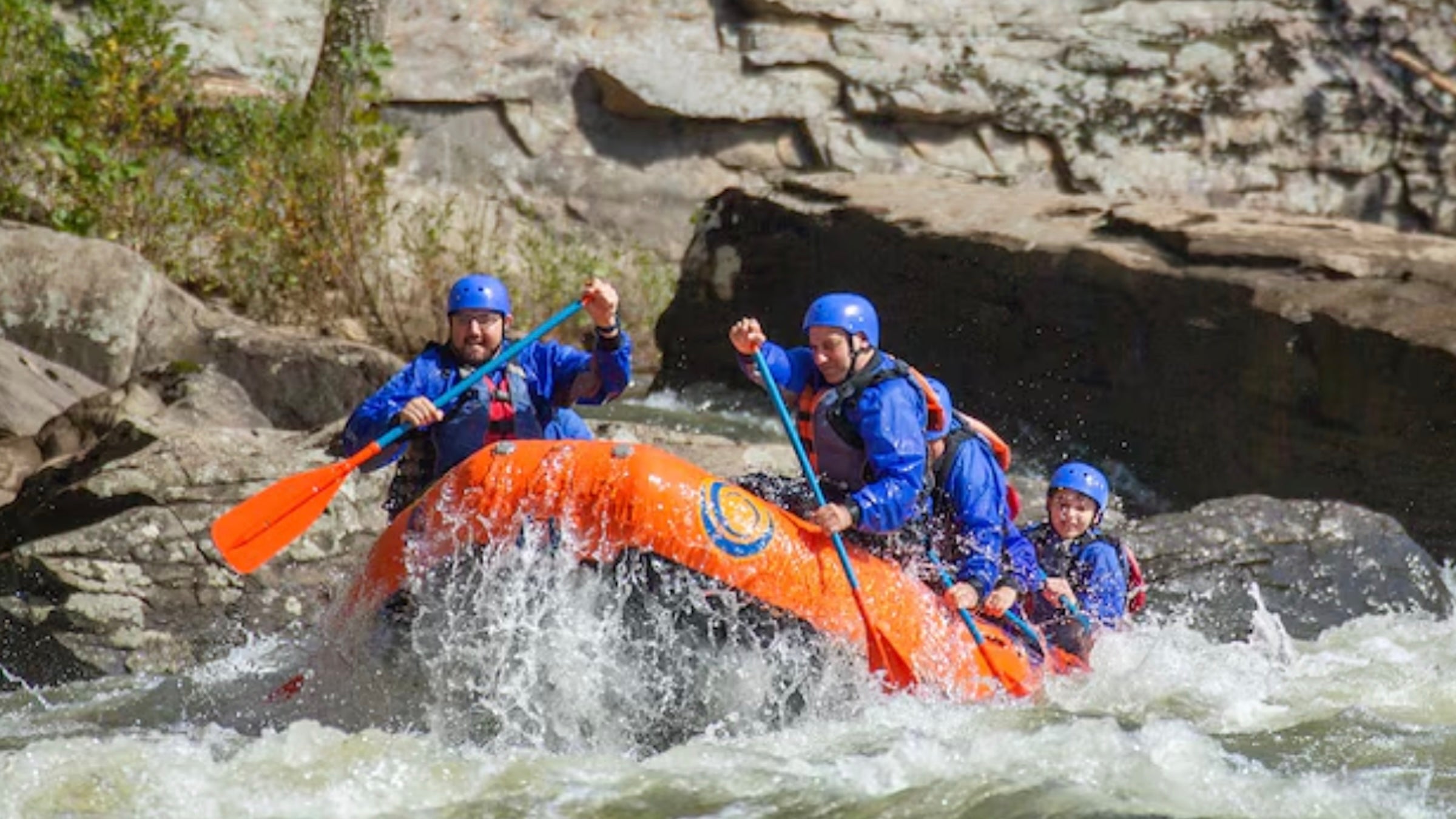
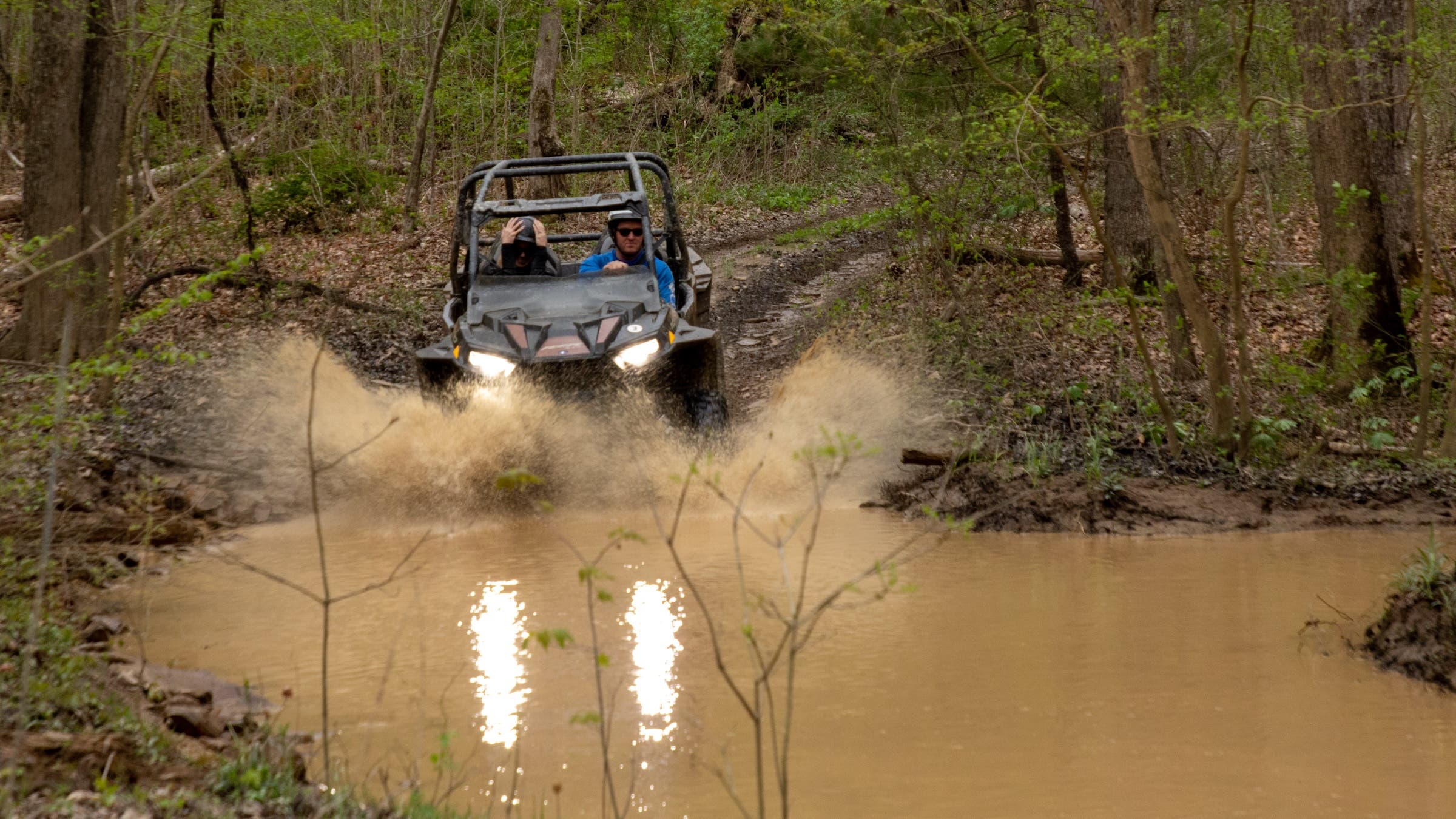
In recent years, the resort’s concierge desks, once primarily hubs for scheduling spa treatments or afternoon tea, have become centers for adventure coordination. While formal dinners and mint juleps beneath the lobby’s grand chandeliers remain staples of the evening routine, the daytime itinerary for modern guests has shifted toward white-water rafting, Polaris RZR driving adventures, and aerial adventure courses.
According to Cam Huffman, the Director of Public Relations for The Greenbrier, this transition is a direct response to changing consumer demands. "We’re seeing a shift in how our guests want to experience the resort," Huffman stated. "Guests are still looking to us for a relaxing escape in the mountains, but relaxing doesn’t mean ‘doing nothing,’ like it once did. More and more Greenbrier guests want something that will get their adrenaline pumping a bit. They want adventures and they want spa time." This pursuit of "balance" has led the property to integrate activities such as paintball, mountain biking, and a "mountaineer experience" featuring archery and tomahawk throwing.
A National Trend in Historic Hospitality
The Greenbrier is not an isolated case. Across the United States, historic properties that were once defined by their proximity to mineral springs or their status as seasonal retreats are rebranding themselves as hubs for "soft adventure"—a term used by the travel industry to describe outdoor activities that provide a thrill without requiring expert-level skills.
The Midwest: French Lick Resort, Indiana
Established in 1845, the French Lick Resort gained international fame for its "Pluto Water," a mineral water so popular it was bottled and distributed nationwide. While the resort maintains its historic charm and mineral baths, its recent capital investments have focused on active recreation. The property recently debuted a catch-and-release fishing pond and an expanded network of hiking trails. Furthermore, it has positioned itself as a competitive sports venue, hosting regular pickleball tournaments, archery competitions, and collegiate baseball spring training sessions.
The Rockies: Glenwood Hot Springs Resort, Colorado
In Glenwood Springs, the Glenwood Hot Springs Resort has operated its iconic Grand Pool since 1888. Historically, the pool was used for soaking and therapeutic wading. Today, a significant portion of the historic pool has been dedicated to lap swimming to accommodate fitness-conscious travelers. The resort has also expanded its reach by offering "adventure packages" that bundle overnight stays with snow skiing and access to the Glenwood Canyon Adventure Park, effectively linking the historic spa experience with the state’s robust outdoor industry.
The Ozarks: 1886 Crescent Hotel, Arkansas
The 1886 Crescent Hotel in Eureka Springs, often marketed for its storied past and purported hauntings, is now targeting the burgeoning mountain biking community. The hotel recently launched a specialized adventure package offering discounted rates for cyclists. Through a strategic partnership with the local park system, the hotel also provides guests with exclusive access to the Grotto Cave, turning a stay at a 19th-century hotel into a gateway for geological exploration.
Coastal Resorts and the Modern "Seaside" Experience
The shift toward activity is equally prevalent in coastal destinations. The Casa Marina Key West, a Curio Collection by Hilton property, opened its doors in 1920 as a seasonal retreat for the wealthy. It recently underwent a transformation of its private beach—the largest in Key West—to serve as a launching pad for jet skiing, parasailing, and sportfishing.
Similarly, Congress Hall in Cape May, New Jersey, which bills itself as "America’s First Seaside Resort," began as a simple boarding house in 1816. While it remains a bastion of Victorian-era elegance, its modern offerings include surfing packages featuring private lessons with expert instructors. This represents a departure from the mid-20th-century model of the "beach holiday," which focused almost exclusively on sunbathing and light swimming.
Analyzing the Data: The Rise of the "Active Historian"
The trend of integrating adventure into historic settings is backed by recent consumer data. A 2026 study conducted by the Adventure Travel Trade Association (ATTA), the world’s largest network of adventure travel leaders, found that 66 percent of American travelers now seek to combine physical activity and nature with local culture and lore.
Heather Kelly, the Director of Research and Knowledge for the ATTA, notes that historic properties possess a unique competitive advantage in the modern market. "Historic properties are especially appealing to travelers who are motivated as much by story and sense of place as by activity," Kelly explained. "What our recent research shows is that guests want to hike, raft, or bike, but they also want context. History, heritage, and connection. Staying in a property with character deepens the entire journey, turning a day of outdoor activity into a more meaningful, place-based experience."
This data suggests that the modern traveler is no longer satisfied with a "generic" adventure. A mountain bike ride is perceived as more valuable when it takes place on the grounds of a 200-year-old estate, and a kayaking trip carries more weight when it begins at a resort where U.S. presidents once sought refuge.
Longevity and Adaptation at the Omni Homestead
Perhaps no property exemplifies the marriage of deep history and modern activity better than the Omni Homestead Resort in Hot Springs, Virginia. With a history spanning more than 250 years, the Homestead is one of the oldest resorts in North America. While its thermal springs remain a central draw, the resort’s recreation department has seen a surge in participation for more rigorous pursuits.
Mark Houseman, the Director of Recreation for the Omni Homestead, reported that the Cascades Gorge hike—a challenging trek featuring multiple waterfalls—remains the resort’s most popular activity. Houseman also noted a significant increase in interest in fly fishing since 2023, reflecting a broader national trend of travelers seeking "high-skill" outdoor hobbies during their vacations.
The resort’s ability to cater to multi-generational families is a key component of its survival. By offering a spectrum of activities—from beginner-level skiing and ziplining to axe-throwing and kayaking—the Homestead ensures that it remains relevant to younger demographics who may find the traditional "spa-only" model outdated.
Broader Implications for the Hospitality Industry
The evolution of these historic resorts indicates a broader shift in the "experience economy." As travelers increasingly prioritize memories and physical achievements over material luxury, legacy hotels must adapt or risk becoming relics.
This transition also has significant economic implications for the regions surrounding these resorts. By expanding their offerings to include year-round activities like mountain biking, hiking, and indoor sports, these properties are reducing their reliance on seasonal tourism. This provides more stable employment for local staff and drives consistent revenue into rural mountain and coastal economies.
Furthermore, the integration of adventure tourism helps preserve the historical integrity of these properties. The revenue generated from high-demand activities like off-roading tours or guided fishing often funds the expensive upkeep required for National Historic Landmarks. In this sense, the "new way" of taking the waters is not just a marketing pivot—it is a preservation strategy.
As the definition of wellness continues to expand, the American "grande dame" hotel is proving to be remarkably resilient. By blending the formal elegance of the 18th and 19th centuries with the adrenaline-fueled demands of the 21st, these iconic resorts are ensuring that the phrase "taking the waters" remains a relevant part of the American travel lexicon for centuries to come.



 Chandra Hamzah
 Tatiana Tantri Indah Sari
 Budi Mulyono
