
 Walid Sujud Trenggono
Melbourne Airport, the primary international and domestic gateway to the state of Victoria, has undergone a significant strategic shift in its ground transport operations to accommodate the surging demands of post-pandemic travel. As passenger volumes at Tullamarine continue to trend toward record highs, the airport’s management has prioritized the refinement of its parking infrastructure, specifically focusing on the "Premium Self Park" tier. This high-specification parking solution is designed to mitigate the logistical friction often associated with the transition from vehicle to terminal, providing a structured, undercover environment that aligns with the needs of corporate travelers, families, and long-term holidaymakers. By positioning these facilities on Level 1 of the primary parking structures, Melbourne Airport is effectively addressing the critical "last mile" of the traveler’s journey, ensuring that proximity and weather protection are no longer variables but constants in the airport experience.
The Strategic Configuration of Premium Self Park Facilities
The architectural layout of Melbourne Airport’s parking ecosystem is divided into specific zones to cater to the distinct needs of various airline hubs. The Premium Self Park offering is strategically bifurcated to serve the two major clusters of terminals. For passengers utilizing Qantas, Virgin Australia, or any of the international carriers operating out of Terminal 2, the Premium Self Park is situated on Level 1 of the T123 car park. This location is characterized by its direct integration with the terminal precinct via a covered link bridge, which serves as a weather-shielded conduit for pedestrians. This design choice is particularly significant given Melbourne’s notoriously volatile weather patterns, ensuring that the transition from a private vehicle to the check-in hall remains climate-controlled and efficient.
In contrast, passengers flying with budget or regional carriers, including Jetstar, Rex, and Link Airways, are directed toward the T4 parking structure. The Premium Self Park option on Level 1 of the T4 facility is located approximately 100 meters from the terminal entrance. While this requires a short walk, the proximity remains superior to standard long-term or value-based parking options. The consolidation of these premium bays on the first level of both major car parks reflects a deliberate effort to minimize the time spent navigating multi-story ramps, thereby reducing vehicle idling and improving the overall flow of traffic within the airport’s internal road network.
Technological Integration and the Evolution of Online Booking
The modernization of Melbourne Airport’s parking services is heavily reliant on a robust digital infrastructure. Central to this is the online booking platform, which has transitioned from a simple reservation tool to a comprehensive management system for travelers. One of the most notable features introduced to enhance consumer flexibility is the two-hour grace period. This policy applies to all online bookings for stays exceeding four hours, providing a two-hour buffer both before the scheduled entry time and after the scheduled exit time.
In the context of modern aviation, where flight delays and traffic congestion are persistent risks, this grace period serves as a critical safety net. It acknowledges the inherent unpredictability of air travel, allowing passengers to manage unexpected shifts in their itinerary without incurring immediate financial penalties or logistical complications at the boom gates. From an operational standpoint, this flexibility encourages travelers to book in advance, which in turn allows the airport to better predict occupancy rates and manage staffing levels across its ground transport division.
Data and Context: The Growing Demand for Seamless Infrastructure
To understand the necessity of enhanced parking solutions like Premium Self Park, one must examine the broader context of Melbourne Airport’s growth. According to recent performance data, Melbourne Airport has seen a robust recovery in passenger traffic, with monthly figures often exceeding 3 million passengers across domestic and international sectors. In the 2023-2024 financial year, the airport facilitated tens of millions of journeys, placing immense pressure on existing ground transport links.
While the proposed Melbourne Airport Rail Link remains a subject of ongoing inter-governmental negotiation and long-term planning, the immediate burden of transport falls on road-based solutions. Private vehicles and ride-sharing services remain the dominant modes of arrival. Consequently, the efficiency of the parking system is a primary driver of overall customer satisfaction. Market research indicates that the "stress of arrival" is one of the highest-rated pain points for travelers; by offering a premium, guaranteed spot close to the terminal, the airport is effectively monetizing convenience while simultaneously decongestating the drop-off zones, which are frequently prone to gridlock during peak morning and evening banks.
Analysis of Implications: Professional and Family Travel
The implications of these parking upgrades extend beyond simple convenience; they represent a targeted approach to different market segments. For the corporate traveler, for whom time is a quantifiable commodity, the ability to park on Level 1 and walk directly into Terminal 1 or 3 facilitates a "door-to-gate" speed that is competitive with ride-sharing services, without the uncertainty of waiting for a vehicle arrival.
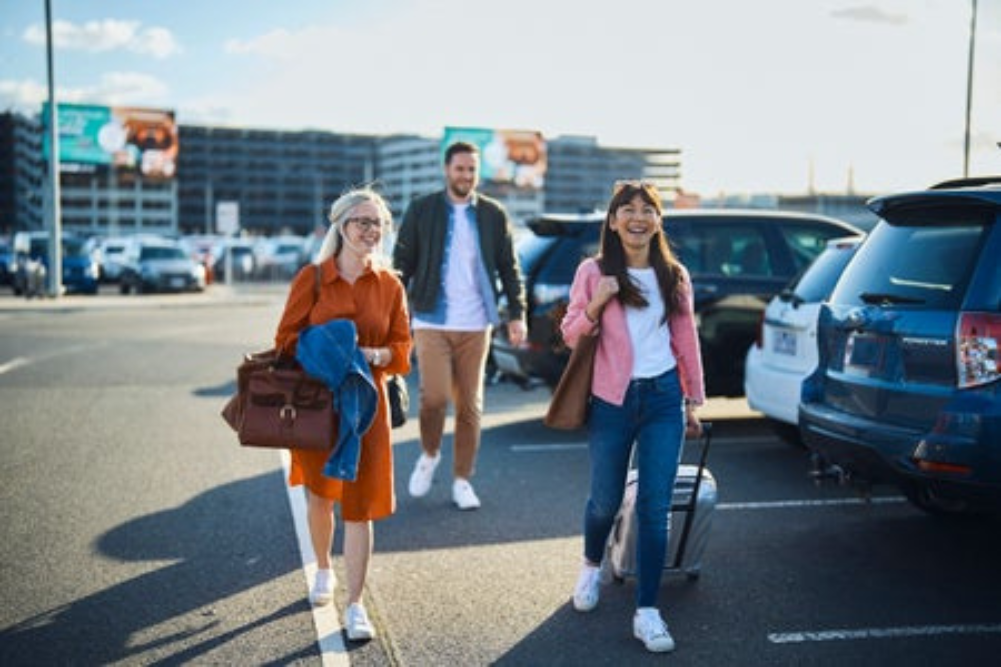
For families, the undercover nature of Premium Self Park is a significant logistical advantage. Managing luggage, strollers, and young children in an open-air environment during rain or extreme heat can significantly degrade the travel experience. By providing sheltered access and minimizing the walking distance, the airport reduces the physical toll on traveling groups. This focus on "ease of use" is a core component of the airport’s broader strategy to position itself as a world-class facility that prioritizes passenger well-being alongside operational throughput.
Official Responses and Operational Philosophy
While specific quotes from current executives are often reserved for quarterly earnings reports, the operational philosophy communicated through Melbourne Airport’s infrastructure investments speaks to a commitment to "frictionless travel." A spokesperson for the airport’s ground transport division has previously noted that the goal of the parking department is to provide a variety of products that cater to different price points and needs, with the Premium tier serving as the flagship for reliability and speed.
The airport’s management has historically emphasized that every minute saved in the car park is a minute that a passenger can spend in the terminal’s retail and dining precincts. Thus, the investment in Premium Self Park is not merely an exercise in parking management but a holistic move to improve the commercial ecosystem of the airport. By making the arrival process as brief and orderly as possible, the airport ensures that passengers enter the terminal in a relaxed state, ready to engage with the services provided within the departures hall.
Chronology of Parking Infrastructure Development
The development of the current parking suite at Melbourne Airport is the result of a multi-year master plan.
- 2010s: The expansion of the T4 precinct necessitated the construction of a massive new multi-level car park to support the growth of low-cost carriers.
- 2018-2019: Pre-pandemic, the airport began a digital overhaul, moving toward a dynamic pricing model for online bookings to better manage demand during school holidays and peak business periods.
- 2021-2022: During the period of reduced flight activity, the airport took the opportunity to refurbish several parking levels, including the installation of better lighting, clearer wayfinding signage, and the integration of license plate recognition (LPR) technology.
- 2024 and Beyond: The focus has shifted toward the "Premium" experience, recognizing a growing consumer preference for guaranteed convenience and the "self-park" model, which allows travelers to retain their keys and maintain control over their vehicle throughout their trip.
Broader Impact on Melbourne’s Transport Landscape
The efficiency of Melbourne Airport’s parking system has a ripple effect on the surrounding infrastructure. Tullamarine Freeway, the primary arterial link to the airport, is highly sensitive to traffic flow within the airport’s internal loops. When parking is difficult to find or navigate, "recirculation"—the act of drivers circling the airport while waiting for arrivals—increases. Premium Self Park, by providing a clear, designated destination for high-intent travelers, helps reduce this unnecessary circulation.
Furthermore, as Melbourne Airport prepares for the construction of its third runway, the demand for sophisticated ground transport will only increase. The third runway is expected to significantly expand the airport’s capacity, potentially bringing the total annual passenger count toward 60 million by 2043. Infrastructure like the Premium Self Park facilities on Level 1 serves as a blueprint for how the airport intends to scale its services: by prioritizing vertical density and technological integration to ensure that even as the airport grows, the human experience remains manageable and organized.
In conclusion, the Premium Self Park option at Melbourne Airport is more than a mere parking upgrade; it is a vital component of the airport’s logistical framework. By combining physical proximity to terminals with a sheltered environment and a flexible digital booking system, Melbourne Airport is addressing the complex needs of a diverse traveling public. As the aviation industry continues to evolve, the emphasis on a structured, stress-free start to the journey will remain a cornerstone of the airport’s operational success, ensuring that "Melbourne Airport" remains synonymous with efficiency and traveler-centric design.



 Anjar Salim
 Chandra Hamzah
 Tatiana Tantri Indah Sari
 Budi Mulyono
 Lukman Taruna Persada Ramadan
