
 Anjar Salim
The global textile industry is currently undergoing a significant shift as consumers and manufacturers increasingly pivot away from synthetic polymers in favor of traditional natural fibers. This transition marks a departure from a decades-long reliance on petroleum-based materials, which currently account for approximately two-thirds of all clothing produced worldwide. While the mid-20th century heralded the arrival of polyester and nylon as miracle fabrics due to their durability, vibrancy, and wrinkle-resistant properties, the contemporary landscape is defined by a growing awareness of the environmental and physiological drawbacks of "plastic clothing." Industry data indicates that the shedding of microplastics during laundering—releasing hundreds of thousands of synthetic fibers into the water supply per wash—has become a primary driver for the revitalization of hemp, linen, and wool.
The Historical Dominance of Synthetics and the Shift Toward Natural Materials
The trajectory of the modern garment industry began its most drastic transformation in the 1950s. During this era, polyester was marketed as a revolutionary solution to the labor-intensive maintenance required by natural fibers. By the 1970s, synthetic blends had become the industry standard, facilitating the rise of "fast fashion"—a business model predicated on high-volume production and low-cost materials. However, as the ecological impact of non-biodegradable waste and microplastic pollution has become quantifiable, a "new-old" paradigm is emerging.
In the 2020s, a movement toward "slow fashion" and performance-grade natural textiles has gained momentum. While high-performance synthetics like PrimaLoft Gold and various GORE-TEX iterations remain staples in the extreme outdoor industry for their specific technical capabilities, there is a burgeoning market for natural materials that offer breathability, sustainability, and biodegradability. This movement seeks to reclaim the "solutions" offered by traditional textiles that were largely forgotten during the synthetic boom.
Industrial Hemp: A High-Performance Alternative to Cotton
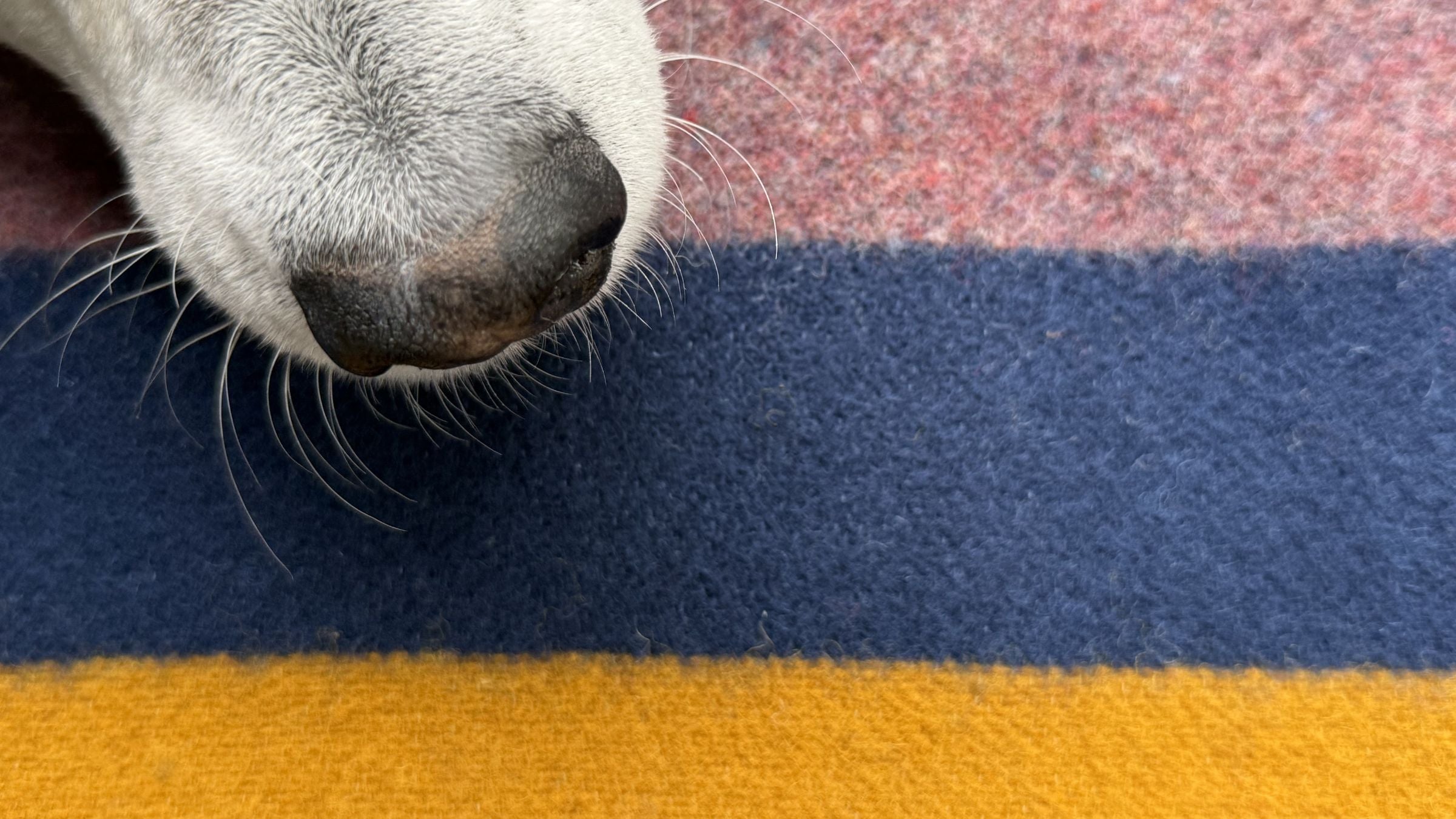
Hemp (Cannabis sativa) has re-emerged as a cornerstone of the sustainable textile movement, particularly following legislative changes such as the 2018 Farm Bill in the United States, which decoupled industrial hemp from its psychoactive counterparts. Hemp fibers are notably robust, possessing approximately five times the tensile strength of cotton. Furthermore, hemp is naturally odor-resistant, a property attributed to its antimicrobial characteristics, making it an ideal candidate for both casual and performance wear.
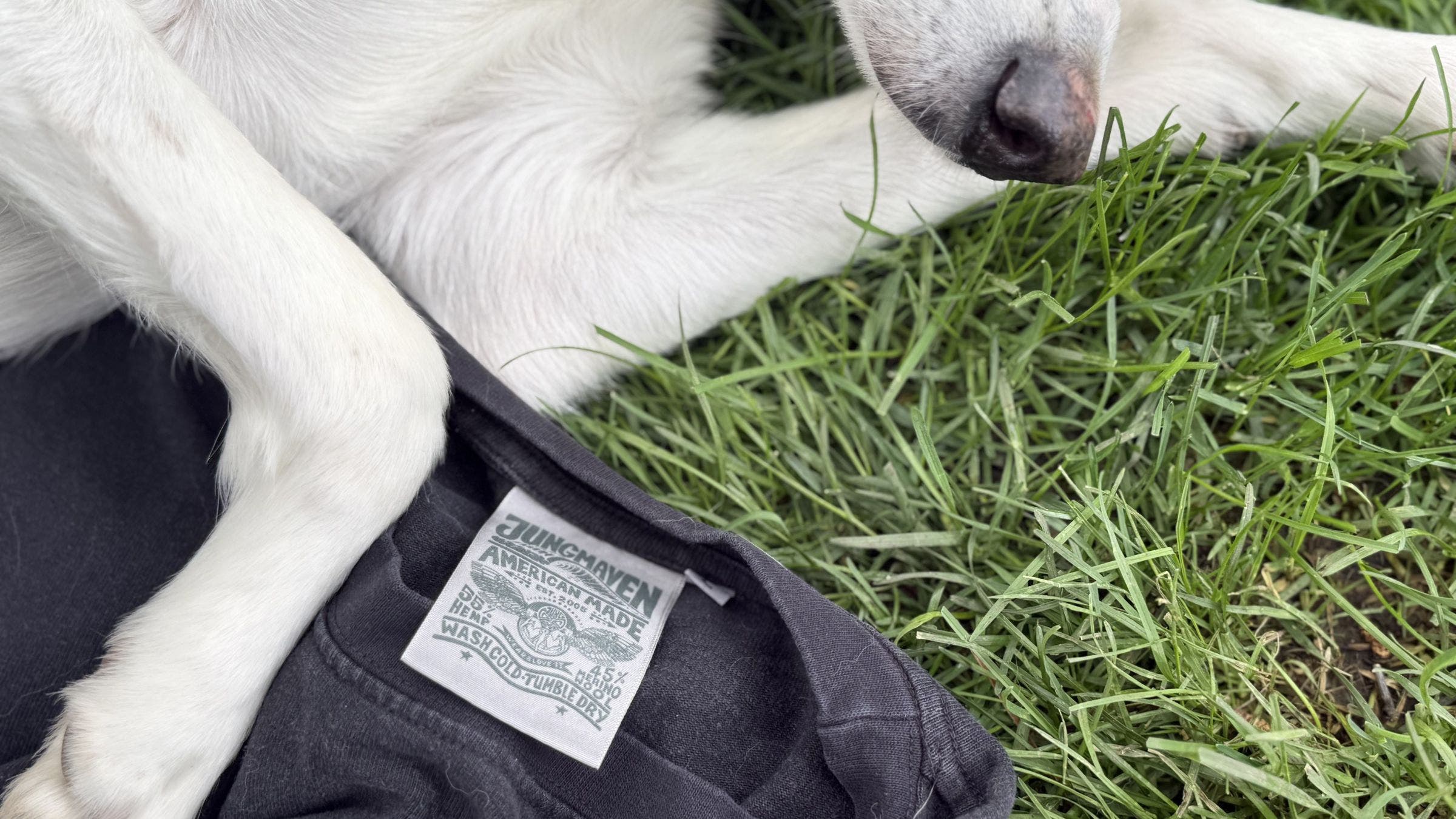
Market analysis of brands like Jungmaven reveals a tiered approach to hemp integration. The tactile experience of hemp is defined by its density and "drape"—the manner in which the fabric hangs on the body. A 30/70 hemp-cotton blend, such as that found in the Ojai T-shirt, provides a texture reminiscent of softened vintage apparel while maintaining a weight slightly superior to standard cotton. In contrast, 100 percent hemp fabrics, such as the Mana 10, offer a startling density that serves as a durable shield against wear and tear.
From an environmental standpoint, hemp requires significantly less water than cotton and can be grown without the heavy use of pesticides. It also acts as a carbon sink, sequestering more CO2 per hectare than most forests. As the industry moves toward 2030 sustainability goals, hemp is increasingly viewed as a viable replacement for synthetic mid-layers. Brands like Astral have successfully integrated 55/45 hemp-recycled polyester or hemp-cotton blends into products like the Sunrise Hemp Hoodie, demonstrating that natural fibers can achieve the longevity required for outdoor gear.
Linen: The Engineering of Flax-Based Textiles
Linen, derived from the flax plant, represents one of the oldest known textiles in human history. Unlike synthetic fabrics that rely on chemical coatings for moisture management, linen is naturally hygroscopic, meaning it can absorb up to 20 percent of its weight in moisture before feeling damp. This makes it an essential material for high-temperature climates and summer-weight gear.
The quality of linen is determined by the length of the flax fibers and the density of the weave, measured in grams per square meter (gsm). Low-end linen often utilizes short-staple fibers, resulting in a rougher texture and a propensity for pilling. Conversely, high-quality linen, such as the 210 gsm fabric used in Siskin’s Hawthorne trousers, utilizes long-staple fibers that soften over time without compromising structural integrity.
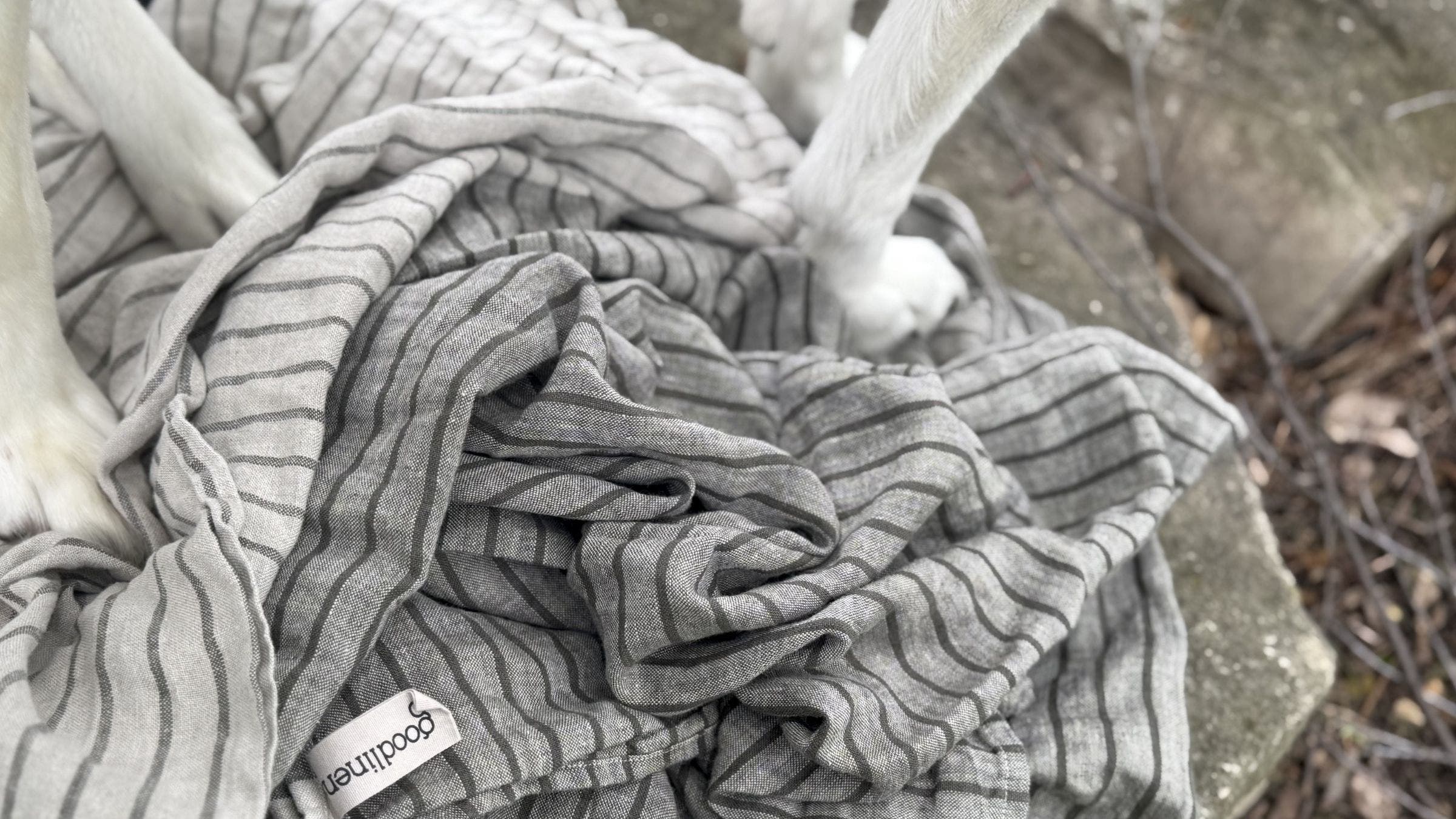
One of the defining characteristics of linen and hemp is their lack of elasticity compared to cotton or spandex-blended synthetics. While these materials may stretch slightly during a day of wear, they "snap back" to their original dimensions upon laundering. This lack of synthetic stretch requires more precise tailoring but results in a garment that does not lose its shape over years of use. Furthermore, the versatility of linen is highlighted in multi-functional items like the Goodlinen Beach Blanket. The use of long-fiber linen allows for a textile that is thin enough to be translucent and quick-drying, yet durable enough to serve as a ground cover, towel, or protective wrap.
Shearling and Wool: Traditional Insulation in the Modern Era
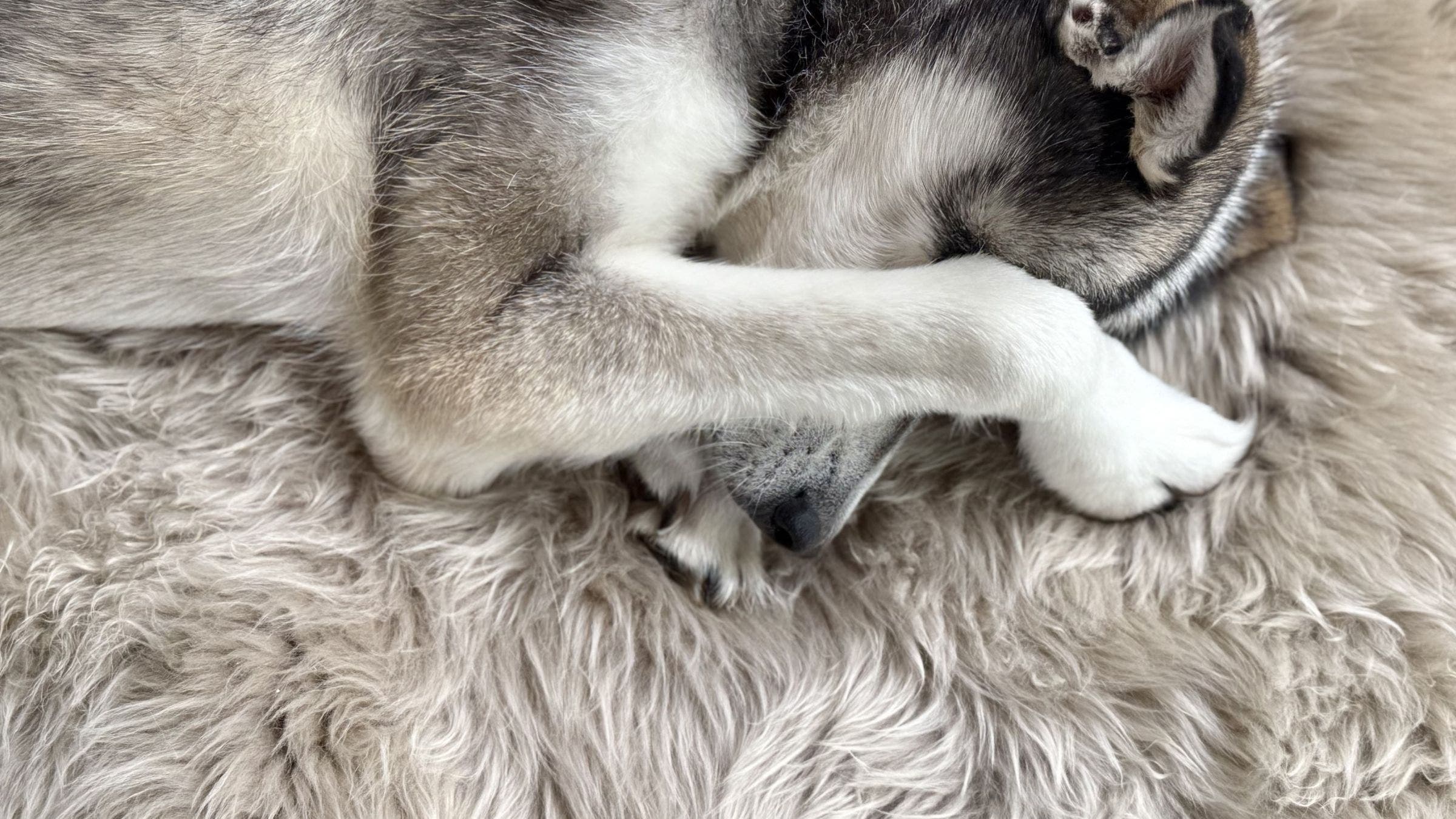
In the realm of thermal regulation, natural animal fibers remain a benchmark for performance. Shearling—the skin of a sheep with the wool still attached—offers a level of insulation and moisture wicking that synthetic "faux-fur" or fleece struggle to replicate. In regions with extreme climates, such as Scandinavia, sheepskins have historically been utilized for everything from lining baby strollers to providing insulation in dogsleds.
The technical advantage of shearling lies in the structure of the wool fibers, which can trap significant amounts of air, creating a thermal barrier. Additionally, wool is naturally flame-retardant and odor-resistant due to the presence of lanolin. Maintenance of these materials, while different from synthetics, is straightforward; matting can be reversed using a wire pet brush, a process that restores the loft and insulative properties of the fibers.
Premium providers like Overland produce multi-pelt sheepskin rugs that are increasingly being repurposed by the "overlanding" and car-camping communities. While too heavy for traditional backpacking, these natural insulators provide superior warmth on frozen ground compared to many inflatable synthetic pads. The durability of such items is high, provided they are kept dry and aired out, representing a lifetime investment rather than a disposable consumer good.
Technical Construction and the Longevity of Natural Goods
The durability of a garment is not solely a product of its raw material but is also dictated by the mechanics of its construction. Textile engineers distinguish between different types of looms and weaving patterns to determine the end-use of a fabric. For instance, Pendleton’s wool products illustrate the difference between aesthetic and functional durability.
Most modern wool blankets are produced on jacquard looms, which allow for intricate, multi-colored designs. However, these designs often require "floats"—segments where the thread skips over several others. Long floats are susceptible to snagging when used in rugged environments. In contrast, shuttle looms, used for products like the Yakima camp blankets, produce shorter floats, resulting in a tighter, more snag-resistant weave suitable for outdoor use.
The "visible mending" movement, including techniques such as Japanese sashiko, has also seen a resurgence alongside the rise of natural fibers. Because natural fibers like hemp and linen "wear in" rather than "wear out" in the brittle fashion of old plastic, they are more amenable to repair. This cultural shift toward mending is a direct response to the "throwaway" nature of synthetic fast fashion.
Economic and Environmental Implications
The transition back to natural fibers carries significant economic implications. While the initial price point for high-quality hemp or linen is often higher than that of mass-produced polyester, the "cost per wear" is frequently lower due to the extended lifespan of the garments. Furthermore, the "thriftability" of natural fibers remains high; wool and linen maintain their value and functionality in the secondary market far better than degraded synthetic blends.
Environmental data suggests that if the global textile industry increased its use of natural fibers by just 10 percent, it could prevent millions of tons of microplastic pollution from entering the oceans annually. Moreover, at the end of their lifecycle, 100 percent natural garments are biodegradable, unlike their plastic counterparts which may persist in landfills for centuries.
Conclusion: The Future of the Textile Industry
As of 2026, the resurgence of natural fibers is no longer a niche trend but a significant market correction. The "miracle" of 1950s synthetics has been re-evaluated through the lens of long-term ecological health and consumer comfort. While polyester and specialized synthetics will continue to hold a place in high-performance technical apparel, the daily wardrobe is increasingly returning to its roots. By integrating the structural strength of hemp, the breathability of linen, and the insulative power of wool, the textile industry is finding that the solutions to modern problems—pollution, waste, and skin irritation—were present in traditional materials all along. The movement toward these materials reflects a broader societal shift toward intentional consumption, where the story of a garment’s origin and its eventual return to the earth are as important as its immediate utility.




 Chandra Hamzah
 Tatiana Tantri Indah Sari
 Budi Mulyono
