
 Chandra Hamzah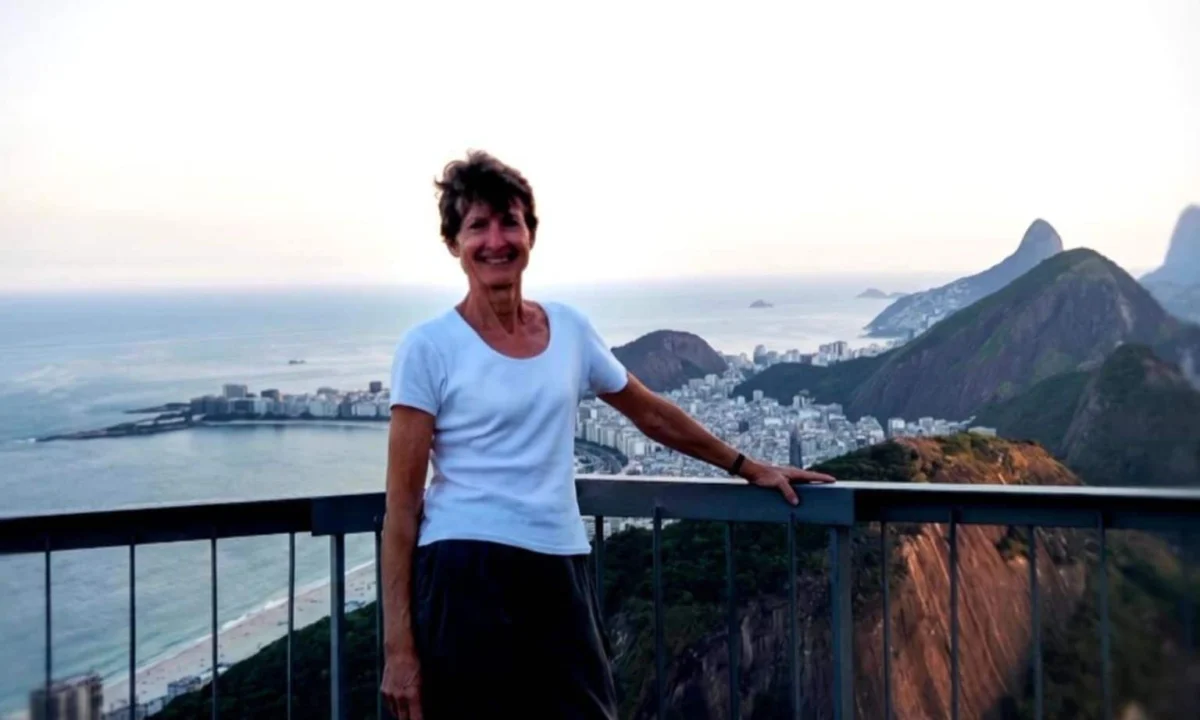
Almost six months have passed since the devastating loss of Suzanne Rees, an 81-year-old Australian woman who perished alone on Lizard Island during a cruise excursion. The circumstances surrounding her death remain shrouded in a veil of unanswered questions, amplified by recent revelations from a Channel 9 60 Minutes investigation. These revelations highlight what the family describes as a distressing lack of communication and accountability from Coral Expeditions and its parent company, NRMA, particularly the astonishing fact that Suzanne’s daughter had to request a refund for a trip her mother never completed.
The tragedy unfolded during a Coral Expeditions cruise around Australia. Suzanne Rees was participating in an organized hiking excursion on Lizard Island, a jewel of the Great Barrier Reef, when she began to feel unwell. Reports indicate that the elderly passenger was allegedly instructed to return down a challenging trail to await the group on the beach. Tragically, it appears she became disoriented and failed to reach the designated meeting point. In a shocking turn of events, the cruise ship, the Coral Adventurer, departed without her, only realizing her absence approximately five hours later. Suzanne Rees sadly succumbed to heatstroke, dying alone on the remote island.
A Timeline of Tragedy and Neglect
The initial notification of the incident to Suzanne Rees’s family was marked by a profound lack of urgency and clarity, according to her daughter, Kate Rees, and her husband, Andrew Cowie. The first indication that something was gravely wrong came not from the cruise company, but from Queensland police, who visited Kate’s home to inquire if her mother was present. This unexpected visit was the harbinger of devastating news.
"We had one contact from the company on Sunday, six hours after she was discovered," Cowie recounted to 60 Minutes, painting a picture of a prolonged period of silence. "Then we didn’t hear anything for two days, then we had a phone call from the CEO of the cruise company, saying that he’d been away travelling." This explanation, coupled with the delay in communication, left the family feeling marginalized. "Then we did get contact from NRMA, but by then we felt like a loose end that needed to be tied," Cowie added, articulating the family’s sense of being an afterthought.
The family’s distress was compounded by the fact that they still lacked fundamental details about the incident. When questioned about the cruise company’s realization of Suzanne’s absence, the couple stated, "We don’t know, they haven’t told us. Reports were that she was obviously missing at dinner and that’s when they realised." This admission underscores a significant communication breakdown and a perceived lack of transparency from Coral Expeditions.
The Disputed Refund: A Symbol of Indifference?
Perhaps one of the most galling aspects of the aftermath, as revealed by Kate Rees, is that she had to proactively seek a refund for her mother’s $30,000 cruise fare. This demand was prompted by a media report indicating that all other passengers on the voyage were to receive their money back.
"It’s also good that in the paper they mentioned that they would be refunding everyone’s passage, but they didn’t refund Sue’s," Kate expressed with evident dismay. "I had to ask them to refund that money. For the trip that she didn’t actually get to go on." The necessity of making such a request, she described, was deeply upsetting. "I was pretty horrified that I actually had to ask. It’s like ripping the band-aid back off again," she lamented, highlighting the emotional toll of having to advocate for basic financial restitution in the wake of such a profound personal loss.
Ongoing Investigations and Legal Scrutiny
The Australian Maritime Safety Authority (AMSA) has confirmed that investigations into Suzanne Rees’s death are ongoing. However, no definitive findings have been publicly disclosed to date. The legal ramifications of the incident are being navigated by the family with the assistance of Adam Cutri, a commercial disputes lawyer.
"From a legal perspective, it’s difficult to know what happened, or how it happened," Cutri stated during the 60 Minutes segment. Despite the investigative complexities, he emphasized a crucial point: "However, he called it ‘indisputable’ that Suzanne did not make a choice to be left behind." This statement underscores the family’s contention that Suzanne was a victim of circumstances and potentially negligence, not a willing participant in her own abandonment.
Coral Expeditions’ Acknowledgment and New Safety Measures
In response to the unfolding scrutiny, Coral Expeditions has issued a statement acknowledging failures in their safety procedures on the day of the incident. The company has stated that it has since implemented new safety measures to prevent a recurrence.
"The death of Suzanne Rees on Lizard Island was devastating," the statement read. "We are deeply sorry to Ms Rees’ family for their loss and the distress and hurt her death has caused. While Coral Expeditions had comprehensive safety systems and procedures in place, we acknowledge some of these were not adequately implemented on this tragic day."
The company further expressed the profound impact of the event on its staff. "Ms Rees’ death has shocked our people to the core and we will continue to co-operate fully with the ongoing investigations. Coral Expeditions has introduced additional systems and procedures to further strengthen protections for our guests."
Broader Implications: Safety, Accountability, and the Travel Industry
The tragic death of Suzanne Rees raises critical questions about safety protocols on adventure excursions, particularly for elderly passengers. The incident highlights the paramount importance of robust passenger tracking and communication systems for cruise operators. The delay in realizing Rees was missing and the subsequent handling of communication with the family suggest potential systemic issues within Coral Expeditions’ incident response procedures.
The fact that a refund had to be requested, despite the undeniable fact that the deceased passenger did not experience the full itinerary of the trip, points to a potential disconnect between customer service expectations and the company’s operational reality, especially in crisis situations. While Coral Expeditions has pledged to improve safety measures, the family’s experience underscores the deep-seated emotional and practical impact of such incidents on those left behind.
The ongoing investigations by AMSA are crucial in determining the precise chain of events and identifying any regulatory breaches. The legal actions being pursued by the family, with the support of Mr. Cutri, will seek to establish accountability and ensure that such a preventable tragedy does not befall another family. The case serves as a stark reminder for the entire travel industry of the absolute necessity of prioritizing passenger safety, maintaining clear and compassionate communication during emergencies, and upholding a high standard of care for all guests, regardless of age or physical condition. The pursuit of truth and justice for Suzanne Rees continues, with the hope that her tragic story will lead to meaningful changes and prevent future heartbreak.



 Anjar Salim
 Tatiana Tantri Indah Sari
 Budi Mulyono
