
 Tatiana Tantri Indah Sari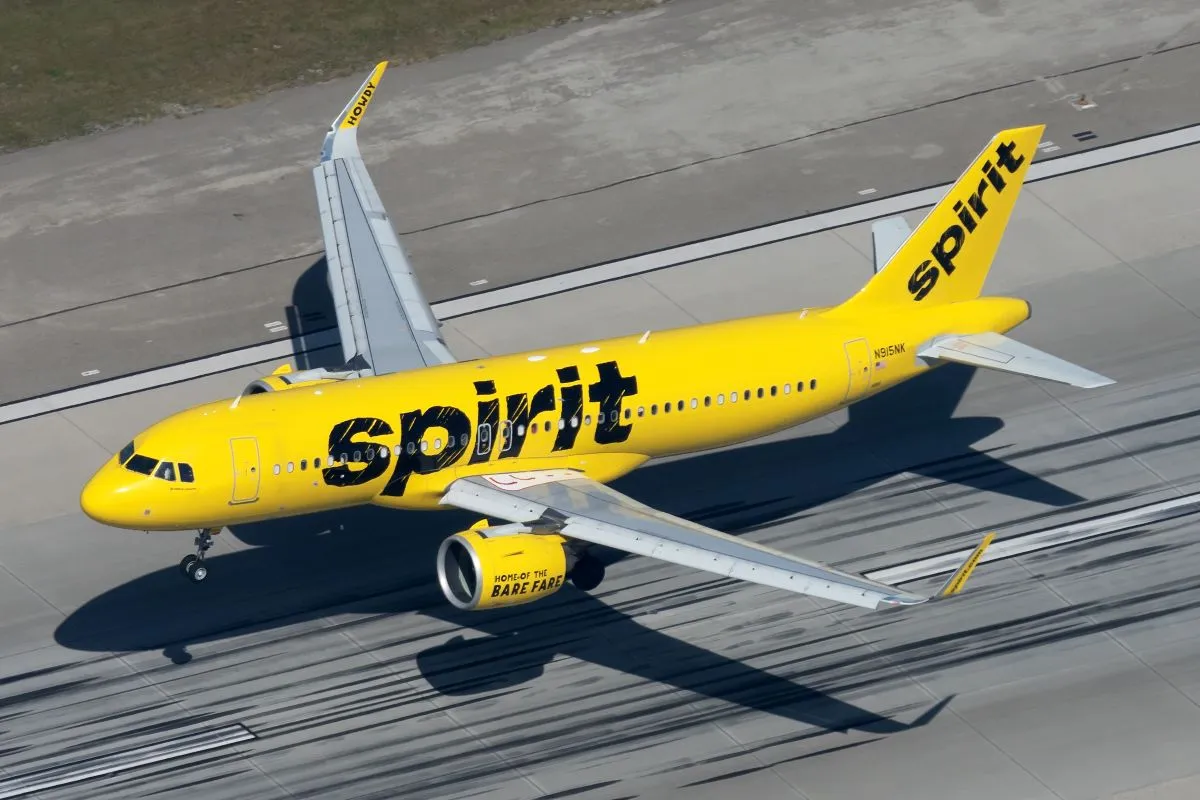
Spirit Airlines, a prominent ultra-low-cost carrier, has formally announced its intent to liquidate, attributing its insurmountable financial challenges primarily to the dramatic surge in fuel prices exacerbated by the ongoing conflict in Iran and the subsequent failure to secure crucial government bailout funds. The airline, which has been a staple in the budget travel sector for decades, confirmed in a court filing posted Monday that it commenced preparations for an orderly wind-down of operations last Thursday, after it became unequivocally clear that federal assistance would not materialize. This development marks a significant shift in the competitive landscape of the U.S. domestic airline market, signaling the potential for increased consolidation and altered fare structures, particularly on routes previously dominated by Spirit’s distinctive low-cost model.
The Unraveling: A Timeline of Economic Distress
The journey towards liquidation for Spirit Airlines was a protracted battle against escalating economic headwinds, culminating in a critical juncture where financial viability could no longer be sustained. While the airline industry as a whole faced significant turbulence in the wake of the global pandemic, Spirit, with its ultra-low-cost operating model, was particularly susceptible to external shocks, especially those impacting its primary operational expense: fuel.
- Early 2023: Spirit, like many carriers, was still navigating the complex post-pandemic recovery phase. While passenger demand showed signs of resurgence, the airline was grappling with persistent labor shortages, supply chain disruptions affecting aircraft maintenance, and an intensely competitive market. Its distinct model, relying on high aircraft utilization and ancillary revenue, demanded consistent operational efficiency, which was increasingly difficult to maintain amidst these challenges.
- Late 2023 – Early 2024: Geopolitical tensions began to escalate significantly in the Middle East, particularly with the intensification of the conflict involving Iran. This period saw a noticeable uptick in global crude oil prices as market anxieties over potential supply disruptions mounted. Initially, these price increases were manageable, but they steadily eroded Spirit’s already thin profit margins.
- March 1 – April 30: This two-month window proved to be catastrophic for Spirit. According to its court filing, the embattled carrier burned through an astounding $100 million in fuel costs. This figure represents a staggering increase, far beyond initial projections and sustainable operating budgets. To put this in perspective, for a carrier of Spirit’s size, such an expenditure spike in a mere 60 days would have represented a disproportionate percentage of its total operating expenses, potentially exceeding 40-50% of its revenue during that period, compared to an industry average of 20-30% in stable times. This rapid depletion of cash reserves created an immediate and existential liquidity crisis.
- Early April: As the fuel crisis deepened, Spirit initiated urgent discussions with government officials and financial institutions in a desperate bid to secure emergency funding or a bailout package. The airline presented detailed projections outlining its liquidity challenges and the potential systemic impact of its failure on regional connectivity and competition.
- Last Thursday (Pre-Filing): The decisive blow came when it became unequivocally clear that federal government assistance, either through direct loans or other relief mechanisms, would not be forthcoming. Despite exhaustive efforts to demonstrate its long-term viability and the necessity of its service, Spirit failed to meet the stringent criteria for federal aid, which often prioritize larger, systemically critical carriers or demand robust restructuring plans that Spirit, by this point, was unable to convincingly present without immediate cash infusion. It was at this point that the difficult decision to begin preparing for a wind-down was made, shifting the focus from reorganization to an orderly cessation of operations.
- Monday (Court Filing): Spirit Airlines formally filed its intent to liquidate, providing the public and its creditors with the stark reality of its financial predicament. The filing detailed the insurmountable financial pressures and the absence of any viable alternative to an orderly wind-down.
The Economic Hammer: Geopolitical Conflict and Fuel Costs
The primary catalyst cited for Spirit’s demise is the dramatic rise in jet fuel prices, directly linked to the escalating Iran conflict. Global oil markets are notoriously sensitive to geopolitical instability in the Middle East, a region critical for a substantial portion of the world’s crude oil supply. When tensions rise, fears of supply disruptions, whether from direct attacks on infrastructure, shipping lane blockades, or sanctions, immediately translate into higher oil futures and spot prices.
For an airline, fuel is typically the single largest or second-largest operating expense, often accounting for 20-35% of total costs. For ultra-low-cost carriers (ULCCs) like Spirit, which operate on razor-thin margins and rely heavily on high load factors and efficient turnaround times, any significant and sustained increase in fuel prices can quickly erode profitability and push them into the red. Unlike full-service carriers that might have more diversified revenue streams or the ability to implement fuel surcharges with less consumer resistance, ULCCs find it challenging to pass on increased costs without undermining their core value proposition of extreme affordability.
The $100 million in fuel costs between March 1 and April 30 was not merely an increased expense; it was an unsustainable drain on Spirit’s liquidity. This sudden and severe cash burn crippled the airline’s ability to cover other operational costs, service existing debt, or invest in necessary maintenance and upgrades. Without the financial buffer that larger carriers might possess, Spirit was quickly cornered.
Statements from Leadership and Industry Reactions
Fred Cromer, Spirit’s chief financial officer, articulated the airline’s profound regret and the inevitability of its decision in the court filing: “Having fought valiantly for months to reorganize, and having all but succeeded, the Debtors are left with no alternative to an orderly wind-down of operations.” This statement underscores the airline’s exhaustive efforts to find a solution, highlighting that liquidation was a last resort after all other avenues, including reorganization and securing external aid, had been exhausted. The phrase "all but succeeded" suggests that internal restructuring efforts might have been progressing positively before the sudden and dramatic surge in fuel costs derailed their recovery trajectory.
The announcement sent ripples across the aviation industry and financial markets. Industry analysts were quick to weigh in. Dr. Evelyn Reed, a leading aviation economist at AeroDynamics Consulting, commented, "Spirit’s liquidation is a stark reminder of the inherent volatility and capital-intensive nature of the airline business, especially for those operating on the thinnest of margins. The confluence of a recovering but still fragile post-pandemic market, coupled with unprecedented geopolitical shocks driving fuel prices sky-high, created a perfect storm. It highlights the precarious balance many carriers maintain and the critical role of robust hedging strategies and diversified revenue in mitigating such risks."
Government officials, while not directly commenting on Spirit’s specific bailout request, reiterated the stringent criteria for federal assistance. A spokesperson for the Treasury Department, speaking on background, indicated that any federal intervention must meet specific legal and economic thresholds designed to protect taxpayer interests and ensure long-term viability, criteria that Spirit reportedly struggled to fulfill in its final appeals.
Consumer advocacy groups immediately expressed concerns regarding the welfare of passengers holding future Spirit tickets. "Our priority now is ensuring that Spirit passengers receive clear information regarding refunds, alternative travel options, and that their rights are protected throughout this liquidation process," stated Maria Sanchez, director of the National Air Travelers Association. "The government and remaining airlines must step up to assist these travelers during what will undoubtedly be a stressful period."
Broader Impact and Implications
The liquidation of Spirit Airlines carries wide-ranging implications for its employees, passengers, the competitive landscape of the airline industry, and regional economies.
- Employees: Spirit Airlines employed thousands of individuals, including pilots, flight attendants, maintenance crews, ground staff, and administrative personnel. Their jobs are now at risk, leading to significant personal and economic hardship. While some may find opportunities with other carriers, the sudden influx of experienced aviation professionals into the job market could create temporary saturation in certain roles. The airline’s filing will trigger complex processes for severance, benefits, and potentially pension obligations, which will be managed through the bankruptcy court.
- Passengers: Hundreds of thousands, if not millions, of passengers hold tickets for future Spirit flights. The immediate concern is the process for refunds and rebooking. While credit card companies often offer protection for such scenarios, the sheer volume of claims could lead to delays. Other airlines might offer "rescue fares" or discounted tickets for stranded Spirit passengers, but these often come with limitations and may not cover all routes or times. The liquidation will undoubtedly cause significant travel disruptions and financial losses for many individuals and families.
- Airline Industry Competition: Spirit’s departure leaves a void in the ultra-low-cost segment. While competitors like Frontier Airlines and Allegiant Air operate similar models, and larger carriers like Southwest and American (through basic economy fares) also target budget-conscious travelers, Spirit’s distinct network and pricing strategy will be missed. This could lead to:
- Increased Fares: On routes where Spirit was a dominant or significant player, the reduction in competition could lead to higher average fares as remaining carriers face less pressure to compete on price.
- Market Share Shifts: Competitor airlines, particularly Frontier and Allegiant, are likely to absorb some of Spirit’s former routes and passenger base. Major carriers might also see an uptick in demand for their lowest-tier fares.
- Consolidation: The event could accelerate industry consolidation, as financially stronger carriers eye opportunities to acquire Spirit’s valuable airport slots, gates, and potentially even some of its aircraft fleet, albeit through complex bankruptcy proceedings.
- Regional Economies: Spirit served numerous airports across the United States, often providing the only direct, affordable service to certain destinations. Its cessation of operations could negatively impact regional tourism, business travel, and local economies that relied on the accessibility and affordability Spirit provided. Smaller airports, in particular, may struggle to attract replacement service, leading to reduced connectivity.
- Financial Markets: While Spirit was not a systemically critical airline on the scale of a major network carrier, its liquidation can still create ripples in financial markets. Investors in the aviation sector may become more cautious, scrutinizing the financial health and hedging strategies of other carriers. Lessors of aircraft to Spirit will face the challenge of repossessing and redeploying aircraft, potentially affecting lease rates in the short term.
Lessons Learned and The Path Forward
Spirit Airlines’ liquidation serves as a potent reminder of the inherent vulnerabilities within the airline industry. While management cited extraordinary circumstances beyond their control—namely the unprecedented fuel price surge linked to geopolitical conflict—it also highlights the delicate balance of operating an ultra-low-cost model. Such models, while offering immense value to consumers, often lack the financial resilience to withstand prolonged periods of extreme cost volatility without robust hedging strategies or significant cash reserves.
The event will likely prompt a re-evaluation of risk management strategies across the industry, particularly concerning fuel price exposure. Furthermore, it renews discussions about the role of government intervention in supporting critical industries during times of severe economic distress, balancing market principles with the broader economic and social impacts of major corporate failures.
As the liquidation process unfolds, the focus will shift to the efficient and equitable distribution of Spirit’s remaining assets, the mitigation of disruption for its former employees and passengers, and the eventual re-shaping of the competitive landscape in the U.S. domestic aviation market. The skies above America will look a little different without the distinctive yellow and black aircraft of Spirit Airlines, a testament to the brutal realities of a globalized economy and the unforgiving nature of the airline business.




 Anjar Salim
 Chandra Hamzah
 Budi Mulyono
 Lukman Taruna Persada Ramadan
