
 Chandra Hamzah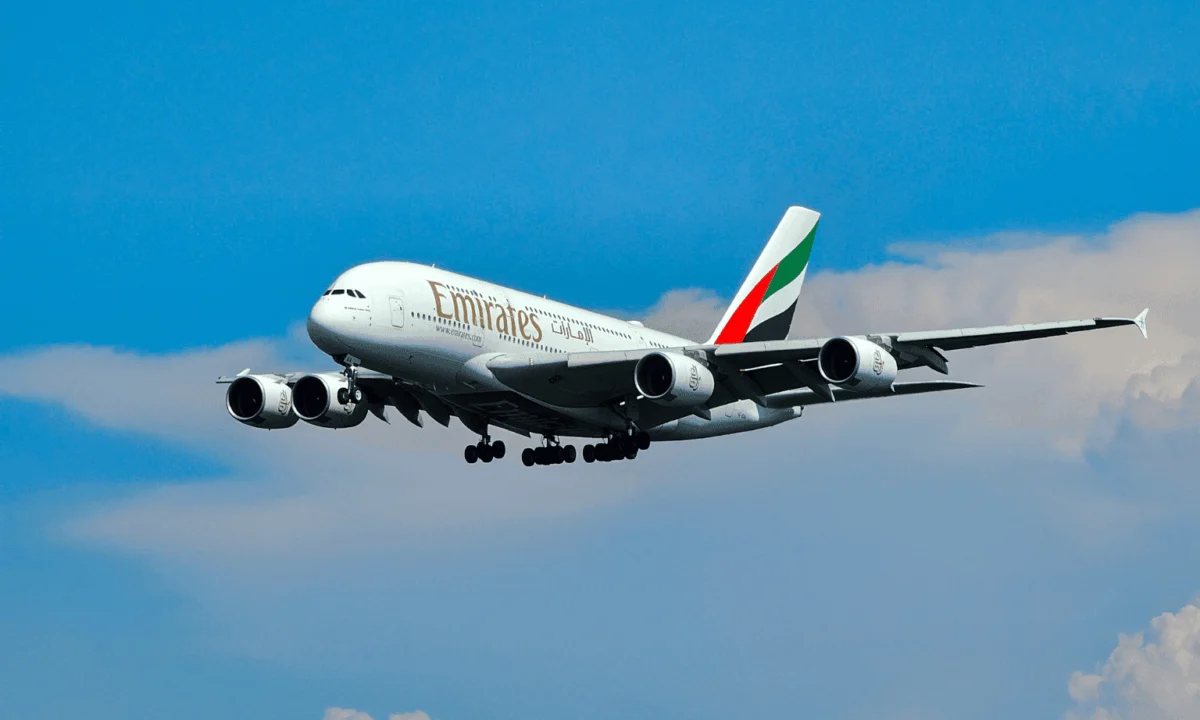
The resumption of flights through the Middle East by major airlines signals a tentative return to normalcy for international travel, yet significant disruptions and government advisories persist, forcing Australian travellers to reassess their routes to Europe. The conflict that erupted in the Middle East has profoundly impacted global air travel, particularly for those journeying between Australia and Europe, leading to widespread cancellations, soaring ticket prices, and a critical need for alternative travel strategies.
Resumption of Services Amidst Ongoing Concerns
In the initial weeks following the escalation of the conflict, the skies over the Middle East became notably quiet. According to data compiled by aviation analytics firm Cirium, over 60,000 flights in and out of the region were cancelled, affecting an estimated six million passengers. This disruption was acutely felt by cruise passengers, who rely on seamless connections to reach their departure ports, often necessitating a pivot to less conventional travel itineraries that bypassed traditional Middle Eastern hubs like Dubai and Doha.
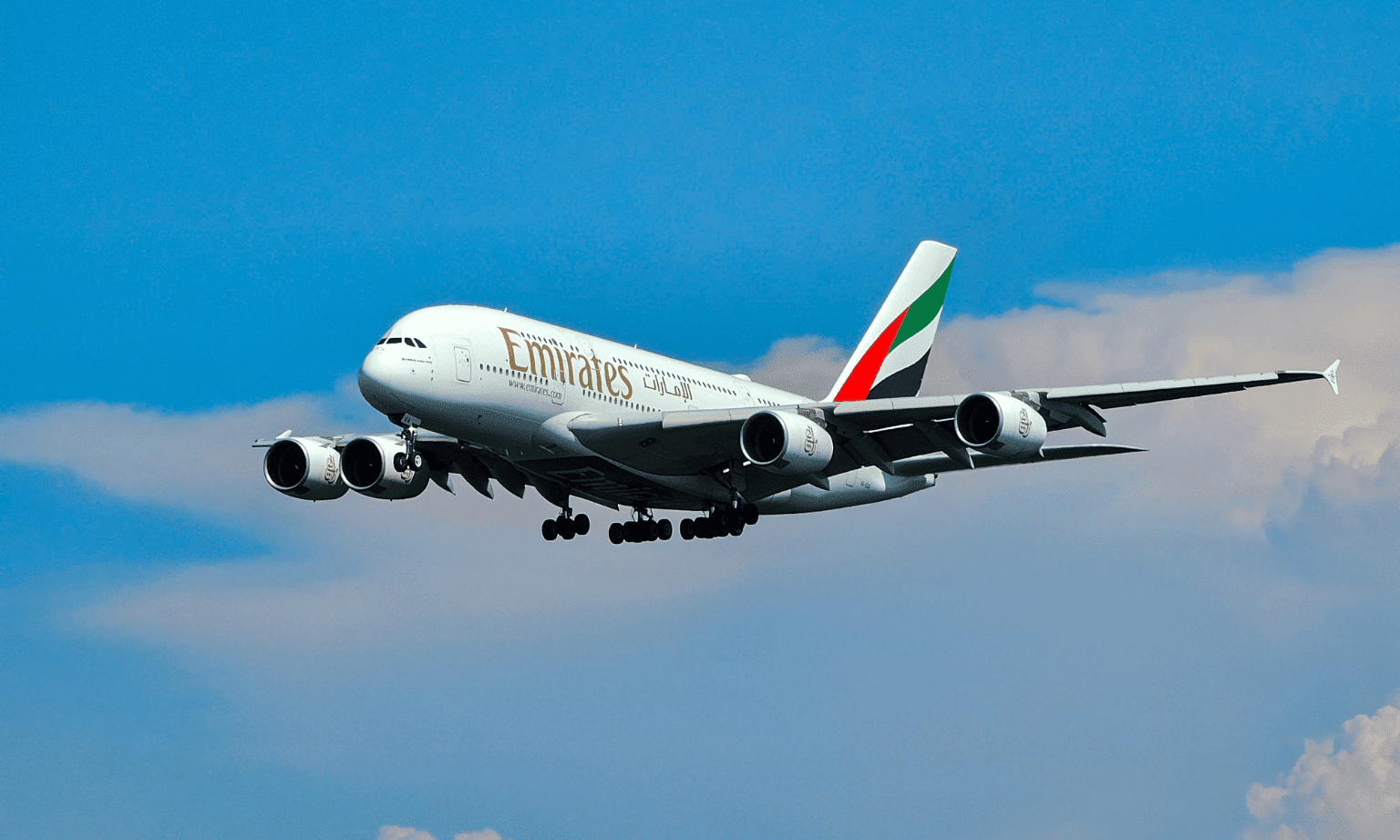
However, a gradual recalibration is now underway. Qatar Airways announced the resumption of its services from Doha to Sydney, Melbourne, and Perth on April 10, 2026, with plans to increase flight frequencies to a daily service by May 1. The airline is also set to recommence operations from Brisbane in May and Adelaide in June. Similarly, Emirates has ramped up its presence, operating twice-daily flights to Sydney and Melbourne, and a daily service to Perth. Resumptions to Brisbane and Adelaide are also slated for May 1.
Despite these operational increases, the Australian government, through its Smartraveller initiative, continues to issue strong warnings against transiting through the Middle East. The advice highlights the persistent volatility of the security situation and points to potential global fuel supply challenges that could further disrupt travel plans through unforeseen cancellations and delays. Smartraveller explicitly advises travellers: "The regional conflict is likely to escalate further." The warning extends to even those who do not intend to leave the airport, stating, "Even if you don’t plan to leave the airport, do not transit through these countries." The advisory further elaborates on the risks, noting that "Airports, hotels, roads, bridges and other locations have been struck with missiles," and that "Airspace may close at short notice. Flights can change or stop suddenly. Borders can close."
Official Travel Warnings and Their Implications
The advisory for the United Arab Emirates (UAE) has been elevated to a "Do Not Travel" level due to the volatile security situation and military strikes in the region. Smartraveller warns that the UAE airspace may open or close without notice, impacting flights at Dubai and Abu Dhabi airports. The agency attributes these developments to retaliatory strikes occurring across the Middle East following military actions on Iran, which may lead to widespread movement restrictions and other travel disruptions.
A similar "Do Not Travel" warning is in place for Qatar. The advisory states that "Retaliatory strikes are occurring across the Middle East region following military strikes on Iran." It also notes that Qatar has closed its airspace, and Qatar Airways has suspended flights to and from Doha, with military conflict potentially causing significant movement restrictions and travel disruptions.
A "Do Not Travel" designation from Smartraveller signifies that the Australian government considers the destination extremely unsafe. Critically, such a warning typically invalidates most travel insurance policies, leaving travellers without financial recourse in the event of unforeseen circumstances or cancellations. For Australian travellers, a stopover in Dubai or Doha has historically been a common and often cost-effective gateway to Europe, with approximately 51% of travellers utilizing these major Middle Eastern hubs for their onward journeys. The current advisories fundamentally challenge this established travel pattern, particularly for those with upcoming holidays or cruises in Europe.
Navigating Alternative Routes: A Shift Eastward
The imperative to find alternative routes between Australia and Europe has become paramount. Melissa Elf, Global COO of FCM Travel and Corporate Traveller, highlighted a positive trend: "The majority of Europe to Australia flight connections operate via Asian hubs, not the Middle East, including Singapore, Hong Kong, and other major regional airports, with these routes continuing to operate normally." She further observed, "Passengers transferring via Asia – especially Singapore, Hong Kong, and Kuala Lumpur – have become very popular in the last few days."
However, Elf also cautioned about the implications of this shift in demand: "Travel Managers and passengers should note that seat availability on these alternative routes is limited and subject to rapid change. Securing a booking requires prompt action and flexibility." This underscores the need for travellers to act swiftly to secure safe and reasonably priced travel arrangements.
The Impact on Airfares: A Significant Price Surge
The geopolitical instability and the redirection of flight paths have inevitably led to a substantial increase in airfares. Airlines like Qantas are reporting a surge in bookings for European routes as Australians seek alternatives to Middle Eastern carriers. Analysts estimate that the rise in fuel prices, exacerbated by the closure of the Strait of Hormuz – through which approximately 20% of the world’s oil supply passes – could impose an additional $14.8 million per day in fuelling costs on airlines. This increase is being directly reflected in ticket prices, with some routes experiencing price hikes of up to 150% in recent weeks.
Examples of these inflated prices include fares as high as $5,500 for a Sydney to Paris flight with Turkish Airlines, a staggering $11,000 for a one-way economy ticket from Sydney to Frankfurt with Singapore Airlines, and an extraordinary $40,000 for a business class flight from Sydney to London with Cathay Pacific. Routes from Perth that offer direct services to Europe, and other European flights that route via Singapore rather than the Middle East, are proving particularly popular.
Other carriers are also signalling price adjustments. Air New Zealand and Virgin are actively assessing the impact of fuel price rises, while Air India has already implemented surcharges on its flights to offset increased fuelling costs.

Exploring European Travel Options from Australia
For travellers planning journeys to Europe, a re-evaluation of established routes is essential. While direct flights from Australia to Europe are limited, a variety of indirect routes offer viable alternatives.
Key Alternative Routes and Considerations:
-
Asian Hubs: This has become the most prevalent and recommended alternative. Airlines such as Singapore Airlines, Cathay Pacific, Thai Airways, Malaysia Airlines, and various Chinese carriers (Air China, China Eastern, China Southern) offer extensive networks connecting Australia to major European cities.
- Singapore: A highly popular and efficient transit point, serviced by numerous airlines.
- Hong Kong: Another major hub with strong connectivity to Europe.
- Kuala Lumpur: Serviced by Malaysia Airlines, offering a viable route.
- Chinese Cities (Beijing, Shanghai, Guangzhou): These offer competitive pricing, though often with longer transit times.
- Bangkok: Thai Airways provides connections through this vibrant Southeast Asian capital.
-
North American Transit: Flights via the United States or Canada present another option. Travellers can fly from Australia to major North American gateways such as Los Angeles or Vancouver, and then connect to European destinations. This route can offer a different travel experience, though it often involves longer overall transit times.
-
Direct Flights from Western Australia: For residents of Western Australia, direct flights to London, Rome, and Paris offered by Qantas provide a significant advantage, bypassing the need for intermediate stops in the Middle East or even East Asian hubs. This option requires travellers to reach Perth first if they are not already located there.
Comparative Analysis of European Flight Routes (Illustrative Data)
To illustrate the differences in cost and transit time, consider the following sample itineraries for return flights from Sydney to London, departing April 14 and returning May 12:
| Airline | Price Range ($AUD) | Stopover Location(s) | Total Transit Time (Approx.) |
|---|---|---|---|
| Air China | 1250 – 1500 | Beijing | 30 hrs (outbound), 41 hrs (return) |
| China Eastern | 1600 – 1800 | Shanghai | 28 hrs (outbound), 27 hrs (return) |
| China Southern | 1600 – 1800 | Guangzhou | 40 hrs (outbound), 29 hrs (return) |
| Cathay Pacific | 2500 – 2700 | Hong Kong | 26 hrs (outbound), 23 hrs (return) |
| Thai Airways | 2500 – 2700 | Bangkok | 25 hrs (outbound), 23 hrs (return) |
For Sydney to Paris on the same dates:
| Airline | Price Range ($AUD) | Stopover Location(s) | Total Transit Time (Approx.) |
|---|---|---|---|
| Malaysia Airlines | 1400 – 1600 | Kuala Lumpur | 25 hrs (outbound), 25 hrs (return) |
| China Eastern | 1400 – 1500 | Shanghai | 28 hrs (outbound), 28 hrs (return) |
| China Southern | 1800 – 2000 | Guangzhou | 29 hrs (outbound), 24 hrs (return) |
| Air India | 1900 – 2000 | Delhi | 30 hrs (outbound), 38 hrs (return) |
| Thai Airways | 2100 – 2300 | Bangkok | 25 hrs (outbound), 23 hrs (return) |
| Vietnam Airlines | 2100 – 2200 | Ho Chi Minh City | 29 hrs (outbound), 37 hrs (return) |
| Korean Air | 2100 – 2200 | Seoul | 40 hrs (outbound), 26 hrs (return) |
| Finnair | 2200 – 2400 | Seoul + Helsinki (outbound); Helsinki + Singapore (return) | 30 hrs (outbound), 26 hrs (return) |
| Cathay Pacific | 2300 – 2500 | Brisbane + Hong Kong (outbound); Hong Kong (return) | 32 hrs (outbound), 24 hrs (return) |
| Air France | 2400 – 2600 | Los Angeles (outbound); Singapore (return) | 33 hrs (outbound), 22 hrs (return) |
(Note: Prices and transit times are illustrative and subject to rapid change. Availability is limited.)
The Flexible Ticket "Insurance" Strategy
In this environment of heightened uncertainty, travel experts are strongly advising a proactive approach to booking. Sharon Summerhayes, owner of Deluxe Travel and Cruise, emphasizes the value of flexible ticketing as a form of "insurance." For travellers with existing bookings that transit through the Middle East, she recommends securing a flexible ticket via an Asian hub as a backup. "If your Middle Eastern flight is still operational, you can cancel the Asian ticket, often incurring a modest cancellation fee, and proceed with your original plan. However, if the Middle Eastern flight is disrupted, you retain the safety net of the Asian route."
Summerhayes advises choosing airlines with low cancellation penalties for these backup tickets, such as Singapore Airlines, Thai Airways, or Japan Airlines. "Even if it costs you a couple of hundred in cancellation fees, you have the insurance that should you not be able to take your originally booked flight, you’ll still have the option with your ‘insurance’ ticket," she explained. It is crucial to be aware of the cancellation timeframes, as most tickets require cancellation at least 24-48 hours prior to departure to qualify for the maximum refund. While Middle Eastern airlines are offering refunds for immediately affected passengers, the uncertainty of flight status close to the departure date makes pre-emptive flexible bookings a prudent strategy.
The ongoing geopolitical situation in the Middle East necessitates a vigilant and adaptable approach for Australian travellers. While flight options are gradually returning, the official warnings and the volatile nature of the region demand careful consideration of alternative routes and booking strategies to ensure a safe and timely journey to Europe.




 Anjar Salim
 Tatiana Tantri Indah Sari
 Budi Mulyono
