
 Budi Mulyono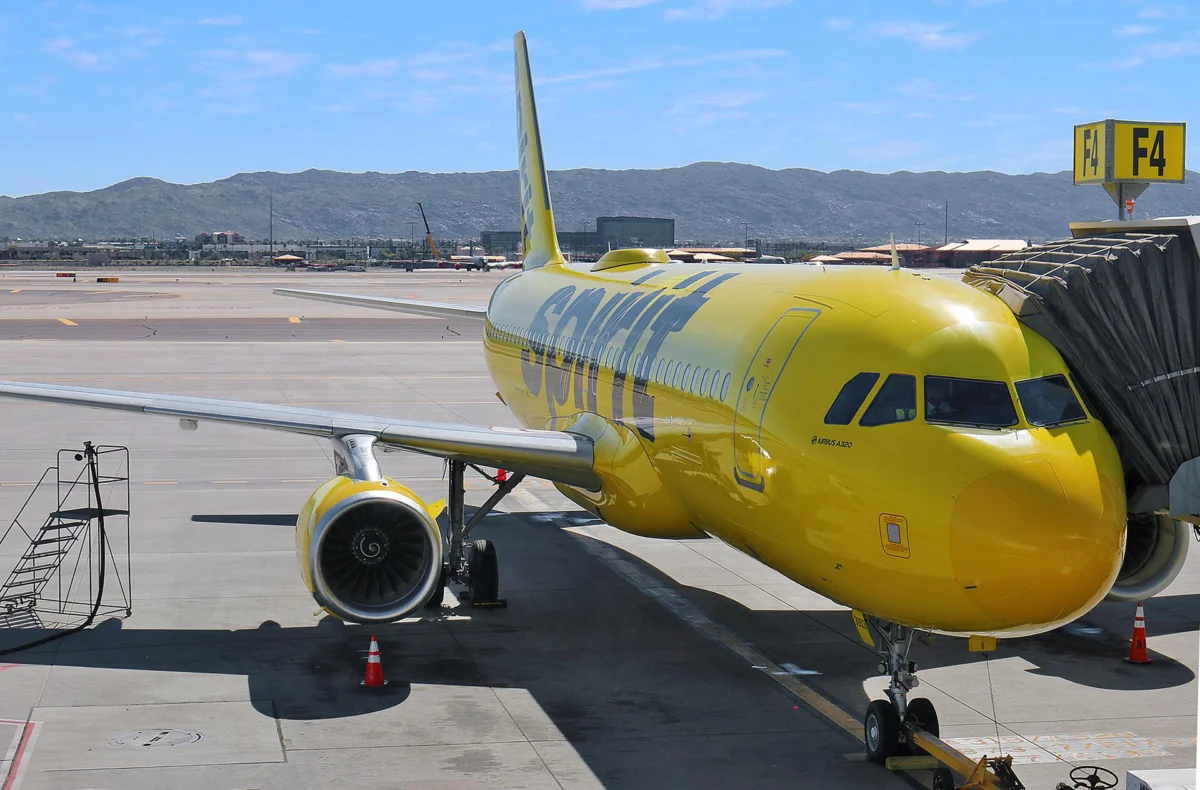
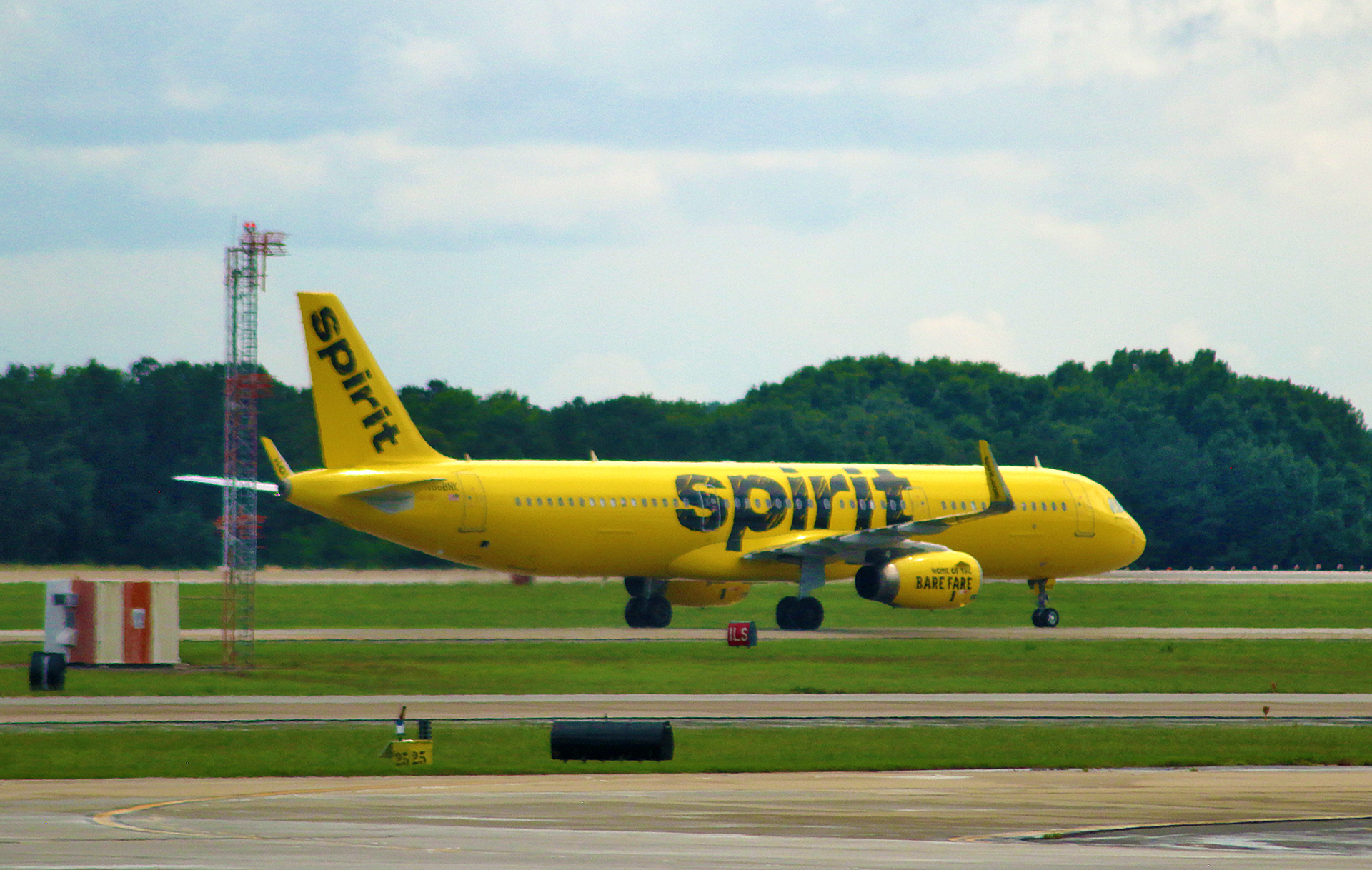
The landscape of American commercial aviation underwent a seismic shift in the early morning hours of Saturday, May 2, 2026, as Spirit Airlines officially ceased all flight operations and began the process of total liquidation. The dissolution of the carrier, known for its distinctive bright yellow livery and controversial "unbundled" pricing model, marks the end of a turbulent chapter in the industry. While the airline is being remembered by some for its role in democratizing air travel through ultra-low base fares, its departure has also reignited a fierce debate over transparency, customer service standards, and the long-term sustainability of the ultra-low-cost carrier (ULCC) business model.
Spirit Airlines leaves behind a complex legacy defined by what industry analysts call "misleading by omission." While the carrier succeeded in forcing the broader market to lower prices on competitive routes, it also fundamentally altered the consumer experience by introducing a labyrinth of ancillary fees that often blurred the true cost of travel. As the airline’s assets are sold and its remaining routes are absorbed by competitors, the aviation industry must now grapple with a market vacuum that could lead to higher fares for the most price-sensitive segments of the population.
The Rise and Evolution of the Ultra-Low-Cost Model
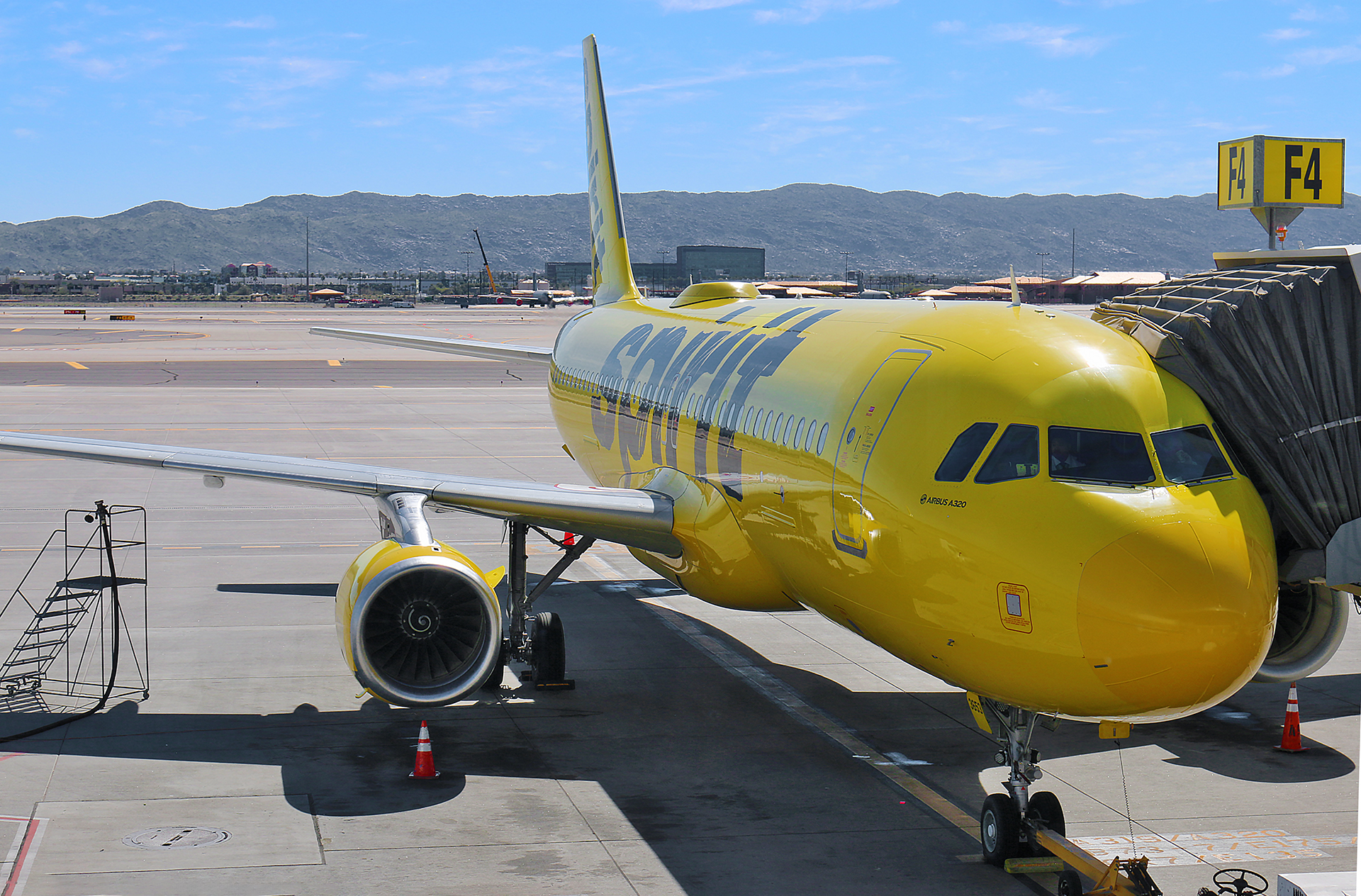
Spirit Airlines was not the first carrier to experiment with low-cost flights, but it was arguably the most aggressive in implementing the ultra-low-cost carrier (ULCC) strategy in the United States. This model relied on "unbundling" the traditional airline ticket. Instead of an all-inclusive fare that covered seat assignments, carry-on bags, and refreshments, Spirit offered a "bare fare" intended to cover only the transportation of the passenger from one point to another.
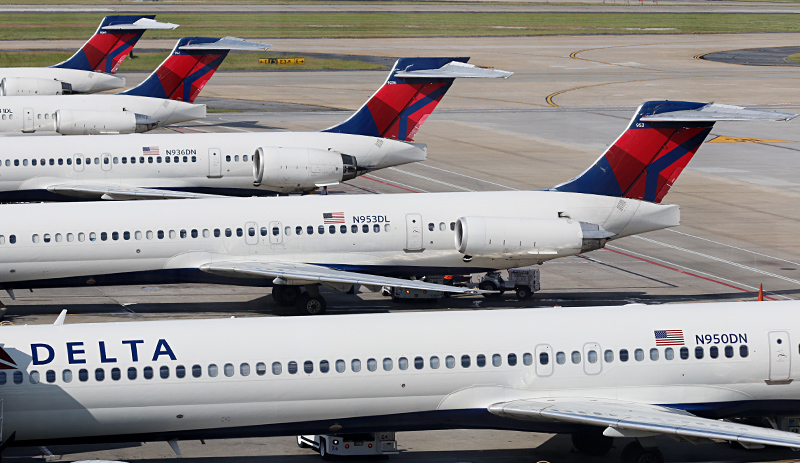
In the early 2010s, this strategy appeared revolutionary. By stripping away amenities, Spirit could advertise base fares that were significantly lower than those of legacy carriers like Delta Air Lines, United Airlines, and American Airlines. This pricing pressure forced major carriers to respond, leading to the 2012 introduction of "Basic Economy" by Delta, a trend that United and American followed in 2016 and 2017, respectively.
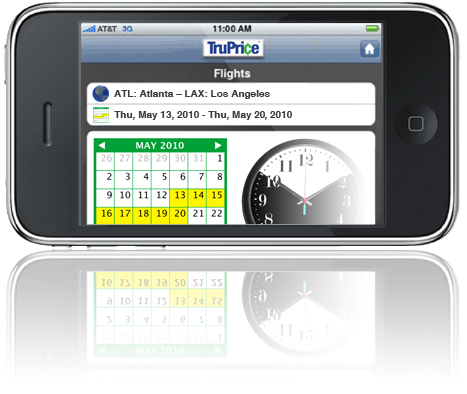
However, as the industry evolved, the gap between the "perceived" price and the "actual" price began to widen. Data from consumer advocacy groups and early price-tracking technology projects, such as the TruPrice engine developed in 2010, highlighted that the advertised base fare rarely represented the final cost to the consumer. These studies showed that once a passenger added essential services—such as a carry-on bag or a seat assignment—the total expenditure often approached the prices offered by full-service airlines, albeit without the accompanying service standards or operational reliability.
A Chronology of Decline: From Disruption to Dissolution
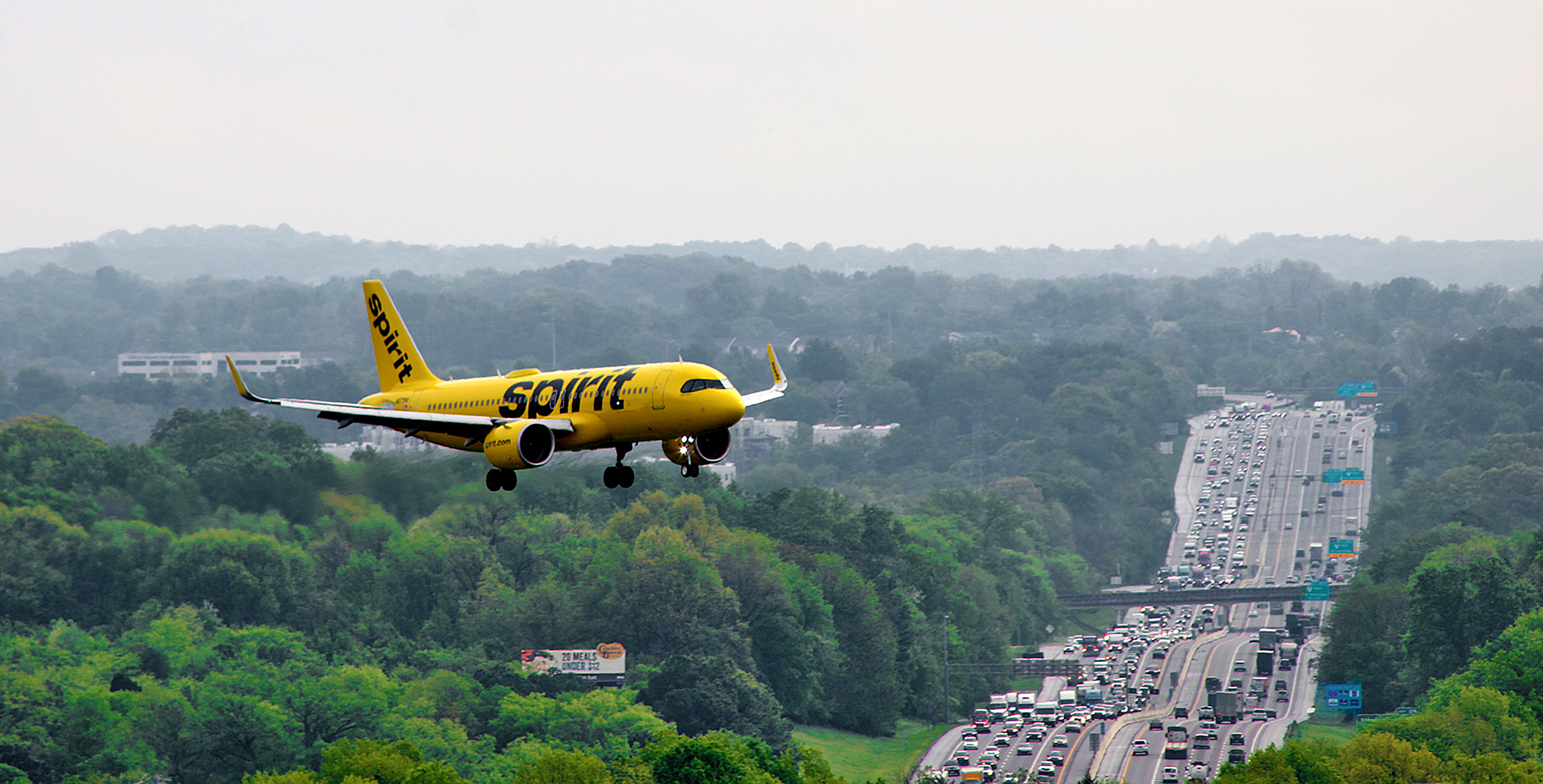
The path to Spirit’s May 2026 collapse was paved by a series of economic headwinds and strategic failures. While the airline filled its planes with high load factors, it struggled to maintain profitability in an era of rising fuel costs and labor demands.
- 2010–2012: Spirit aggressively expands its unbundled model. Delta Air Lines responds by introducing Basic Economy in March 2012 to compete directly on price while maintaining a superior service network.
- 2016–2017: United and American Airlines adopt similar tiered pricing structures. Spirit’s primary competitive advantage—price—begins to erode as legacy carriers offer "no-frills" options backed by larger fleets and better customer support.
- 2022–2024: Spirit attempts to merge with other carriers to gain scale. A proposed merger with JetBlue is blocked by federal regulators on antitrust grounds, leaving Spirit to face mounting debts alone.
- 2025: Operational costs skyrocket due to fluctuations in global oil prices and a series of technical issues with engine suppliers that grounded portions of the fleet.
- Early 2026: Spirit leadership, led by CEO David M. Davis, petitions the federal government for a $500 million bailout, citing the airline’s role in maintaining market competition. The request is denied.
- May 2, 2026: Spirit Airlines ceases operations, citing an unsustainable business model and an inability to secure further financing.
The Economics of Ancillary Revenue
The core of Spirit’s financial strategy was its reliance on ancillary revenue—fees collected outside of the base ticket price. For years, Spirit led the industry in the percentage of total revenue derived from these fees.
To understand the disparity between advertised and actual costs, industry analysts often pointed to a standard flight comparison. A hypothetical base fare on Spirit might be advertised at $39.00, while a legacy carrier like Delta might list the same route for $290.00. However, the Spirit passenger would encounter a series of mandatory or near-mandatory costs:
- Seat Selection: $14.00 to $39.00
- Carry-on Bag: $32.00 to $55.00
- Checked Bag: $37.00 to $65.00
- Boarding Pass Printing: $2.00 (digital) to $10.00 (airport agent)
- In-flight Water: $4.50
In this scenario, a Spirit passenger could easily end up paying $205.00. While still cheaper than the $290.00 legacy fare, the $85.00 savings came at the expense of flight frequency, terminal convenience, and the ability to earn loyalty miles for international travel. For many travelers, the "friction points" of the Spirit experience—ranging from narrow seat pitches to a lack of customer service during flight delays—eventually outweighed the marginal cost savings.
Organizational Failure and the Loyalty Gap
One of the most significant factors in Spirit’s demise was its inability to cultivate brand loyalty. Unlike legacy carriers that built robust frequent flyer programs and invested in the passenger experience to retain high-value business travelers, Spirit’s business was almost entirely transactional.
The airline earned a reputation as the "school bus in the sky," a moniker it occasionally embraced in its irreverent marketing but one that ultimately hindered its growth. When irregular operations occurred—such as weather delays or mechanical failures—Spirit’s limited fleet and lack of interline agreements with other carriers often left passengers stranded for days.
In its final years, the airline was plagued by reports of poor customer service and a lack of responsiveness. Critics pointed to the disconnect between executive compensation and company performance. During the final push for a federal bailout, it was revealed that CEO David M. Davis maintained a compensation package totaling $22,155,406.00. The refusal of top executives to take significant pay cuts while requesting taxpayer assistance drew sharp criticism from lawmakers and the public alike, contributing to the government’s decision to allow the airline to fail.
Broader Impact on the Travel Market
The disappearance of Spirit Airlines is expected to have immediate and long-lasting effects on the U.S. aviation market. Spirit served a specific demographic: students, low-income families, and budget-conscious workers who might otherwise be unable to afford air travel. For these groups, the loss of the $39.00 base fare—even with hidden fees—may mean the difference between traveling and staying home.
Economists warn that the "Spirit Effect"—the phenomenon where legacy carriers drop their prices when Spirit enters a market—will now reverse. Without the downward pressure from a dedicated ULCC, major airlines may find little incentive to keep Basic Economy fares at their current levels.
Furthermore, the vacuum left by Spirit may lead to increased consolidation. While smaller carriers like Frontier or Allegiant may attempt to capture Spirit’s former market share, they face the same high fuel costs and operational hurdles that crippled their competitor. There is a growing concern that air travel in the United States is returning to a "luxury good" status, where only those with significant disposable income can afford the rising costs of inclusive fares.
Final Analysis: The Price of Value
The collapse of Spirit Airlines serves as a cautionary tale for the aviation industry. It demonstrated that while price is a powerful tool for customer acquisition, it is insufficient for customer retention. A business model built on "misleading by omission" creates a deficit of trust that is difficult to overcome when economic conditions sour.
Spirit’s legacy is a bifurcated one. It successfully challenged the status quo and forced a conversation about what a "basic" flight should look like. However, it also introduced a level of complexity and frustration to the travel experience that many consumers found intolerable.
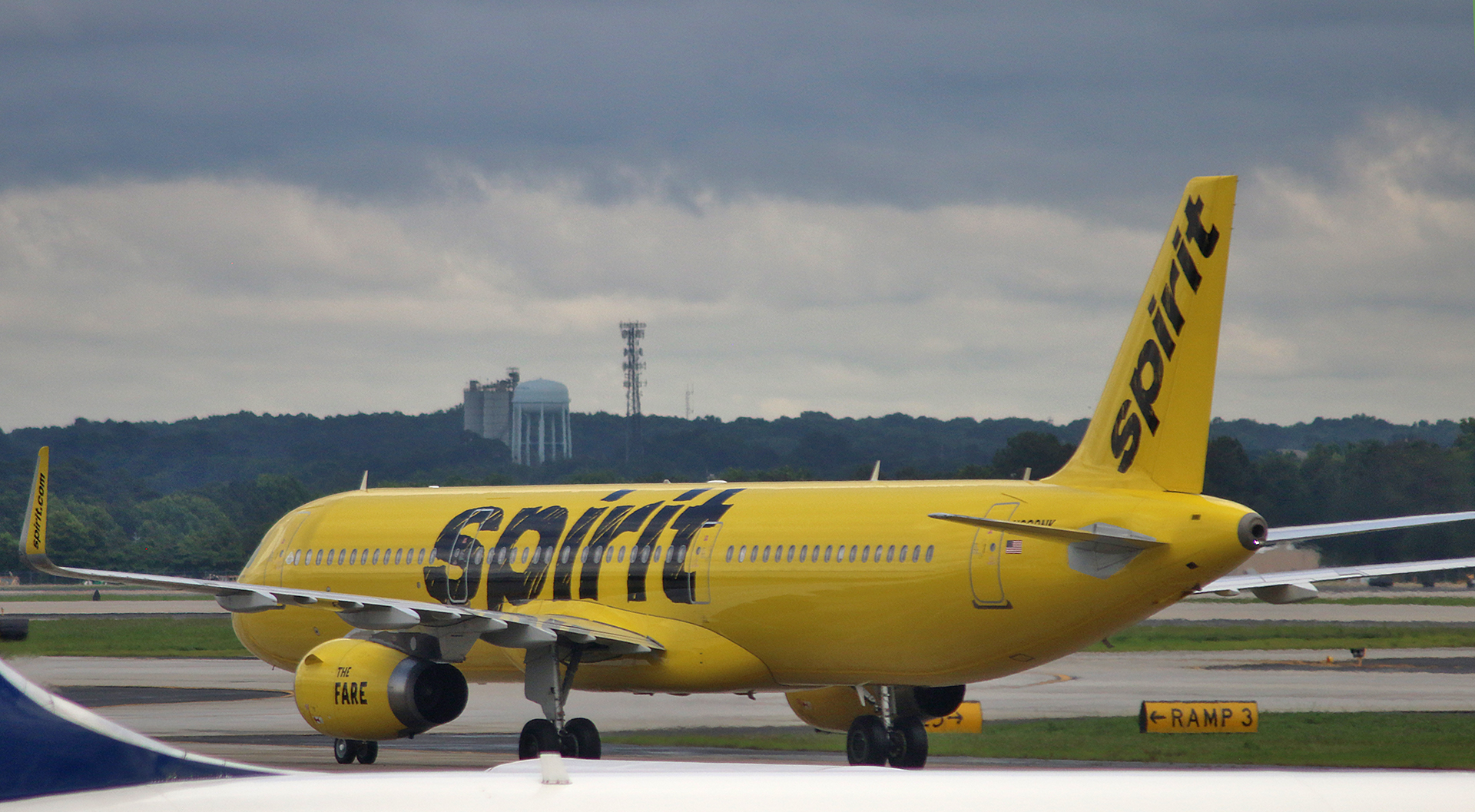
As the final Spirit flights landed on May 2, the industry closed the door on the era of the pure ULCC. The future of budget travel now likely rests on a "hybrid" model—one that offers low prices but recognizes that value is defined by more than just the lowest number on a search engine. For the millions of passengers who once relied on the bright yellow planes to visit family or explore new cities, the sky has suddenly become a much more expensive place.




 Anjar Salim
 Chandra Hamzah
 Tatiana Tantri Indah Sari

