
 Budi Mulyono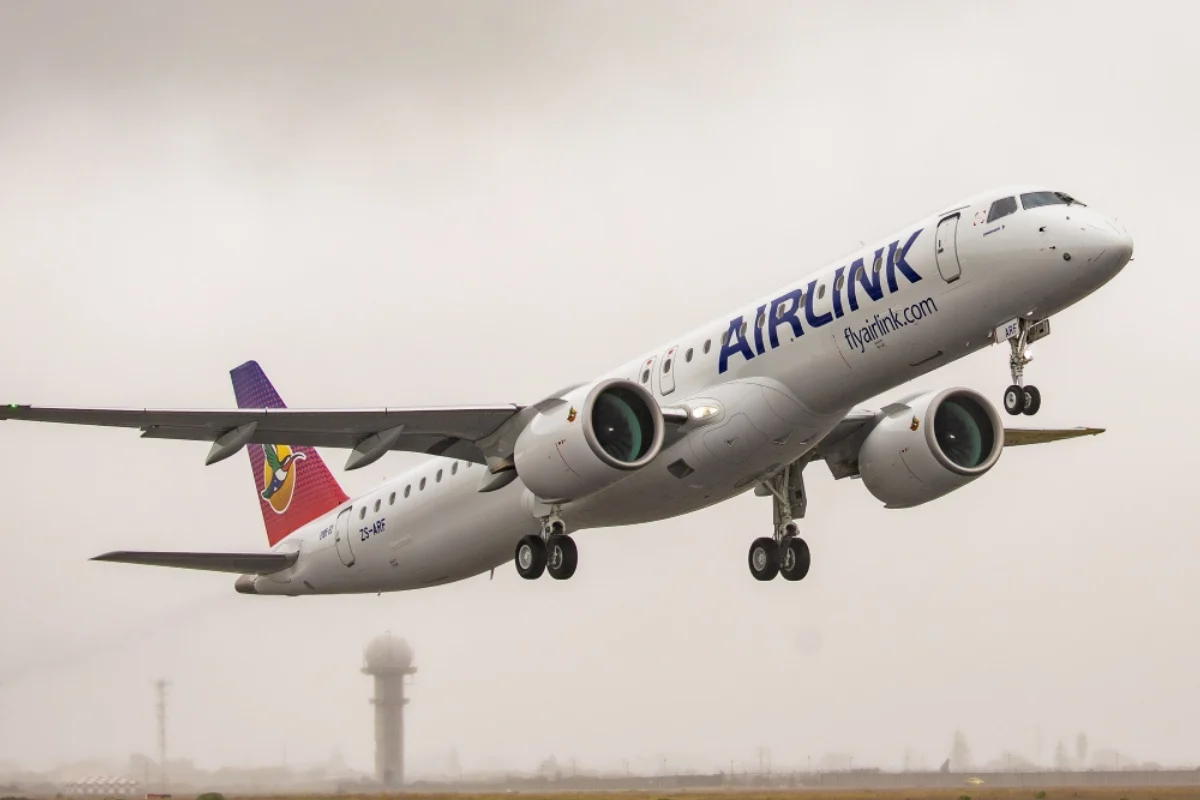
The World Health Organization (WHO) has initiated an emergency contact-tracing operation to locate 98 passengers who traveled on a commercial flight from St Helena to Johannesburg alongside a woman who subsequently died from Hantavirus. The incident has sparked international concern due to the rare potential for human-to-human transmission of the specific viral strain involved. The deceased woman was a passenger on the MV Hondius, a Dutch-flagged cruise vessel currently at the center of a localized outbreak that has already claimed three lives and left several others symptomatic.
The situation began to unfold in early April and has since evolved into a complex multi-jurisdictional health crisis involving South Africa, the British Overseas Territory of St Helena, Argentina, and Spain. Health authorities are working against a ticking clock, as the incubation period for Hantavirus can extend for several weeks, complicating efforts to contain potential secondary infections among air travelers and maritime passengers.
Chronology of the Outbreak: From Argentina to the South Atlantic
The origins of the outbreak can be traced back to April 1, when the MV Hondius, an ice-strengthened expedition ship, departed from Ushuaia, Argentina. The vessel was carrying passengers who had recently visited remote regions of South America, including areas known to be habitats for rodents carrying the Andes strain of Hantavirus.
The first indication of a medical emergency occurred on April 6, when a male passenger—the husband of the woman who would later die in South Africa—reported a sudden onset of fever, headache, and mild gastrointestinal distress. His condition deteriorated with alarming speed. By April 11, five days after the initial symptoms appeared, the man succumbed to "respiratory distress," a hallmark of Hantavirus Pulmonary Syndrome (HPS).
At the time of the man’s death, the MV Hondius was in a remote stretch of the South Atlantic, 18 days away from its next scheduled port of call. Onboard medical facilities were limited, and the ship continued its transit toward St Helena. Upon arrival at the remote island, the man’s body was taken ashore. His wife, who had already begun exhibiting gastrointestinal symptoms, also disembarked to accompany her late husband.
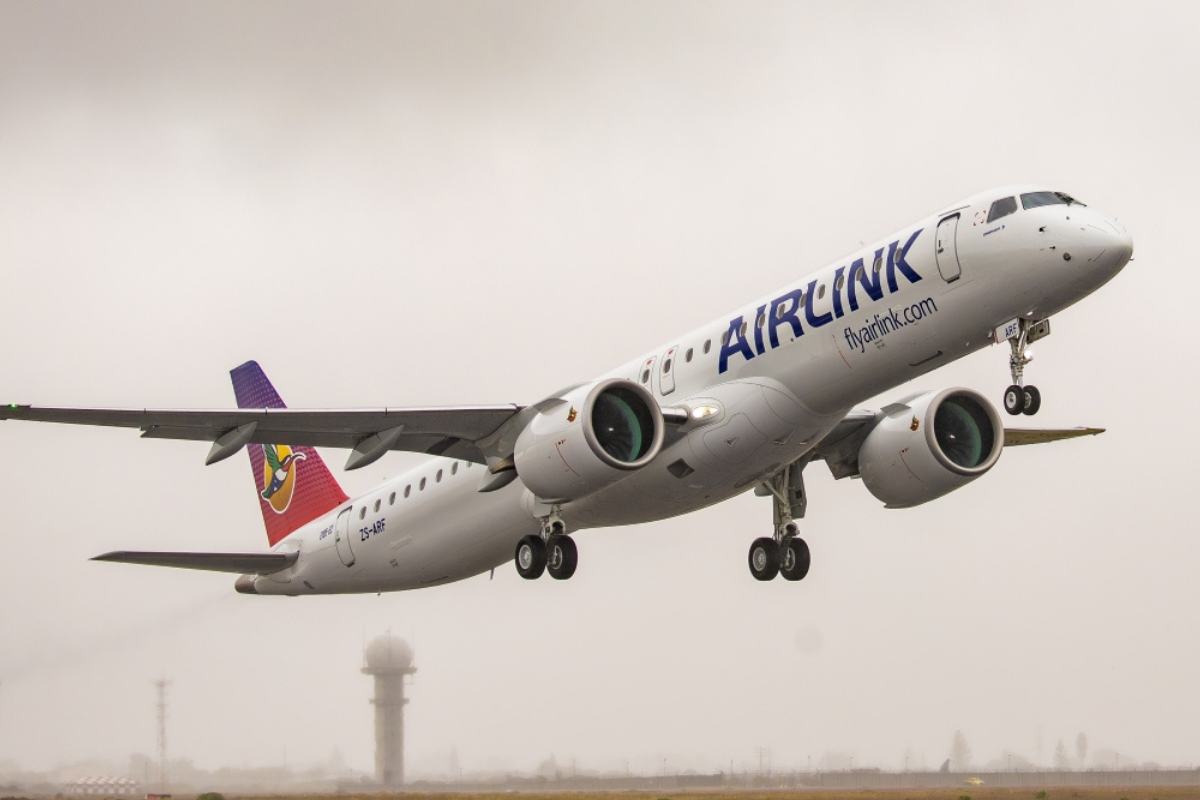
The timeline of the subsequent air travel is critical to the WHO’s current tracing efforts. One day after arriving on St Helena, the woman boarded the island’s only scheduled commercial link: an Airlink flight to Johannesburg. The four-hour journey was operated by an Embraer 190 regional jet. During the flight, the woman’s health failed rapidly. Upon landing in South Africa, she was transported to a hospital where she was pronounced dead the following day. It would take an additional nine days for laboratory technicians to confirm the presence of Hantavirus via Polymerase Chain Reaction (PCR) testing.
The Airlink Flight and the Risk of Human-to-Human Transmission
The WHO’s decision to trace all 98 passengers on the Airlink flight stems from the specific epidemiology of the Andes virus (ANDV). While most Hantaviruses are contracted through the inhalation of aerosolized excreta from infected rodents, the Andes strain—prevalent in Argentina and Chile—is unique. It is the only Hantavirus strain documented to undergo human-to-human transmission.
Medical experts note that while such transmission is uncommon, it usually occurs through close contact or the exchange of bodily fluids during the early symptomatic stages of the illness. Given that the woman was symptomatic and her condition "deteriorated" while in the confined environment of a regional jet for four hours, health officials are treating the other passengers as high-risk contacts.
The Embraer 190, like most modern commercial aircraft, is equipped with High-Efficiency Particulate Air (HEPA) filters capable of capturing 99.9% of airborne contaminants. However, the proximity of passengers in a regional jet configuration and the potential for direct contact during a medical emergency on board necessitate a thorough follow-up. South African health authorities are reportedly coordinating with international partners to monitor these individuals for the duration of the virus’s eight-week incubation window.
The MV Hondius: A Ship in Search of a Port
While the air travel component of the crisis is being managed in South Africa, the situation aboard the MV Hondius remains precarious. Following the initial two deaths, a third passenger, a female, died on May 2. Her symptoms followed a tragically familiar pattern: a short period of high fever that rapidly progressed into fatal pneumonia.
As of the latest reports, one male passenger remains in an Intensive Care Unit (ICU) in a South African hospital after being medically evacuated, and at least three other passengers on the ship are presenting with suspected symptoms.
The vessel has faced significant diplomatic and logistical hurdles in its attempt to secure medical aid for its remaining passengers. The government of Cabo Verde (Cape Verde) recently denied the ship permission to dock, citing concerns over the potential introduction of the virus to its population. The refusal highlights the ongoing sensitivity of port authorities to infectious disease outbreaks following the COVID-19 pandemic.
In a diplomatic breakthrough, the Spanish government has extended an invitation for the MV Hondius to sail to the Canary Islands. Spanish health officials are currently "standing up" specialized medical teams and bio-containment units to meet the ship. The Canary Islands, which possess advanced tertiary healthcare facilities, are better equipped to handle a viral hemorrhagic fever or pulmonary syndrome outbreak than the smaller island nations in the Atlantic.
Understanding Hantavirus and the Andes Strain
Hantaviruses are a family of viruses spread mainly by rodents. In the Americas, they cause Hantavirus Pulmonary Syndrome (HPS), a severe and sometimes fatal respiratory disease. According to data from the Centers for Disease Control and Prevention (CDC), HPS has a mortality rate of approximately 38%.
The Andes virus (ANDV) is particularly concerning to global health observers. First identified during an outbreak in El Bolsón, Argentina, in 1995, ANDV has been the subject of intense study due to its ability to spread between people. A significant outbreak in Epuyén, Argentina, between late 2018 and early 2019 resulted in 34 confirmed cases and 11 deaths, with evidence suggesting that nearly all cases were the result of human-to-human contact at a social gathering.
Symptoms of the Andes strain typically include:
- Initial Phase: Fever, chills, headache, and muscular aches (myalgia).
- Gastrointestinal Phase: Nausea, vomiting, and abdominal pain (often leading to misdiagnosis as common flu or appendicitis).
- Cardiopulmonary Phase: Rapid onset of shortness of breath, fluid accumulation in the lungs (pulmonary edema), and low blood pressure (hypotension).
The incubation period—the time from exposure to the appearance of symptoms—is notoriously long, ranging from one to eight weeks. This delay makes contact tracing and quarantine measures exceptionally difficult to maintain over the long term.
Official Responses and Risk Assessment
Despite the alarming nature of the deaths and the complexities of the tracing effort, the WHO has maintained a measured stance regarding the threat to the broader public. In its global epidemiological update, the organization stated that it "currently assesses the risk to the global population from this event as low."
This assessment is based on the fact that the outbreak is currently confined to a known group of individuals (the cruise passengers and their direct contacts) and that Hantavirus does not typically spread through casual, brief contact in the same manner as respiratory viruses like influenza or SARS-CoV-2.
"The WHO will continue to monitor the epidemiological situation and update the risk assessment as more information becomes available," the statement added.
The Spanish Ministry of Health has signaled that it is treating the arrival of the MV Hondius as a high-priority "controlled entry." Passengers will likely undergo rigorous screening and potentially a period of observation in the Canary Islands to ensure that no further cases emerge before they are allowed to repatriate to their home countries.
Broader Implications for Travel and Public Health
This incident underscores the inherent risks associated with expedition tourism in remote, ecologically sensitive regions. Ushuaia and the surrounding Patagonia/Andes region are popular hubs for "bucket list" travel, yet they remain endemic zones for specific zoonotic diseases.
For the aviation industry, the event highlights the continuing challenges of managing in-flight medical emergencies involving infectious diseases. While airlines have improved their protocols significantly over the last four years, the reliance on manual contact tracing for a virus with an eight-week incubation period represents a significant logistical burden for health departments.
Furthermore, the situation for St Helena—a territory that only recently gained a reliable air link—illustrates the vulnerability of remote communities. The use of the island as a transit point for a deceased individual and a symptomatic carrier has forced local authorities to review their own bio-security protocols for maritime arrivals.
As the MV Hondius nears the Canary Islands and the 98 passengers from the Airlink flight enter their second month of monitoring, the global health community remains on high alert. The success of the current containment strategy will depend on the speed of the Spanish medical response and the accuracy of the WHO’s tracing efforts in South Africa. For now, the focus remains on preventing a rare viral strain from finding a foothold in the general population.




 Anjar Salim
 Chandra Hamzah
 Tatiana Tantri Indah Sari

