
 Diana Nuri Rohmawati
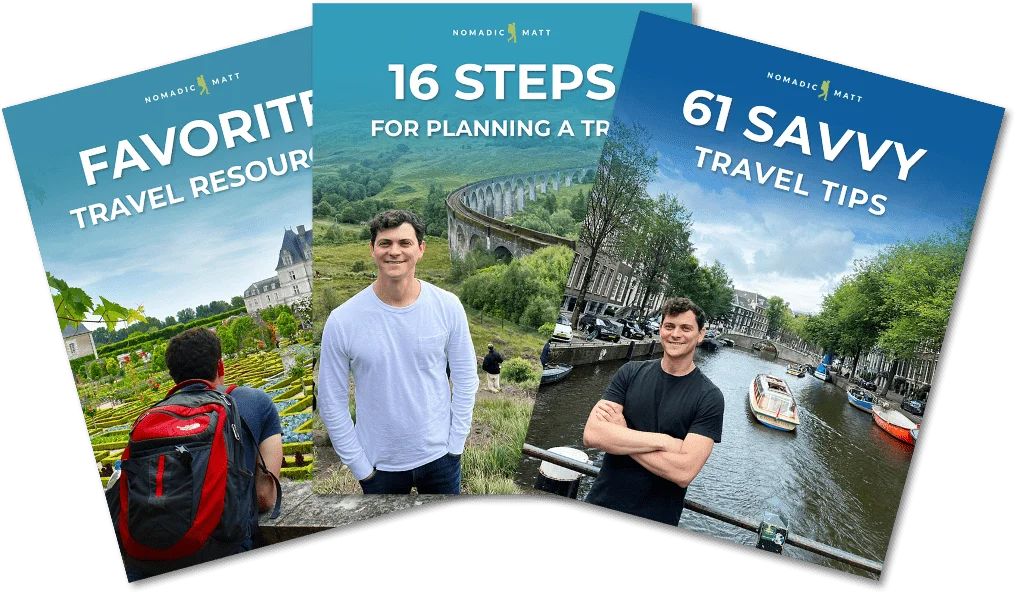
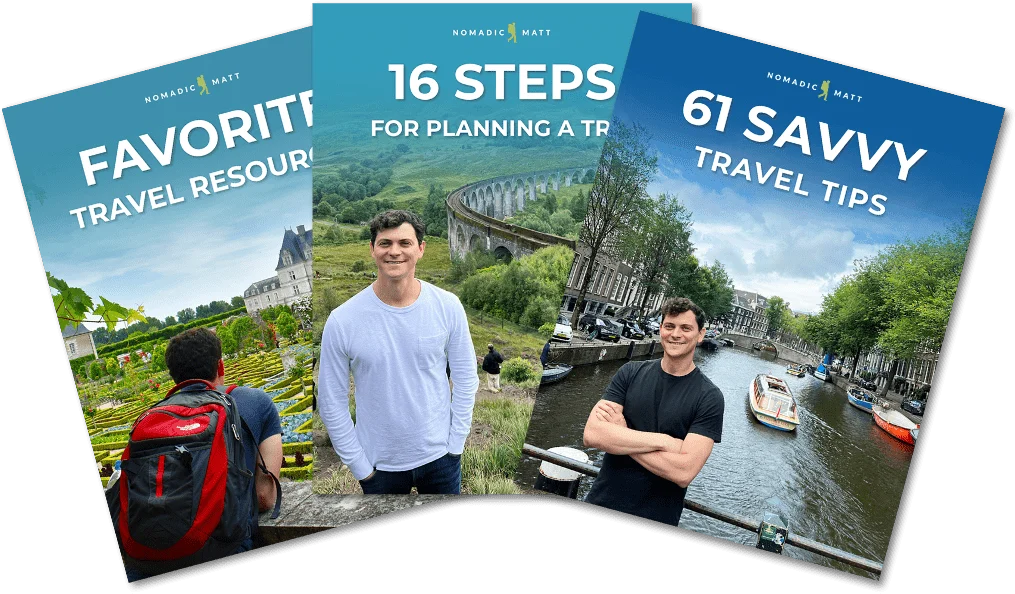
The digital travel landscape has undergone a radical transformation over the last two decades, moving from a niche collection of message boards to a multi-billion-dollar industry dominated by comprehensive resource hubs. At the center of this evolution is the platform known as Nomadic Matt, founded by Matthew Kepnes, which has transitioned from a personal travelogue into a massive educational and service-oriented ecosystem. This expansion reflects broader trends in the global travel industry, where travelers increasingly prioritize value-based experiences, financial literacy, and professionalized remote-work resources over traditional luxury tourism.
The Foundation and Historical Context of Modern Budget Travel
The genesis of the Nomadic Matt platform traces back to 2006, a period when the internet was beginning to disrupt traditional travel agencies. Matthew Kepnes, then a cubicle worker with an MBA background, embarked on a trip to Thailand that fundamentally altered his career trajectory. At that time, budget travel was often synonymous with "backpacking," a subculture viewed with skepticism by the mainstream tourism industry. However, the 2008 global financial crisis served as a significant catalyst, forcing a broader demographic to seek more cost-effective ways to explore the world.
As economic constraints tightened, the demand for "travel hacking"—the art of using credit card points and airline miles to subsidize costs—skyrocketed. Kepnes positioned his platform to address this need, moving beyond simple storytelling to provide actionable financial advice. This transition marked the beginning of the "prosumer" era in travel, where consumers were no longer passive recipients of holiday packages but active architects of their own itineraries.
Chronology of Platform Development
The growth of the Nomadic Matt ecosystem can be categorized into four distinct phases of development, each mirroring a shift in digital consumer behavior:
- The Blog Era (2008–2012): Focus was primarily on narrative content and basic budget tips. During this phase, the site established its authority by documenting the realities of long-term solo travel, a concept that was gaining traction among Millennials.
- The Diversification Phase (2013–2016): The platform expanded into destination-specific guidebooks and the publication of "How to Travel the World on $50 a Day." This period saw the professionalization of the brand, moving into the publishing sector to compete with established giants like Lonely Planet and Frommer’s.
- The Educational and Service Expansion (2017–2020): The launch of "Superstar Blogging" and personalized trip-planning services signaled a move toward a mentorship model. The platform began training the next generation of travel creators, recognizing the burgeoning "creator economy."
- The Post-Pandemic Resilience Phase (2021–Present): Following the global travel hiatus caused by COVID-19, the platform pivoted to emphasize safety, insurance (partnering with firms like SafetyWing), and the rise of the "digital nomad" lifestyle as a permanent fixture of the modern workforce.
Supporting Data: The Economics of the Budget Travel Sector
Market research indicates that the budget travel sector is one of the fastest-growing segments of the tourism industry. According to data from Allied Market Research, the global youth travel market—a core demographic for budget-oriented platforms—was valued at approximately $333 billion in 2019 and is projected to reach over $400 billion by 2027.
Furthermore, the rise of the digital nomad has fundamentally changed the duration of trips. While traditional vacations lasted 7 to 14 days, the modern nomadic traveler often spends 3 to 6 months in a single region. This shift has increased the demand for specialized services:
- Accommodation: Platforms like Booking.com have seen a surge in "long-stay" bookings, often exceeding 28 days.
- Aviation: Aggregators like Skyscanner have become essential tools for travelers managing complex, multi-city itineraries that do not follow traditional round-trip patterns.
- Financial Services: Travel-specific credit cards have become a primary tool for mid-range and budget travelers alike. Industry reports suggest that nearly 45% of frequent travelers now use a dedicated travel rewards card to offset the costs of international flights.
The Role of Strategic Partnerships and Affiliate Integration
The modern Nomadic Matt platform operates as a sophisticated portal that integrates service providers directly into the user experience. By vetting and recommending specific companies—such as SafetyWing for nomad insurance or various flight aggregators—the platform acts as a trusted intermediary in an oversaturated market.
This business model is supported by affiliate marketing, a standard but critical component of the digital economy. For the consumer, this integration provides a "one-stop-shop" for logistical needs, including flights, accommodation, and insurance. For the industry, it represents a shift in how travel products are sold; instead of through direct advertising, sales are driven by editorial trust and long-form educational content.
Professional Responses and Industry Implications
The travel industry’s response to the rise of independent travel hubs has been one of adaptation. Traditional travel agencies have largely been replaced by these digital resource centers that offer more transparency regarding costs and local experiences. Industry analysts suggest that the success of platforms like Nomadic Matt lies in their "boots-on-the-ground" authenticity, which corporate travel entities often struggle to replicate.
Statements from travel tech executives often highlight the importance of "niche authority." In an era of AI-generated content, travelers are gravitating back toward human-curated guides and personal mentorship. The "Superstar Blogging" mentorship program, for instance, addresses the need for high-quality, ethical journalism in a field often criticized for being overly promotional. This move toward professionalizing the "influencer" space suggests a maturation of the digital travel media industry.
Broader Impact: The Democratization of Global Mobility
The long-term impact of these resources extends beyond individual savings; it has contributed to the democratization of global mobility. By breaking down the financial barriers to international travel, these platforms have made it possible for a wider demographic—including those from lower-income backgrounds—to engage in cross-cultural exchange.
The emphasis on "Destination Guides" and "Favorite Neighborhoods" encourages travelers to move away from over-touristed hubs and into local communities, potentially aiding in a more equitable distribution of tourism revenue. However, this also brings challenges, such as the "gentrification" of neighborhoods as they become popular among digital nomads, a topic that remains a point of critical discussion within the travel community.
Analysis of Future Trends in Travel Planning
Looking forward, the integration of specialized services like "Trip Planning Services" and "Blogging Mentorship" indicates that the future of travel media is interactive. Static information is no longer sufficient; travelers now seek personalized consulting that accounts for their specific career goals (in the case of nomads) or financial constraints.
The inclusion of legal and privacy frameworks, such as "Terms of Use" and "Privacy Policy" in the platform’s infrastructure, reflects the increasing regulatory scrutiny on digital platforms. As travel data becomes more valuable, the transparency of how these platforms operate will be a key factor in maintaining user trust.
Conclusion
The Nomadic Matt platform serves as a microcosm of the broader shifts in the global travel industry. What began as a personal quest to see the world has evolved into a comprehensive infrastructure that supports the logistical, financial, and educational needs of millions of travelers. By bridging the gap between traditional travel resources and the modern digital economy, the platform has played a pivotal role in redefining what it means to be a traveler in the 21st century. As the industry continues to navigate the complexities of post-pandemic mobility and the rise of remote work, the reliance on vetted, authoritative hubs for budget travel and nomadic living is expected to grow, further solidifying the link between digital media and global exploration.


 Anjar Salim
 Chandra Hamzah
 Tatiana Tantri Indah Sari
 Budi Mulyono

