
 Chandra Hamzah
The allure of New Zealand’s dramatic landscapes and vibrant cities as a cruise destination has waned considerably for Australian travellers. In 2023, approximately 133,000 Australians chose New Zealand as their preferred cruise destination. However, this figure has plummeted by a staggering 41 per cent to just 78,000 in 2025, signalling a dramatic downturn in trans-Tasman cruise tourism. This seismic shift, which was anticipated by industry bodies, underscores a complex interplay of economic factors, regulatory changes, and strategic decisions by major cruise lines. The ripple effects are also being felt across the Tasman, with a reciprocal decline in New Zealanders opting for Australian cruise itineraries.
The Declining Numbers: A Stark Reality
The stark statistics paint a clear picture of a faltering cruise market between Australia and New Zealand. The nearly 41% drop in Australian visitors to New Zealand for cruises between 2023 and 2025 represents a loss of almost 55,000 passengers. This decline was foreshadowed by the New Zealand Cruise Association (NZCA) last year, which warned of an impending significant reduction in cruise numbers. However, the magnitude of the decrease specifically from the Australian market has proven to be particularly impactful.
The sentiment appears to be mutual, with a corresponding decline in New Zealanders choosing Australia for their cruising holidays. In 2023, 66,000 New Zealanders embarked on cruises to Australian shores. By 2025, this number has halved, with only 33,000 Kiwis cruising in Australia. This reciprocal decline further exacerbates the challenges faced by the trans-Tasman cruise sector.
Root Causes: A Multifaceted Challenge
Several key factors have converged to create this challenging environment for New Zealand as a cruise destination. A primary driver has been the significant reduction in the number of cruises offered between Australia and New Zealand over the past two years. Major cruise lines such as Carnival, Royal Caribbean, and Princess Cruises, which represent the largest players in the Australian market, have been instrumental in this reduction.
This strategic recalibration by cruise operators has led to New Zealand itineraries becoming increasingly positioned as premium offerings. Lines like Royal Caribbean and Princess Cruises, with fewer New Zealand sailings available each season, are now pricing these voyages significantly higher than other destinations. This premium pricing strategy, while potentially boosting revenue per cruise, inherently limits passenger volume.
Economic and Regulatory Pressures on New Zealand Cruising
The post-pandemic era has seen cruise lines intensely focused on profitability, and New Zealand has emerged as a particularly challenging market. A significant contributing factor has been the implementation of new environmental protection laws and increased customs and regulatory fees for cruise ships. These measures, coupled with an already expensive regulatory environment and the considerable fuel costs associated with the long distances from Australia, have made operating New Zealand itineraries less economically viable for cruise lines. The cumulative effect of these operational and regulatory hurdles has prompted cruise lines to significantly slash their New Zealand offerings.
The reliance of the New Zealand cruise industry on Australian cruisers is a critical vulnerability. While the Australian cruise industry possesses the flexibility to redirect cruise traffic to other domestic regions or the South Pacific, New Zealand’s industry is heavily dependent on inbound passengers from its larger neighbour. In 2025, only a total of 33,300 New Zealanders cruised within their local region (Australia, New Zealand, or the South Pacific). Consequently, the loss of nearly 60,000 Australian visitors over a two-year period represents a substantial economic blow to New Zealand’s tourism sector.
Furthermore, there is a discernible trend among New Zealanders themselves to seek longer, more exotic cruise experiences. In 2025, 46.3 per cent of all New Zealand cruisers opted for long-haul destinations, a notable increase from 34.5 per cent in 2024. This shift in consumer preference among the local population further diminishes the potential passenger base for trans-Tasman cruises.
A Timeline of Decline and Industry Response
The challenges facing New Zealand’s cruise sector did not emerge overnight. The NZCA’s warning last year served as an early indicator of the impending downturn. The period between 2023 and 2025 has witnessed a significant contraction in available itineraries, driven by the strategic decisions of major cruise lines.
- 2023: A peak year for Australian cruisers to New Zealand, with approximately 133,000 visitors.
- 2024: The New Zealand Cruise Association issues a warning about an impending drop in cruise numbers. New Zealanders also begin a noticeable shift towards long-haul cruising (34.5% of all NZ cruisers).
- 2025: Australian visitors to New Zealand for cruises plummet to 78,000, a 41% decrease from 2023. New Zealanders cruising in Australia also halve to 33,000. The percentage of New Zealanders opting for long-haul cruises rises to 46.3%.
- Ongoing: Major cruise lines like Carnival, Royal Caribbean, and Princess Cruises reduce their New Zealand itineraries due to economic and regulatory factors.
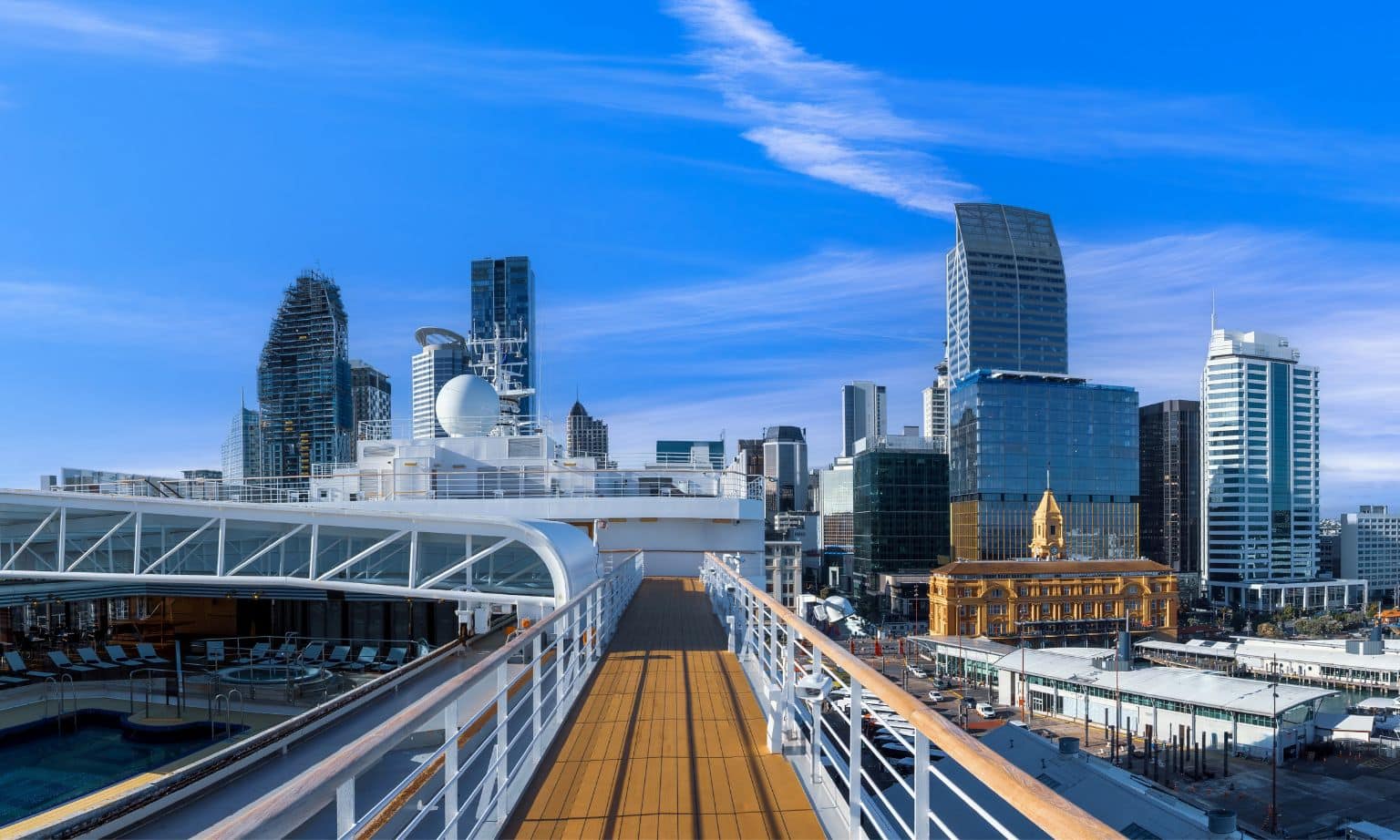
In response to this escalating crisis, New Zealand has begun to implement a series of measures aimed at revitalizing its cruise industry. The government has collaborated with industry stakeholders to develop a strategic action plan. Key initiatives include the development of a new international cruise terminal in Auckland, a definitive resolution to the potential ban on cruising in Milford Sound, the installation of hull cleaning facilities at Auckland Port, and efforts to attract Carnival cruises to homeport out of Auckland. These initiatives represent a concerted effort to enhance New Zealand’s appeal and operational efficiency for cruise lines.
The Road Ahead: An Uphill Battle
Despite these proactive measures, the path to recovery for New Zealand’s cruise industry is expected to be arduous. The strategic priorities of major cruise lines are shifting, presenting significant hurdles. Royal Caribbean, for instance, has already reduced its New Zealand sailings by up to 70% in recent years and is now focusing on its private destination, Lelepa, in the Pacific for new itineraries.
Carnival, which exclusively offers New Zealand sailings from Sydney, is making significant fleet adjustments. The deployment of the Carnival Adventure to the USA for half of the year from 2028 indicates a reduced commitment to the Australian-New Zealand market. Princess Cruises, while adding a third ship to its Australian operations for the 2027/28 season, will primarily deploy it to Western Australia, diverting it from New Zealand routes. Adding to these challenges, Disney Cruises, a line that previously homeported some cruises out of Auckland, is withdrawing from the region entirely.
The implications of these shifts are profound. For New Zealand, the decline in Australian cruise passengers represents a significant economic loss, impacting port revenues, shore excursion operators, and the broader tourism ecosystem. The reduction in cruise ship calls directly affects the economic contributions that the cruise industry traditionally makes to local economies through passenger and crew spending.
Broader Implications and Future Outlook
The challenges faced by New Zealand’s cruise sector are indicative of broader trends within the global cruise industry, particularly the increasing emphasis on profitability and the optimization of resource allocation. Cruise lines are continually evaluating the economic viability of various itineraries, taking into account operational costs, regulatory environments, and market demand.
For Australia, the situation presents both challenges and opportunities. While the loss of New Zealand as a primary destination for some cruise itineraries might lead to a decrease in trans-Tasman travel, it also presents an opportunity for Australia to further develop its domestic cruise offerings and to strengthen its position as a hub for South Pacific cruises. The Australian cruise industry’s ability to redirect cruise traffic to other parts of Australia and the South Pacific highlights its inherent resilience and adaptability.
However, the long-term recovery of New Zealand’s cruise industry will likely require more than just localized strategic decisions. A coordinated approach involving both Australia and New Zealand may be necessary. This could include Australia developing its own comprehensive cruise strategy that incentivizes more ships to operate domestically and encourages greater trans-Tasman travel. Such a strategy could help to counter the trend of cruise lines opting for potentially cheaper and more straightforward itineraries in the local and South Pacific regions.
The latest figures from the Cruise Lines International Association (CLIA) underscore the severity of New Zealand’s cruise crisis. These numbers are expected to be further reflected in upcoming economic impact reports, providing a more detailed quantitative analysis of the losses incurred. The ongoing efforts by New Zealand to court cruise lines suggest a determination to reverse this trend, but the significant operational and strategic shifts by major cruise operators indicate that this will be a long and challenging road. The future of trans-Tasman cruising hinges on a delicate balance of regulatory reform, economic incentives, and strategic alignment between cruise lines and destination ports.



 Anjar Salim
 Tatiana Tantri Indah Sari
 Budi Mulyono
