
 Lukman Taruna Persada Ramadan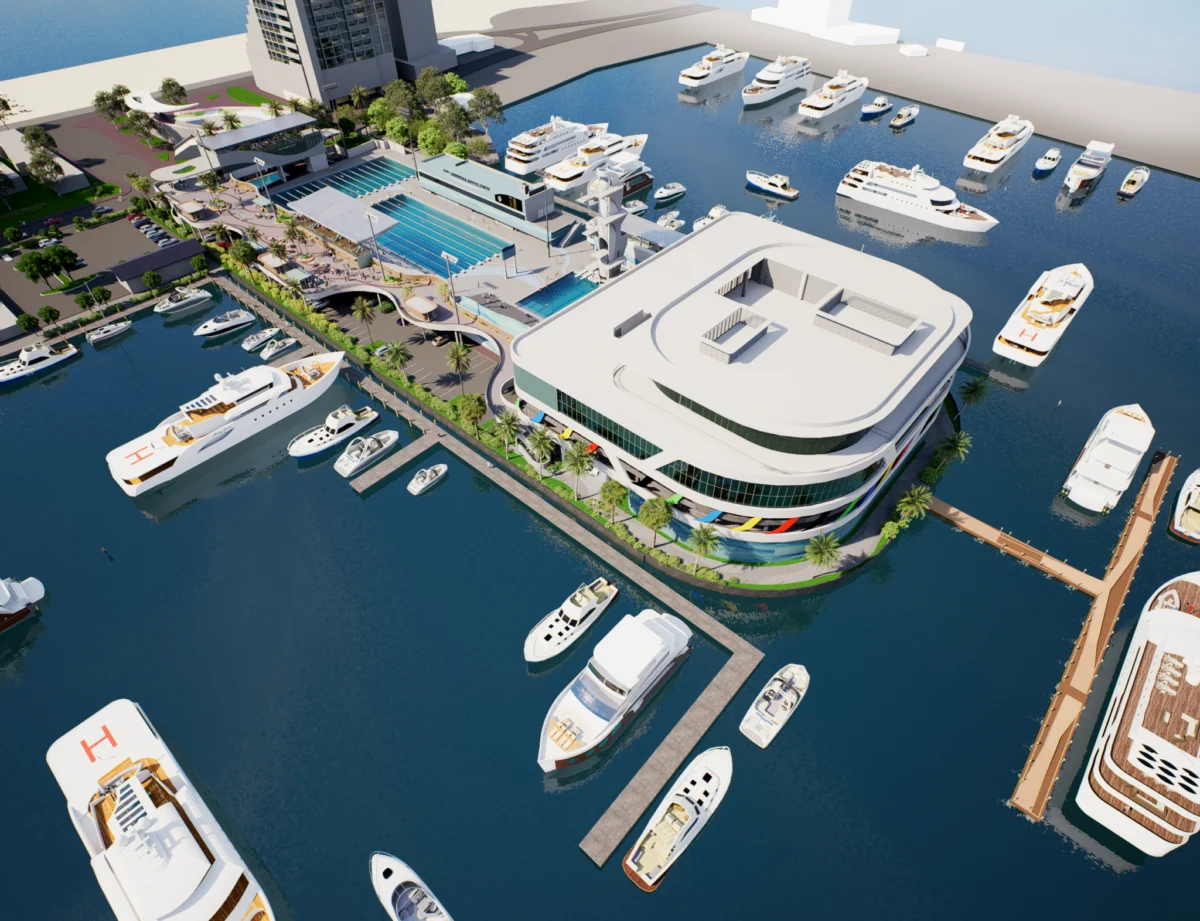
Fort Lauderdale, often celebrated as the "Venice of America" for its intricate network of canals and waterways, is embarking on a transformative journey with the development of The Water District. This ambitious 5-acre waterfront project, currently under construction and slated for a grand debut in 2028, promises to redefine the city’s appeal as a premier destination, seamlessly blending education, entertainment, and urban recreation. Envisioned as a dynamic hub designed for "repeat, all-day experiences," The Water District will introduce a state-of-the-art marine aquarium, a comprehensively reimagined International Swimming Hall of Fame, an expansive public promenade, and sophisticated rooftop dining venues. The project represents a significant investment in Fort Lauderdale’s future, reinforcing its status as a global hotspot for tourism and aquatic sports.
A New Icon for Fort Lauderdale’s Waterfront
The Water District is strategically positioned to leverage Fort Lauderdale’s natural beauty and established reputation as a boating and beach destination. This sprawling development aims to create a cohesive urban experience that draws both residents and international visitors. Its design philosophy centers on integrating diverse attractions within a pedestrian-friendly environment, fostering a sense of discovery and engagement that encourages prolonged visits. The project’s magnitude and scope suggest a deliberate effort to elevate Fort Lauderdale’s cultural and recreational infrastructure, making it a more competitive destination on the world stage.
Pivotal Components of The Water District
The development is a meticulously planned ecosystem of attractions, each designed to offer unique value and contribute to the overall vibrancy of the district.
The State-of-the-Art Marine Aquarium:
Central to The Water District’s appeal will be its cutting-edge marine aquarium. This facility is poised to be more than just a display of aquatic life; it aims to be an immersive educational and interactive experience. At its heart will be an impressive 10,000-gallon tank, serving as the focal point for a diverse array of marine species. Surrounding this central feature, interactive screens will provide visitors with in-depth information, engage them with multimedia presentations, and offer opportunities for personalized learning about ocean ecosystems, marine conservation, and local aquatic biodiversity. The aquarium is expected to house a variety of habitats, from vibrant coral reefs to mysterious deep-sea environments, showcasing both regional Floridian marine life and exotic species from around the globe. Beyond its aesthetic appeal, the aquarium is anticipated to become a vital center for marine research and conservation efforts, collaborating with local universities and environmental organizations to promote ocean literacy and sustainable practices. Its design, likely incorporating advanced life support systems and visitor flow management, will ensure an optimal experience while prioritizing animal welfare.
The Reimagined International Swimming Hall of Fame (ISHOF):
A cornerstone of The Water District is the redesigned International Swimming Hall of Fame, a facility of immense global significance. This institution holds the unique distinction of being the only facility in the Western Hemisphere with official World Aquatics recognition. This accreditation underscores its authority and importance within the international aquatic sports community. The new ISHOF will serve as a beacon for the sport, attracting governing bodies, world champions, aspiring athletes, and aquatic fans from across the globe. It will likely feature interactive exhibits celebrating the history of swimming, diving, water polo, synchronized swimming, and open water swimming, showcasing legendary athletes, technological advancements in swimwear and training, and the evolution of aquatic competitions. The Hall of Fame is not just a museum; it’s a dynamic center for celebrating excellence and inspiring future generations in aquatic sports. Its relocation and modernization within The Water District signifies a renewed commitment to its mission of preserving and promoting the history of aquatic sports.
Adjacent to the ISHOF will be the Fort Lauderdale Aquatic Center, a world-class facility designed to host elite competitions and provide public access for training and recreation. This center will feature a state-of-the-art dive tower, capable of accommodating international diving events, and a grandstand with ample seating for spectators. The integration of the Aquatic Center with the ISHOF creates a powerful synergy, establishing The Water District as a global nexus for aquatic sports, capable of drawing major tournaments, training camps, and conventions, thereby significantly boosting sports tourism in the region.
The High Line-Inspired Elevated Promenade:
A distinctive architectural and urban planning feature of The Water District is its High Line-inspired elevated promenade. Drawing inspiration from New York City’s acclaimed High Line park, which transformed an abandoned railway into a vibrant public greenway, Fort Lauderdale’s promenade will connect two primary buildings, creating a seamless, elevated waterfront experience. This design promotes pedestrian activity, offering visitors uninterrupted views of the Intracoastal Waterway and the surrounding cityscape. The promenade is envisioned as more than just a walkway; it will be a landscaped public space, potentially featuring green areas, public art installations, and shaded seating, encouraging leisurely strolls and social interaction. Its elevated nature provides a unique perspective of the city’s marine activity and enhances the sense of being immersed in the waterfront environment. The long-term vision for this promenade includes the potential for it to extend all the way to the ocean, creating an unprecedented linear park and pedestrian corridor that would further integrate the city’s urban core with its iconic beaches, dramatically enhancing public access to Fort Lauderdale’s most cherished natural assets.
Rooftop Dining and Premier Event Spaces:
The Water District will elevate Fort Lauderdale’s culinary and event scene with a sophisticated rooftop restaurant managed by Apogee Lauderdale. This establishment is poised to become a sought-after destination, offering panoramic views of the picturesque Intracoastal Waterway. The dining experience will likely be complemented by a menu featuring locally sourced ingredients and innovative cuisine, reflecting Fort Lauderdale’s evolving gastronomic landscape. Beyond everyday dining, the rooftop facility will include premier event spaces, ideal for a wide array of high-profile gatherings. These spaces are being designed to accommodate corporate launches, significant fundraisers, and exclusive black-tie galas, providing a luxurious backdrop for memorable occasions. The inclusion of V.I.P. suites will add an extra layer of exclusivity and personalized service, catering to discerning guests and high-net-worth individuals. This component of The Water District is expected to significantly enhance Fort Lauderdale’s appeal as a destination for luxury events and business tourism.
Frameless: An Immersive Digital Art Experience:
Adding a contemporary cultural dimension to The Water District is Frameless, an immersive digital art experience. This innovative attraction will transform iconic works from across art history into a fully immersive, multi-sensory environment. Visitors will be able to step inside masterpieces, experiencing art in a dynamic and interactive way that transcends traditional gallery viewing. This type of experience, which has gained significant popularity globally, appeals to a broad audience, from art enthusiasts to those seeking unique entertainment. Frameless will likely utilize advanced projection mapping and sound design technologies to create a captivating and memorable journey through artistic expression, further diversifying The Water District’s offerings and positioning it as a cultural innovator.
Timeline and Development Context
The journey to The Water District’s 2028 debut is the culmination of years of planning, design, and strategic investment. While specific groundbreaking dates for the entire 5-acre project might vary by phase, the overarching vision has been under development for some time, reflecting Fort Lauderdale’s ongoing commitment to urban renewal and economic diversification. The project’s current construction phase indicates significant progress, with various components likely moving through different stages of development. The selection of Stantec Miami, credited for the project’s aerial plan, highlights the involvement of leading architectural and design firms in shaping this ambitious undertaking. The 2028 completion date provides a clear target for the public and stakeholders, allowing for phased marketing and preparation for the grand opening. This timeline aligns with broader trends in large-scale urban development, where complex, multi-faceted projects often require several years from conception to realization, involving intricate coordination between developers, city planning departments, and various contractors.
Economic and Societal Impact
The Water District is projected to deliver substantial economic and societal benefits to Fort Lauderdale and the broader South Florida region.
Economic Catalyst:
The construction phase itself generates thousands of direct and indirect jobs, from skilled tradespeople to project managers and suppliers. Upon completion, the operational phase of The Water District will create a significant number of permanent jobs across various sectors, including hospitality, retail, marine biology, sports management, and event coordination. This influx of employment opportunities will stimulate the local economy and provide career pathways for residents. Beyond direct job creation, The Water District is expected to be a powerful magnet for tourism. The unique combination of attractions – a world-class aquarium, an internationally recognized sports hall of fame, innovative art, and upscale dining – will draw a diverse range of visitors, including families, sports enthusiasts, art lovers, and business travelers. This increased foot traffic will generate significant revenue for local businesses, including hotels, independent restaurants, retail shops, and transportation services. Increased tourism also translates into higher tax revenues for the city, which can be reinvested in public services and infrastructure improvements.
Urban Revitalization and Branding:
The development will significantly contribute to the revitalization of Fort Lauderdale’s waterfront, transforming previously underutilized areas into vibrant public spaces. This enhancement of urban aesthetics and functionality will strengthen Fort Lauderdale’s brand as a modern, dynamic, and culturally rich city, moving beyond its traditional image as solely a beach destination. The public promenade, in particular, will provide accessible green space and recreational opportunities for residents, fostering a greater sense of community and connection to the waterfront.
Educational and Cultural Enrichment:
The marine aquarium will serve as a vital educational resource, offering programs for schools and the general public on marine science, conservation, and environmental stewardship. The International Swimming Hall of Fame will not only preserve the history of aquatic sports but also inspire new generations through its exhibits and potentially host youth programs and clinics. Frameless will broaden cultural horizons by making art history accessible and engaging through innovative technology. These components collectively enrich the educational and cultural landscape of Fort Lauderdale, providing enriching experiences for all ages.
Statements and Reactions (Inferred)
While specific official statements were not provided in the original text, the nature of such a large-scale project allows for logical inference regarding anticipated reactions from key stakeholders:
Developers and Project Visionaries: Representatives from The Water District development team would likely emphasize their commitment to creating a landmark destination that honors Fort Lauderdale’s unique identity while pushing the boundaries of urban entertainment and cultural engagement. They would highlight the meticulous planning, innovative design (as exemplified by Stantec Miami’s work), and the synergistic integration of diverse attractions aimed at creating unparalleled visitor experiences and long-term value for the city. Their statements would underscore the project’s role in future-proofing Fort Lauderdale’s tourism economy.
City of Fort Lauderdale Officials: City leaders and planning authorities would undoubtedly express strong support for The Water District, recognizing its potential to be a major economic driver and a significant enhancement to public amenities. They would likely praise the project’s alignment with urban development goals, its focus on public access (e.g., the promenade), and its ability to attract diverse tourism segments. Statements would likely highlight the collaboration between public and private sectors in bringing such an ambitious vision to fruition and the anticipated boost to city revenues and global recognition.
Tourism and Hospitality Sector: Local tourism boards, hotel associations, and restaurant groups would likely welcome The Water District with enthusiasm. They would foresee a substantial increase in visitor numbers, longer average stays, and a broadening of Fort Lauderdale’s appeal beyond its traditional offerings. Their statements would focus on the increased demand for accommodations, dining, and ancillary services, and how the project strengthens Fort Lauderdale’s position in the competitive South Florida tourism market.
World Aquatics and ISHOF Leadership: Officials from World Aquatics and the International Swimming Hall of Fame would express immense excitement for their new, state-of-the-art home. They would highlight the enhanced capacity to celebrate aquatic sports, inspire future athletes, and host international events. Their remarks would emphasize the global significance of the new ISHOF facility and its role in promoting aquatic sports worldwide, drawing attention to Fort Lauderdale as a premier destination for competitive swimming and related disciplines.
Broader Impact and Future Implications
The Water District represents more than just a collection of new attractions; it symbolizes a forward-thinking approach to urban development and destination branding. By diversifying its appeal, Fort Lauderdale is positioning itself to attract a wider demographic of visitors and investors. The emphasis on "repeat, all-day experiences" indicates a shift towards creating destinations that encourage longer stays and deeper engagement, moving beyond transient visits.
The project’s integration of educational, cultural, and recreational elements reflects a modern understanding of what makes a city vibrant and appealing. It addresses the growing demand for authentic, enriching experiences that combine leisure with learning and physical activity. Furthermore, the commitment to public spaces, such as the High Line-inspired promenade, underscores a dedication to enhancing the quality of life for residents while simultaneously boosting tourism.
As Fort Lauderdale continues to evolve, The Water District is poised to become a central pillar of its identity, a place where the city’s natural beauty converges with innovative design and world-class attractions. Its 2028 debut will not just mark the opening of a new development, but the unveiling of a revitalized vision for one of Florida’s most iconic coastal cities, solidifying its place as a truly global destination. The long-term success of The Water District will likely serve as a model for future urban development projects, demonstrating how strategic investment in public and private ventures can create sustainable growth, enhance community well-being, and elevate a city’s international standing.



 Anjar Salim
 Chandra Hamzah
 Tatiana Tantri Indah Sari
 Budi Mulyono

