
 Budi Mulyono
The Chief Executive Officer of Ryanair, Michael O’Leary, has formally proposed a significant regulatory shift in the aviation industry by calling for a ban on the sale of alcohol at airports before 10:00 AM and a strict two-drink limit per passenger. The proposal aims to address a surge in unruly passenger behavior, which O’Leary claims is increasingly fueled by early-morning drinking in airport terminals. According to the airline executive, Ryanair now faces an average of one flight diversion per day due to disruptions caused by intoxicated travelers, a statistic that highlights a growing operational and safety challenge for low-cost carriers and major airlines alike.
The call for reform targets a long-standing legal exemption in the United Kingdom and several other jurisdictions where airport bars and restaurants are not bound by the same licensing hours as high-street establishments. O’Leary’s intervention comes at a time when the aviation industry is grappling with a post-pandemic spike in "air rage" incidents, leading to renewed scrutiny of the relationship between airport retail revenue and inflight safety.
The Legal Context and the Airside Loophole
Central to O’Leary’s argument is the discrepancy between general licensing laws and those governing international transit hubs. In England and Wales, the Licensing Act 2003 regulates the sale and supply of alcohol, typically restricting sales in many venues until late morning or requiring specific late-night licenses. However, "airside" areas—the zones located after security checkpoints—are currently exempt from these restrictions. This allows bars to serve alcohol as early as 4:00 AM or 5:00 AM to cater to passengers waiting for the first wave of departing flights.
O’Leary has labeled this exemption as illogical, questioning the necessity of alcohol consumption during the dawn hours. He noted that while high-street pubs are regulated to maintain public order, airport environments—where passengers are subsequently confined to pressurized cabins at 30,000 feet—operate under a more permissive framework. The Ryanair CEO argued that airports are "profiteering" from these sales while effectively "exporting the problem" to airline crews who must manage the consequences once the aircraft doors are closed.
Chronology of Rising Inflight Disruptions
The push for restricted alcohol sales is not an isolated reaction but the culmination of a multi-year trend in aviation safety data.
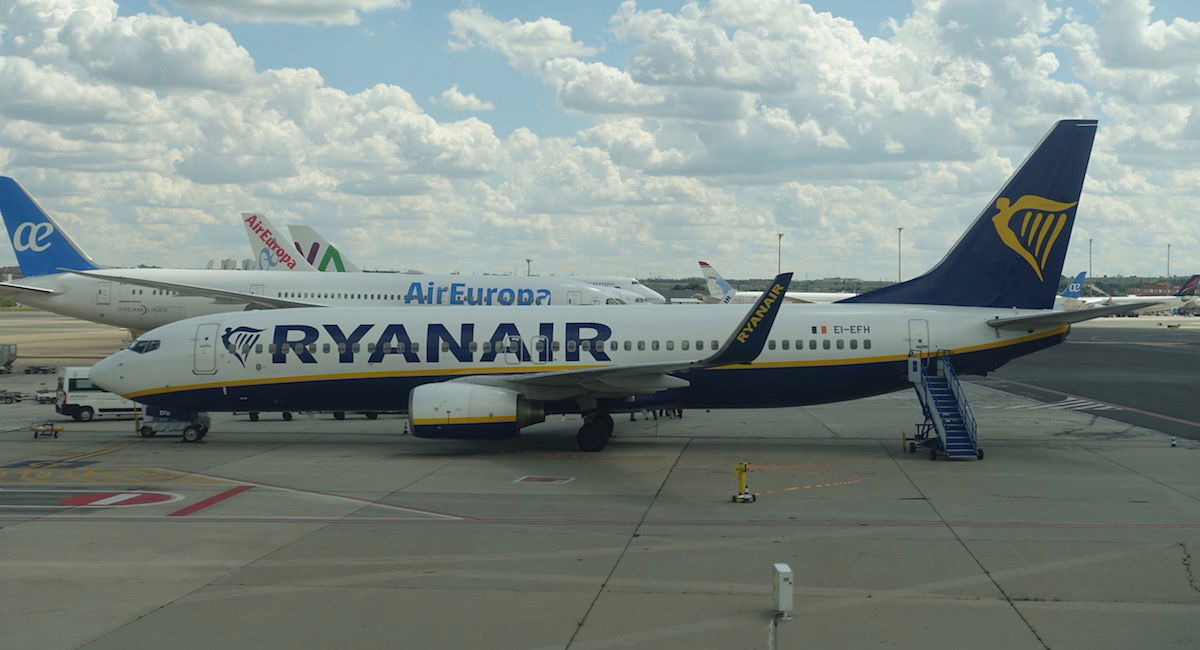
- Pre-2020 Stability: Prior to the COVID-19 pandemic, unruly passenger incidents were relatively stable, though alcohol was already identified as a leading factor in approximately 25% of cases.
- The 2021-2022 Spike: As global travel resumed, airlines reported a dramatic increase in non-compliance and verbal abuse. In 2022, the International Air Transport Association (IATA) reported one unruly passenger incident for every 568 flights, a 47% increase from 2021.
- 2023-2024 Crisis: By 2024, the nature of disruptions shifted from mask-related disputes to physical altercations and severe intoxication. Ryanair’s internal data, cited by O’Leary, indicates that the frequency of these events has reached a critical threshold, necessitating daily diversions that disrupt thousands of passengers and incur massive logistical costs.
The "summer of 2024" was particularly volatile for European carriers, with several high-profile incidents involving groups of passengers traveling to Mediterranean "party destinations" like Ibiza, Alicante, and Palma de Mallorca. These routes, characterized by early morning departures, have become the primary focus of Ryanair’s proposed restrictions.
Economic and Operational Impact of Diversions
For an airline like Ryanair, which operates a high-frequency, point-to-point model, a single flight diversion is an expensive and logistically complex event. When a passenger’s behavior necessitates an unscheduled landing, the airline incurs several layers of costs:
- Fuel and Landing Fees: Diverting a Boeing 737-800 requires significant extra fuel and payment of unplanned landing and handling fees at a secondary airport.
- Passenger Compensation and Rebooking: If the diversion causes a delay that falls under EU261 or UK261 regulations, the airline may be liable for meals, hotels, and compensation for hundreds of other passengers.
- Crew Logistics: Flight crews have strict legal limits on "Flight Duty Period" (FDP). A diversion can push a crew over their legal hours, requiring the airline to fly in a replacement crew or ground the aircraft overnight.
- Reputational Damage: Persistent disruptions can affect brand loyalty and increase the emotional toll on frontline staff, leading to higher turnover rates among cabin crew.
Industry analysts estimate that a single mid-haul diversion can cost an airline between £10,000 and £80,000, depending on the location and the duration of the delay. By citing "one diversion per day," O’Leary is highlighting a multimillion-pound annual drain on the company’s bottom line, which he believes could be mitigated through simple legislative changes at the airport level.
Industry Data and Supporting Statistics
Data from the Civil Aviation Authority (CAA) and IATA support the claim that alcohol remains a primary catalyst for conflict. IATA’s 2023 report highlighted that while physical violence remains rare (occurring in about 1 in 17,000 flights), verbal abuse and intoxication-related non-compliance are rampant.
Furthermore, the European Union Aviation Safety Agency (EASA) has previously launched "Fly Right" campaigns, emphasizing that intoxicated behavior endangers not just the individual but the safety of the entire aircraft. The agency notes that at high altitudes, the effects of alcohol are exacerbated by lower oxygen levels in the blood, meaning a passenger who feels "tipsy" on the ground may become significantly more impaired once the cabin is pressurized.
Counter-Arguments and the Onboard Sales Conflict
The proposal has met with resistance from airport operators and retail associations. The Airport Operators Association (AOA) has historically argued that the vast majority of passengers drink responsibly and that airport revenue—of which food and beverage sales make up a significant portion—is vital for keeping landing fees low for airlines. Analysts point out that non-aeronautical revenue (retail, parking, and catering) can account for as much as 40% to 50% of an airport’s total income.
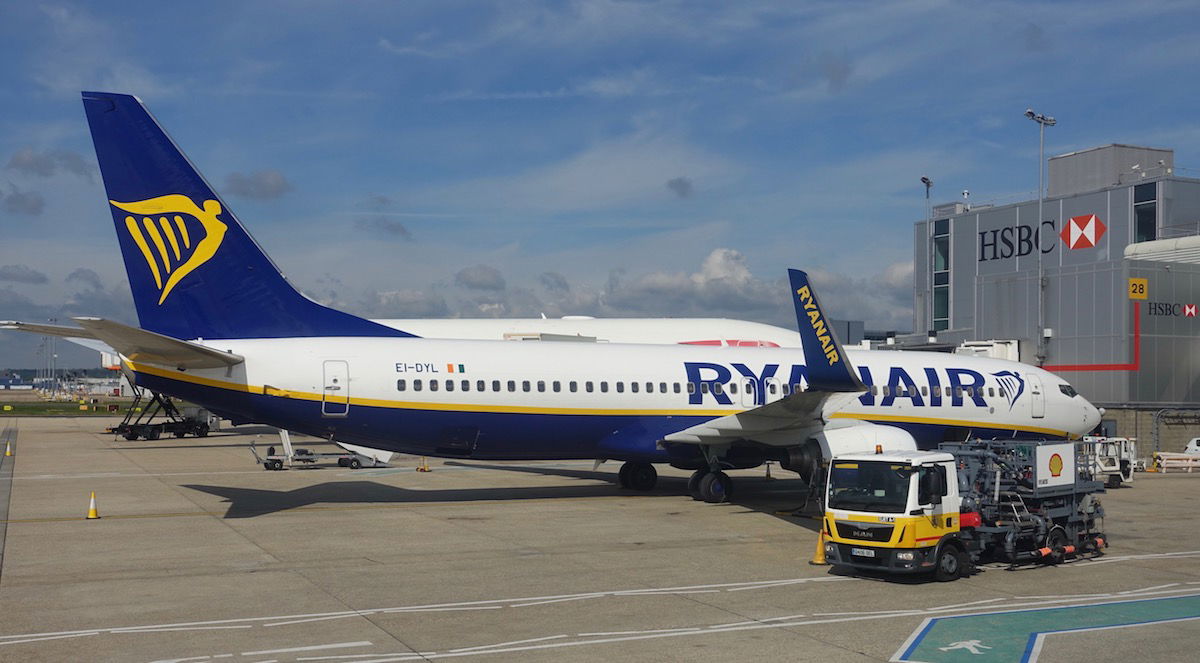
Critics have also pointed to a perceived hypocrisy in Ryanair’s stance. The airline is known for its robust inflight retail program, where cabin crew are often incentivized to meet sales targets for food and alcohol. O’Leary has countered this by stating that Ryanair’s environment is controlled. He claims the airline is "reasonably responsible" and that cabin crew have the authority to refuse service to anyone showing signs of impairment. Furthermore, the airline has experimented with banning passengers from bringing their own duty-free alcohol onto planes on certain routes, requiring them to check it into the hold.
The Proposed "Boarding Pass" Solution
To implement a two-drink limit effectively, O’Leary suggested a technological solution rather than a manual one. He proposed that airport bars could be required to scan a passenger’s boarding pass before serving them an alcoholic beverage. The system would track the number of drinks purchased, and once the limit of two is reached, the passenger would be barred from further purchases across all venues in the terminal.
This digital tracking system would theoretically prevent "bar hopping," where a passenger moves from one outlet to another to circumvent individual house limits. While technically feasible given that most airports already require boarding passes for duty-free purchases, the proposal raises questions regarding data privacy and the integration of third-party retail systems with airline databases.
Broader Implications for the Travel Industry
The debate sparked by Ryanair reflects a broader societal conversation about the "normalization" of morning drinking in travel contexts. For many travelers, an early morning pint at the airport is viewed as a harmless start to a holiday. However, the aviation industry is increasingly viewing this cultural norm as a safety liability.
If the UK government or European regulators were to adopt O’Leary’s suggestions, it would represent one of the most significant shifts in airport commerce in decades. It could lead to:
- Revenue Rebalancing: Airports might seek to increase landing fees to compensate for lost retail income.
- Enhanced Security Screening: Increased focus on identifying intoxicated passengers during the boarding process.
- Policy Precedents: Other jurisdictions might follow suit, leading to a global standardization of airport alcohol service hours.
As of now, the UK Department for Transport has not indicated an immediate plan to change licensing laws for airports, though they have stated that they continue to monitor the situation. For O’Leary and Ryanair, the focus remains on the upcoming peak travel seasons. By bringing this issue to the forefront of the public discourse, the airline is signaling that the status quo of "unlimited" early-morning access to alcohol is no longer compatible with the operational realities of modern mass aviation.




 Anjar Salim
 Chandra Hamzah
 Tatiana Tantri Indah Sari

