
 Chandra Hamzah
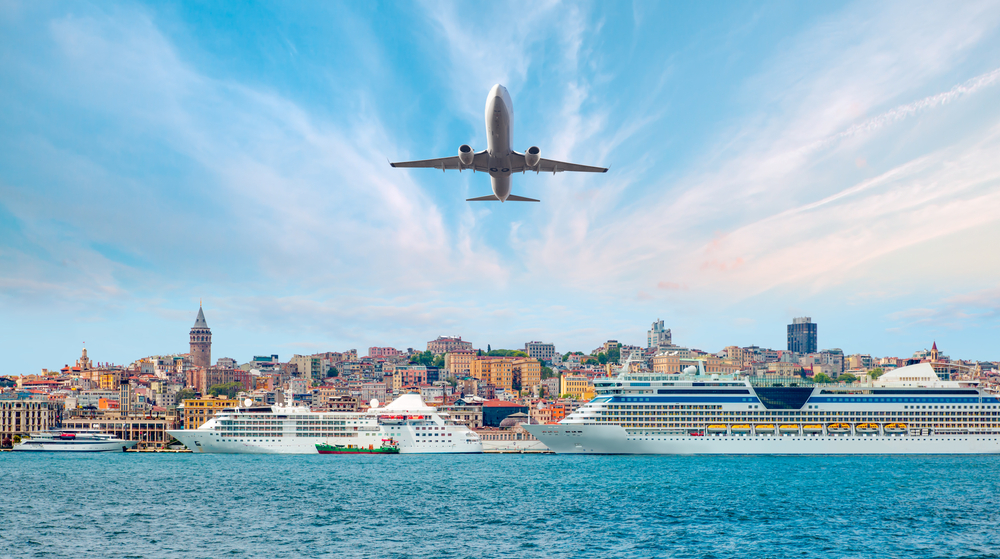
Australians dreaming of Mediterranean, Adriatic, or Northern European cruises in 2027 and 2028 may find their travel budgets stretched as escalating airfares, directly linked to the ongoing conflict in the Middle East, continue their upward trajectory. Despite hopes that the situation might stabilize, industry leaders are cautioning that a return to pre-conflict air travel capacity and pricing is unlikely in the foreseeable future, potentially leading to significant budget blowouts for those booking fly-cruise packages.
The Ripple Effect: How Geopolitical Instability Translates to Higher Travel Costs
The current surge in airfares is a complex consequence of geopolitical instability, primarily stemming from the conflict in the Middle East. This region serves as a critical hub for global air travel, particularly for flights connecting Australia to Europe. The heightened security concerns and operational disruptions in this area have forced major airlines to significantly alter their routes and reduce flight frequencies.
Timeline of Disruption:
- Early Stages of Conflict: The initial escalation of hostilities in the Middle East led to immediate safety advisories and a reconsideration of flight paths by international carriers.
- March and April [Year of Article]: Australian airlines, such as Qantas, responded by increasing international fares by an average of four to six percent. Simultaneously, domestic flights were cut as demand shifted towards routes that circumvent the troubled regions.
- Ongoing Impact: Airlines like United Airlines have publicly stated that ticket prices may need to rise by as much as 20 percent to absorb the increased costs associated with surging jet fuel prices and the necessity of rerouting flights.
Expert Insights: A Long Road to Recovery for Air Travel Capacity
Dean Long, Chief Executive of the Australian Travel Industry Association, offers a sobering outlook on the immediate future of air travel capacity into Australia. "There’s no pathway back to 150 flights a week (by the Gulf carriers) for the foreseeable future this year," Long stated in an interview with The Australian. He further elaborated that even with additional services and strategic rerouting by airlines, the sheer volume of capacity that has been withdrawn is unlikely to be replaced in the short term. This sustained reduction in supply, coupled with the volatile cost of fuel, is identified as the primary driver behind the persistent high prices.
The impact of these rising airfares is particularly acute for the fly-cruise market. For a couple planning to fly from Sydney to a European port city like Rome, Barcelona, or Athens to embark on a cruise, even a moderate increase in standard economy fares can translate into hundreds of additional dollars per person before the cruise itself is even factored into the cost. This directly challenges the traditional appeal of fly-cruise packages, which often offer a bundled value proposition.
Cruise Industry Resilience: Booking Trends Remain Strong Despite Airfare Volatility
Despite the daunting prospect of higher airfare costs, the cruise industry is demonstrating remarkable resilience. Exclusive sentiment surveys and statements from leading travel groups indicate that Australians continue to book cruises in significant numbers. This suggests that the allure of cruising, perhaps its perceived value and the long-term planning inherent in booking, remains a powerful draw.
Joel Katz, Executive Director in Australasia for the Cruise Lines International Association (CLIA), highlights the inherent long-term nature of cruise tourism as a mitigating factor. "Cruising is traditionally a very resilient area of travel and it’s an area of tourism that tends to look to the long term," Katz told Cruise Passenger. He explained that cruise guests typically plan their travel many months, and often years, in advance. Cruise lines themselves release itineraries and accept bookings several years ahead. This long lead time allows the industry to "ride out short-term factors." Katz further emphasized that cruising has been experiencing record numbers in recent years and continues to represent good value and remains an accessible holiday, even when travellers are conscious of costs or uncertainty.
This long-term booking window is a critical factor for the fly-cruise market. Cinzia Burnes, Chief Operating Officer and Executive Director at Helloworld Travel, noted that many individuals booking cruises for the European summer of 2027 are doing so without yet booking their flights, as those flight options have not yet been released. "There is an increase in flight fares, that’s absolutely the case, but in terms of it affecting the fly-cruise market, it’s not really," Burnes stated. Her advice to clients is to "book the cruise now and worry about the airfare later" due to the rapid pace at which popular cruises fill up. Burnes is optimistic that if the current airfare issues persist for only another year, the impact on the broader fly-cruise market will be manageable. However, she acknowledges that if such disruptions continue for an extended period, it could lead to a wider array of challenges for the entire travel industry.
Fuel Surcharges: A Non-Issue for Most Cruise Lines, For Now
In the immediate aftermath of the conflict’s onset, concerns were raised that cruise lines might implement fuel surcharges to offset the dramatic increase in oil prices. However, this has largely not materialized. The vast majority of major cruise lines have hedged their fuel prices, meaning they have secured contracts to purchase fuel at a predetermined rate for a specific period. This strategic financial planning has effectively insulated them from the sharp spikes in oil prices experienced in recent months.
Only a few operators, such as Star and Dream Cruises (both part of Resort World Cruises in Asia), have implemented new costs directly related to fuel. This ability of cruise lines to maintain their pricing has, in turn, placed the onus of cost increases squarely on the air travel component of the journey.
Broader Economic Factors and Consumer Priorities
Beyond the direct impact of the Middle East conflict on air travel, other economic factors are also influencing consumer behaviour. Flight Centre Travel Group recently reported a $10 million hit to its leisure profit in April, with cruise and touring sectors being the most affected. Approximately 25,000 bookings were disrupted, and six percent of customers ultimately cancelled their plans.
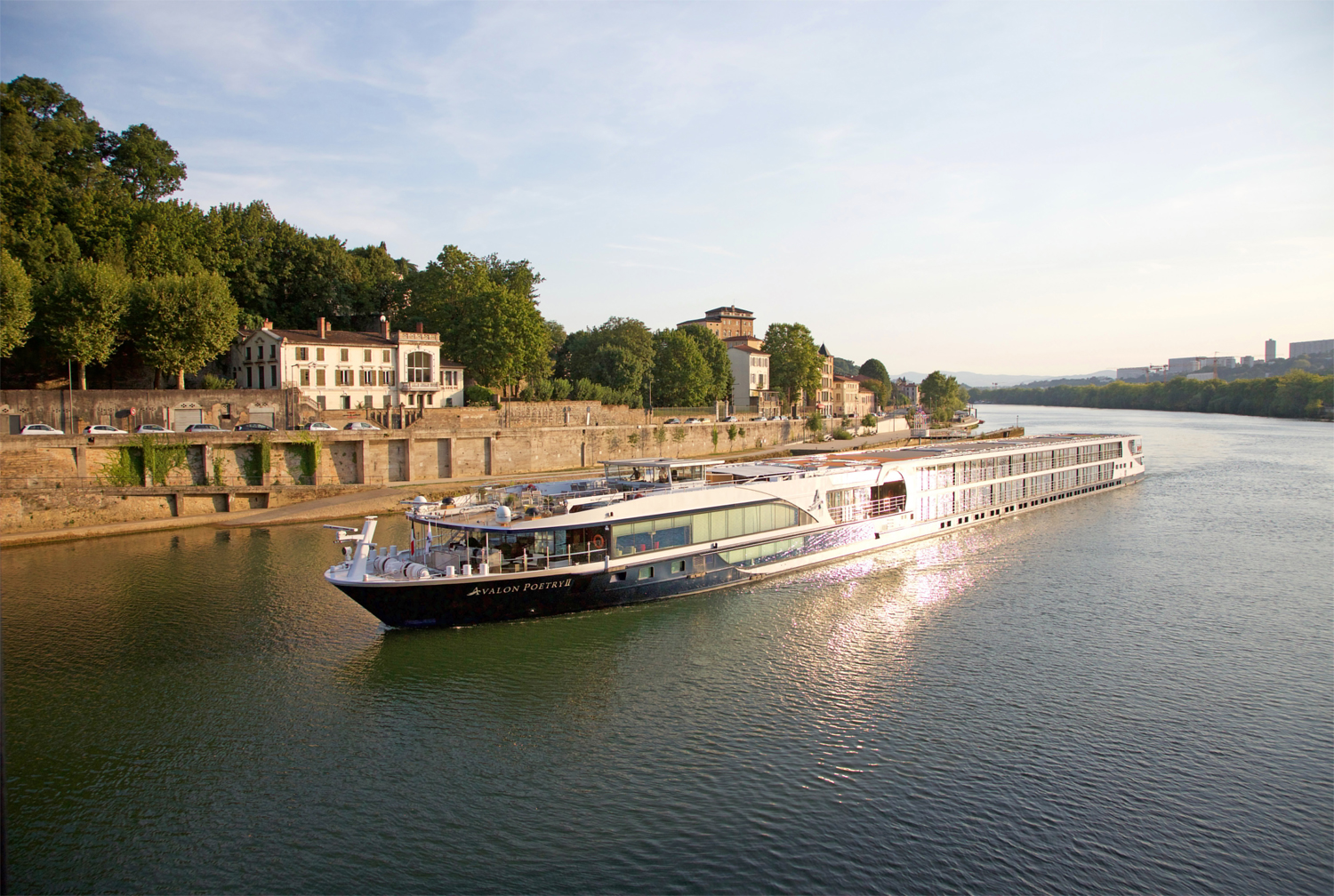
However, despite these disruptions, overall cruise bookings remain strong year-on-year, according to both James Kavanagh, Global CEO Leisure Travel for Flight Centre Travel Group, and Cinzia Burnes of Helloworld Travel. This suggests that while some disruptions are occurring, the fundamental demand for cruising remains robust.
It is also worth noting that a slight dip in bookings for "family-oriented" cruises in April was attributed by Burnes not to airfare concerns, but rather to the prevailing cost of living crisis and the increased burden of mortgage repayments due to rising interest rates.
Interestingly, Qantas Airways Chief Executive Vanessa Hudson recently indicated that Australians are not being deterred from travelling despite the general rise in airfares. Speaking to investors in May 2026, Hudson observed that travel has remained the "number one discretionary priority" for Australians, with consumers demonstrating a willingness to reduce spending on other areas like entertainment and alcohol to prioritize travel. This sentiment, if it continues, could provide a buffer for the travel industry, including the cruise sector, against broader economic headwinds.
The Road Ahead: Navigating Uncertainty in a Changing Travel Landscape
The current scenario presents a complex interplay of geopolitical events, economic pressures, and consumer behaviour. While the conflict in the Middle East has undeniably disrupted global air travel and inflated airfares, the cruise industry, by virtue of its long booking cycles and inherent value proposition, appears to be weathering the storm.
For Australian travellers planning European adventures in 2027 and 2028, the advice from industry experts is clear: secure cruise bookings well in advance. While the cost of reaching the embarkation point may be higher than anticipated, the enduring appeal and perceived value of cruise holidays continue to make them a preferred choice for many. The ability of cruise lines to absorb fuel cost fluctuations, coupled with the long-term planning habits of cruisers, suggests that the core cruise experience itself remains accessible, even as the journey to get there becomes more expensive. The continued resilience of the Australian traveller, prioritizing experiences despite economic challenges, offers a degree of optimism for the sector as it navigates this period of global uncertainty.




 Budi Mulyono
 Anjar Salim
 Tatiana Tantri Indah Sari

 Lukman Taruna Persada Ramadan