
 Budi Mulyono
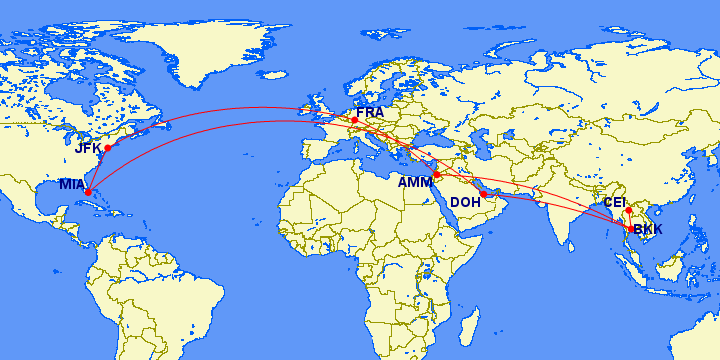
The landscape of global luxury travel continues to undergo a significant transformation as major international carriers and high-end hospitality brands pivot toward enhanced passenger experiences and regional market dominance. A comprehensive 22,928-mile journey across eight flight segments recently underscored the current state of premium aviation and the hyper-competitive luxury hotel markets in Southeast Asia and Western Europe. This expedition, conducted in April and May, utilized a combination of revenue fares and strategic loyalty point redemptions, providing a data-rich look at the operational standards of Qatar Airways, Thai Airways, Royal Jordanian, and Lufthansa.

The Strategic Framework of Premium Award Travel
The itinerary served as a case study for the high-value utilization of airline loyalty currencies. By leveraging 95,000 Qatar Airways Privilege Club Avios, 75,000 American Airlines AAdvantage miles, and 90,000 Air Canada Aeroplan points, the traveler bypassed the traditional high-cost barriers to international first and business-class cabins. This strategy highlights a broader industry trend where "power users" of loyalty programs navigate complex alliance networks—including Oneworld and Star Alliance—to access premium inventory during peak travel seasons.
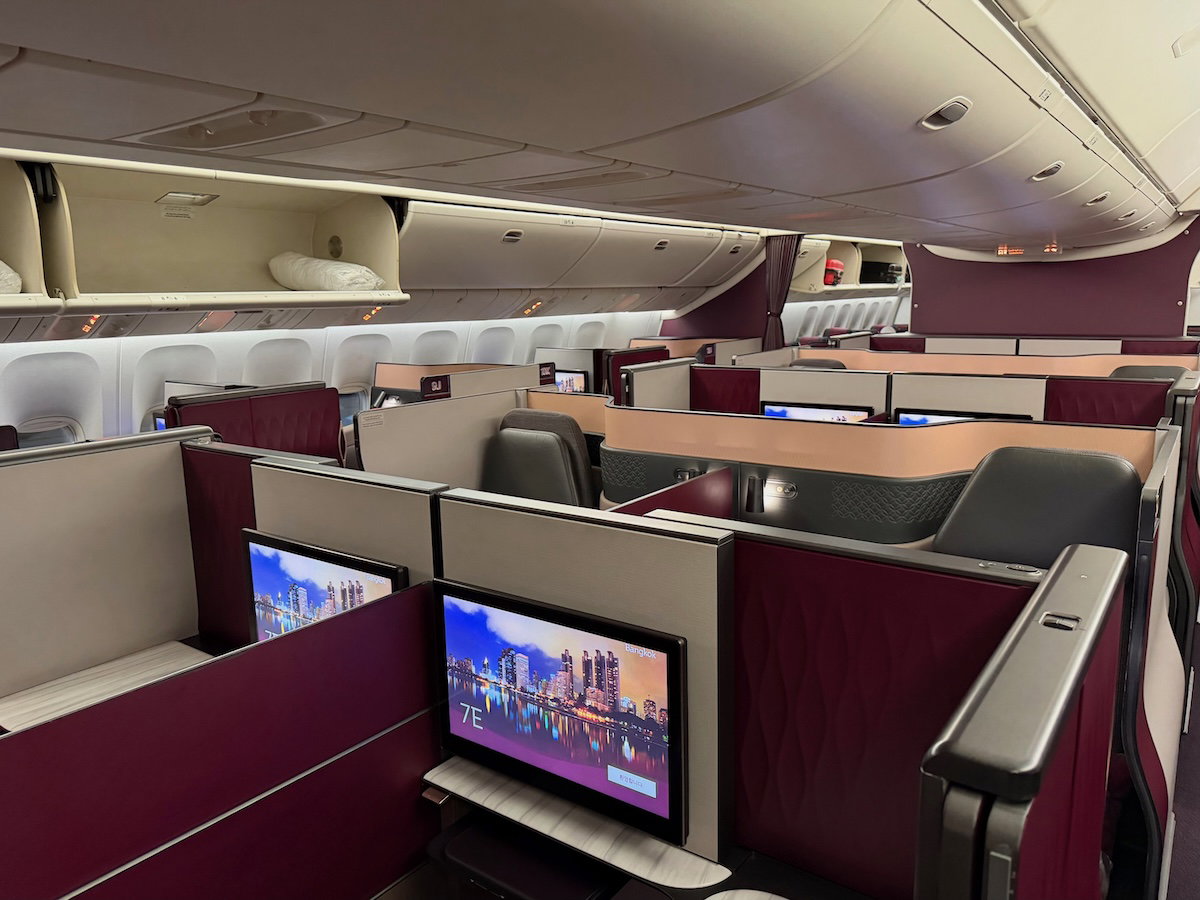
The journey commenced with Qatar Airways, currently ranked as one of the world’s leading airlines. The carrier’s deployment of the Airbus A350-1000 and the Boeing 777-300ER, both equipped with the proprietary Qsuite business class, remains a benchmark for the industry. Notably, the review period coincided with Qatar Airways’ recent initiatives to integrate Starlink high-speed internet, a move designed to maintain its competitive edge against Gulf rivals Emirates and Etihad.
Detailed Itinerary and Chronology of Operations
The multi-stage journey was executed over a three-week period, beginning in North America and transiting through the Middle East to Southeast Asia, before returning via Europe.
-
April 14–16: The Transatlantic and Gulf Connection
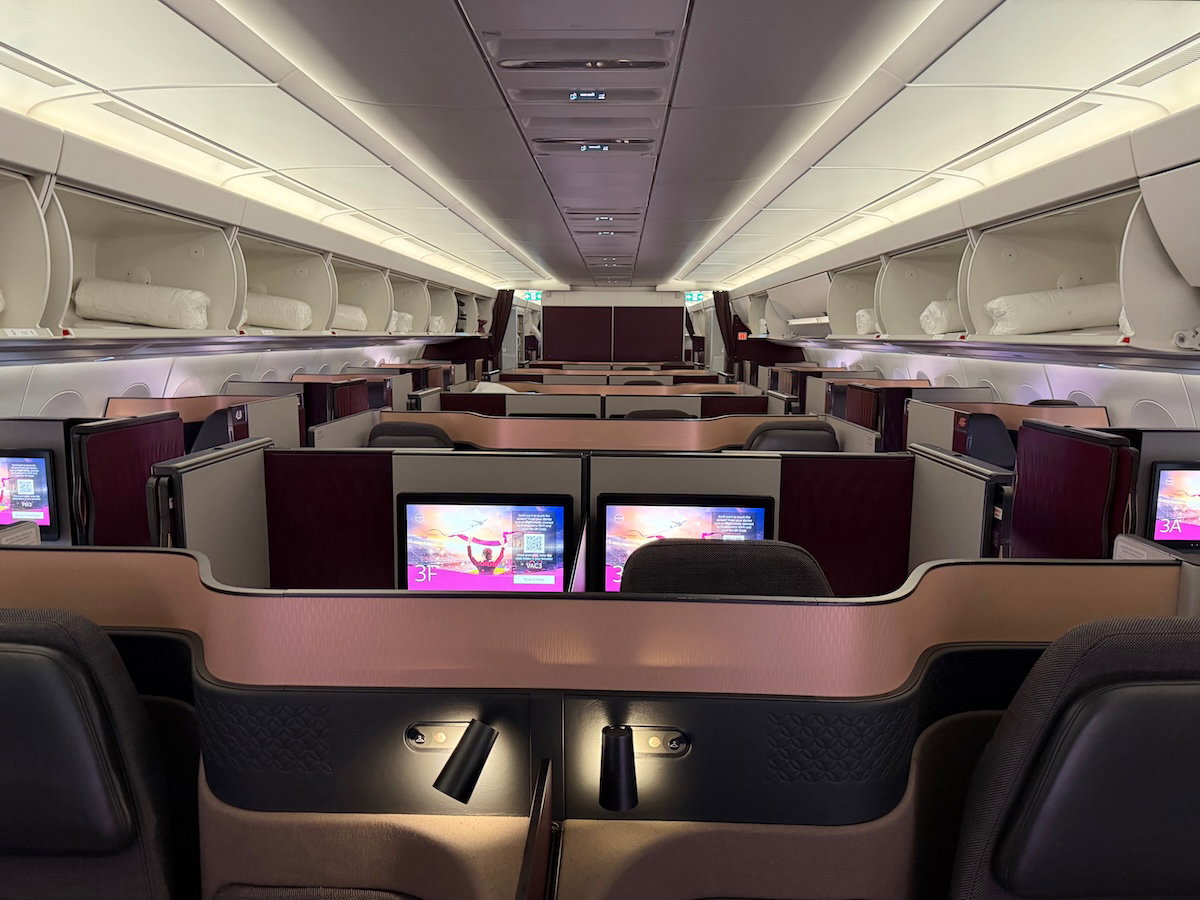
- Flight QR778: Miami (MIA) to Doha (DOH) on an Airbus A350-1000.
- Flight QR836: Doha (DOH) to Bangkok (BKK) on a Boeing 777-300ER.
- Cost: 95,000 Avios plus $298.10 in taxes and fees.
-
April 21–25: Thai Domestic Modernization
- Flight TG132: Bangkok (BKK) to Chiang Rai (CEI) on a new Airbus A321neo.
- Flight TG131: Chiang Rai (CEI) to Bangkok (BKK) on a retrofitted Airbus A320.
- Cost: $330.24 (Business Class).
-
April 26: The Levant Transit
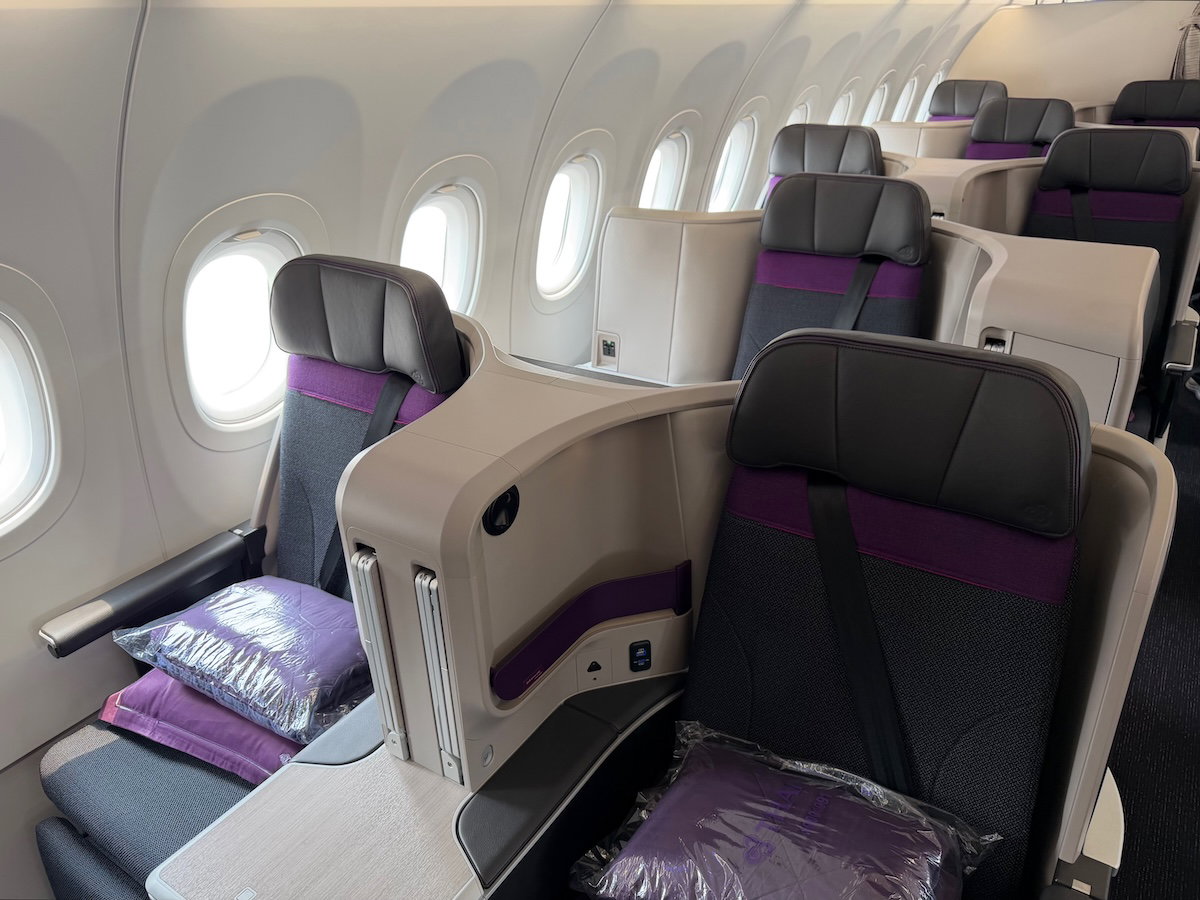
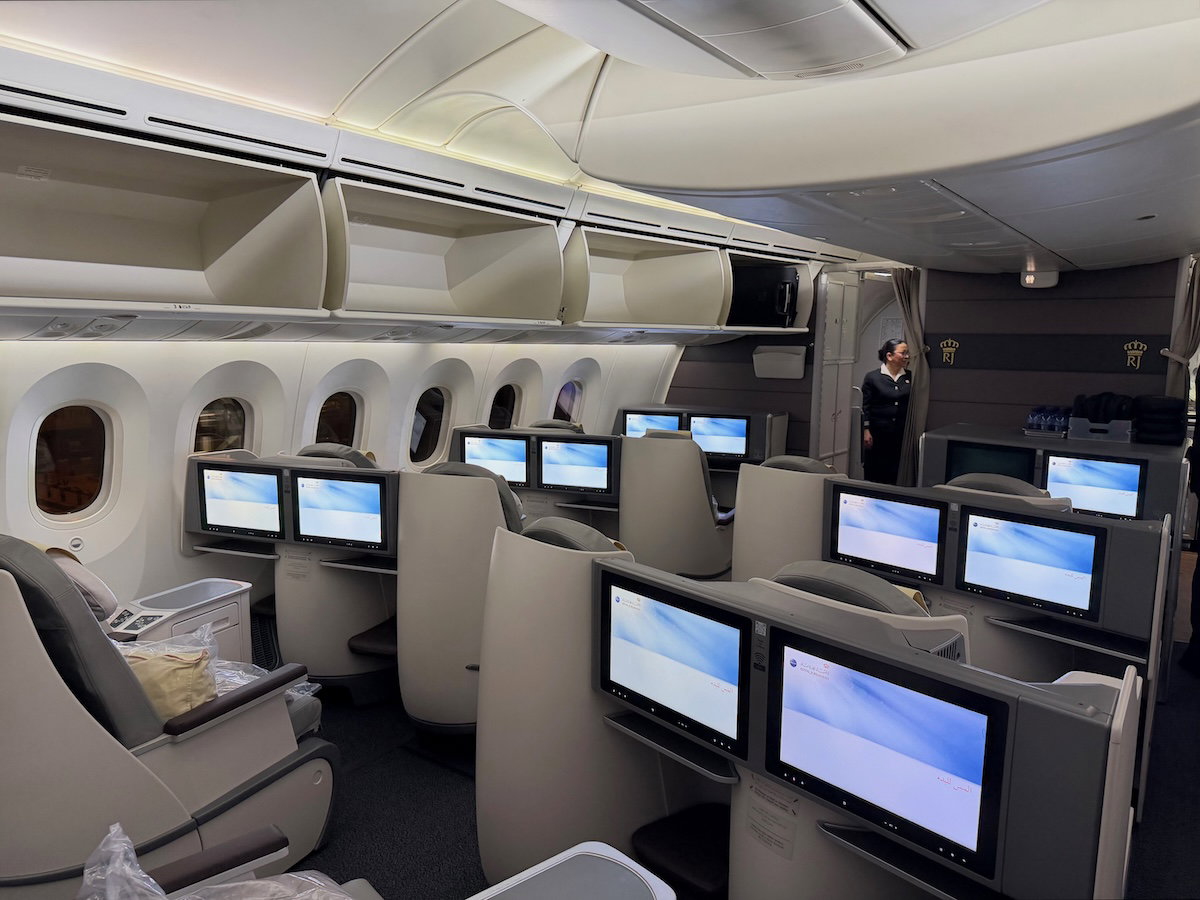
- Flight RJ183: Bangkok (BKK) to Amman (AMM) on a Boeing 787-8.
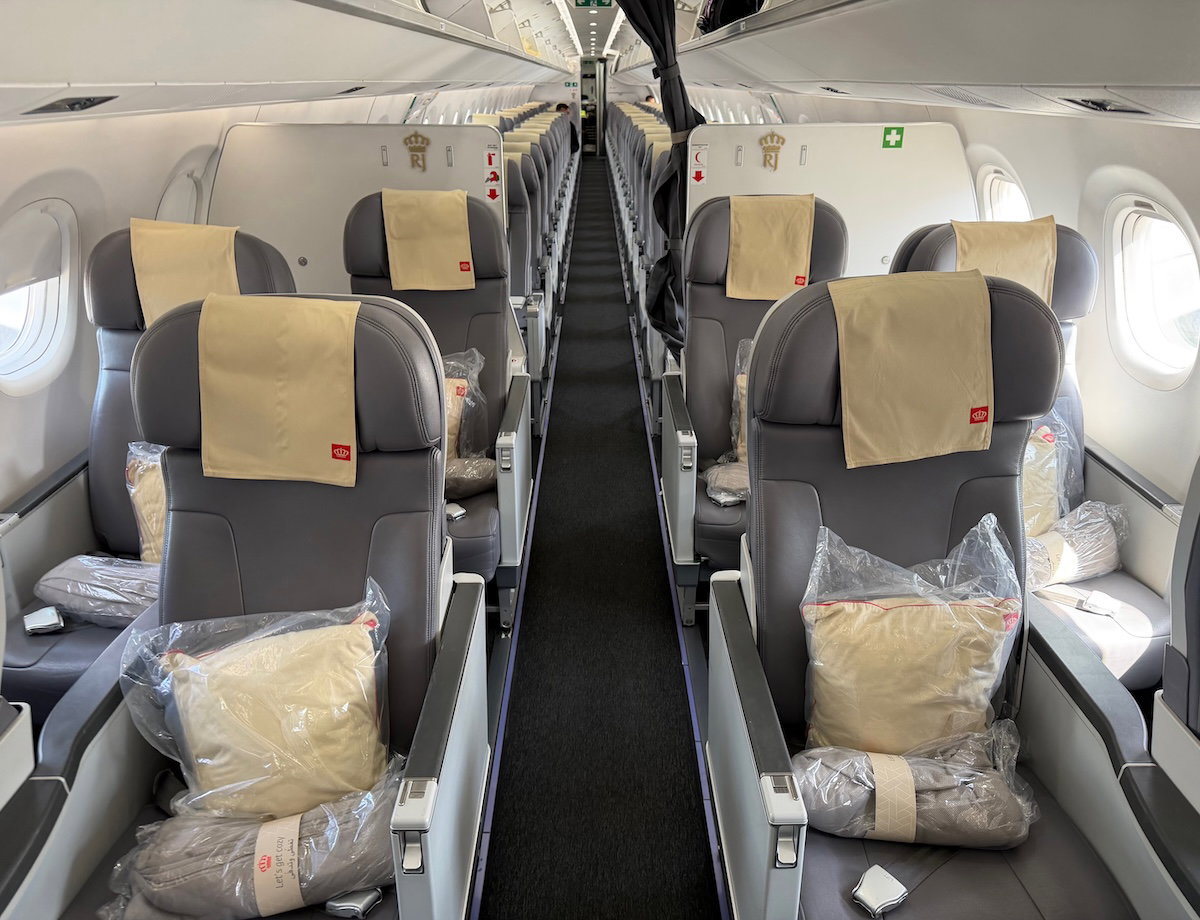
- Flight RJ125: Amman (AMM) to Frankfurt (FRA) on an Embraer E190-E2.
- Cost: 75,000 AAdvantage miles plus $80.40.
-
May 2: The European Return
- Flight LH400: Frankfurt (FRA) to New York (JFK) on an Airbus A340-600.
- Cost: 90,000 Aeroplan points plus $219.35.
This chronology illustrates the logistical complexity of modern global travel, where passengers often mix long-haul widebody aircraft with specialized regional jets, such as the Embraer E2, to reach specific European hubs.
Airline Product Analysis: Innovation vs. Legacy
Qatar Airways and the Qsuite Benchmark
The Qsuite, introduced in 2017, continues to be a focal point for aviation analysts. The A350-1000 variant offers a 1-2-1 configuration with sliding doors, effectively creating a "First Class in Business Class" experience. Industry data suggests that Qatar Airways’ decision to retrofit older 777-300ER aircraft with this product has significantly boosted its load factors on ultra-long-haul routes. The integration of Starlink connectivity is expected to set a new standard for inflight productivity, addressing a long-standing pain point for business travelers.
Thai Airways’ Fleet Renewal
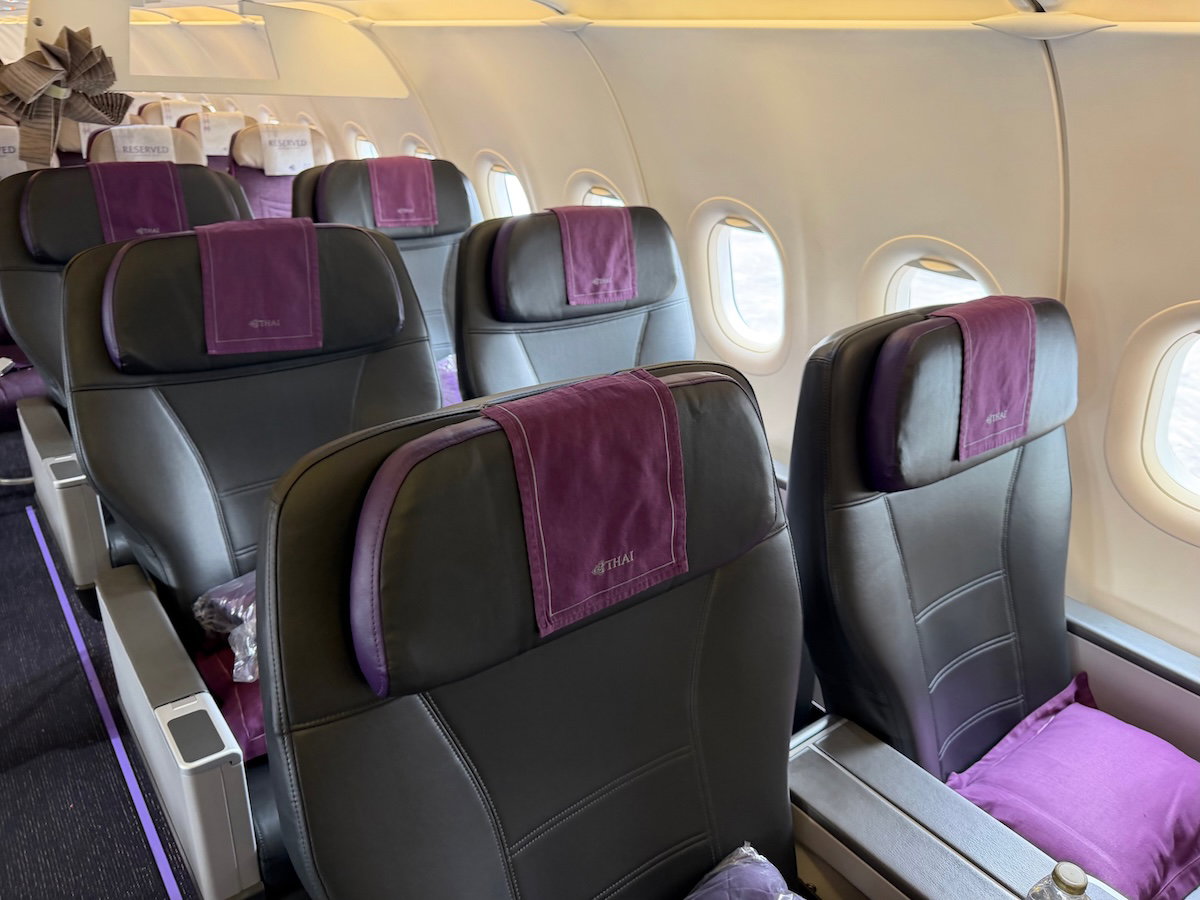
Thai Airways is currently in a state of post-pandemic recovery and restructuring. The introduction of the Airbus A321neo into domestic and regional routes represents a shift toward fuel efficiency and improved passenger comfort. The A321neo’s business class cabin offers a significant upgrade over the older narrow-body fleet, signaling Thai Airways’ intent to reclaim its status as a premier regional carrier in the face of rising competition from low-cost carriers.
Lufthansa’s "FOX" Service Launch
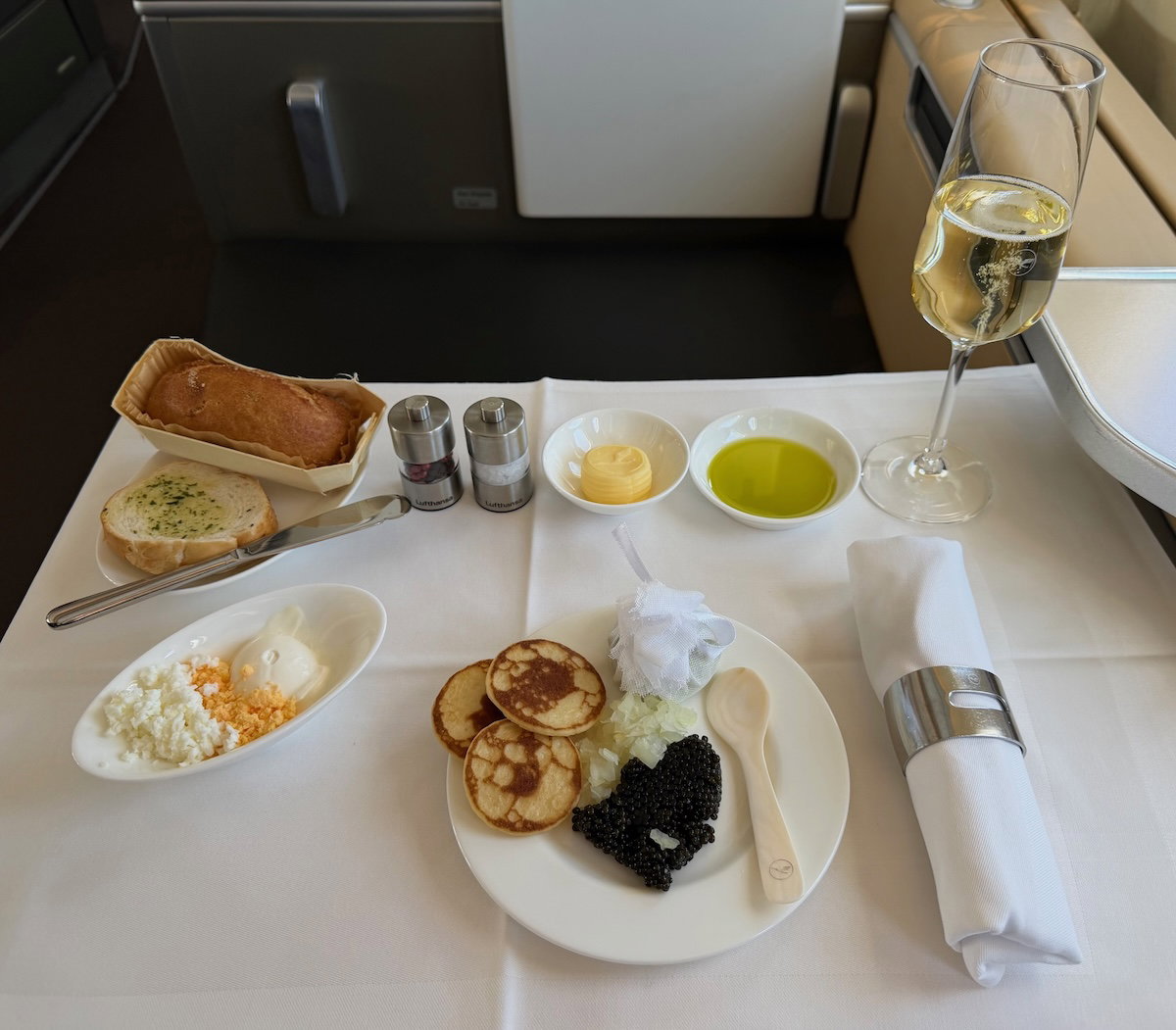
A critical highlight of the return leg was the experience of Lufthansa’s new "FOX" soft product in First Class. Launched recently, the FOX initiative focuses on a revamped culinary program, enhanced amenities, and a more personalized service flow. As Lufthansa prepares for the wider rollout of its "Allegris" cabin interiors, the FOX product serves as an interim enhancement to maintain the carrier’s prestige in the lucrative transatlantic market.
The Hyper-Competitive Luxury Hotel Market in Bangkok
Bangkok has solidified its reputation as one of the most competitive luxury hotel markets globally. The city has seen a surge in "ultra-luxury" openings, challenging established players like the Mandarin Oriental and The Peninsula.
During this trip, four distinct properties were analyzed:
- Rosewood Bangkok: Known for its architectural silhouette and the "Lennon’s" vinyl-themed bar, the property targets a design-conscious, younger demographic.
- Capella Bangkok: Located on the Chao Phraya River, Capella has gained international acclaim for its personalized "culturist" service and villas, recently being named one of the world’s best hotels by various industry rankings.
- Four Seasons Bangkok at Chao Phraya River: A massive urban resort that focuses on contemporary art and a diverse culinary scene, including the Michelin-starred Yu Ting Yuan.
- Aman Bangkok (Nai Lert): Representing the pinnacle of the market, the Aman Nai Lert Residences and Hotel signify the brand’s expansion into urban sanctuaries, maintaining high price points despite the city’s overall value-driven reputation.
The "Bangkok Hotel War" has resulted in a unique market condition where travelers can often access five-star amenities at a fraction of the cost found in London, Paris, or New York. This high-supply environment forces brands to innovate constantly in terms of "soft" service and unique experiential offerings.
Regional Diversity: The Golden Triangle and German Hospitality
The journey extended beyond urban centers to the northern reaches of Thailand. The Four Seasons Tented Camp Golden Triangle offers an "experiential luxury" model, focusing on elephant conservation and cultural immersion at the border of Thailand, Laos, and Myanmar. This segment of the trip highlights the growing demand for secluded, nature-oriented travel that does not compromise on high-end service.
In Germany, the focus shifted to the Hyatt Unbound Collection, a brand designed to incorporate independent, boutique-style hotels into the Hyatt loyalty ecosystem.
- Kennedy 89 Frankfurt: A new addition to the Frankfurt market, catering to the city’s financial hub with a sophisticated, residential-style aesthetic.
- Brunfels Hotel Mainz: A refresh of a former Hilton property, demonstrating the trend of "re-flagging" established hotels to meet modern boutique standards.
Geopolitical Context and Transit Safety
A notable aspect of the trip was the decision to transit through Amman, Jordan, and fly with Royal Jordanian. Given the ongoing geopolitical tensions in the Middle East, such routing decisions are scrutinized by travel analysts. The traveler noted that the decision was made after careful consideration of regional stability and airline safety records. To mitigate risk, the travel party split onto separate flights, a common strategy for high-net-worth travelers or corporate executives when navigating potentially volatile regions.
Royal Jordanian’s Boeing 787-8 remains the backbone of its long-haul fleet, though it faces stiff competition from the newer cabins of its Gulf neighbors. The use of the Embraer E190-E2 for the Amman to Frankfurt leg underscores a shift toward "right-sizing" aircraft for specific demand profiles in the European market.
Broader Impact and Implications for the Travel Industry
The findings from this 22,928-mile review suggest several key takeaways for the global travel industry:
- Loyalty Program Devaluation vs. Opportunity: While many airlines have devalued their points in recent years, strategic redemptions (such as using Avios for Qatar Qsuites) still offer exponential value compared to cash fares.
- Technological Integration: The race to provide seamless, high-speed Wi-Fi (Starlink) is the new frontier for airline differentiation.
- Market Saturation in Luxury Hubs: Cities like Bangkok are reaching a saturation point in luxury rooms, which may lead to a "flight to quality" where only the most service-oriented brands maintain their margins.
- The Rise of Boutique Collections: Major hotel groups (Hyatt, Marriott, Hilton) are increasingly relying on "Collection" brands to capture the boutique market without losing the benefits of a global loyalty program.
As the travel industry moves into the latter half of the decade, the emphasis is shifting from mere transportation to the "total journey" experience. Whether through the launch of Lufthansa’s FOX service or the architectural grandeur of Bangkok’s new hotels, the focus remains on capturing the loyalty of the high-end traveler through a blend of technological innovation and bespoke hospitality.



 Anjar Salim
 Chandra Hamzah
 Tatiana Tantri Indah Sari
 Lukman Taruna Persada Ramadan
