
 Chandra Hamzah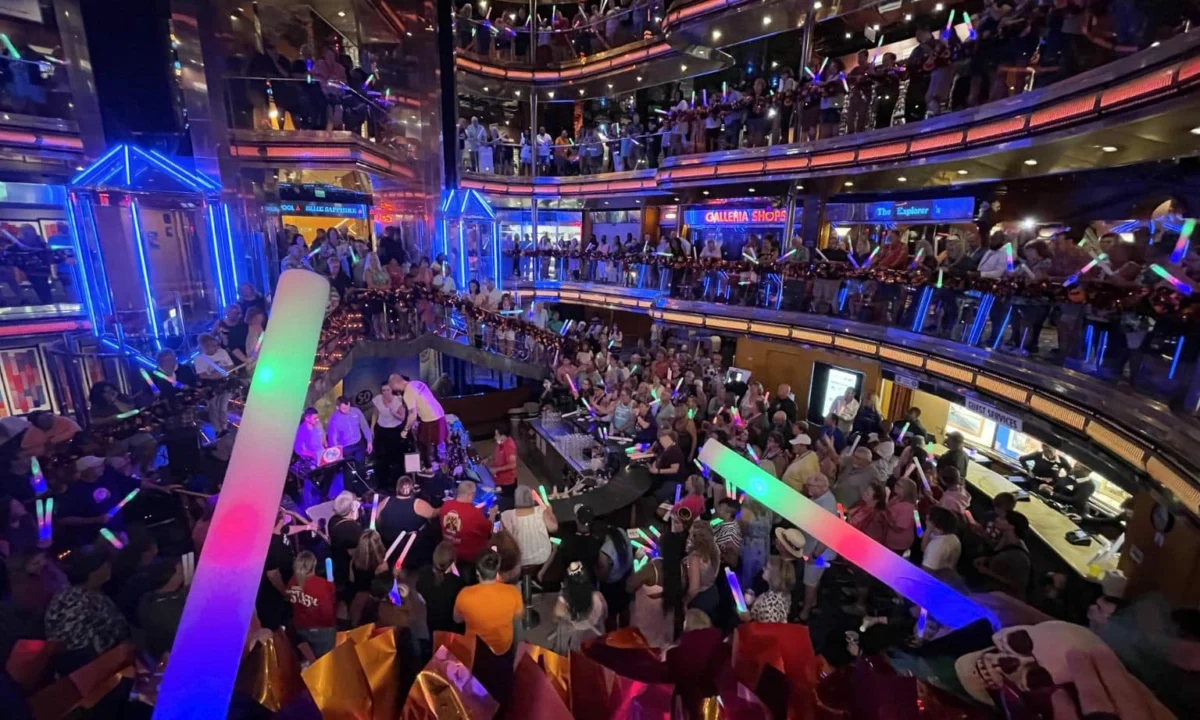
Australian cruising is experiencing a significant surge in popularity for "cruises to nowhere," short voyages that bypass traditional port calls and often cultivate a more vibrant, party-like atmosphere. Major cruise lines such as Carnival Cruises and Royal Caribbean are at the forefront of this trend, dedicating a substantial portion of their fleets to these distinctive itineraries. While these short-haul departures are successfully attracting a new demographic, often younger than the traditional cruise passenger, their proliferation presents a concerning economic counterpoint for Australian coastal towns reliant on the cruise dollar. The reduction in average cruise duration and the elimination of port visits directly impact the economic benefits these communities derive from tourism, both in terms of passenger spending and employment.
This phenomenon is starkly illustrated by recent data. Despite a record number of cruise passengers arriving in Australian waters, the nation experienced a notable 2.7 per cent decrease in total passenger visit days. This metric is crucial for understanding the economic contribution of cruising, as it directly correlates with the time passengers spend ashore, engaging with local businesses and services. The shift towards shorter, port-less cruises, while commercially advantageous for cruise operators, is inadvertently diminishing the vital economic stimulus that longer itineraries and substantial port calls typically provide to Australia’s coastal economies.
The Shifting Landscape of Australian Cruising
The emergence and growing appeal of cruises to nowhere are not an isolated incident but a global trend driven by evolving consumer preferences and the strategic positioning of cruise lines. These voyages cater to a desire for short, accessible, and often more affordable getaways, providing an entry point into the cruising world for individuals who might not consider longer, more traditional itineraries. The "weekend cruise" market, in particular, has been significantly bolstered by the success of ventures like Royal Caribbean’s voyages aboard the Icon of the Seas to private islands, effectively opening up a new segment of leisure travel.
For Australian ports, the economic implications are profound. Ports such as Sydney and Brisbane derive substantial value from "turnaround calls," where passengers embark and disembark. During these periods, passengers tend to spend significantly more on shore excursions, dining, shopping, and local attractions compared to brief transit visits. Furthermore, the broader Australian supply chain, encompassing everything from provisioning and maintenance to shore-based services and administrative functions, relies on a consistent flow of cruise vessels. These cruises contribute directly to economic activity and generate a considerable number of jobs across various sectors. Industry insiders emphasize that the commercial viability of the Australian cruise sector is intrinsically linked to a diverse mix of itineraries. Without a balanced offering that includes longer voyages with multiple port stops, the long-term sustainability of the industry in Australia becomes more precarious.
Reader Perspectives: A Divided Opinion
The discourse surrounding cruises to nowhere extends to the readership of publications dedicated to the cruise industry. Comments on relevant articles reveal a spectrum of opinions, highlighting the nuanced nature of this trend. Many readers acknowledge the role these short cruises play in introducing new passengers to the experience. Nick Aisbitt articulates a pragmatic view, stating, "If the ports are more welcoming and affordable the ships will visit. Tourism is a market not a right, just as cities can decide." This sentiment suggests that the onus is not solely on cruise lines to adapt, but also on port destinations to enhance their appeal and value proposition.
Mike Fitzgerald echoes this sentiment, observing, "Many have used the 2-4 days to nowhere cruises to get their taste for future cruising. Def has its place in the calendar." This perspective underscores the function of cruises to nowhere as a gateway, a stepping stone that can cultivate future demand for more extensive itineraries. Jane Lee offers a comprehensive insight into the operational rationale behind these voyages, explaining, "The short cruises to ‘nowhere’ are used to fill the gaps in the cruise ship calendar – help to balance up as they juggle the algorithm of number of nights, cruise locations and actual port stops. People can either choose to book them, or not. Some like them, others don’t." Lee’s observation points to the strategic scheduling and revenue management employed by cruise lines, where these shorter trips serve to optimize fleet utilization and financial performance. She concludes by asserting that these itineraries indeed contribute to the richness and diversity of the Australian cruise season.
Quantifying the Impact: A Glimpse into 2027
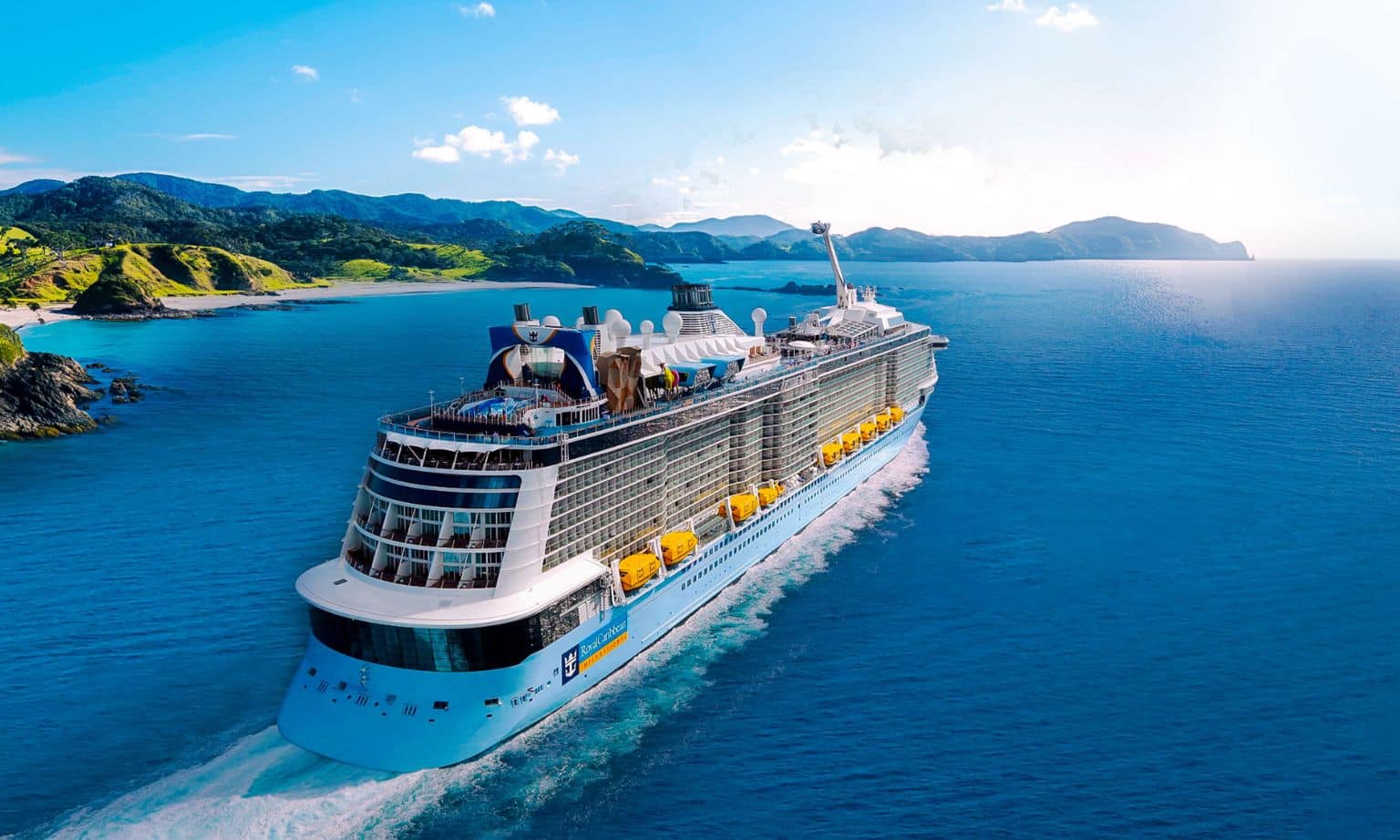
An analysis of scheduled itineraries for 2027 provides concrete data on the scale of the "cruises to nowhere" phenomenon. Major cruise lines like Carnival, Royal Caribbean, and Princess Cruises are prominently featuring these short voyages. Carnival alone is set to operate 42 cruises to nowhere across its fleet, with individual ships such as Carnival Adventure (10), Carnival Encounter (15), Carnival Splendor (12), and Carnival Luminosa (5) contributing significantly. Royal Caribbean will add another 16 such departures with Voyager of the Seas (6), Quantum of the Seas (3), and Anthem of the Seas (7). Princess Cruises will also contribute to this segment with Grand Princess (3) and Sapphire Princess (2).
Cumulatively, these figures translate to 63 cruises to nowhere scheduled for 2027. Based on the typical passenger capacities of these vessels, this translates to an estimated 210,840 passengers embarking on voyages that will not include any international or domestic port calls. This means that approximately one in every seven individuals taking a cruise out of Australia in 2027 will experience a journey that begins and ends at the same port, without any intervening destinations.
The Economic Repercussions for Coastal Communities
The direct economic consequences of this shift are substantial. The Cruise Lines International Association (CLIA) Australasia reports that the average passenger spend in a domestic transit port is approximately $195. Extrapolating this figure to the projected 210,000 passengers on cruises to nowhere in 2027 reveals a significant loss of potential revenue for coastal towns. If all these passengers were to visit at least one port—such as Eden, Newcastle, Hobart, or Airlie Beach—they could collectively spend up to $39 million. This lost economic opportunity represents a considerable blow to the small businesses, tourism operators, and local economies that depend on cruise passenger expenditure.
The $1 billion in cruise expenditure losses previously referenced in the industry can be partially attributed to this trend. While the exact breakdown is complex and influenced by numerous factors, the proliferation of port-less cruises undoubtedly contributes to a reduction in overall economic benefit derived from cruise tourism. This phenomenon exacerbates existing challenges for many regional coastal towns that have invested in port infrastructure and tourism services with the expectation of regular cruise ship visits and associated passenger spending.
Navigating the Future: Strategies for Sustainability
The challenge presented by the rise of cruises to nowhere necessitates a multi-faceted approach involving cruise lines, port authorities, and government bodies. The fundamental issue lies in balancing the commercial imperatives of cruise operators with the economic well-being of destination communities.
Potential Strategies and Considerations:
- Incentivizing Port Calls: Cruise lines could be offered incentives, such as reduced port fees or enhanced marketing support, for including port calls in their itineraries. This would help to offset any perceived financial disadvantages of longer voyages.
- Diversifying Cruise Offerings: Cruise lines could strategically increase the number of longer itineraries that include diverse and engaging port experiences, thereby catering to a broader range of passenger preferences and economic benefits.
- Enhancing Port Experiences: Coastal towns can proactively work to enhance the passenger experience at their ports. This could involve developing more attractive shore excursion options, improving retail and dining facilities, and ensuring efficient and welcoming disembarkation processes.
- Targeted Marketing: Cruise lines could develop more targeted marketing campaigns to promote longer itineraries to demographics that are more likely to appreciate extended port experiences.
- Data-Driven Policy Making: Continued monitoring and analysis of cruise passenger spending patterns and itinerary trends are essential for informing policy decisions and ensuring that the cruise industry contributes sustainably to the Australian economy.
- Collaboration and Partnerships: Fostering stronger collaborations between cruise lines, port authorities, and local tourism organizations can lead to innovative solutions that benefit all stakeholders. This could include joint marketing initiatives or the development of integrated tourism packages.
The increasing popularity of cruises to nowhere is a testament to the adaptability and commercial acumen of the cruise industry. However, for Australia’s vibrant coastal communities, it represents a significant economic hurdle. A concerted effort to rebalance the scales, ensuring that the economic benefits of cruising are more equitably distributed, will be crucial for the long-term health and prosperity of both the cruise sector and the destinations it serves. The conversation needs to shift from merely acknowledging the trend to actively implementing strategies that foster a more symbiotic relationship between cruise lines and the communities that welcome them.



 Anjar Salim
 Tatiana Tantri Indah Sari
 Budi Mulyono
