
 Chandra Hamzah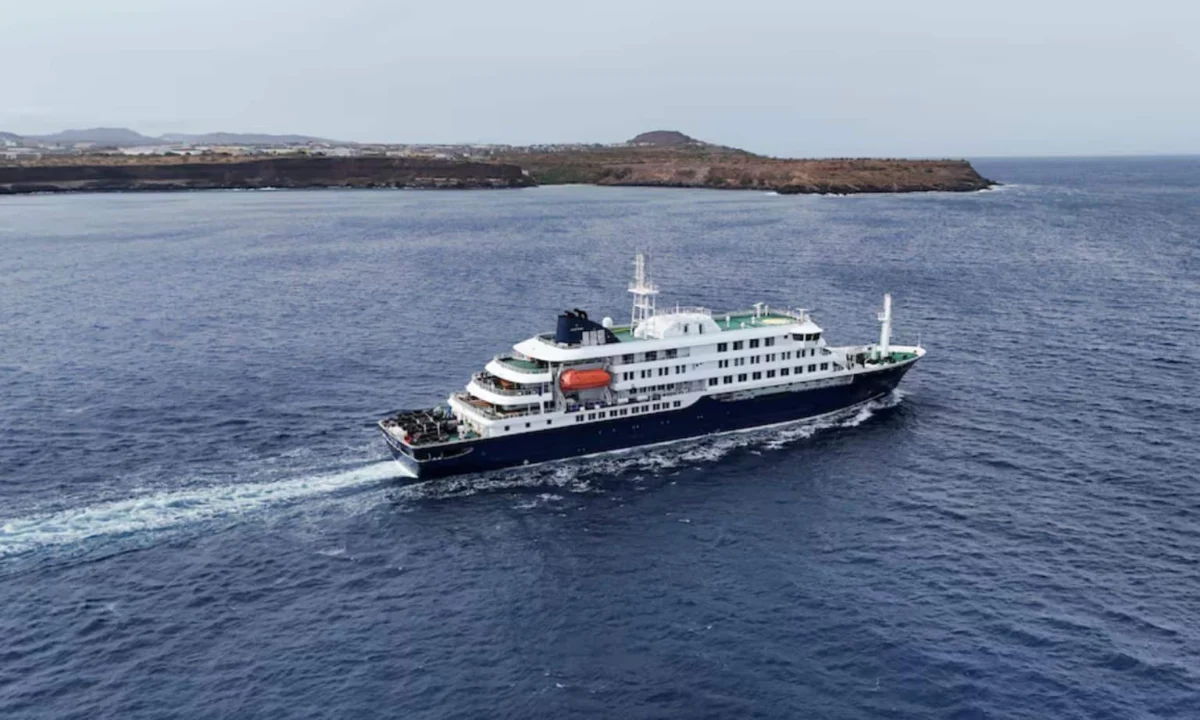
Australian officials have arrived in Tenerife, Spain, to facilitate the repatriation of four Australian citizens and one Australian permanent resident who were aboard the cruise ship MV Hondius. The vessel has become the focal point of global attention due to a significant outbreak of Hantavirus, a zoonotic disease transmitted primarily through rodents. The ship’s arrival in Tenerife has been met with stringent biosecurity measures, the most comprehensive seen since the early days of the COVID-19 pandemic, and has sparked protests from local residents concerned about the Canary Islands’ preparedness for such an event.
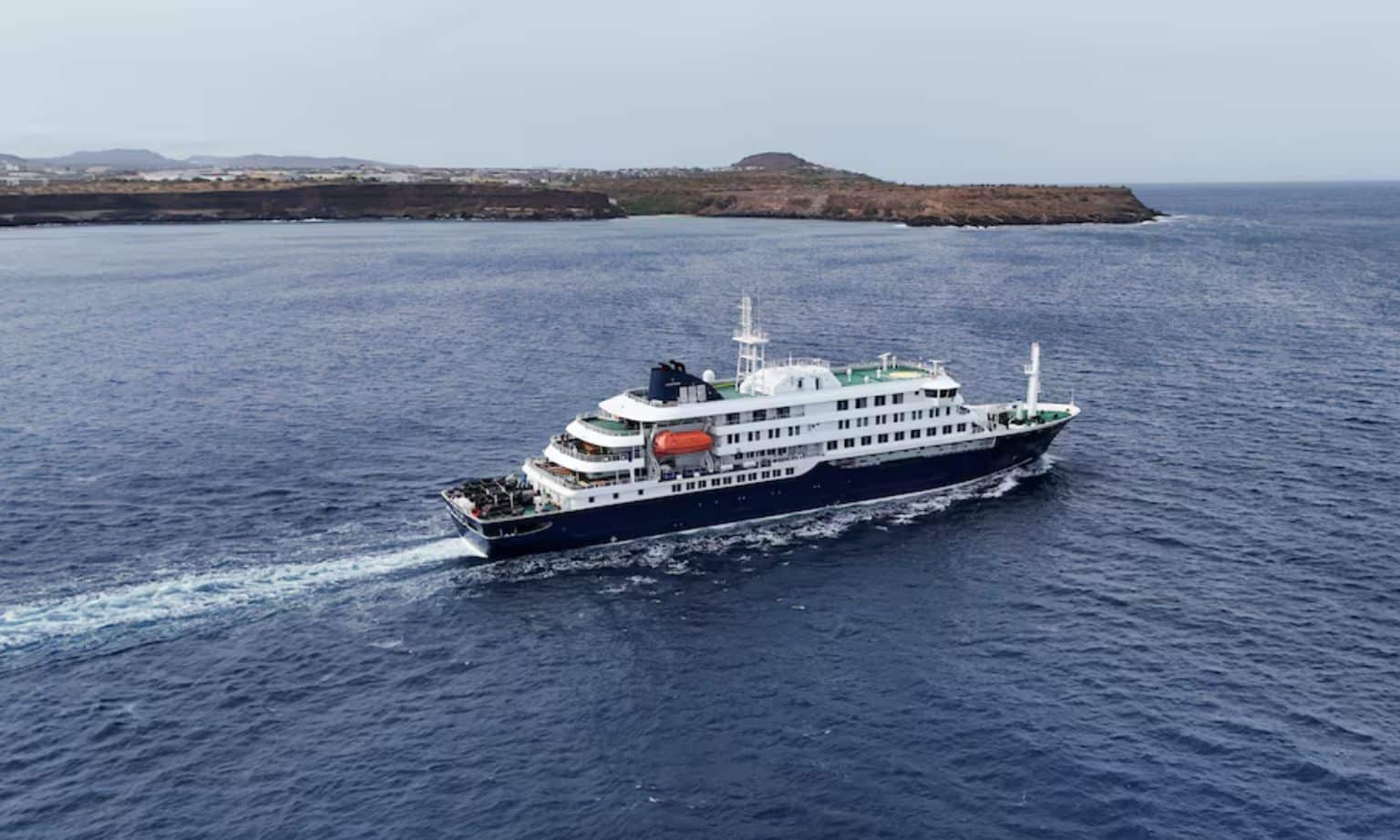
The MV Hondius is currently anchored offshore, a decision made to mitigate potential public health risks and quell local anxieties. Passengers are being transferred from the ship to the port of Granadilla via smaller boats, a carefully orchestrated process designed to minimize contact and ensure containment. Upon reaching the port, all passengers will undergo immediate testing for Hantavirus before being swiftly transported to chartered aircraft for repatriation to their respective home countries, which include Australia, the United States, the United Kingdom, and Germany. Initial reports from Tenerife indicate that none of the Australian nationals currently on board are exhibiting symptoms of the virus.
Chronology of the Outbreak and Repatriation Efforts
The situation aboard the MV Hondius began to escalate following reports of illness among passengers and crew. While the exact timeline of initial infections remains under investigation, the cruise ship had previously visited Argentina, a region where Hantavirus is endemic. The first confirmed cases were identified, triggering immediate concern among health authorities.
- Pre-arrival Concerns: As the MV Hondius approached European waters, concerns about potential Hantavirus transmission intensified. The ship’s itinerary and the health status of its passengers became a matter of international discussion.
- Arrival in Tenerife: The decision for the MV Hondius to dock in Tenerife was made amidst significant public health scrutiny. The Canary Islands’ health authorities, in coordination with international bodies, prepared for the vessel’s arrival, implementing strict protocols.
- Biosecurity Operations: The biosecurity operation surrounding the MV Hondius is unprecedented in its scale and intensity for the region. It involves multiple health agencies, border control, and logistical support to manage the safe disembarkation and repatriation of passengers.
- Passenger Transfer and Testing: The transfer of passengers from the ship to the port of Granadilla is a critical phase. This process is designed to be secure, with passengers isolated from the general public. Testing for Hantavirus is a mandatory step before onward travel.
- Repatriation Flights: Chartered flights are being arranged to transport passengers to their home countries. The United States is expected to fly its citizens to Nebraska, a location housing a National Quarantine Unit, according to CNN. The specific destinations for Australian passengers are still being finalized.
- Crew Status: Approximately thirty crew members will remain on board the MV Hondius as it travels to the Netherlands. Upon arrival in Spain, comprehensive disinfection of the ship will be undertaken by health authorities.
Understanding Hantavirus and the Current Outbreak
Hantaviruses are a group of viruses primarily spread to humans through the inhalation of infectious particles from the urine, droppings, or saliva of infected rodents. While most strains of Hantavirus do not spread directly from person to person, health authorities have confirmed that the strain identified on the MV Hondius is the Andes virus, a rare variant capable of human-to-human transmission. This heightened transmissibility has necessitated the extreme precautions being implemented.
The precise origin of the outbreak on the ship is still under investigation, but preliminary hypotheses point to a potential contraction by a Dutch couple during a bird-watching excursion in Argentina. Argentina is known to be an area with a higher prevalence of Hantavirus.
The World Health Organization (WHO) has a significant presence in Tenerife, offering expertise and guidance on safety protocols. The WHO’s recommendations include active monitoring of departing cruise passengers for at least 42 days following their last potential exposure to the virus. This extended monitoring period is crucial for detecting any latent infections.
To date, there have been eight confirmed cases of Hantavirus associated with the MV Hondius outbreak, resulting in three fatalities. The Australian Department of Foreign Affairs has not publicly commented on whether any of the repatriating Australians have exhibited symptoms. A spokesperson for the department stated, "We are considering options for the safe repatriation of the four Australians and [a] permanent resident. Our priority is the safety of the community."
Further complicating the repatriation picture, another Australian passenger had disembarked from the MV Hondius at an earlier port and has since returned to Australia. In total, 33 passengers had already left the vessel before the full extent of the outbreak became widely known. One of these individuals subsequently tested positive for Hantavirus and is currently receiving hospital treatment in Switzerland, underscoring the potential for asymptomatic spread and the importance of robust contact tracing.
WHO Director-General Addresses Public Concerns
In response to growing public anxiety in Tenerife and globally, Dr. Tedros Adhanom Ghebreyesus, the Director-General of the World Health Organization, issued a rare and direct statement aimed at reassuring the public. He acknowledged the deep-seated fears stemming from the COVID-19 pandemic, stating, "I know you are worried. I know that when you hear the word ‘outbreak’ and watch a ship sail toward your shores, memories surface that none of us have fully put to rest. The pain of 2020 is still real, and I do not dismiss it for a single moment."
However, Dr. Ghebreyesus emphatically distinguished this situation from the global COVID-19 crisis. "But I need you to hear me clearly: this is not another COVID. The current public health risk from hantavirus remains low. My colleagues and I have said this unequivocally, and I will say it again to you now."
He elaborated on the specific strain involved, the Andes virus, and its implications: "The virus aboard the MV Hondius is the Andes strain of hantavirus. It is serious. Three people have lost their lives, and our hearts go out to their families. The risk to you, living your daily life in Tenerife, is low. This is the WHO’s assessment, and we do not make it lightly."
Dr. Ghebreyesus also confirmed that there were no symptomatic passengers currently on board the MV Hondius at the time of his statement. He detailed the planned disembarkation process: "Right now, there are no symptomatic passengers on board. A WHO expert is on that ship. Medical supplies are in place. Spain’s authorities have prepared a careful, step-by-step plan: passengers will be ferried ashore at the industrial port of Granadilla, far from residential areas, in sealed, guarded vehicles, through a completely cordoned-off corridor, and repatriated directly to their home countries. You will not encounter them. Your families will not encounter them."
Broader Implications for Cruise Travel and Public Health
The Hantavirus outbreak on the MV Hondius serves as a stark reminder of the interconnectedness of global travel and public health. While the WHO’s assessment suggests a low risk to the general public in Tenerife, the event highlights the critical need for robust international cooperation in managing infectious disease outbreaks originating in transit.
The incident also raises questions about the preparedness of cruise lines and destinations to handle novel health threats. The scale of the biosecurity operation in Tenerife reflects the lessons learned from the COVID-19 pandemic, emphasizing the importance of rapid response, transparent communication, and stringent containment measures.
For the cruise industry, which is still navigating its recovery following the extensive disruptions caused by COVID-19, such events can reignite public apprehension. While the statistics on cruise safety, as explored in a related report, generally indicate a low risk of onboard outbreaks when proper protocols are followed, high-profile incidents like the MV Hondius Hantavirus situation can disproportionately influence public perception. The industry’s ability to effectively manage and communicate these challenges will be crucial in maintaining passenger confidence.
The prolonged monitoring period recommended by the WHO for returning passengers underscores the challenges in containing zoonotic diseases with potential incubation periods. This approach, while necessary for public health, can also lead to logistical complexities and potential anxiety for individuals undergoing extended surveillance.
Ultimately, the Hantavirus outbreak on the MV Hondius is a complex public health challenge that requires a coordinated international response. The focus remains on ensuring the safe repatriation of all passengers, preventing further spread of the virus, and learning from the event to enhance global health security protocols for future maritime travel.



 Anjar Salim
 Tatiana Tantri Indah Sari
 Budi Mulyono
 Lukman Taruna Persada Ramadan
