
 Susilo Edi Turonggo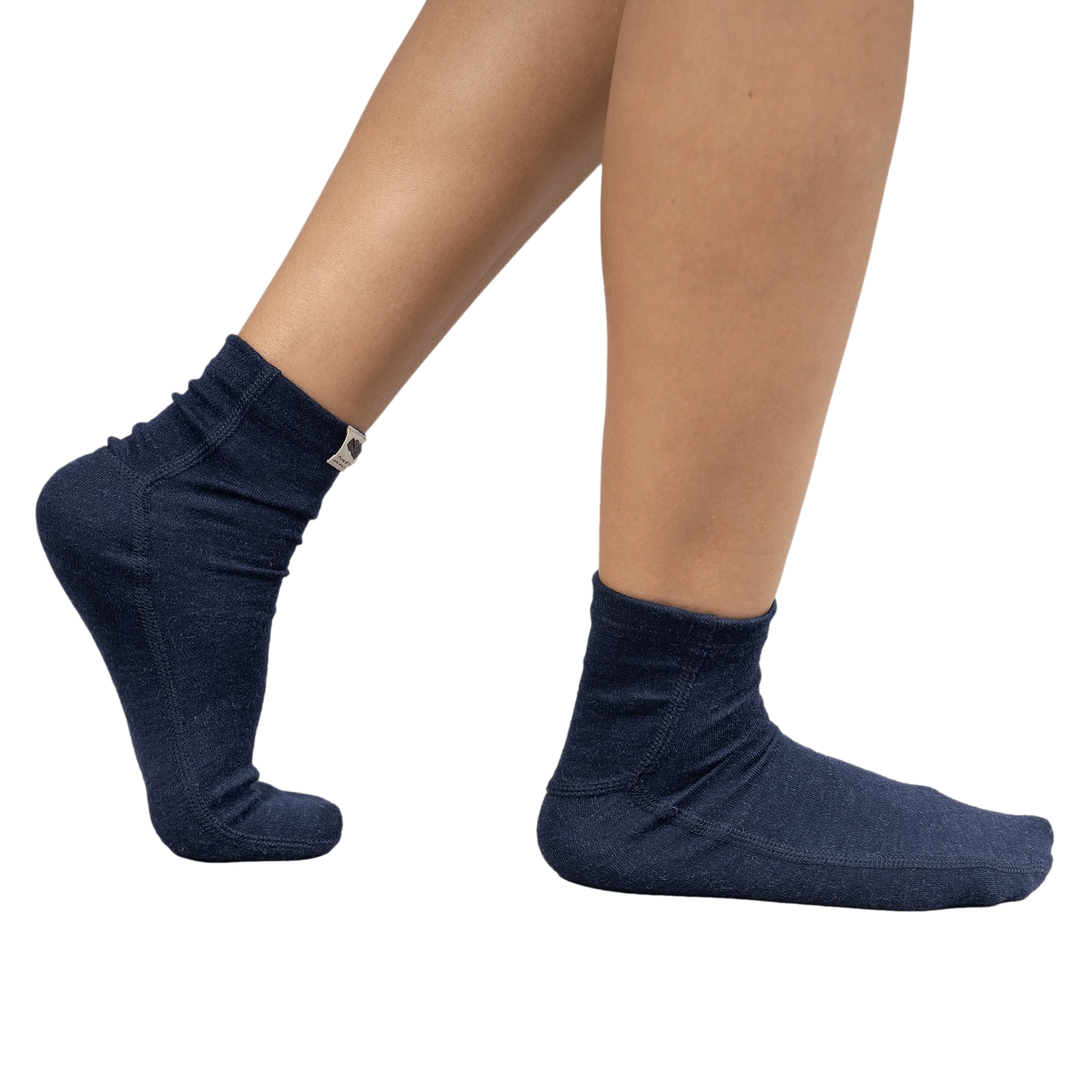
Socks, often overlooked as a minor wardrobe component, play a surprisingly significant role in daily comfort and, increasingly, in personal health and environmental sustainability. For many, the seemingly innocuous choice of colorful synthetic socks can lead to persistent skin irritation, itching, and unpleasant odors, signaling a deeper issue rooted in the materials and dyes used in their production. A growing body of evidence and consumer awareness is driving a critical shift towards alternatives made from natural fibers and processed with skin-safe, environmentally responsible dyes. This movement not only promises enhanced comfort but also addresses serious health concerns and contributes to a more sustainable textile industry.
Unpacking the Problem: Chemicals, Synthetics, and Skin Sensitivities
The discomfort experienced by individuals sensitive to synthetic socks is not merely an inconvenience; it is often a direct reaction to hazardous chemicals commonly found in conventional textiles. Plastic-based socks, typically made from polyester or nylon, are known for their ability to trap moisture and odors, creating an environment conducive to bacterial growth. More alarmingly, the vivid colors in many synthetic socks are often achieved using azo-benzene disperse dyes. These compounds are well-documented skin sensitizers, meaning they can trigger allergic reactions such as contact dermatitis, characterized by itching, redness, and inflammation. Beyond immediate irritation, research, including studies referenced by reputable sources, indicates that certain azo dyes can be carcinogenic when absorbed through the skin. This risk is particularly elevated in socks, where perspiration facilitates faster absorption of these chemicals into the skin, especially during physical activity. The presence of other potentially harmful chemicals, such as PFAS (per- and polyfluoroalkyl substances) sometimes used for water or stain resistance, further compounds the health concerns associated with conventional synthetic footwear. The broader textile industry has historically relied on a vast array of chemicals for dyeing, finishing, and processing, with insufficient attention paid to their long-term health and environmental impacts.
A Chronology of Consciousness: The Evolution of Sustainable Textiles
The heightened awareness surrounding toxic textiles and the demand for non-toxic socks are part of a larger, evolving narrative within the fashion and textile industries. For decades, the focus remained primarily on cost, durability, and aesthetics, with little consideration for the environmental footprint or human health implications of production processes. However, starting in the late 20th century and accelerating into the 21st, environmental movements and consumer advocacy groups began to shine a light on the hidden costs of fast fashion and chemical-laden products.
The 1990s saw the emergence of initial textile standards, but it was the early 2000s that marked a significant turning point. Certifications like Oeko-Tex Standard 100, established to test for harmful substances in textiles, gained prominence, providing a benchmark for consumer safety. Following this, the Global Organic Textile Standard (GOTS) emerged, offering a comprehensive certification for organic fibers, encompassing ecological and social criteria across the entire supply chain. In response to growing concerns about animal welfare, the Responsible Wool Standard (RWS) was developed to ensure ethical treatment of sheep and responsible land management. Similarly, initiatives like Fair Trade and WRAP (Worldwide Responsible Accredited Production) gained traction, focusing on ethical labor practices and safe working conditions. More recently, the B Corp certification has provided a holistic framework for companies committed to social and environmental performance, transparency, and accountability. This chronological development of standards and certifications reflects a gradual but determined shift, driven by both industry pioneers and informed consumers, towards greater transparency and responsibility in textile manufacturing. Today, these certifications serve as crucial guides for consumers navigating the complex landscape of sustainable and non-toxic products, including socks.
Defining "Non-Toxic": Essential Criteria for Sustainable Socks
Switching to certifiably safe socks does not mean sacrificing style or comfort. Instead, it involves understanding key criteria that define truly non-toxic and sustainable options. These criteria encompass material composition, dye and finish safety, ethical supply chain practices, and environmentally sound packaging.
Material Integrity: The Power of Natural Fibers
For individuals sensitive to synthetics or those with pre-existing skin conditions, prioritizing socks made from 100% natural fibers is paramount. These materials offer superior breathability, moisture-wicking properties, and natural odor resistance, creating a healthier microclimate for the feet.
- Merino and Alpaca Wool: These luxurious natural fibers are exceptional choices for socks due to their inherent ability to regulate temperature, wick away moisture, and resist odors. When selecting wool socks, consumers are advised to look for labels from the Responsible Wool Standard (RWS). This certification ensures that the wool was harvested from sheep managed responsibly, adhering to stringent animal welfare criteria that explicitly prohibit painful practices such as mulesing, where skin is surgically removed from sheep to prevent flystrike.
- Organic Cotton: A perennial favorite for comfort, organic cotton offers a soft, breathable, and hypoallergenic option. Unlike conventional cotton, which is often heavily treated with pesticides and chemicals during cultivation and processing, organic cotton minimizes environmental impact and reduces exposure to residues.
- Tencel, Linen, and Bamboo Viscose: These cellulosic fibers offer distinct advantages. Tencel (lyocell) is known for its exceptional softness, strength, and efficient moisture absorption, produced through an environmentally responsible closed-loop process. Linen, derived from the flax plant, is incredibly durable, breathable, and becomes softer with each wash. Bamboo viscose, while requiring chemical processing to convert bamboo into fiber, can be a comfortable and breathable option, provided its production is managed responsibly to minimize environmental harm.
It is important to note that finding socks made from 100% natural fibers without any synthetic blend for stretch is rare. Most socks, even those predominantly natural, contain a small percentage of elastane (spandex) to provide elasticity and ensure a snug fit. For most individuals, a small amount (typically under 5-10%) of synthetics embedded within natural fibers does not cause irritation. However, brands that achieve 100% synthetic-free socks, such as Cottonique and Arms of Andes, cater specifically to those with extreme sensitivities. For those less sensitive to synthetics, blends containing recycled materials like nylon and polyester can be considered, though a majority natural fiber content is still recommended for optimal comfort and health benefits.
Dyeing Safely: Beyond Hazardous Colors
The dyes and finishes used in textiles are frequent culprits behind skin sensitivities and environmental pollution. For those with dye sensitivities, a selection of undyed socks, which embrace the natural colors of the fibers, offers the safest option. For colored socks, rigorous certification is key.
- Oeko-Tex Standard 100: This widely recognized certification ensures that textiles have been tested for harmful substances at all stages of production and are safe for human ecological terms. It sets limits for hundreds of chemicals, including known carcinogens, heavy metals, pesticides, and allergenic dyes.
- Bluesign: The bluesign® system takes a holistic approach, aiming to eliminate harmful substances from the entire textile manufacturing process from the very beginning. It focuses on resource productivity, consumer safety, water and air emissions, and occupational health and safety.
- Restricted Substances Lists (RSLs): Many forward-thinking brands implement their own RSLs, which are lists of chemicals banned or restricted from their supply chains. This demonstrates a proactive commitment to chemical management beyond minimum regulatory requirements.
Ethical Footprint: Transparency and Fair Labor
A truly sustainable product extends beyond materials and chemicals to encompass the human element of its production. An ethical supply chain ensures fair wages, safe working conditions, and respect for human rights.
- Supply Chain Transparency: Brands that openly share the locations of their supply chain partners, from fiber cultivation to final assembly, demonstrate a commitment to accountability. This transparency allows consumers and watchdogs to verify ethical practices.
- Certifications: Third-party certifications like Fair Trade guarantee that producers receive fair prices and that workers are treated ethically, often including community development premiums. WRAP certification focuses on lawful, humane, and ethical manufacturing. B Corp certification signifies that a company meets high standards of verified social and environmental performance, public transparency, and legal accountability.
Minimizing Waste: Sustainable Packaging Solutions
The environmental impact of a product doesn’t end with its use. Packaging, though often temporary, contributes significantly to waste streams. Brands committed to sustainability extend their principles to their packaging choices.
- Compostable and Biodegradable Packaging: Materials that can naturally decompose into harmless substances reduce landfill burden.
- Recycled and Recyclable Materials: Utilizing post-consumer recycled content for packaging and ensuring that packaging can be recycled after use closes the loop on material consumption.
- Forest Stewardship Council (FSC) Certification: For paper and cardboard packaging, FSC certification assures that the materials come from responsibly managed forests, promoting sustainable forestry practices.
Leading the Change: Brands Championing Non-Toxic and Sustainable Socks
The growing demand for healthier and more sustainable options has spurred numerous brands to innovate and prioritize these critical criteria. These companies offer a diverse range of non-toxic socks, catering to various needs and preferences while upholding high standards in material sourcing, production, and ethical practices.
Harvest & Mill stands out for its commitment to a localized, chemical-free supply chain. This brand produces dye-free organic cotton socks in natural colors, with cotton grown, spun, and knit entirely within the U.S. This minimizes their carbon footprint and supports domestic agriculture. Reviewers consistently praise their dye-free socks for being super cozy, breathable, and lightweight despite their thick cotton construction, ideal for sensitive skin. The brand also practices fabric repurposing and uses compostable packaging, aligning with zero-waste principles.
Subset, formerly Knickey, is a Brooklyn-based brand offering Fair Trade and Oeko-Tex-certified organic cotton socks. Notably, Subset is PFAS-free, addressing another layer of chemical concern. Their cotton is sourced from an organic farm in India, where it undergoes ginning, spinning, dyeing, and sewing, ensuring a traceable supply chain. While their socks contain 24% synthetics, the elastic is well-embedded to prevent skin contact, making them suitable for many with sensitivities. Testers noted their thinner profile, making them ideal for tight-fitting or dressier shoes.
For those seeking the warmth and performance of alpaca, Paka offers durable yet lightweight socks made primarily from alpaca wool and Tencel. As a certified B Corp, Paka emphasizes ethical production, with Oeko-Tex-certified dyes and spinning performed by Peruvian artisans. Their moisture-wicking and odor-resistant properties make them excellent for outdoor activities, especially in colder climates. Despite containing up to 50% recycled synthetics, their comfort and warmth are highly rated, though some testers noted a slight itchiness, characteristic of wool’s physical texture rather than a chemical reaction. Paka’s commitment extends to using biodegradable and compostable packaging.
Arms of Andes distinguishes itself as one of the few brands offering socks crafted from 100% alpaca fiber, completely free of synthetics. Sourcing from free-range alpacas and collaborating with co-op farmers in the Andes, the brand ensures both ethical sourcing and traditional craftsmanship. Their Oeko-Tex-certified slipper socks are praised for being lightweight yet well-insulated, soft, and moisture-wicking. This dedication to purity makes them an ideal choice for individuals with extreme synthetic sensitivities.
Cottonique specializes in 100% cotton allergy-free apparel, making it another crucial option for those requiring completely synthetic-free socks. Their products are latex-free, bleach-free, and hypoallergenic, featuring covered seams to prevent rubbing. Cottonique collaborates closely with dermatologists to ensure their products meet the highest safety standards for sensitive skin. They source organic cotton from India and manufacture in the Philippines, utilizing compostable packaging.
Boody, a Sydney-based brand, offers a range of socks varying in thickness, made from Oeko-Tex-certified organic bamboo viscose, organic cotton, and recycled nylon. With WRAP-certified facilities in China, Vietnam, and India, Boody upholds a strong code of conduct regarding labor practices. Their focus on bamboo viscose provides a soft, breathable, and comfortable option for everyday wear.
Kotn, a certified B Corp, builds direct trade relationships with Egyptian organic cotton farmers, ensuring fair prices and a completely traceable supply chain. Their socks are made with organic cotton and Oeko-Tex-certified dyes, and they use recycled and recyclable packaging. While some pairs contain up to 20% synthetics, their overall commitment to quality and ethical sourcing is evident, with testers appreciating their professional appearance and comfortable feel.
Quinn designs garments specifically for individuals with eczema, offering organic cotton non-toxic socks in dye-free, lightweight, and mid-weight options. Designed in Canada and ethically made in Oeko-Tex-certified factories in Portugal and Sri Lanka, Quinn prioritizes comfort and skin safety. While their GOTS-certified cotton sourcing location is not always explicit, their product quality, including comfortable and breathable ankle and merino wool socks, is highly regarded by testers.
Cariloha, another certified B Corp, produces hypoallergenic socks from bamboo viscose and organic cotton. Their Oeko-Tex and Fair Trade-certified bamboo, sourced from China, combined with FSC-certified paper packaging, reflects a commitment to both material and environmental responsibility.
Dedicated focuses on Fair Trade organic cotton socks with bold patterns. Their cotton suppliers are WRAP-certified, and they provide supply chain transparency by indicating manufacturing locations on product pages. While their socks contain up to 25% elastane, their commitment to ethical sourcing and vibrant designs offers a sustainable choice for those seeking colorful options.
Darn Tough offers RWS-certified merino wool socks known for their comfort and durability, made in family-owned mills in Vermont. They use Oeko-Tex-certified materials, adhere to a restricted substances list, and employ FSC-certified recycled paper and compostable bags for packaging. Despite containing up to 50% synthetics, their focus on performance, ethical wool sourcing, and robust testing for hazardous substances positions them as a strong contender in the sustainable activewear category.
Nisolo, a certified B Corp renowned for its leather shoes, also provides a line of socks made in North Carolina from upcycled cotton, linen, wool, and recycled polyester. Their commitment to tracing their supply chain and paying a living wage underscores their ethical approach, complemented by recycled packaging. It should be noted that some of their socks contain up to 70% synthetics, making them more suitable for those less sensitive to such blends.
Finally, Swedish Stockings specializes in knee-highs and ankle socks crafted in Italy from Oeko-Tex-certified materials including bamboo viscose, organic cotton, organic wool, recycled polyester, and virgin and recycled elastane. They offer various styles, from classic to supportive and patterned. While some of their offerings are fully synthetic, their use of recycled materials and Oeko-Tex certification for their blends aligns with sustainable practices.
The Broader Implications: Health, Environment, and Industry Transformation
The shift towards non-toxic and sustainable socks carries profound implications across multiple sectors, extending far beyond individual comfort.
Public Health Benefits
For consumers, the most immediate benefit is improved skin health. Reducing exposure to skin sensitizers and potential carcinogens minimizes the risk of contact dermatitis, allergic reactions, and long-term health complications. This is particularly crucial for individuals with sensitive skin, eczema, or chemical sensitivities, for whom conventional socks can be a daily source of discomfort and health concern. The natural breathability and moisture-wicking properties of materials like merino wool and alpaca also contribute to better foot hygiene, reducing the incidence of fungal infections and odor.
Environmental Stewardship
From an environmental perspective, the adoption of non-toxic and sustainable sock production offers significant advantages. Choosing organic cotton reduces reliance on harmful pesticides and fertilizers, protecting soil health and water quality. Responsible wool and alpaca sourcing (RWS) ensures animal welfare and sustainable land management practices. The use of Oeko-Tex and bluesign-certified dyes drastically reduces the discharge of hazardous chemicals into waterways, mitigating pollution. Furthermore, prioritizing recycled and upcycled materials lessens the demand for virgin resources and diverts waste from landfills. Sustainable packaging initiatives, such as compostable or recycled materials, reduce plastic pollution and the overall carbon footprint associated with product delivery.
Economic and Social Impact
Economically, the growing market for non-toxic and sustainable socks drives innovation within the textile industry, encouraging manufacturers to invest in cleaner technologies and more responsible supply chains. This creates opportunities for businesses that prioritize ethical practices and provides a competitive edge for brands committed to transparency and sustainability. Socially, the emphasis on traceable and ethical supply chains, underpinned by certifications like Fair Trade and WRAP, ensures that workers throughout the production process receive fair wages and work in safe conditions, combating exploitation often prevalent in the global textile industry. Certified B Corps exemplify a business model that balances profit with purpose, fostering a more equitable and sustainable economy.
Future Outlook: A Sustainable Step Forward
The trajectory for non-toxic and sustainable socks points towards continued growth and innovation. As consumer awareness regarding textile chemicals and environmental impact deepens, demand for these products is expected to rise further. This will likely spur more brands, even those traditionally reliant on conventional methods, to adopt sustainable practices, invest in material research, and pursue robust certifications. Future innovations may include advanced bio-based fibers, enhanced closed-loop production systems, and even more refined non-toxic dyeing techniques. The seemingly small decision of choosing a pair of socks is, in fact, a powerful statement, contributing to a larger movement for a healthier planet and a more ethical fashion industry.


 Budi Mulyono
 Anjar Salim
 Chandra Hamzah
 Tatiana Tantri Indah Sari

 Lukman Taruna Persada Ramadan