Chandra Hamzah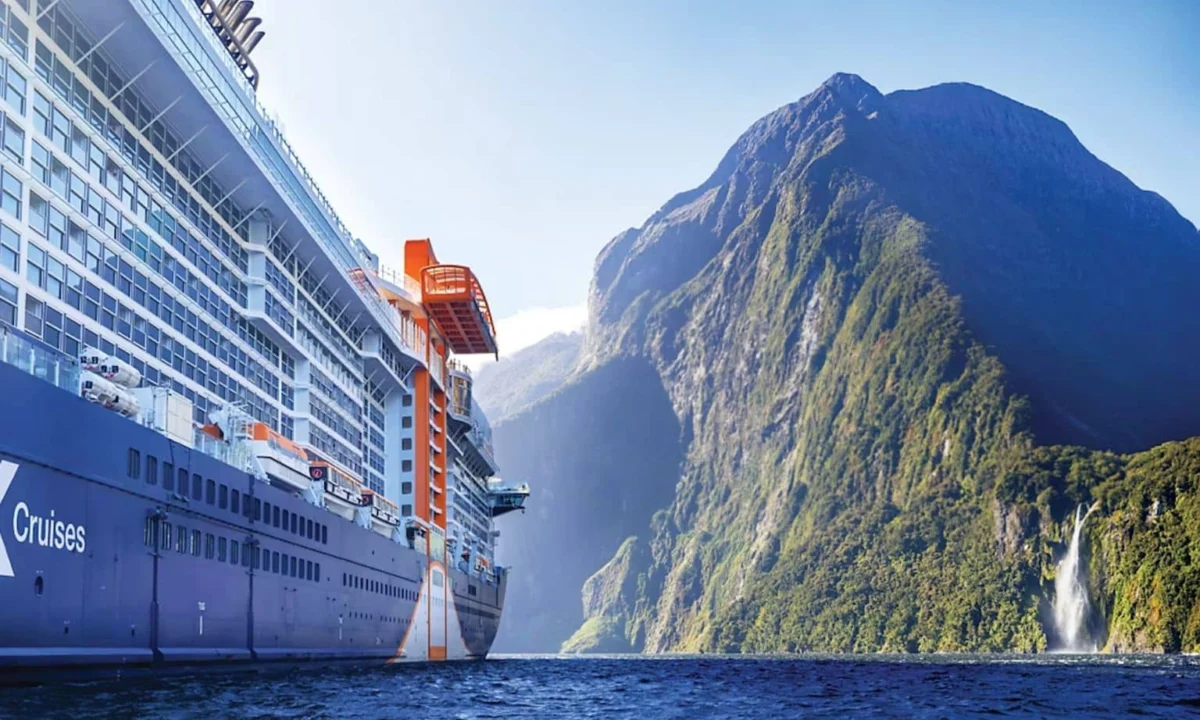
Recent data from the Cruise Lines International Association (CLIA) has highlighted a significant decline in the number of Australian cruise passengers embarking on voyages to New Zealand. This downturn, attributed primarily to a reduced supply of available cruise berths and a perceived lack of itinerary innovation, has ignited a robust discussion among seasoned cruisers who are increasingly seeking fresh experiences and value for money. The sentiment shared by many indicates a growing trend of "destination fatigue" with the familiar New Zealand routes, prompting a shift in travel preferences and a willingness to explore further afield.
The Declining Numbers: A CLIA Revelation
The latest figures released by CLIA paint a stark picture of the current state of the Australia-New Zealand cruise market. While specific percentage drops vary depending on the reporting period, the overarching trend is one of substantial decrease. Industry analysts suggest that the reduction in the number of cruise ships deployed on this popular route has directly impacted passenger capacity. This scarcity of berths, coupled with an aging product offering, has created a perfect storm leading to a diminished uptake by Australian travellers. For years, the trans-Tasman voyage has been a cornerstone of the Australian cruise calendar, offering a convenient and accessible international experience. However, the current market dynamics suggest this established pathway is facing unprecedented challenges.
Reader Feedback: A Call for Variety and Value
The "Your Say" segment of Cruise Passenger magazine, which aggregates reader feedback from blogs, newsletters, and social media, has become a crucial barometer of consumer sentiment. The current discourse surrounding New Zealand cruises reveals a deep-seated desire for itinerary diversification. Many cruisers, having completed multiple voyages to the neighbouring nation, express a lack of incentive to repeat the same experience.
Angela Kate, a frequent cruiser, articulated this sentiment succinctly: "You can only do a NZ cruise so many times. I’ve done it four times, no desire to do it again. We need more itinerary variety out of Australia." Her statement reflects a common refrain: the standard North and South Island itineraries, while once appealing, have become predictable for those who have explored them repeatedly. This has led some, like Angela, to seek novelty by flying to international ports and embarking on cruises from those locations, thereby accessing a wider array of destinations and cruise experiences.
The issue of departure ports also emerged as a point of contention. Trina Lynn highlighted the lack of variety in embarkation points, stating, "I’ve done two cruises to NZ, both from Sydney. What about a Brisbane departure – why not do something different?" Her perspective underscores a broader desire for increased accessibility and regional engagement within the Australian cruise market. Furthermore, Trina pointed out that for those who have explored New Zealand extensively via land-based holidays, the appeal of a cruise that retraces familiar ground diminishes significantly. "Have also been to South Island NZ on a driving holiday. If I go back, it won’t be on a cruise, it will be driving and exploring. Have seen all the ports, need to see something else," she explained, reinforcing the idea that cruise lines must offer more than just a superficial tour of well-trodden paths. This sentiment is echoed by many who feel that "cruising out of Australia has become boring, same itineraries on repeat."
Kyle Crawley’s decision to book a cruise on a less preferred ship for the sake of itinerary novelty further illustrates the demand for fresh routes. Her booking on the Carnival Adventure, departing from Auckland and sailing to Norfolk Island and Vanuatu, was driven by the desire for a different experience, despite reservations about the vessel itself. "Different itineraries are definitely needed," she emphasized. This willingness to compromise on ship preference for an exciting itinerary speaks volumes about the current market’s priorities.
Mark Beasley, another seasoned cruiser, has also shifted his focus away from New Zealand. Having completed five New Zealand cruises, including voyages to the "boring islands ones" and Australian coastal routes, he now looks internationally. "Unfortunately we don’t have many options here so I go to the USA and other places which surprise surprise they are cheaper and better quality cruises," he remarked. This comparison with international cruise offerings, often perceived as offering better value and more compelling itineraries, poses a significant challenge to the domestic cruise market.
The Price of Stagnation: Escalating Fares
Beyond the lack of itinerary innovation, rising prices have become a major deterrent for potential New Zealand cruisers. The CLIA data, while focusing on supply, indirectly points to market dynamics where reduced demand has not necessarily translated into lower prices. In fact, many readers report significant price increases for New Zealand itineraries.
Sandra Burrows noted a dramatic escalation in costs for future sailings. "We’ve been twice, with two different lines, visiting some different ports. I looked recently for 2027 and price have exploded," she stated. She observed that while Royal Caribbean offers shorter, less port-intensive cruises, the prices remain high, while Princess Cruises offers more variety but at an even greater expense. This price-to-value ratio is clearly becoming a point of concern for consumers.
Lise Willard echoed this sentiment, highlighting a dual strategy by cruise lines: reducing the number of sailings to New Zealand while simultaneously increasing the price of the remaining cruises. "Royal Caribbean has dropped the number of cruises going to NZ and increased the price of cruises," she observed. Her personal experience exemplifies the impact of these changes: "I usually go twice a season but did none last season and have none planned for the next season, so I’m planning a land trip instead." This direct displacement of cruise bookings by land-based travel underscores the potential long-term consequences of current pricing and offering strategies.
David Bowker provided a direct assessment of the price hikes and itinerary repetition: "Prices have doubled and all we get are the same itineraries. Maybe this is the wake-up call that the cruise lines need – you can’t keep selling us the same stuff and marking it up year after year." His statement reflects a growing impatience among consumers who feel they are being asked to pay more for a product that has not evolved.
The Lingering Question of Repeat Cruisers
The overarching theme emerging from reader comments is the uncertainty of repeat cruiser engagement. For many, the allure of New Zealand cruising is diminishing with each successive voyage that offers little new.
Karen Ryan, who has undertaken three New Zealand cruises, expressed a conditional willingness to return: "We’ve done three NZ cruises, definitely would go again if we are not going to the same ports over and over again." This highlights the critical need for cruise lines to invest in developing new and exciting itineraries that cater to the evolving expectations of their loyal customer base.
Joe Faith summarized the prevailing mood, suggesting that the novelty of New Zealand cruising has a finite lifespan, especially when coupled with escalating costs. "You can only really do it so many times and with increasing costs it isn’t as justifiable," he commented. This sentiment suggests that the market is reaching a saturation point where the perceived value proposition is no longer as compelling.
Broader Implications for the Cruise Industry
The feedback from Australian cruisers regarding New Zealand itineraries carries significant implications for the broader cruise industry operating in the Australasian region. The CLIA figures, when combined with the detailed reader responses, point to a potential shift in consumer behaviour.
Diversification Imperative: The demand for varied itineraries extends beyond New Zealand. If cruise lines fail to innovate with their New Zealand offerings, passengers will increasingly seek alternatives in destinations like the South Pacific, Asia, or even further afield. This necessitates a strategic review of existing cruise portfolios and an investment in developing new routes that offer unique cultural experiences, adventure opportunities, and diverse landscapes.
Value Proposition Reassessment: The perception of diminishing value, driven by stagnant itineraries and rising prices, is a critical challenge. Cruise lines must re-evaluate their pricing structures in relation to the actual onboard experience and the breadth of destinations offered. Transparency in pricing and a clear articulation of the value proposition will be crucial in regaining consumer confidence.
Competitive Landscape Shift: As Mark Beasley noted, international cruise options are perceived as offering better value and quality. This suggests that the Australian cruise market is not operating in a vacuum. Cruise lines need to remain competitive not only against each other but also against global cruise offerings that are more readily accessible through international air travel.
Impact on Regional Tourism: A sustained decline in cruise passenger numbers to New Zealand could have ripple effects on the tourism economies of both countries. Ports, local businesses, and tour operators that rely on cruise passenger spending may face economic challenges. This underscores the importance of a collaborative approach between cruise lines and destination management organizations to ensure the long-term sustainability of the cruise sector.
Future of Itinerary Planning: The feedback suggests that a one-size-fits-all approach to New Zealand cruising is no longer effective. Cruise lines may need to consider offering more specialized itineraries, such as those focusing on specific regions, adventure activities, or luxury experiences, to cater to diverse passenger preferences. Furthermore, exploring combinations with other destinations, or offering longer, more in-depth explorations of New Zealand, could also be avenues for revitalization.
The current dissatisfaction among Australian cruisers is a clear signal to the industry. The opportunity lies in responding proactively to these concerns, by investing in new itineraries, re-evaluating pricing strategies, and ultimately, delivering fresh and compelling cruise experiences that reignite the passion for sea travel. The industry must heed the call for innovation and value, lest it risks losing a significant segment of its loyal customer base to alternative travel options. The ongoing dialogue, as exemplified by the "Your Say" column, is a vital tool for understanding and addressing these evolving consumer demands.



 Anjar Salim
 Tatiana Tantri Indah Sari
 Budi Mulyono
 Lukman Taruna Persada Ramadan