
 Chandra Hamzah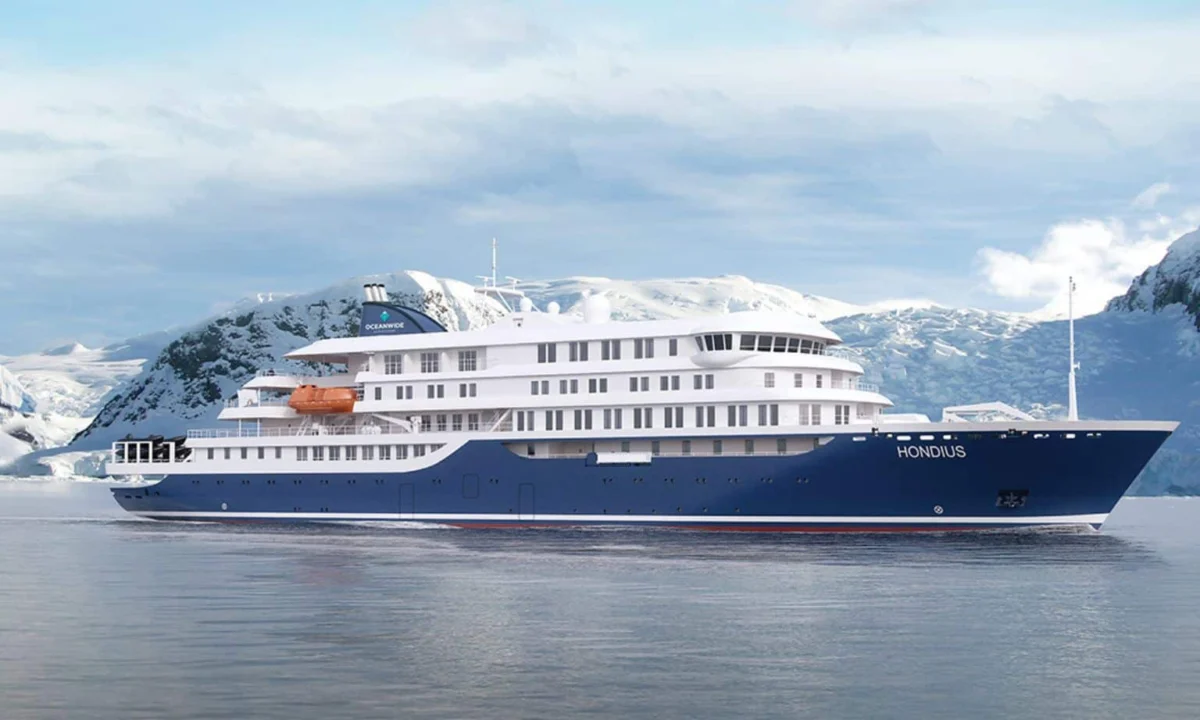
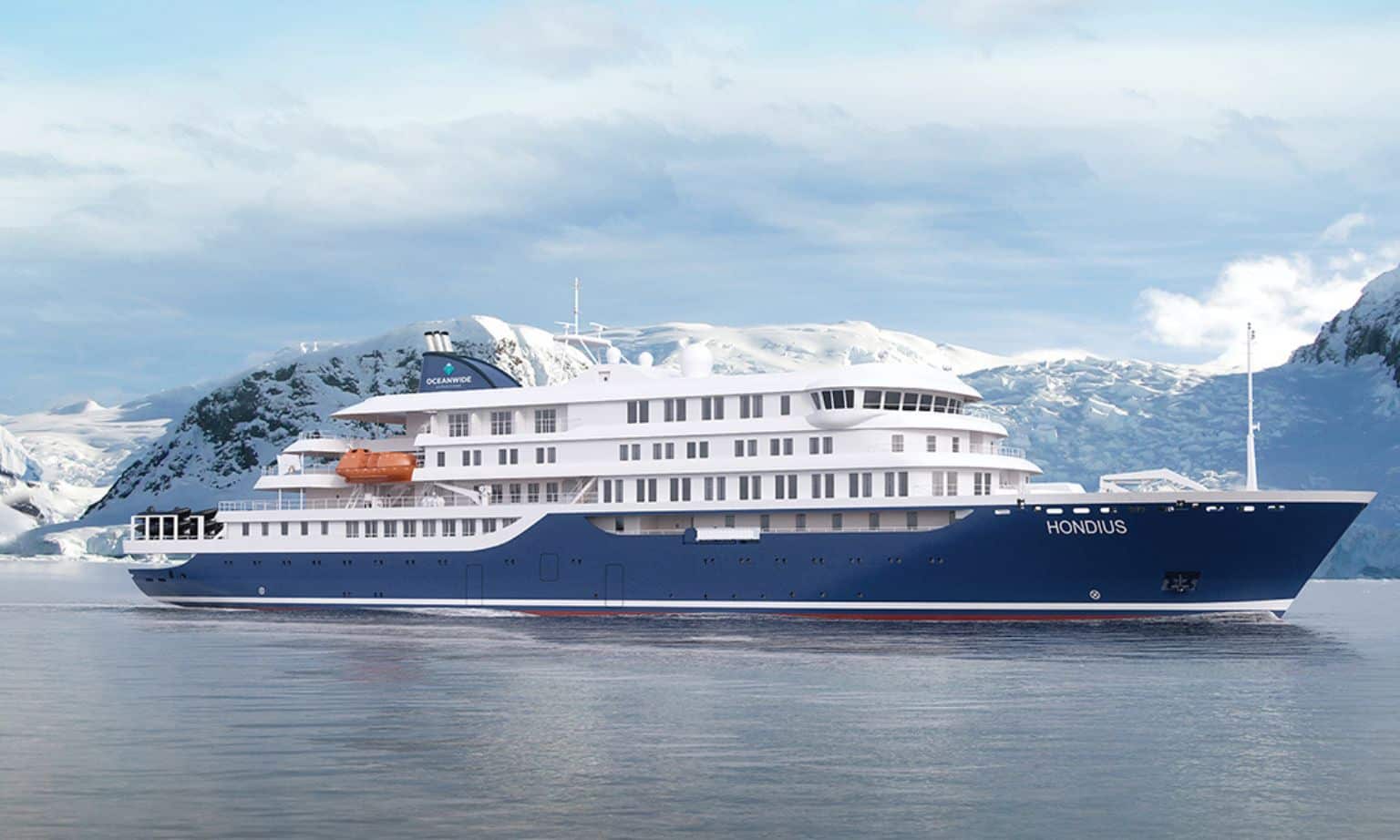
Passengers aboard the luxury adventure vessel MV Hondius have issued a desperate video plea for rescue as they remain trapped at sea, grappling with a deadly hantavirus outbreak. The alarming situation has prompted a complex international response, with health authorities scrambling to manage the unfolding crisis and ensure the safety of the approximately 150 individuals on board, including four Australian nationals.
The World Health Organization (WHO) has confirmed that three individuals on the cruise ship have tragically succumbed to what is strongly suspected to be hantavirus, a rare and severe respiratory illness transmitted through contact with the droppings or urine of infected rodents. A fourth passenger, identified as a British national, remains in critical condition in intensive care. The outbreak has cast a shadow of fear and uncertainty over the passengers and crew, who are currently anchored off the coast of Cape Verde, awaiting a carefully coordinated disembarkation and quarantine process.
Timeline of a Developing Crisis
The harrowing ordeal for the passengers of the MV Hondius began to unfold with the first reported death on April 11th. A 70-year-old Dutch national, the initial victim, passed away onboard. His wife, aged 69, later died in South Africa, raising immediate concerns about the potential for wider transmission. Subsequent to these tragic events, a German national also died, and a British man, who was evacuated from the ship, is currently in intensive care in a South African hospital.
The vessel, operated by Dutch company Oceanwide Expeditions, had embarked on a voyage from Ushuaia, Argentina, to Cape Verde. The ship, designed to accommodate up to 170 guests and 57 crew members, was reportedly carrying 88 passengers and 68 crew at the time of the outbreak. The initial stages of the crisis were marked by a lack of immediate public acknowledgment of the severity of the situation. Passenger accounts suggest that the cruise line may not have fully grasped the contagious nature of the illness in its early stages.
Rudi Cenet, a Turkish travel vlogger who was on board, has been vocal about his concerns, stating that the possibility of such a contagious disease was not initially considered by the ship’s operators. "They didn’t even consider the possibility of having such a contagious disease," Cenet recounted. "They didn’t take the problem seriously enough." This sentiment is echoed by footage that has emerged, showing the ship’s captain informing passengers about the first death, initially suggesting it did not appear to be due to an infectious disease. This assessment, however, proved tragically inaccurate as the situation escalated.
Hantavirus: A Deadly and Elusive Threat
Hantaviruses represent a group of viruses primarily spread by rodents. While human-to-human transmission is exceedingly rare, certain strains, particularly those found in South America, can be transmitted through close personal contact. The primary mode of infection for humans involves inhaling airborne particles contaminated with the virus from rodent urine, droppings, or saliva. The symptoms of hantavirus infection can range from mild flu-like symptoms to severe respiratory distress, with a mortality rate that can be as high as 40 percent in some cases.
Initial symptoms typically include fatigue, fever, muscle aches, and abdominal pain. These can rapidly progress to more severe respiratory complications, such as shortness of breath and chest tightness, a condition known as Hantavirus Pulmonary Syndrome (HPS). The WHO has indicated that their working hypothesis includes the possibility of human-to-human transmission occurring among very close contacts, suggesting that the specific strain of hantavirus involved may be one of the rarer, communicable variants. This hypothesis is bolstered by the fact that no rats were discovered onboard the MV Hondius, and experts believe the initial case may have been contracted prior to boarding.
Contact Tracing and International Cooperation
As the situation has become clearer, health authorities have initiated intensive contact tracing efforts. The cruise line has indicated that as many as 29 passengers may have had contact with the disease. The immediate concern is to prevent further spread and to provide necessary medical care to those affected.
The MV Hondius is currently en route to the Canary Islands, a Spanish archipelago, where it is expected to arrive in three to four days. Spain has agreed to receive the vessel, demonstrating a significant act of international cooperation and humanitarian responsibility. Upon arrival, passengers and crew will be met by health authorities and escorted to designated isolation and quarantine facilities. This process will involve isolated, guarded vehicles to ensure strict containment measures.
The Spanish Ministry of Health has emphasized its commitment to assisting the passengers, stating, "The World Health Organization has explained that Cape Verde is unable to carry out this operation. The Canary Islands are the closest location with the necessary capabilities. Spain has a moral and legal obligation to assist these people, among whom are also several Spanish citizens." This logistical arrangement underscores the complexities of managing a health crisis at sea and highlights the critical role of international collaboration.
Passenger Accounts and Accusations of Negligence
Beyond the official pronouncements, the voices of the passengers themselves paint a vivid picture of their fear and frustration. A video plea, circulating widely, features an American passenger expressing the profound human impact of the crisis: "We’re not just headlines. We’re people. People, families, with lives, with people waiting for us at home." This plea underscores the emotional toll of being stranded in such a precarious situation.
The Turkish travel vlogger, Rudi Cenet, has also shared his experience, detailing his decision to self-isolate onboard after the initial announcement of the first death. He expressed regret over the ship’s subsequent port call, particularly its visit to a remote island. "I wish we did not land there after the first casualty, because along with us, there were a hundred more passengers, and they were interacting with the islanders," Cenet stated. "This is one of my regrets, because the island is the most remote one, and they don’t have enough medical centres, enough doctors." His comments raise concerns about the potential for the virus to have spread to vulnerable communities.
Cenet further criticized the onboard response, noting that despite the initial death, passengers continued to dine together without masks. "We again kept eating all together… and we didn’t wear any masks. We didn’t know there was a virus, but we just took precautions," he said, highlighting a perceived lack of decisive action by the ship’s management in the early stages.
Broader Implications and Public Health Concerns
The hantavirus outbreak on the MV Hondius serves as a stark reminder of the potential for infectious diseases to emerge and spread rapidly, even in the context of modern travel. The situation raises several critical public health questions:
-
Origin of the Outbreak: While the WHO believes human-to-human transmission may be occurring, the initial source of the virus remains a key area of investigation. Argentinian officials have suggested that a Dutch couple onboard might have contracted the virus while bird-watching in Ushuaia, Argentina, a region that has seen an increase in hantavirus cases. However, the specific region where they were bird-watching had not previously reported cases, adding another layer of complexity to the epidemiological puzzle.
-
Effectiveness of Containment Measures: The decision to divert the ship to the Canary Islands, rather than having it disembark in Cape Verde, highlights the limitations of some locations in handling such health emergencies. Spain’s willingness to accept the vessel underscores the global responsibility to manage such crises.
-
Long-Term Public Health Strategy: The incident will likely prompt a review of health protocols for cruise ships, particularly those operating in regions where hantavirus is endemic. Enhanced screening, onboard hygiene measures, and rapid response plans will be crucial in mitigating future risks.
-
Impact on Travel and Tourism: Such outbreaks can have significant implications for the travel industry, potentially leading to increased scrutiny of health and safety standards and impacting passenger confidence.
The WHO is actively involved in coordinating medical evacuations and providing support to the remaining passengers and crew. They are conducting further laboratory testing and epidemiological investigations, including virus sequencing, to gain a comprehensive understanding of the outbreak. The organization has expressed gratitude for the "rapid actions and coordination" by the involved Member States and the ship’s operators.
As the MV Hondius makes its way to Spanish shores, the world watches with bated breath, hoping for a swift resolution to this unfolding health crisis and a safe return for all those on board. The incident serves as a potent illustration of the interconnectedness of global health and the critical need for vigilance, preparedness, and international cooperation in the face of emerging infectious threats.




 Anjar Salim
 Tatiana Tantri Indah Sari
 Budi Mulyono
 Lukman Taruna Persada Ramadan
