
 Diana Nuri Rohmawati
The remote island of Ko Lipe, once heralded as the "Maldives of Thailand" for its pristine white sands and turquoise waters, has become a central case study in the detrimental effects of unsustainable tourism development. Over a span of nearly two decades, the island has transitioned from an off-the-beaten-path sanctuary for intrepid travelers into a densely packed tourist hub, raising urgent questions regarding environmental stewardship and the long-term viability of Thailand’s island-based tourism model. Reports from long-term observers and travel analysts indicate that the rapid expansion of infrastructure, coupled with a lack of centralized resource management, has pushed the island’s ecosystem and local community to a breaking point.
A Two-Decade Transformation: From Seclusion to Urbanization
In the mid-2000s, Ko Lipe, located in the Adang-Rawi Archipelago of the Andaman Sea, was characterized by its limited accessibility and rudimentary infrastructure. In 2006, the island operated with a minimal electricity grid that functioned only a few hours per day. Accommodations primarily consisted of basic bamboo bungalows, and the local economy was largely decoupled from the mass-market tourism seen in northern hubs like Phuket or Ko Phi Phi. The island’s geography—small enough to be traversed entirely by foot on dirt paths—enforced a natural limit on the volume of visitors.
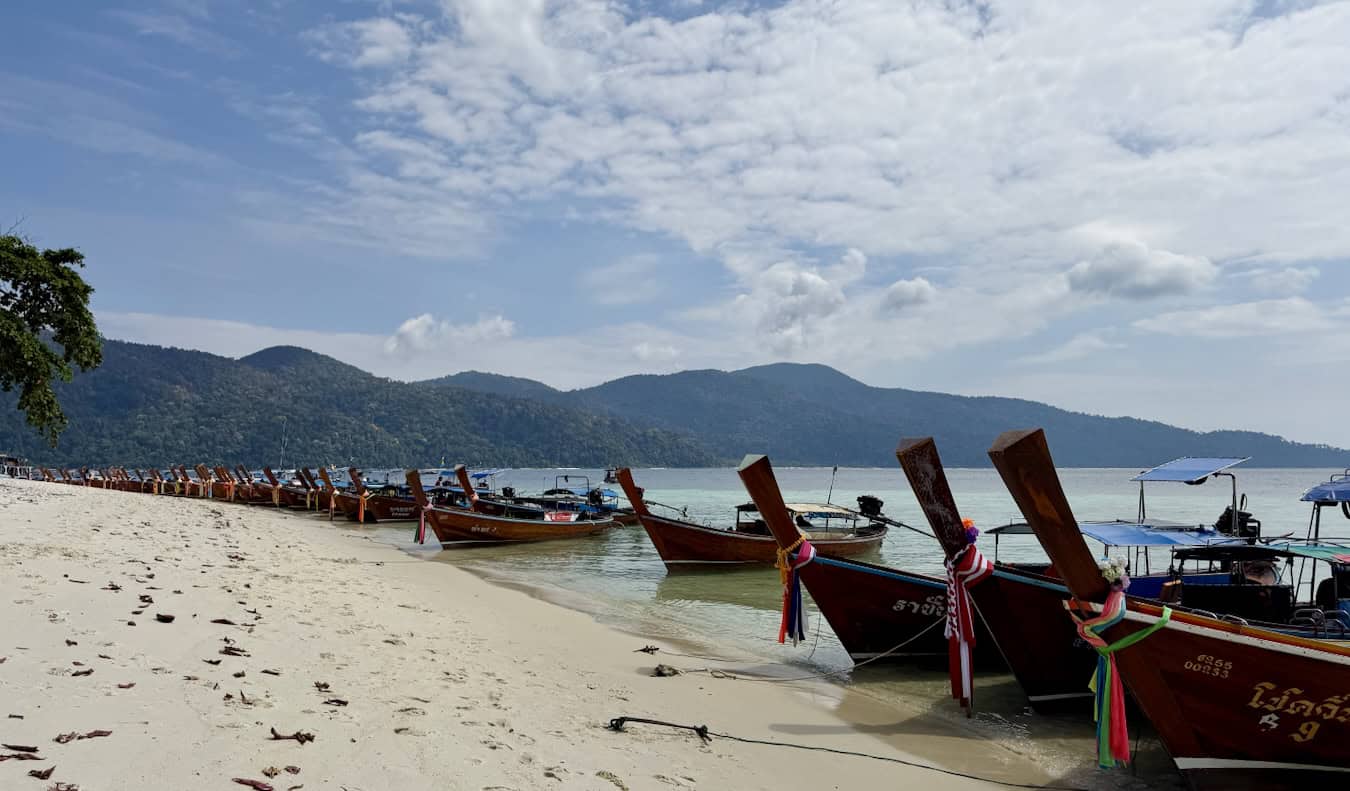
However, the chronological progression of the last 19 years shows a radical shift. The dirt footpaths that once defined the island’s interior have been replaced by concrete roads designed to accommodate construction vehicles and motorbikes. The seasonal nature of the island’s tourism, which once saw a definitive "last boat" of the season, has been replaced by year-round accessibility, facilitated by high-speed ferries and speedboats connecting the island to Langkawi, Malaysia, and the Thai mainland at Pak Bara. This accessibility has catalyzed a building boom that shows no signs of decelerating, despite the island’s finite physical and biological resources.
Infrastructure Strain and the Absence of Natural Resources
One of the most critical issues facing Ko Lipe is the disparity between its luxury infrastructure and its natural resource capacity. Unlike larger islands, Ko Lipe lacks a natural freshwater supply. The proliferation of high-end resorts, many featuring private swimming pools, has placed an unprecedented strain on the island’s water table. Most establishments rely on private wells or expensive desalination processes, which further tax the island’s energy requirements and contribute to groundwater depletion.
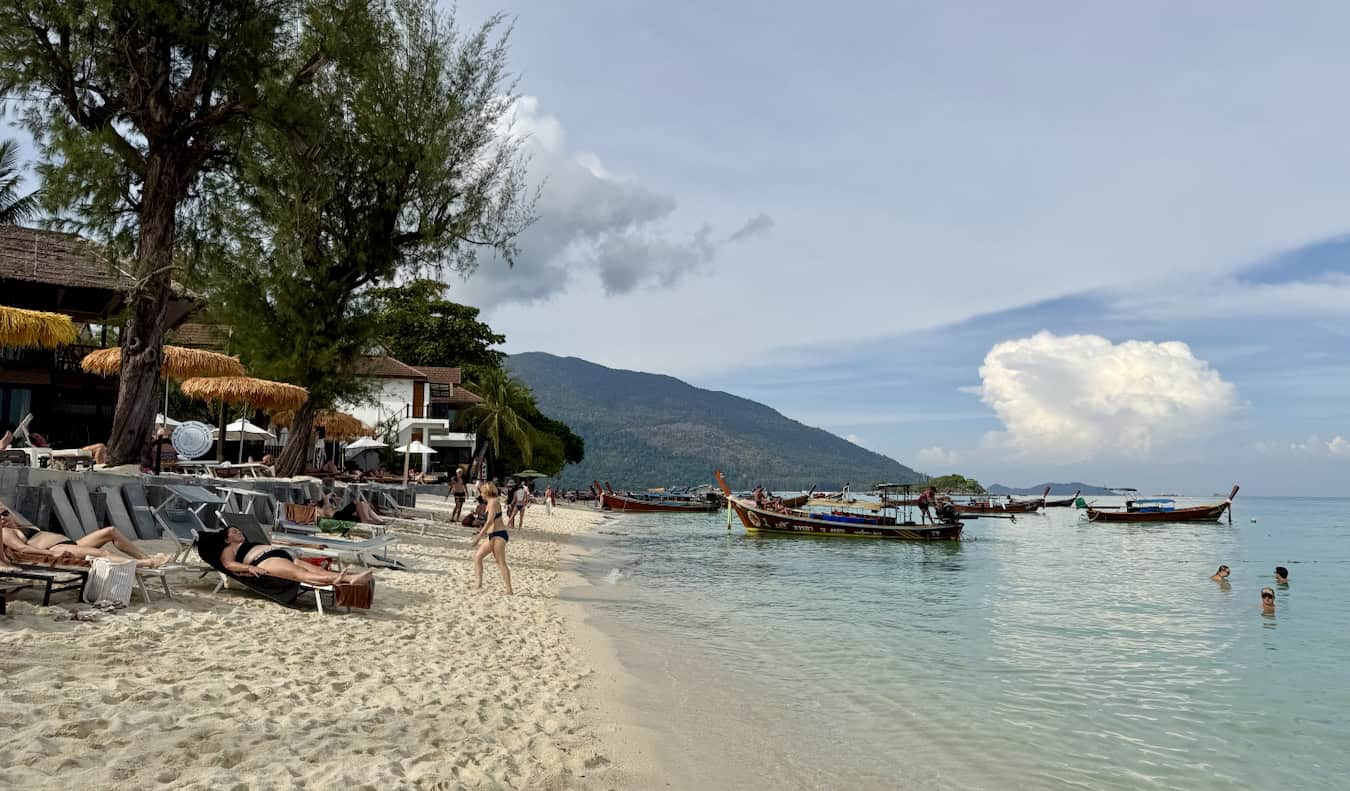
The transition from "sleepy paradise" to "overdeveloped hub" is most visible in the island’s construction sector. Swaths of indigenous palm trees and coastal vegetation have been cleared to make way for concrete structures. Travel analysts note that Ko Lipe appears to have followed the "Ko Phi Phi model"—a reference to the neighboring island that became so overdeveloped and environmentally degraded that its famous Maya Bay had to be closed to the public for several years to allow the ecosystem to recover. On Ko Lipe, the lack of sustainable urban planning has resulted in a landscape where resorts are built in close proximity, leaving little room for the natural drainage or green space necessary to maintain the island’s aesthetic and ecological health.
Environmental Degradation: The Marine Ecosystem Under Siege
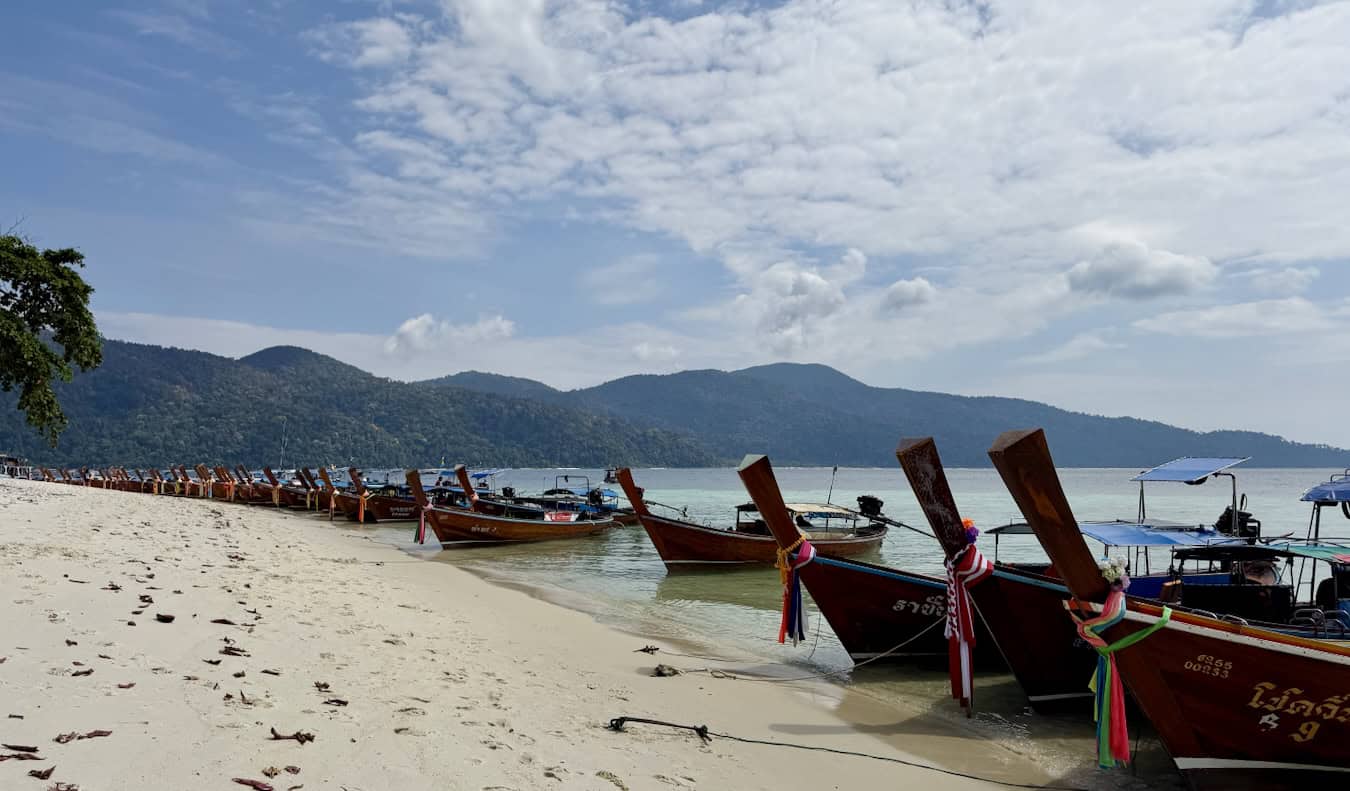
The marine environment, which serves as Ko Lipe’s primary draw, is currently experiencing significant distress. The island is part of the Tarutao National Marine Park, a region intended to be protected under Thai law. However, the sheer volume of maritime traffic has led to visible pollution. Observers have documented a "shiny film" of petroleum exhaust on the water’s surface, a direct result of the hundreds of long-tail boats and speedboats that line the beaches daily.
The coral reefs surrounding Ko Lipe are also in a state of decline. Several factors contribute to this:
- Physical Damage: Anchors from tourist boats and inexperienced snorkelers frequently damage fragile coral structures.
- Pollution: Runoff from the island’s increased greywater production and construction debris introduces nutrients and toxins into the reef system, leading to algae blooms and coral bleaching.
- Overfishing: To meet the demands of the burgeoning restaurant industry, local fish stocks have been depleted, disrupting the ecological balance of the reef.
Marine biologists have warned that without immediate intervention, the very attractions that drive the island’s economy—its vibrant underwater life and crystal-clear water—will be permanently lost.
Socio-Economic Displacement and the Marginalization of Locals
The tourism boom on Ko Lipe has not only altered the physical landscape but has also profoundly shifted the island’s social fabric. Ko Lipe is the traditional home of the Urak Lawoi, often referred to as "Sea Gypsies." For generations, the Urak Lawoi maintained a subsistence lifestyle based on fishing and a deep spiritual connection to the sea.
As land values skyrocketed, many indigenous residents faced immense pressure to sell their ancestral plots to developers from the Thai mainland. This has led to a widespread displacement of the local population. Today, a significant portion of the island’s workforce consists of seasonal laborers from the mainland or neighboring countries, while the original inhabitants find themselves marginalized within their own community. The economic benefits of the tourism surge are largely concentrated in the hands of external investors and large-scale developers, leaving little for the long-term sustainability of the local populace. Furthermore, the cultural shift is evident in the commercial sector, where traditional Thai and Urak Lawoi cuisine is increasingly sidelined in favor of Western-style dining aimed at international tourists.
Comparative Analysis: The "Phi Phi Model" vs. Sustainable Alternatives
The current state of Ko Lipe serves as a cautionary tale for the Thai Ministry of Tourism and Sports. While tourism is a vital pillar of the national economy—contributing approximately 12% to Thailand’s GDP—the "build at all costs" approach has proven destructive in the Andaman region.
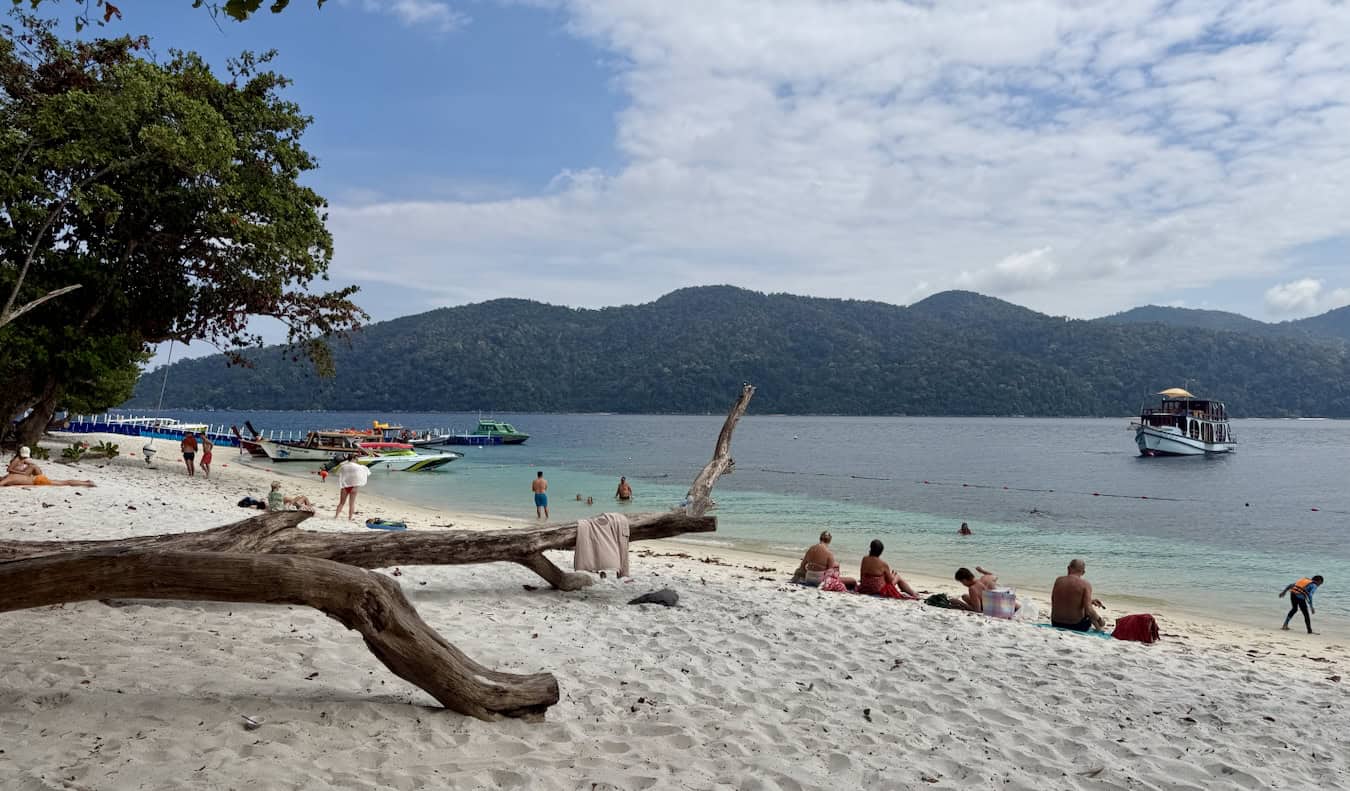
Travel experts are now advocating for a shift in consumer behavior, suggesting that travelers bypass overdeveloped islands like Ko Lipe in favor of destinations that have implemented more sustainable management practices. Nearby islands such as Ko Lanta, Ko Jum, and Ko Mook are frequently cited as better-managed alternatives. These islands have maintained a balance between welcoming tourists and preserving their natural and social integrity. Ko Lanta, for instance, has a more robust infrastructure that can handle larger volumes without the same level of environmental collapse seen on smaller islands.
The comparison to Ko Phi Phi is particularly apt. Following the closure of Maya Bay in 2018, the Thai government demonstrated that it is possible to prioritize ecological recovery over immediate tourism revenue. During the closure, blacktip reef sharks returned to the bay, and coral began to regrow. Analysts argue that Ko Lipe may soon require a similar "forced hiatus" or a strict cap on daily visitor numbers to prevent a total ecological failure.
Implications for the Future of Thai Island Tourism
The situation on Ko Lipe reflects a broader global struggle with "overtourism." As consumers become more conscious of their environmental footprint, the demand for "eco-conscious" travel has risen. This shift in consumer sentiment was instrumental in the phasing out of unethical practices, such as elephant riding, across Southeast Asia.
For Ko Lipe to survive as a viable destination, a multi-stakeholder approach is required:
- Governmental Regulation: Strict enforcement of building codes and the cessation of new resort permits within the National Marine Park boundaries.
- Waste Management: Implementation of a centralized sewage and waste treatment system to prevent ocean runoff.
- Resource Protection: Establishing "no-anchor" zones and limiting the number of boats allowed to operate around the island.
The overarching lesson from Ko Lipe’s 19-year trajectory is that tourism growth is not synonymous with progress if it occurs at the expense of the environment and local communities. While the island remains "postcard-perfect" from a distance, the underlying reality is one of depletion. For the international travel community, the choice to visit—or skip—such destinations serves as a powerful tool for signaling a preference for sustainability over exploitation. As it stands, Ko Lipe remains a victim of its own beauty, a paradise taxed beyond its limits by the very industry that claims to celebrate it.




 Chandra Hamzah
 Tatiana Tantri Indah Sari
 Budi Mulyono
 Anjar Salim

