
 Walid Sujud Trenggono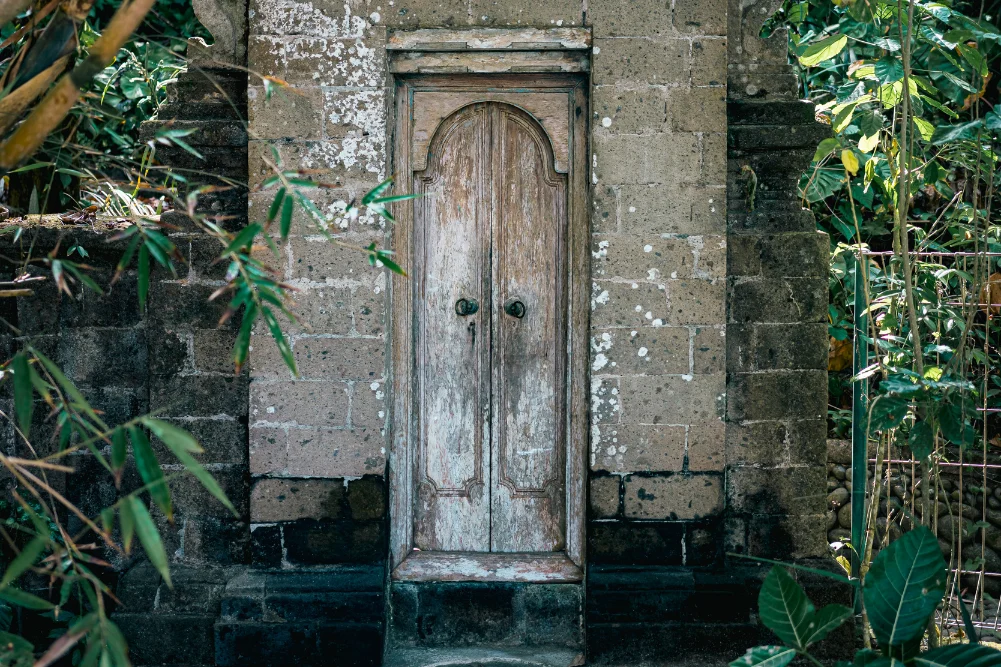
The landscape of Balinese tourism is currently undergoing a significant shift as travelers increasingly bypass the high-density urban centers of Kuta, Seminyak, and Canggu in favor of the island’s rugged western coastline. While the south of Bali remains the primary driver of the provincial economy, the west coast—specifically the regions surrounding Balian Beach and Medewi—offers a starkly different experience characterized by volcanic sands, uncrowded surf breaks, and a preserved agrarian lifestyle. This movement toward "slow tourism" reflects a broader global trend where travelers prioritize authenticity and environmental connection over commercial convenience.
The Geographical and Environmental Context of West Bali
Located approximately 50 to 60 kilometers northwest of Denpasar, Balian Beach serves as the gateway to Bali’s "wild west." Unlike the white limestone sands of the Bukit Peninsula, the beaches here are composed of dark, mineral-rich volcanic sand, a geological legacy of the island’s volcanic backbone, including Mount Batukaru. The shoreline is defined by sea-ravaged crags and a landscape that transitions abruptly from crashing Indian Ocean swells to lush, emerald-green rice paddies.
One of the most distinctive features of the Balian region is its river mouth, where a sacred river meets the sea. This confluence is responsible for the area’s consistent surf, as the river flow helps shape the sandbars that create the waves. However, environmental experts and local guides often note that this specific geography brings ecological complexities; during periods of heavy rainfall, the river runoff can attract marine life, including bull sharks, which are known to congregate near the estuary. This natural phenomenon is a well-documented aspect of the West Bali ecosystem, serving as a reminder of the region’s untamed nature compared to the manicured beaches of the south.
The Mechanics of West Bali Surf Culture
The primary draw for the West Coast has historically been its world-class surf breaks. The region’s maritime climate is influenced by cool mountain air that creates reliable offshore winds. From April to October, during the Indonesian dry season, early morning convection breezes blow offshore, grooming the swell into clean, rideable waves.
Balian Beach is celebrated for its three distinct breaks that cater to various skill levels:
- The Peak: A versatile break that offers a slow-breaking left and a faster, barreling right.
- Ketuts: Located across the river mouth, this break provides an intense, high-performance right-hand ride favored by experienced surfers.
- The Far West: A gentler, "cruisy" ride ideal for intermediate and novice surfers.
Further up the coast lies Medewi, home to Bali’s longest left-hand point break. Extending up to 300 meters, this wave is a bucket-list destination for longboarders. The surf culture here is notably non-competitive. Unlike the aggressive "lineups" found at Uluwatu or Padang Padang, the atmosphere in the west is one of mutual respect and patience, reflecting the "old-school" Balinese vibe that many fear has been lost in more developed areas.
Chronology of Development: From Surf Outpost to Wellness Hub
The evolution of West Bali’s tourism can be traced through several key phases:
- The 1970s and 80s: West Bali was largely a transit point for travelers heading to the Gilimanuk ferry terminal. Only the most adventurous surfers explored the breaks at Medewi and Balian, staying in rudimentary "losmen" (homestays).
- The 2000s: As South Bali reached a saturation point, boutique villas began to appear among the rice paddies of Lalanglinggah. This era saw the introduction of more formal hospitality infrastructure, such as Pondok Pitaya, which catered specifically to the surf community.
- The 2010s to Present: The "Wellness Wave" arrived. The establishment of yoga shalas, such as Balian Spirit Yoga, signaled a diversification of the visitor demographic. The region began attracting families and "digital nomads" seeking a quieter environment for remote work and mindfulness.
Socio-Cultural Structure: The Balinese Compound
A critical element of the West Bali experience is the integration of tourism into existing village structures. In Lalanglinggah and Yeh Sumbul, traditional Balinese compounds vastly outnumber commercial guesthouses. These compounds are architectural manifestations of the Tri Hita Karana philosophy, which emphasizes harmony between humans, nature, and the divine.
Typically, these rectangular walled compounds house three or four generations of a family. They are oriented toward Mount Agung and centered around a family temple. For the visitor, this proximity offers a rare glimpse into daily rituals, such as the placement of canang sari (daily offerings) and the communal management of the Subak—Bali’s UNESCO-recognized traditional irrigation system for rice paddies. This cultural immersion is a significant factor in the region’s high "return visitor" rate, as travelers report a sense of connection that is often shielded by the walls of large-scale resorts in Nusa Dua or Jimbaran.
Infrastructure and Economic Challenges in Yeh Sumbul and Medewi
As one travels further west to Yeh Sumbul, the infrastructure becomes noticeably more sparse. The 20-kilometer stretch of coastline remains largely "au-natural," with development consisting of a few scattered villas and budget surf camps. While this lack of development preserves the aesthetic beauty of the region, it presents logistical challenges for the hospitality sector.
Recent data from regional tourism boards suggests that while Balian has reached a "middle-ground" of comfort and accessibility, Yeh Sumbul remains a frontier. Accommodations in this area are often described as "rough" or budget-priced, sometimes lacking modern amenities like consistent air conditioning or soundproofing. However, the economic impact of tourism in these remote villages is profound. Local "warungs" (small cafes) such as Nal’s Kitchen and Holy Tree have become essential community hubs, providing employment and a market for local produce.
Comparative Analysis: The "Hustle" vs. The "Hush"
A primary driver for the migration to West Bali is the avoidance of the "hello mister" hustle—the persistent street-side solicitation common in Denpasar and Kuta. Tourism analysts observe that the West Coast maintains a more egalitarian relationship between locals and visitors. Because the economy is still rooted in agriculture and fishing, tourism serves as a supplementary rather than a sole income source for many families. This leads to more authentic interactions and a lack of the "tourist fatigue" often seen in high-traffic zones.
Furthermore, the price point in West Bali remains significantly lower than in the South. A traditional meal of gado-gado or a tempeh burger in a Balian warung typically costs a fraction of the price of a similar meal in Seminyak, without sacrificing quality. This affordability, combined with the lack of nightlife and commercial noise, creates a "hush" that defines the West Bali brand.
Safety and Practical Considerations for Travelers
For those planning a visit to the West Coast, regional authorities and experienced travelers recommend the following:
- Transportation: Balian is a two-hour drive from Ngurah Rai International Airport. While ride-sharing apps like Grab operate in the area, hiring a private driver is often more reliable for the return journey.
- Seasonality: The dry season (April to October) offers the best surfing conditions. However, the "shoulder seasons" (March and November) can provide a balance of good weather and even smaller crowds.
- Health and Safety: Due to the powerful currents and the presence of river-mouth wildlife, swimmers are advised to stay within designated areas and consult with local surf schools before entering the water.
Implications for the Future of Balinese Tourism
The continued popularity of West Bali raises questions about the sustainability of its growth. There is a delicate balance between providing the infrastructure that travelers desire—such as the hot showers and air conditioning found in Legian—and maintaining the "untrammelled slice of heaven" that makes Balian unique.
Current provincial planning suggests a focus on "Quality Tourism," which prioritizes high-value, low-impact visitors over mass-market tourism. If West Bali can maintain its commitment to village-based tourism and environmental preservation, it may serve as a model for other developing regions in Indonesia. For now, the west remains a sanctuary for those who believe that Bali is much more than the sum of its hotspots—a place where the roar of the Indian Ocean still drowns out the noise of the modern world.



 Anjar Salim
 Chandra Hamzah
 Tatiana Tantri Indah Sari
 Budi Mulyono
 Lukman Taruna Persada Ramadan
