
 Chandra Hamzah
Australia’s vital tourism sector has voiced profound disappointment following the Federal Government’s decision to increase the Passenger Movement Charge (PMC), commonly known as the departure tax. Industry leaders warn that this escalation from $70 to $80 per international passenger, effective from January 1, 2027, will significantly erode Australia’s global competitiveness, potentially accelerating the exodus of cruise capacity from Australian waters and hindering the nation’s post-pandemic tourism recovery.
The controversial increase was formally confirmed in Treasurer Jim Chalmers’ 2026-27 Federal Budget, presented on Tuesday evening. This new levy will affect all international travellers departing Australia, encompassing holidaymakers, business visitors, and cruise ship passengers alike.
A Challenging Time for a Sector in Recovery
The Cruise Lines International Association (CLIA) Australasia has strongly condemned the timing of this decision, highlighting that the tourism industry is still navigating the complex aftermath of the COVID-19 pandemic and facing escalating operational costs. In a pointed statement, CLIA articulated its concerns: "Increasing the Passenger Movement Charge places yet another burden on travellers at a time when the tourism community is working hard to overcome challenges at home and overseas. Australia already charges travellers some of the highest fees in the world, increasing the cost of international travel and creating a disincentive for overseas visitors."
This latest fiscal measure is particularly galling for the cruise industry, which has repeatedly sounded the alarm about Australia’s diminishing appeal to international cruise operators. "This increase is particularly disappointing at a time when the cruise community has been highlighting Australia’s loss of cruise tourism to other regions, and it is a further blow to the country’s competitiveness," CLIA stated, underscoring the urgency of the situation.
The Unfolding Narrative of Declining Cruise Capacity
For over two years, Cruise Passenger has been diligently documenting the steady redeployment of cruise ships away from Australian itineraries. Major cruise lines, including Carnival Cruise Line, Royal Caribbean, and Princess Cruises, have systematically reduced their local presence in recent seasons. This trend culminated in the absorption of P&O Australia into Carnival Cruise Line, marking the end of a beloved and iconic Australian cruise brand.
Industry experts have consistently pointed to a fundamental lack of a cohesive, whole-of-government tourism strategy in Australia. This deficit, they argue, leaves the nation struggling to compete with established and emerging Asian cruise hubs like Singapore and Japan. These regions have aggressively courted tourism growth through substantial infrastructure investments and coordinated policy frameworks that favour the cruise industry.
Furthermore, cruise executives have cited a litany of mounting operational costs within Australia. These include significant expenses related to pilotage fees, biosecurity clearances, customs processing, and a complex web of state-based port charges. These cumulative costs, they contend, render Australian deployments less economically viable compared to other global destinations. The newly announced PMC increase now adds yet another financial disincentive to this already challenging landscape.
A Deeper Dive into the Data and Trends
While specific projections for the revenue generated by the PMC increase have not been publicly detailed in relation to tourism investment, historical data indicates the significant financial impact of such charges. Prior to this increase, Australia’s PMC was already among the highest departure taxes globally. In 2023, international visitor arrivals to Australia reached approximately 7.1 million, a substantial increase from the pandemic-affected years but still below the pre-pandemic peak of over 9 million visitors in 2019. Each of these departing international travellers, from January 2027, will now face an additional $10 departure tax.
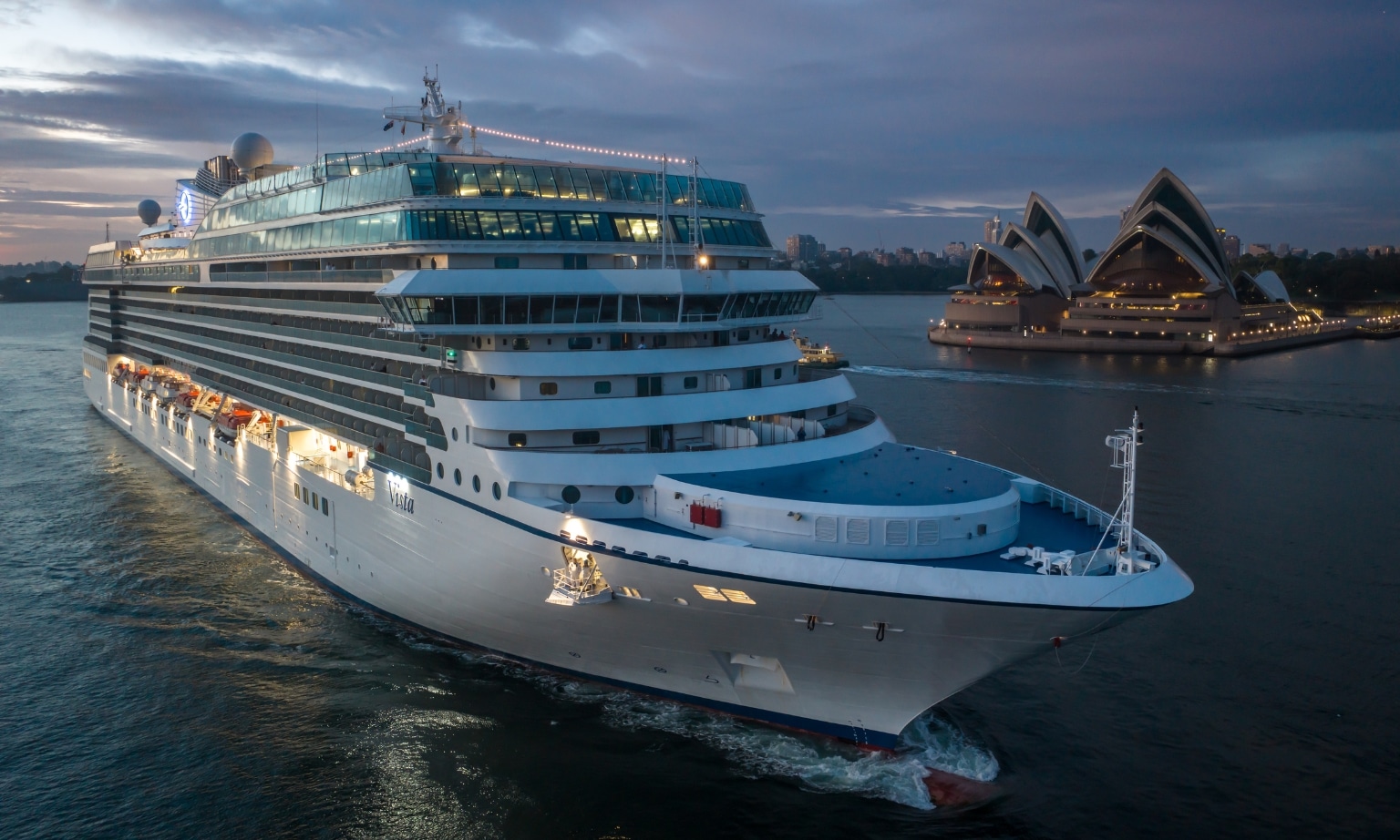
The reduction in cruise capacity has tangible economic consequences. Cruise tourism is a significant contributor to the Australian economy, injecting billions of dollars annually through passenger spending on shore excursions, dining, accommodation, and retail. Regional ports, in particular, rely heavily on cruise ship visits for economic stimulus. The loss of these visits translates directly into lost revenue for local businesses and communities.
For instance, a 2022 report by Deloitte Access Economics for CLIA estimated that the cruise industry contributed $1.2 billion to the Australian economy and supported over 7,000 jobs. A sustained decline in cruise capacity could see these figures diminish significantly.
Industry Responses and Calls for Reinvestment
CLIA has consistently advocated for the revenue generated by the PMC to be directly reinvested into modernising Australia’s border and passenger processing systems for both aviation and cruise travel. "CLIA continues to support calls for PMC revenue to be reinvested in the modernisation of Australia’s border processes for aviation and cruise," the organisation reiterated. This sentiment is echoed by other key industry bodies.
Margy Osmond, Chief Executive of the Tourism and Transport Forum, has also strongly criticised the tax hike, labelling it "outrageous." She warns that it risks undermining Australia’s fragile tourism recovery. The Federal Government’s decision not to earmark the additional revenue for tourism or border infrastructure improvements has drawn renewed criticism, with the sector feeling that travellers are being unfairly treated as a general revenue source.
Broader Economic and Global Context
The increase in Australia’s PMC arrives amidst a broader global trend of increasing tourism-related taxes and levies. Several European destinations, including Spain and Italy, are escalating their city tourism taxes, while Thailand is planning to introduce a 300 Baht ($13 AUD) entry fee for international visitors later this year. In Australia, Victorian travellers are already contending with the state’s 7.5% short-stay accommodation levy, introduced in January 2025.
However, cruise industry leaders argue that Australia’s predicament is distinct. The intense global competition for cruise ship deployment means that cruise lines possess a unique agility. Unlike airlines, which have fixed routes and substantial investment in specific markets, cruise lines can relatively quickly reposition their fleets to regions offering lower operating costs and more favourable government support. Destinations like those in Asia are actively implementing policies to attract cruise lines, offering incentives such as reduced port fees, streamlined regulatory processes, and significant investment in cruise terminal infrastructure.
A Call for a Coordinated National Strategy
Cruise Passenger has repeatedly highlighted the urgent need for a comprehensive national cruise strategy. Such a strategy would require collaboration between federal and state governments, tourism agencies, port authorities, and industry stakeholders to reverse the concerning decline in Australian cruise capacity. Without decisive action, the industry warns that Australia faces not only the potential loss of cruise ships but also the forfeiture of billions of dollars in economic activity generated by cruise tourism. This includes substantial benefits for local businesses, regional port communities, hotels, restaurants, and tour operators.
With the Passenger Movement Charge set to rise again, cruise executives are increasingly concerned that Australia will become an even more challenging proposition in global deployment discussions, which are already heavily influenced by the competitive offerings of Asia and Europe. The decision underscores a growing divide between the government’s fiscal priorities and the industry’s efforts to secure Australia’s place in the competitive global tourism market.




 Anjar Salim
 Tatiana Tantri Indah Sari
 Budi Mulyono
 Lukman Taruna Persada Ramadan
