
 Walid Sujud Trenggono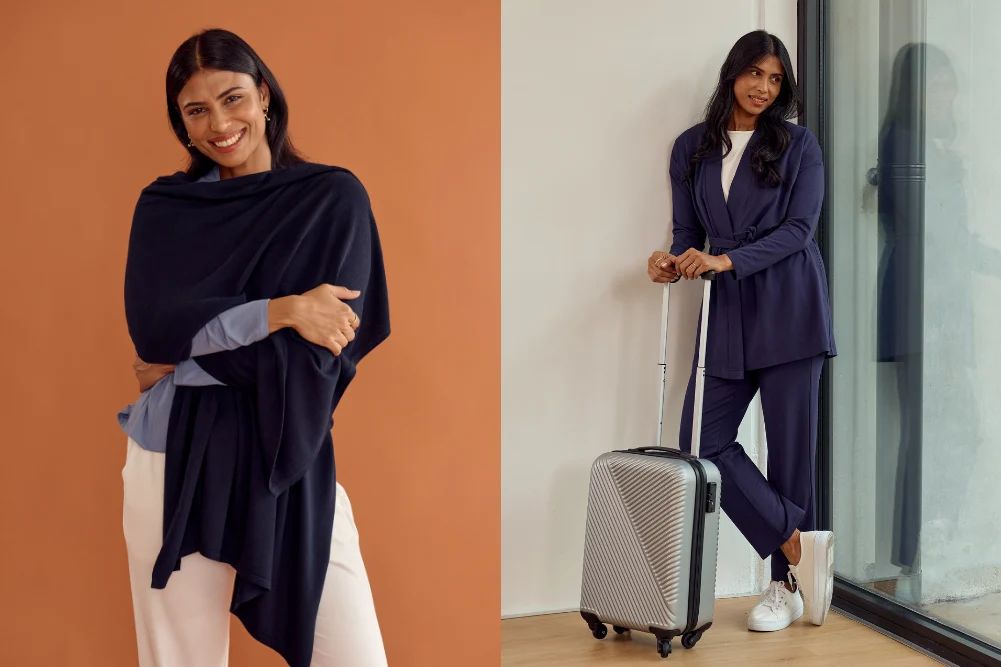
The global travel industry has undergone a significant transformation over the last decade, shifting its focus from mere logistics to the holistic quality of the passenger experience. Central to this evolution is the rising demand for specialized travel attire, a niche market that prioritizes physiological comfort, thermal regulation, and aesthetic versatility. For international travelers, particularly those navigating the grueling long-haul routes connecting Australia to the rest of the world, the choice of clothing is no longer a secondary consideration but a strategic component of journey management. As cabin environments present unique challenges—including low humidity, fluctuating temperatures, and prolonged physical restriction—brands like the Australian-based Bamboo Body have spent nearly twenty years perfecting the science of "travel-ready" apparel. This shift reflects a broader consumer movement toward functional fashion, where the secret to arriving at a destination feeling refreshed is increasingly attributed to the technical properties of the garments worn at 35,000 feet.
The Physiology of In-Flight Discomfort and the Need for Technical Textiles
To understand the necessity of specialized travel clothing, one must first examine the environmental stressors of a modern aircraft cabin. According to aerospace medical data, cabin humidity typically hovers below 20 percent, significantly lower than the 40 to 70 percent found in typical indoor environments. This arid atmosphere accelerates skin dehydration and can lead to irritation if abrasive or non-breathable fabrics are worn. Furthermore, the "micro-climates" of travel—ranging from the sweltering heat of an airport tarmac to the chilled air of a pressurized cabin—require textiles that can adapt in real-time.
Bamboo-derived fabrics have emerged as a primary solution to these physiological challenges. The molecular structure of bamboo viscose allows for superior moisture-wicking capabilities compared to traditional cotton or synthetic polyester. By pulling moisture away from the skin and allowing for rapid evaporation, these textiles help maintain a stable core body temperature. For the long-haul traveler, this means the garment remains dry and soft even after fourteen hours of continuous wear, preventing the "stiff and dishevelled" sensation often associated with international transit.
A Two-Decade Chronology: The Rise of Bamboo Body
The emergence of Bamboo Body as a leader in this space is the result of a long-term commitment to sustainable textile innovation. Founded nearly twenty years ago, the brand entered the Australian market at a time when the fashion industry was dominated by fast-fashion synthetics. The chronology of the brand’s development mirrors the global rise in eco-consciousness and the "athleisure" movement, but with a specific focus on the needs of the frequent flyer.
- 2005–2010: The brand established its foundations, focusing on the inherent softness of bamboo fibers. Initial designs targeted the basics market, emphasizing hypoallergenic properties suitable for sensitive skin.
- 2011–2015: As global travel became more accessible, the brand identified a gap in the market for "polished comfort." They began developing coordinated sets that offered the elasticity of loungewear but the silhouette of professional attire.
- 2016–Present: The integration of recycled materials, such as the bamboo and recycled cashmere blend used in their travel wraps, marked a move toward circular fashion. Today, the brand is positioned as a staple for Australian travelers who face some of the longest flight durations in the world.
Strategic Wardrobe Engineering: The Travel Set Phenomenon
One of the most significant shifts in travel fashion is the move away from high-maintenance clothing toward the "Travel Set." In a journalistic analysis of consumer behavior, the preference for coordinated pieces is driven by the desire to reduce "decision fatigue." Travelers are increasingly looking for a "uniform" that transitions seamlessly from the airport lounge to a hotel lobby or a business meeting upon arrival.
Bamboo Body’s approach to these sets involves a combination of stretchy waistbands, relaxed silhouettes, and classic styling. This design philosophy serves a dual purpose: it accommodates the natural bloating that occurs due to changes in cabin pressure (a condition often called "jet bloat") while maintaining a structured appearance. By utilizing neutral palettes and versatile cuts, these sets allow travelers to feel "put together" without the restrictive nature of traditional trousers or formal wear.
Managing Cabin Micro-Climates with Layering and Wraps
Experienced travelers and flight crews have long advocated for the "layering system" as the only effective way to manage the unpredictable temperatures of air travel. A flight may begin with an uncomfortably warm boarding process, only to drop to near-freezing temperatures once the aircraft reaches its cruising altitude of 35,000 feet.
The travel wrap has become an essential tool in this environmental management. Unlike airline-provided blankets, which are often thin and may not be laundered after every use, a personal wrap made from a bamboo and recycled cashmere blend offers a hygienic and high-performance alternative. Data suggests that natural fibers provide better insulation by trapping air within the fabric structure, providing warmth without the bulk. These pieces are multi-functional; they serve as a scarf during transit through the terminal, a shawl on the plane, or even a makeshift pillow when folded.
Supporting this outer layer with breathable base layers—such as fitted singlets or lightweight tees—further enhances temperature regulation. Because bamboo is naturally moisture-wicking, it prevents the "clammy" feeling that occurs when moving between different thermal zones, such as an air-conditioned terminal and a humid outdoor climate.
The Role of Accessories in Circulatory Health
While often overlooked, the selection of hosiery plays a critical role in the comfort and health of a traveler. Prolonged immobility during long-haul flights can lead to poor circulation and swelling in the lower extremities. While medical-grade compression socks are recommended for those at risk of Deep Vein Thrombosis (DVT), the general traveler benefits significantly from high-quality, breathable socks that do not constrict the calf.
Bamboo socks are noted for their non-restrictive elasticity and softness. From a health perspective, keeping the feet warm is essential for maintaining overall body temperature and encouraging relaxation, which is vital for those attempting to sleep on "red-eye" flights. The breathable nature of the fiber also ensures that odor-causing bacteria are minimized, a practical consideration for journeys that span multiple time zones.
Market Implications and the Future of Sustainable Travelwear
The success of brands like Bamboo Body reflects a broader shift in the global apparel market. Recent industry reports suggest that the global travel wear market is expected to grow at a compound annual growth rate (CAGR) of over 6% through 2030. This growth is fueled by a more discerning consumer who values sustainability as much as functionality.
Bamboo is a highly renewable resource, requiring significantly less water than cotton and no pesticides to thrive. As the aviation industry faces pressure to reduce its carbon footprint, the "green" credentials of the clothing worn by passengers are becoming part of the larger conversation regarding sustainable tourism. Analysts suggest that the future of travel fashion lies in "smart" textiles—fabrics that are not only sustainable but also offer enhanced antimicrobial properties and durability.
Industry Perspectives: The Philosophy of "Arriving as Yourself"
Representatives from the Australian fashion industry note that the primary goal of modern travelwear is to minimize the physical "toll" of the journey. The objective is for the passenger to "arrive feeling like themselves." This philosophy suggests that when a traveler is not distracted by itchy fabrics, cold limbs, or restrictive waistbands, their ability to recover from jet lag and adapt to a new time zone is improved.
"The best travel outfit is the one you barely notice you’re wearing," is a sentiment that resonates across the sector. By focusing on pieces that move with the body and maintain a constant temperature, brands are essentially providing a "buffer" between the traveler and the harsh environment of long-distance transit.
Conclusion: A Holistic Approach to the Travel Experience
In conclusion, the evolution of the travel outfit from a casual afterthought to a specialized category of clothing is a response to the realities of modern global mobility. For the Australian traveler, for whom a "short" international flight can last eight hours, the benefits of bamboo-based textiles are particularly pronounced. Through a combination of matching travel sets, versatile wraps, and strategic layering, brands like Bamboo Body are providing the tools necessary for a more comfortable and dignified travel experience.
As we move further into a decade defined by a return to global exploration, the emphasis on comfort, sustainability, and effortless style is likely to remain. The transition from the "dishevelled" traveler to the "refreshed" one begins long before the plane touches the tarmac—it begins with the very fabric against the skin. For those looking to optimize their next journey, whether it be a 14-hour international flight, a coastal cruise, or a cross-continental road trip, the message from industry experts is clear: invest in the pieces that support your physiology, and the rest of the journey will follow suit.



 Anjar Salim
 Chandra Hamzah
 Tatiana Tantri Indah Sari
 Budi Mulyono
 Lukman Taruna Persada Ramadan
