
 Chandra Hamzah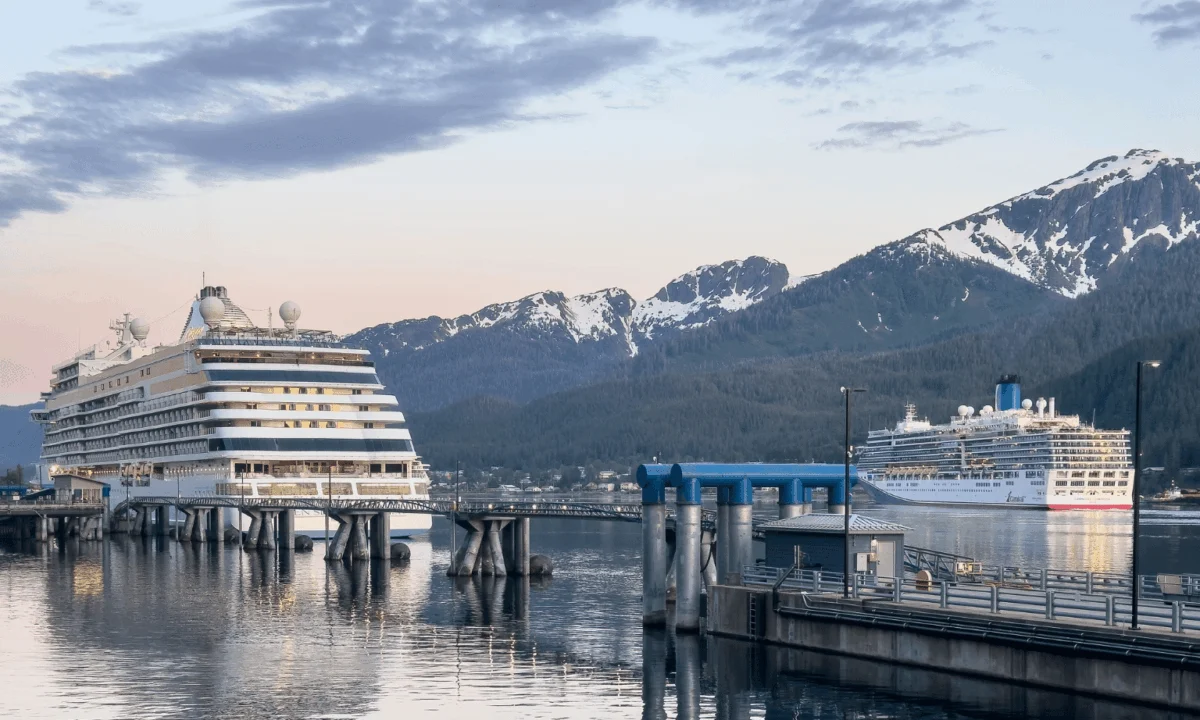
Juneau, Alaska – The bustling port city of Juneau, a perennial jewel in Alaska’s Inside Passage, has embarked on its latest cruise season with a significantly altered operational landscape. Following a period of considerable negotiation and deliberation between the city and major cruise line operators, new passenger capacity limits have been implemented, ushering in an era of what city officials hope will be more sustainable and predictable tourism. The season officially commenced on April 27, 2026, with the arrival of Holland America Line’s MS Eurodam, marking the first test of these ambitious new regulations designed to balance economic benefits with the quality of life for residents and the preservation of the region’s pristine environment.
A New Era of Controlled Capacity
The cornerstone of Juneau’s revised cruise tourism strategy is the introduction of daily passenger caps. Under the new framework, the city will now limit cruise ship arrivals to a maximum of 16,000 passengers on any given day. This threshold is further tightened on Saturdays, with a cap of 12,000 passengers. This represents a notable reduction from previous peak days, which, according to city data, sometimes saw upwards of 20,000 visitors disembarking. For context, Juneau’s permanent population hovers around 30,000 residents, highlighting the significant influx of temporary visitors during the peak tourism months.
Complementing these passenger limits, a long-standing regulation restricting the number of ships to five per day, which has been in effect since 2024, remains in place. This dual approach aims to manage both the volume of people and the sheer physical presence of vessels within the harbor.
The Rationale Behind the Caps: Addressing Overtourism Concerns
The implementation of these caps is a direct response to growing concerns about overtourism that have simmered for years. While the cruise industry is a vital economic engine for Juneau, the sheer volume of visitors on certain days had begun to strain local infrastructure, impact the daily lives of residents, and raise questions about the long-term environmental sustainability of such high-density visitation.
Alix Pierce, Juneau’s Visitor Industry Director, articulated the city’s objectives in a recent interview with local radio station KTOO. "So we have a daily passenger cap of 16,000 people, with 12,000 on Saturday," Pierce explained. "And that’s down from our maximum peak days – about 21,000 passengers – and those weren’t typical. They were a couple of times a year, but that 16,000 number facilitates five ships, with kind of one to two larger ships, and requires an even distribution of people throughout the port."
The goal, Pierce emphasized, is to move away from the unpredictable spikes in visitor numbers. "Honestly, I hope people don’t really feel it, that it just kind of feels normal and steady," she stated. "We are not going to see the crazy, crazy, busy Tuesdays in the same way that we used to on those 20,000-passenger days. But other than that, really the hope is predictability, stability, trying to create a sense of, kind of normalcy with the level of tourism that we have."
Operational Adjustments and Economic Projections
Despite the introduction of daily caps, the overall number of cruise passengers visiting Juneau is not expected to decrease significantly. Instead, cruise lines have been compelled to implement strategic scheduling adjustments to adhere to the new daily limits. This logistical recalibration is designed to ensure a more even distribution of visitors throughout the port and across the season.
Projections for the 2026 season indicate a substantial influx of tourism, with an estimated 1.7 million visitors expected to pass through Juneau between now and the end of the season in October. This figure underscores the continued economic importance of the cruise industry, even with the new capacity controls. The adjusted schedules mean that while the peak daily numbers are managed, the total volume of visitors over the entire season remains robust, suggesting that the cruise lines have found ways to optimize their itineraries to meet both regulatory requirements and passenger demand.
A Shift Towards Predictability for Stakeholders
The new system is designed to benefit not only the city and its residents but also the local tourism operators and businesses. "The goal is that we’re able to kind of adjust to operating under those parameters," Pierce noted. "And the tour operators have a sense of predictability. The city has a sense of predictability. We kind of have a steady volume that we can work towards improving our ability to manage that volume."
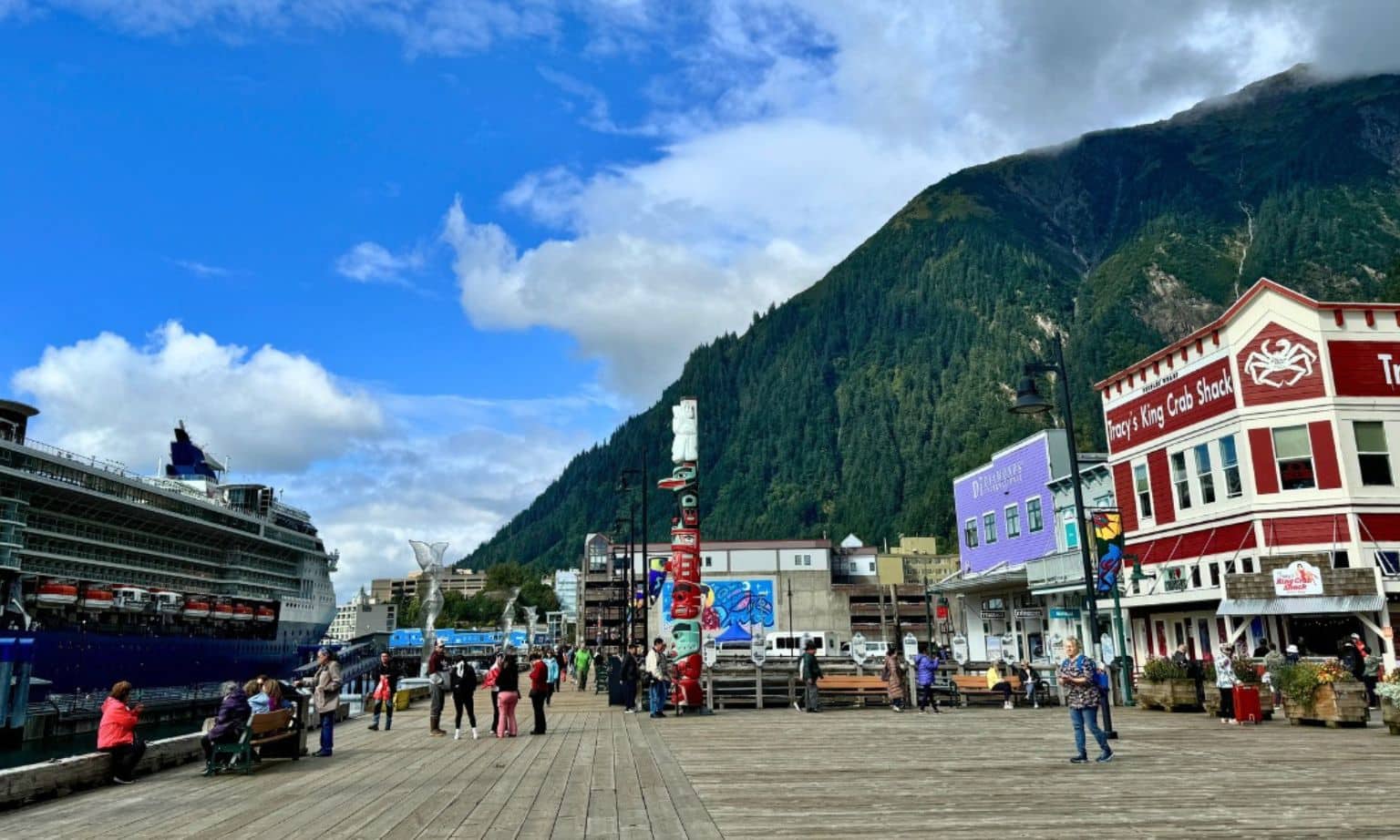
This predictability is crucial for businesses that rely on the steady flow of cruise passengers for their livelihoods. By avoiding extreme peaks and troughs, local operators can better manage staffing, inventory, and service delivery, leading to a more consistent and potentially higher-quality visitor experience. For the city, predictable volumes allow for more effective planning and allocation of resources for infrastructure maintenance, public services, and visitor management initiatives.
Regional Ripples: Shifting Dynamics in Southeast Alaska
While Juneau has implemented its stringent new caps, Pierce pointed out that the impact of these changes is not confined to the city itself. In fact, the ripple effects are being felt across the broader Southeast Alaska region, with some neighboring communities experiencing increased visitor traffic as cruise lines reconfigure their itineraries.
"I think the kind of big surprise shift that doesn’t necessarily affect Juneau, because we have limits and caps, is that the rest of the region is kind of filling up and getting busier," Pierce commented. She specifically highlighted Ketchikan, another popular cruise destination, noting its growing visitor numbers. "Ketchikan is almost as busy as Juneau this year. There were some rumors early on that they were actually going to have more people than Juneau, but they have slightly less than we do, which is still a real first. So, a bit of a shift for Southeast Alaska, but Juneau is kind of staying the same, which is our goal."
This regional shift suggests a redistribution of cruise traffic within Southeast Alaska. As Juneau tightens its capacity, other ports that have not implemented similar restrictions may be experiencing a proportional increase in cruise ship arrivals and passenger numbers. This dynamic could lead to new challenges and opportunities for these communities, potentially requiring them to consider their own long-term tourism management strategies.
Historical Context: A Long Road to Harmony
The current agreement represents a significant development in the ongoing dialogue between Juneau and the cruise industry. For years, the city has grappled with the complexities of managing large-scale cruise tourism. Debates have frequently centered on issues such as port infrastructure, environmental impact, the economic benefits versus the costs borne by the local community, and the sheer scale of visitor numbers.
Previous seasons often saw intense discussions about the economic advantages of cruise tourism, which brings significant revenue through passenger spending and port fees, juxtaposed with the strain on local resources and the perceived degradation of the visitor experience due to overcrowding. The implementation of the five-ship-per-day limit in 2024 was a precursor to the more granular passenger caps introduced this season. This gradual approach suggests a collaborative effort to find a sustainable balance, rather than an abrupt imposition of new rules.
The fact that cruise lines have adjusted their schedules to comply with the new caps indicates a level of cooperation and recognition of Juneau’s priorities. This implies that the cruise industry, while commercially driven, is also responsive to the needs and concerns of popular destinations, especially when those concerns are communicated through clear policy and regulatory frameworks. The successful docking of the MS Eurodam on April 27th signifies not just the start of a new season, but the beginning of a new operational paradigm for Juneau’s vital tourism sector.
Looking Ahead: The Impact of Predictability and Regional Balance
The success of Juneau’s new passenger caps will be closely watched by other tourism-dependent destinations facing similar challenges. If the city can indeed achieve its stated goals of predictability and stability without stifling economic growth, its model could serve as a blueprint for other Alaskan communities and potentially for destinations worldwide grappling with the pressures of mass tourism.
The strategy aims to ensure that Juneau remains an attractive and manageable destination for both visitors and its residents. By implementing these carefully calibrated limits, the city is asserting its commitment to a more sustainable form of tourism, one that prioritizes long-term well-being and environmental stewardship alongside economic prosperity. The coming months will reveal the true impact of this new approach, offering insights into how a balance can be struck in the delicate ecosystem of cruise tourism in one of Alaska’s most cherished locales.




 Anjar Salim
 Tatiana Tantri Indah Sari
 Budi Mulyono
