
 Walid Sujud Trenggono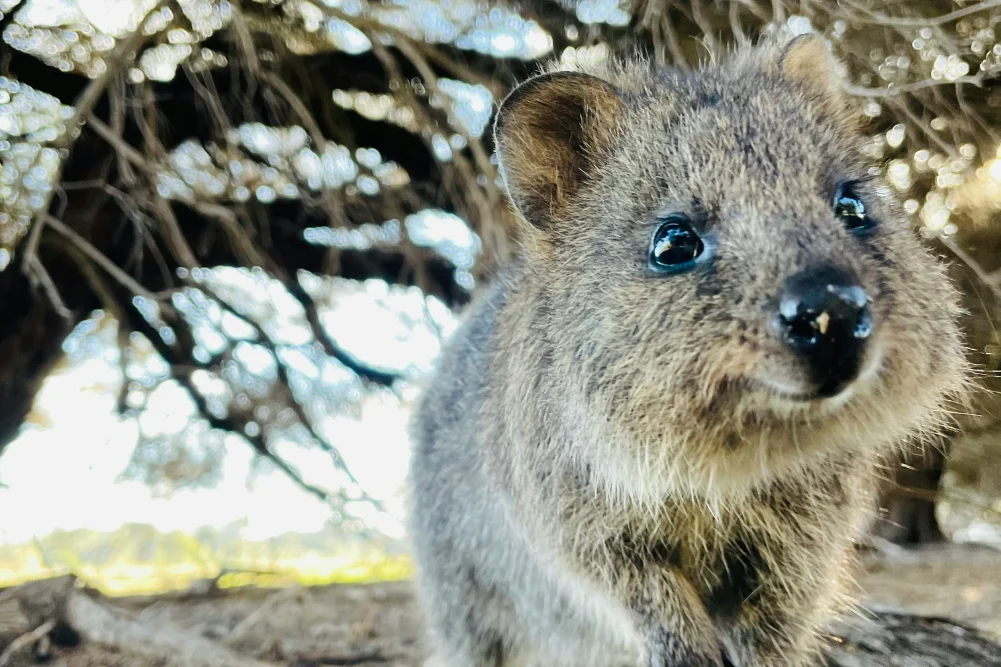
Western Australia’s tourism landscape is anchored by two distinct yet inextricably linked locations: the island sanctuary of Rottnest, known traditionally as Wadjemup, and the historic port city of Fremantle, or Walyalup. While the region is globally recognized for its turquoise waters and the viral popularity of the quokka, a small marsupial native to the area, it also serves as a critical site for ecological conservation and a somber reminder of Australia’s colonial history. As visitor numbers continue to rise, authorities and conservationists are faced with the dual challenge of preserving a fragile ecosystem while acknowledging a dark past of Indigenous incarceration.
Located approximately 18 kilometers off the coast of Perth, Rottnest Island covers an area of 19 square kilometers. Despite its modest size—11 kilometers long and 4.5 kilometers at its widest point—the island attracts over 700,000 visitors annually. Access is primarily facilitated via high-speed ferries from Fremantle, Hillarys Boat Harbour, and Perth City. Once on the island, the absence of private motor vehicles creates a unique environment where cycling and walking are the primary modes of transport, a policy intended to mitigate the environmental footprint of the massive tourist influx.
The Ecological Significance of the Quokka (Setonix brachyurus)
The primary driver for international and domestic tourism on Rottnest is the quokka, a cat-sized herbivorous marsupial. Often described as the "world’s happiest animal" due to its facial structure, the quokka is a member of the macropod family. While the species was once widespread across the southwest of Western Australia, habitat loss and the introduction of predatory species like foxes and cats have decimated mainland populations.
Today, Rottnest Island serves as the primary stronghold for the species, hosting approximately 10,000 to 12,000 individuals—representing nearly two-thirds of the global population. The International Union for Conservation of Nature (IUCN) currently lists the quokka as "Vulnerable." Ecological data suggests that the population has faced significant fluctuations; in the last two decades, numbers have been challenged by increasing bouts of drought and rising temperatures, which diminish the island’s limited freshwater sources and succulent vegetation.
The "quokka selfie" phenomenon, catalyzed by high-profile visits from celebrities such as tennis champion Roger Federer and various Hollywood actors, has had a profound impact on the island’s visibility. Statistics from Tourism Western Australia indicated that the Federer campaign reached an estimated one in seven internet users globally, leading to a measurable surge in visitor bookings. However, this popularity brings logistical pressures. The Rottnest Island Authority (RIA) mandates strict guidelines against feeding or touching the animals, as human interaction can lead to "habituation" and nutritional deficiencies, potentially destabilizing the wild population.
A Chronology of Wadjemup: From Ceremony to Incarceration
The geological and cultural history of Rottnest Island predates its current status as a holiday destination by millennia. Approximately 7,000 years ago, rising sea levels separated the island from the mainland. For the Whadjuk Noongar people, the traditional owners, the island is known as Wadjemup, meaning "place across the water where the spirits are." It was historically a place of meeting and ceremony, accessible by foot before the post-glacial sea-level rise.
The European record of the island began in 1696 when Dutch explorer Willem de Vlamingh landed on its shores. Mistaking the abundant quokkas for large rats, he named the land "Rotte Nest" (Rat’s Nest). For the next century and a half, the island remained largely isolated from European interests until the establishment of the Swan River Colony.
The most harrowing chapter of the island’s history began in 1838. For nearly a century, until 1931, Rottnest was utilized as a penal colony for Aboriginal men and boys. Historical records indicate that more than 4,000 Indigenous people from across Western Australia were exiled to the island. These prisoners were often leaders, elders, and warriors who had resisted colonial expansion on the mainland.
The conditions of their incarceration were notoriously brutal. Prisoners were subjected to forced labor, contributing to the construction of much of the island’s current infrastructure, including the Wadjemup Lighthouse, the seawall, and the "Quod"—a circular prison building that, until recently, was used as tourist accommodation. The lack of sanitation and the prevalence of disease led to a high mortality rate; at least 373 unmarked graves have been identified on the island, making it the largest site of Aboriginal deaths in custody in Australia.
Fremantle: The Gateway and the "Place of the Woylie"
The journey to Rottnest almost invariably begins in Fremantle (Walyalup). As the primary port for the Perth metropolitan area, Fremantle possesses a distinct architectural and cultural identity. The name Walyalup translates to "Place of the Woylie," referring to the brush-tailed bettong, another small marsupial that was once common in the region but is now critically endangered and restricted to small pockets of the mainland and offshore islands.
Fremantle’s history is a mirror to that of Rottnest. The city’s limestone streetscapes, dating back to the 19th century, were largely built by convict labor. The Fremantle Prison, a UNESCO World Heritage site, operated for 136 years before closing in 1991. Today, the city has transitioned from a rugged port into a cultural hub, characterized by its maritime museums, art galleries, and gastronomic industry.
The WA Shipwreck Museum in Fremantle serves as a vital repository for maritime history, housing the remains of the Batavia, a Dutch East India Company ship wrecked in 1629. This museum, along with the Round House—Western Australia’s oldest public building—provides context for the maritime hazards and colonial ambitions that shaped the coastline.
Economic and Environmental Implications of Modern Tourism
The economic impact of tourism on the Rottnest-Fremantle corridor is substantial. Revenue generated from island admission fees (tourist levies) is directly funneled into conservation programs and the maintenance of the island’s aging infrastructure. In recent years, the RIA has shifted its focus toward "sustainable tourism," investing in renewable energy sources. Currently, a combination of wind turbines and solar farms provides approximately 45% of the island’s power, with plans to increase this capacity to reduce reliance on diesel generators.
However, the environmental cost of high-density tourism remains a concern. The island’s terrestrial and marine ecosystems are sensitive. The surrounding waters are part of a protected marine park, home to the northernmost coral reefs in Western Australia, sustained by the warm Leeuwin Current. This allows for a unique overlap of tropical and temperate marine life. To protect these habitats, mooring regulations are strictly enforced for the hundreds of private vessels that anchor in bays like Porpoise Bay and Salmon Bay.
The Path Toward Reconciliation
In recent years, there has been a significant shift in how the history of Wadjemup is presented to the public. The "Wadjemup Project" is a state-led initiative aimed at acknowledging the island’s history as a place of incarceration and dispossession. This involves formalizing the burial grounds and repurposing the "Quod" into a site of commemoration rather than commerce.
A spokesperson for the Rottnest Island Authority noted that "truth-telling" is now a central pillar of the island’s management strategy. This includes the installation of interpretive signage that provides visitors with a more comprehensive understanding of the Indigenous experience on the island, moving beyond the "holiday isle" narrative that dominated the 20th century.
Practical Information and Logistics
For travelers planning a visit to the region, logistics vary significantly based on the season. The peak summer months (December to February) see the highest visitor numbers and accommodation prices.
- Transportation: Ferry services are the primary mode of access. As of 2024, return fares from Fremantle average between $84 and $90, while departures from Perth City can cost up to $124.
- Accommodations: Options on Rottnest range from budget-friendly campsites (starting at approximately $43 per night) to luxury eco-tents and hotel suites at Samphire Rottnest, where rates can exceed $1,000 per night during peak periods. In Fremantle, the repurposing of historical buildings, such as the Fremantle Prison YHA and the Hougoumont Hotel (constructed from shipping containers), offers a range of stays reflecting the city’s heritage.
- Sustainability Measures: Visitors are encouraged to bring refillable water bottles to utilize the island’s desalination-fed water stations and to use "reef-friendly" sunscreen to protect the coral systems.
Conclusion
Rottnest Island and Fremantle represent a microcosm of the broader Australian experience—a blend of stunning natural beauty, unique biodiversity, and a complex, often painful, colonial history. While the quokka remains the face of the region’s tourism industry, the ongoing efforts in conservation and historical reconciliation suggest a move toward a more mature and reflective form of travel. As visitors cycle through the limestone trails or snorkel in the Leeuwin Current, they are increasingly invited to observe not just the picturesque landscape, but the deep layers of history that define this segment of the West Australian coast.



 Anjar Salim
 Chandra Hamzah
 Tatiana Tantri Indah Sari
 Budi Mulyono
 Lukman Taruna Persada Ramadan
