
 Walid Sujud Trenggono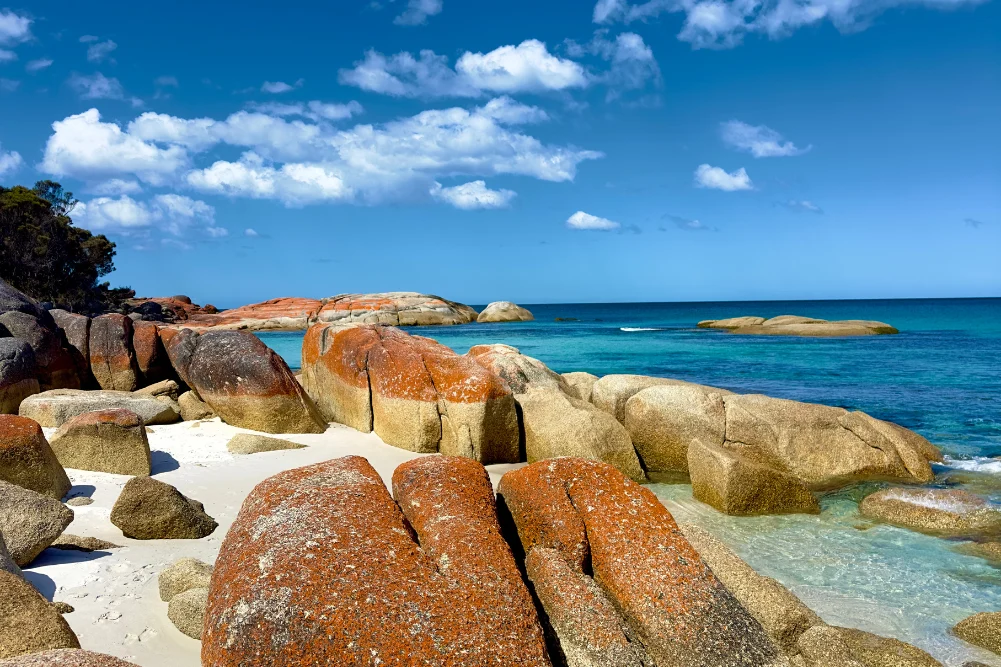
The Bay of Fires, situated on the northeastern coast of Tasmania, has long been regarded as one of the most visually arresting landscapes in the Southern Hemisphere. Recently designated as a premier destination for 2025, this coastal stretch—known as Larapuna to the traditional Palawa owners—serves as a primary case study for the burgeoning "soft adventure" tourism sector. This market segment targets travelers who seek immersive, high-intensity outdoor experiences during the day while requiring the amenities of modern hospitality, such as climate-controlled environments and gourmet catering, by night. A recent three-day guided expedition facilitated by Intrepid Travel highlights the logistical, environmental, and cultural complexities of managing such treks in a region defined by its volatile weather and pristine biodiversity.
The Geographical and Historical Context of the Bay of Fires
The Bay of Fires extends roughly 50 kilometers from Binalong Bay in the south to Eddystone Point in the north. Its name is often misinterpreted by modern visitors as a reference to the vibrant orange lichen that coats the granite boulders lining the shore. However, the nomenclature is rooted in maritime history. In 1773, Captain Tobias Furneaux of the HMS Adventure observed numerous fires along the coast, which were the campfires of the Aboriginal Palawa people. This historical intersection underscores the region’s long-standing human connection, which predates European arrival by millennia.
Geologically, the area is dominated by Devonian granite. The iconic orange hue is produced by Caloplaca marina, a species of lichen that thrives in the sea-spray zone. This biological phenomenon, contrasted against the high-quartz-content white sands and the turquoise waters of the Tasman Sea, creates a high-contrast aesthetic that has become a staple of Tasmanian tourism branding.
Strategic Itinerary: A Three-Day Chronological Overview
The logistics of a guided trek in this region require meticulous planning to account for Tasmania’s "four seasons in one day" weather patterns. The standard professional itinerary typically originates in Launceston, Tasmania’s second-largest city, before transitioning to a base camp in St Helens.
Day One: Acclimatization and the Humbug Point Conservation Area
The expedition commences with a transfer to St Helens, the administrative and economic hub of the northeast. The initial phase of the trek involves the Skeleton Bay Track leading toward Dora Point within the Humbug Point Conservation Area. This 400-hectare reserve serves as a critical buffer zone for local flora and fauna.
During this stage, hikers often encounter "sneaky rain"—a local colloquialism for high-humidity precipitation that penetrates standard waterproof gear. Despite the moisture, the ecological diversity of the coastal heath, characterized by flowering paperbarks, banksia, and tea trees, provides a dense canopy for the trail. This section of the hike introduces participants to the region’s inclines, serving as a physical baseline for the more demanding segments to follow.
Day Two: The Northern Stretch and Eddystone Point
The second day represents the technical core of the experience, focusing on the northern section of the Bay of Fires. The journey begins at the Eddystone Point Lighthouse, a 35-meter-high structure built in 1889 from local pink granite. This site is of immense maritime significance, as the point was historically a site of numerous shipwrecks due to its treacherous offshore reefs.
The 12-kilometer segment involves a 6-kilometer beach walk along Eddystone Beach, where hikers are exposed to high-velocity winds, often exceeding 60 kilometers per hour. The terrain here is challenging; "shell coves" consist of deep deposits of cockle and clam shells that create unstable footing. The return leg typically utilizes inland fire trails, transitioning from the maritime environment to a dry sclerophyll forest, where the olfactory presence of wildflowers provides a stark contrast to the salt-heavy coastal air.
Day Three: Mount William National Park and the Return to Launceston
The final day focuses on Mount William National Park, established in 1973 to protect the habitat of the Forester kangaroo and other endemic species. The park is a stronghold for the Tasmanian wombat (Vombatus ursinus tasmaniensis). With a population estimated at nearly one million across the island, these marsupials are a primary draw for ecotourism, although their nocturnal nature often limits sightings to their distinctive cubic scat and paw prints in the sand.
The trek concludes with a 6-kilometer loop at Stumpy’s Bay, followed by a transition back through the hinterland. This return journey includes stops at significant sites such as Little Blue Lake and the town of Derby, providing a broader context of Tasmania’s industrial and environmental evolution.
Demographic Trends in Adventure Tourism
The profile of participants in the Bay of Fires trek reflects a broader shift in global tourism demographics. Modern guided walks are no longer the exclusive domain of elite athletes or young backpackers. Recent data from Tourism Tasmania indicates an increasing participation rate among "active seniors" and professionals seeking "digital detox" experiences.
For instance, the inclusion of individuals such as 75-year-old seasoned trampers and professionals like police officers and paramedics—training for more rigorous international tracks like Kokoda—demonstrates the versatility of the Tasmanian terrain. The "soft adventure" model allows these diverse groups to coexist, as the removal of heavy packs and the provision of professional guides mitigate the physical barriers to entry.
Regional Economic Impact: From Mining to Tourism
The transition of the northeast region from an extractive economy to a service-based tourism economy is exemplified by the towns of St Helens and Derby.
- St Helens: Once primarily a timber and fishing port, St Helens has reinvented itself as a premium gateway for hikers and mountain bikers. The local culinary industry, particularly the Lease 65 oyster farm, contributes significantly to the regional GDP. The integration of local produce into the trekking experience—such as Southern Rock Lobster and Pacific Oysters—creates a localized value chain that benefits regional suppliers.
- Derby: Historically one of the world’s richest tin-mining centers, Derby faced economic stagnation following the closure of the mines and the devastating 1929 Briseis Dam burst. However, the recent development of the "Blue Derby" mountain biking trails has transformed the town into a global adventure hub. This "sweet finish" to the Bay of Fires tour highlights how recreational infrastructure can revitalize rural communities.
Environmental and Ecological Observations
The Bay of Fires ecosystem is a delicate balance of coastal heathland and marine environment. The region is home to a variety of avian species, including the Splendid Fairy-wren, Green Rosella, and the Pacific Gull. The latter, often described as a "feathered stealth bomber," is a key indicator of the health of the coastal ecosystem.
One of the most striking environmental features encountered is the Little Blue Lake. While aesthetically pleasing due to its vivid turquoise color, the lake is a remnant of the Endurance tin mine. The coloration is the result of mineral suspension—specifically white clay—left over from mining operations. This site serves as a visual reminder of the region’s industrial past and the long-term environmental footprint of resource extraction.
Culinary Integration and Hospitality Standards
A critical component of the modern guided trek is the "Great Indoors" experience. Professional tours now emphasize high-quality catering as a primary differentiator. In the Bay of Fires circuit, the Panorama Hotel in St Helens serves as a central hub, offering views of Georges Bay.
The culinary offerings are designed to be "photogenic" and nutritionally dense, catering to the caloric needs of hikers. Signature items, such as the Lifebuoy Café’s veggie wrap—featuring chickpea and lentil patties with halloumi and house-made pickled onions—have gained a cult-like status among repeat visitors. This focus on "chef-cooked meals" and "soft beds" addresses the demands of the "soft adventure" market, ensuring that the physical exertion of the day is balanced by evening recovery.
Implications for Future Tourism Development
The success of the Bay of Fires guided trek suggests several implications for the future of Australian tourism:
- Sustainability: As visitor numbers increase, the management of trail erosion and waste in sensitive areas like Mount William National Park will require increased investment in infrastructure.
- Accessibility: The "pack-free" model is likely to expand, allowing a wider range of age groups and physical abilities to access remote wilderness areas.
- Climate Adaptation: Tourism operators must increasingly account for volatile weather patterns, emphasizing the need for high-quality gear and flexible itineraries.
- Cultural Recognition: There is a growing movement to further integrate Palawa history and land management practices into the tourism narrative, moving beyond colonial history to a more holistic understanding of the landscape.
In conclusion, the Bay of Fires trek is more than a scenic walk; it is a sophisticated tourism product that balances environmental conservation with regional economic development. By providing a structured yet adventurous experience, Tasmania continues to solidify its reputation as a global leader in nature-based travel, proving that the wilderness is most accessible when it is paired with professional expertise and local hospitality.




 Anjar Salim
 Chandra Hamzah
 Tatiana Tantri Indah Sari
 Budi Mulyono
 Lukman Taruna Persada Ramadan
