
 Lukman Taruna Persada Ramadan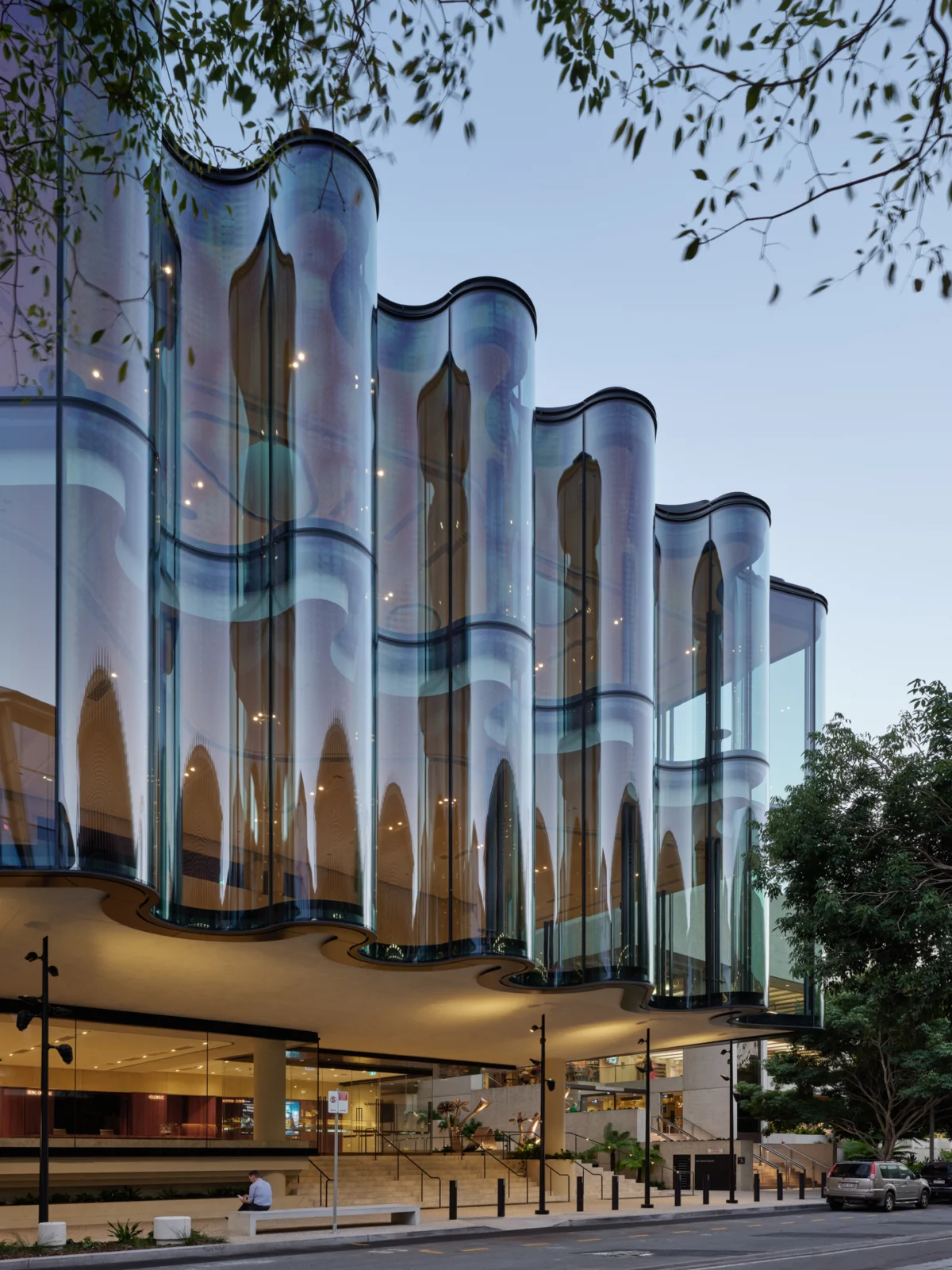
Brisbane, Australia – The Queensland Performing Arts Centre (QPAC), a cornerstone of Australia’s cultural infrastructure since its establishment in 1985, has marked a pivotal moment in its illustrious history with the official opening of the stunning Glasshouse Theatre this past March. This new 1,500-seat venue not only solidifies QPAC’s position as the largest performing arts venue under one roof in Australia but also establishes it as the nation’s sole complex capable of hosting world-class ballet, dance, symphony, opera, theatre, and musicals within the same precinct. This expansion is set to profoundly reshape Queensland’s cultural landscape, attracting an even greater influx of international artists, productions, and visitors.
A Legacy of Cultural Excellence and Growth
For nearly four decades, QPAC has been a vibrant hub for the arts, welcoming over 30 million visitors to its diverse array of indoor and outdoor performances, free events, and workshops. With more than 33,500 performances staged across its original four venues – the Lyric Theatre, Concert Hall, Playhouse, and Cremorne Theatre – QPAC has consistently showcased some of the world’s most significant artists and major presentations. Its enduring commitment to artistic excellence and community engagement has cemented its reputation as a vital cultural institution, enriching the lives of millions and fostering a deep appreciation for the performing arts across Queensland and beyond.
The Centre’s journey began with a vision to create a world-class performing arts precinct in Brisbane, reflecting the growing cultural aspirations of the state. Over the years, QPAC has evolved, adapting to changing artistic demands and audience expectations. However, with increasing population growth in Queensland and a rising demand for larger, more versatile spaces to accommodate grander productions and major international tours, the need for further expansion became apparent. The existing venues, while celebrated, faced limitations in scale and technical capabilities for certain contemporary and large-scale productions. This strategic imperative laid the groundwork for the most ambitious addition to QPAC’s campus to date: the Glasshouse Theatre.

A Vision Realized: The Glasshouse Theatre Project Timeline
The genesis of the Glasshouse Theatre dates back several years, driven by a clear understanding of Queensland’s artistic future and its role on the global stage. The project gained significant momentum in May 2019, when an international design competition was launched to find a visionary architectural solution for the new theatre. The winning proposal came from a collaborative partnership between Brisbane-based Blight Rayner Architecture and Oslo’s renowned Snøhetta Architects, a firm celebrated globally for its innovative and contextually sensitive designs, including the Oslo Opera House and the Bibliotheca Alexandrina.
Following the design selection, an intensive period of planning and development ensued. Construction commenced with a focus on integrating cutting-edge technology, sustainable practices, and a deep respect for local Indigenous culture. The project navigated the complexities of building a major cultural facility in a bustling urban environment, adhering to stringent architectural and acoustic requirements. The journey culminated in the official opening in March of this year, a moment eagerly anticipated by the arts community and the public alike, marking a significant investment in Queensland’s cultural future and solidifying Brisbane’s position as a major cultural capital. The project represents a strategic effort to enhance Brisbane’s appeal ahead of major international events, demonstrating a commitment to world-class infrastructure.
Architectural Marvel: Design Rooted in Indigenous Inspiration
Located in South Bank, Brisbane’s vibrant cultural and leisure district, the Glasshouse Theatre is an architectural marvel instantly recognizable by its strikingly rippling glass walls. This undulating façade is more than just a visual spectacle; it is a profound artistic statement, inspired by a prose-poem written by Aboriginal Elder and artist Lilla Watson. Her words evoke the gentle ripples of the Brisbane River and the unseen life swimming beneath its surface, connecting the modern structure to the ancient land and waterways it inhabits. This design philosophy transforms the building into a dynamic canvas, where the external environment interacts with the internal spaces, creating a living, breathing structure.

The designers articulated their vision, stating, “We decided to make the transparent façade a setting for a public theatre where people in the foyers would be seen variously clear and blurred from the street, and we wanted to embed the beginnings of First Nations narratives related to the context into the design.” This philosophy creates a captivating interplay between public and performance spaces, inviting passersby to glimpse the vibrant activity within and transforming the theatre’s foyers into an extension of the urban streetscape. This deliberate transparency fosters a sense of accessibility and community engagement, breaking down traditional barriers between art and everyday life.
Further integrating First Nations narratives, the Glasshouse Theatre incorporates seven skylights in its roof, symbolizing the seven major watersheds of Queensland – a powerful acknowledgment of the state’s diverse geography and ecological heritage. This symbolic gesture is complemented by Floriate, a captivating sculpture by acclaimed Torres Strait Islander artist Brian Robinson. Floriate features seven emblematic flowering plants that flourish across Queensland, representing the rich biodiversity of the land and its deep cultural significance. These artistic and architectural elements collectively serve as a continuous narrative, enriching the visitor experience with layers of meaning and connecting the contemporary performing arts with millennia of Indigenous heritage.
The interior design of the Glasshouse Theatre provides a dramatic contrast to its luminous exterior. The lightness and airiness of the foyers, bathed in natural light filtering through the glass façade, transition into an auditorium conceived as an intimate, protective cocoon. Dark grey ironbark walls, sourced responsibly, create a sense of warmth and groundedness, while the rainforest green carpet subtly echoes Queensland’s lush natural environment. This deliberate contrast enhances the theatrical experience, preparing patrons for the immersive world awaiting them within the performance space. The design ensures that every element, from the grand facade to the subtle interior finishes, tells a story and contributes to a cohesive, culturally rich experience.
Unprecedented Versatility and Technical Prowess
With a capacity of 1,500 seats, the Glasshouse Theatre offers a unique balance of grand scale and intimate atmosphere. The auditorium is cleverly designed with two levels: 1,000 seats in the stalls and 500 at the balcony level. A key design feature is the remarkable proximity of the furthest seat to the stage, a mere 90 feet – just nine feet longer than a half-Olympic pool. This intentional design, coupled with wrap-around balconies, ensures an intimate connection between performers and patrons, regardless of their seating location, fostering a shared, immersive experience that is often lost in larger venues.

Beyond its seating capacity and intimate design, the Glasshouse Theatre boasts unprecedented technical capabilities that set a new benchmark for performing arts venues in Australia. It is equipped with 100 fully automated fly bars in its fly tower. These advanced fly systems are critical for rapid and safe scene changes, allowing for complex staging and seamless transitions between acts, a crucial feature for accommodating a diverse range of productions from grand opera to intricate ballet and elaborate musicals. The automation reduces manual effort, enhances safety, and significantly expands the creative possibilities for directors and designers.
Furthermore, the theatre integrates an in-house digital broadcast suite, a cutting-edge facility that enables live performances to be broadcast to towns and cities across Australia. This suite supports livestream production in 4K HDR with Dolby Atmos sound quality, positioning QPAC at the forefront of digital accessibility for the arts. This capability not only extends the reach of QPAC’s programming to remote communities but also opens new avenues for global partnerships and content distribution, democratizing access to world-class performances and solidifying Queensland’s commitment to cultural engagement beyond its urban centres. This technical sophistication ensures that the Glasshouse Theatre is not just a venue for today but a platform for the future of performing arts.
Elevating Queensland’s Global Standing
The opening of the Glasshouse Theatre has been met with widespread enthusiasm and recognition for its potential to transform Queensland’s cultural and economic landscape. John-Paul Langbroek, Minister for the Arts, aptly summarized its impact: “From its stunning architecture and enhanced technical capabilities to its breathtaking façade, Glasshouse Theatre is a game-changer that will put Queensland on the map as a major drawcard for tourists, performers and productions.” This sentiment underscores the strategic importance of the new venue in bolstering Queensland’s international profile.
The implications of this expansion extend far beyond the immediate artistic community. Economically, the Glasshouse Theatre is poised to be a significant driver of cultural tourism. By attracting larger and more prestigious international productions, it will draw visitors from across Australia and overseas, leading to increased spending in Brisbane’s hospitality, retail, and transport sectors. This influx of activity will support local businesses and contribute to job creation, both directly within the arts sector and indirectly across the broader economy. It also provides a world-class platform for local Queensland artists and companies to perform alongside international talent, fostering growth and development within the state’s vibrant arts ecosystem.

QPAC’s leadership views the Glasshouse Theatre as a testament to Queensland’s enduring commitment to the arts and its people. The Centre’s CEO, for instance, would likely emphasize the expanded opportunities for diverse programming, the ability to nurture local talent, and the enhanced cultural experiences for all Queenslanders. The Board Chair would probably highlight the strategic vision behind the project, its financial sustainability, and its role in securing QPAC’s future as a leading cultural institution. The Glasshouse Theatre is not merely an additional venue; it is a declaration of Queensland’s ambition to be a global cultural destination, a place where creativity thrives, and where world-class performances are accessible to all.
The Future of Performing Arts in Australia
The Glasshouse Theatre marks a new era for QPAC and the performing arts in Australia. By combining architectural innovation, cutting-edge technology, and a deep respect for cultural heritage, it sets a new standard for multi-disciplinary venues. Its unparalleled versatility positions QPAC as a magnet for major international companies, offering them the ideal stage for complex productions that demand the highest technical specifications. This also provides an incredible opportunity for Australian artists and companies to push creative boundaries, knowing they have a state-of-the-art facility to bring their visions to life.
In a broader context, the Glasshouse Theatre contributes significantly to Australia’s cultural infrastructure, complementing other iconic venues such as the Sydney Opera House and Arts Centre Melbourne. However, QPAC’s unique combination of being the largest under one roof and offering the most comprehensive multi-genre capability within a single complex distinguishes it. This ensures that Queensland is not just participating in the national cultural dialogue but leading in specific aspects of venue capability and programming diversity. The integration of Indigenous narratives into its very fabric also sets a powerful precedent, reinforcing the importance of First Nations culture in contemporary Australian identity and artistic expression.
Ultimately, the Glasshouse Theatre is more than a building; it is a symbol of progress, cultural aspiration, and community connection. It promises to inspire new generations of artists and audiences, fostering a deeper appreciation for the performing arts and solidifying Queensland’s position as a vibrant, dynamic cultural hub on the world stage for decades to come. Its impact will resonate through the artistic community, the tourism sector, and the lives of countless individuals who will experience the magic within its rippling glass walls.


 Chandra Hamzah
 Gabriela Annisa
 Tatiana Tantri Indah Sari
 Hendra Ismail
 Walid Sujud Trenggono
 Budi Mulyono