
 Chandra Hamzah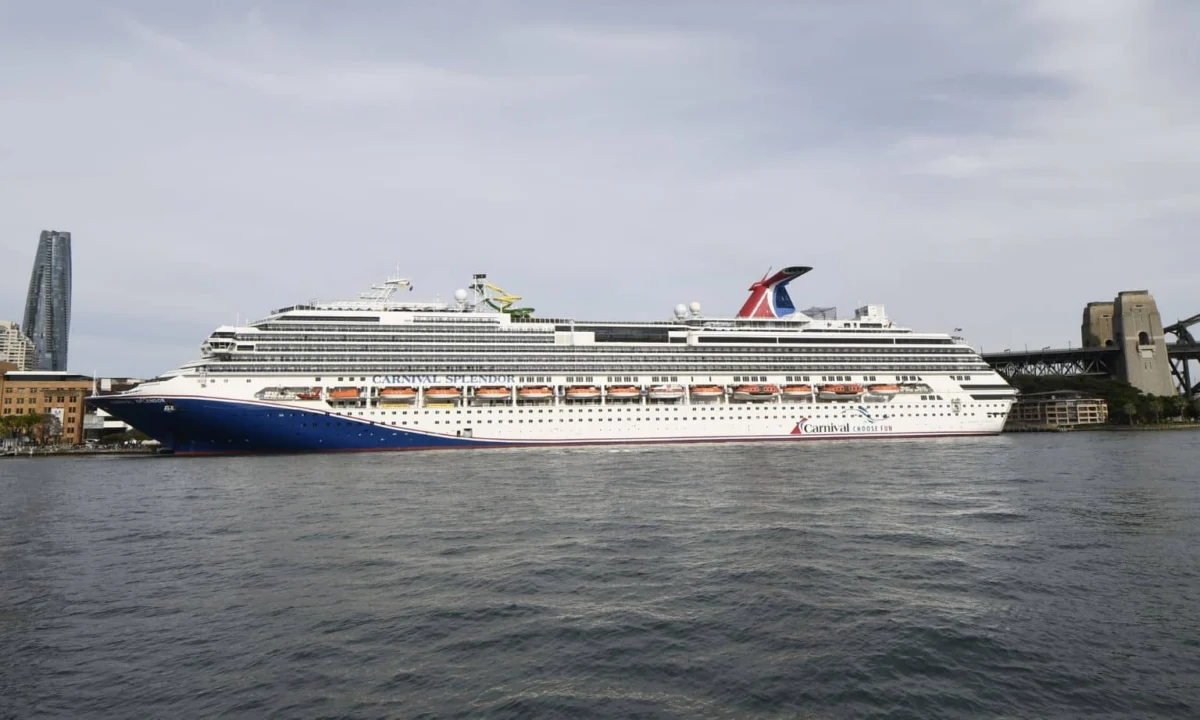
The unnamed woman, who was travelling with her equally 90-year-old husband, experienced acute stomach pain and was admitted to the ship’s medical bay for treatment and tests. Her son-in-law detailed the immense cost, stating that the "sick bay" fee alone amounted to $4,620 for just 44 hours. When combined with medical testing, medication, and an essential medical evacuation arranged by Australian services to transfer her from the ship, the total bill surged to over $12,600.
Compounding the financial distress, the elderly woman was reportedly pressured to sign a promissory note for the full cost of her treatment before she was permitted to disembark. Her husband, also 90, was allegedly made to sign this note, which included severe penalties for late payment, including a daily fee of $140 if not settled on time. The couple, who are pensioners, were not offered any partial refund for the remainder of their cruise that they were forced to abandon, nor any concessions on the medical fees to account for their situation. Furthermore, they were not offered payment plans, leaving them to face immediate financial hardship.
"Had they waited overnight and gone ashore, they could have accessed free medical care within Australia," the son-in-law explained, emphasizing the stark contrast in costs between onboard medical services and public healthcare. The couple, who are described as regular cruisers, are now facing financial strain that may deter them from future travel, a significant loss given their past enjoyment and likely future spending on cruising. The irony, he noted, is that they would have likely spent more than the cost of this medical bill over the coming years on holidays.
The core issue, according to the family, was not a lack of awareness regarding the necessity of travel insurance, but rather an underestimation of the exorbitant costs associated with onboard medical care. The son-in-law’s primary motivation in sharing their story is to serve as a stark warning to other travellers, particularly seniors, about the potential financial pitfalls of cruising without comprehensive insurance, even if they believe they understand the risks.
"I completely agree that if people can’t obtain or afford the insurance, then they should not travel," he stated, "which is the whole point of letting older people know that they might face this kind of bill if they don’t."
Carnival’s Stance and Industry Warnings
In response to the incident, Carnival Cruise Line issued a statement strongly urging all passengers to secure comprehensive travel insurance. A spokesperson for Carnival stated, "The health and wellbeing of our guests is our top priority, and our highly trained medical team is always on hand to offer care to guests who fall ill."
However, they were unequivocal on the financial responsibility of passengers. "Carnival strongly recommends all guests have travel insurance, as cruise ships are not covered by Medicare, even on domestic sailings. This requirement is clearly outlined in our website information and pre-cruise communications."
Carnival’s official website provides explicit warnings about the high cost of medical services onboard. It states, "Please note, International travel insurance is recommended on Australian coastal cruises, as your cruise is outside the scope of Australian Medicare." The cruise line further elaborates, "Hospitalisation costs on board or outside of the country and medical evacuation costs are very expensive and are not covered by Medicare or private health insurance. Daily hospital bills can cost as much as AUD 5,000 per day. All consultations, treatments and medications are charged at private rates." They also remind potential passengers that "uninsured travellers (or their families) are held personally liable for cancellation, medical and associated costs incurred at any time whether before the cruise, on board or overseas."

Navigating Travel Insurance for Seniors
The case raises significant questions about the accessibility and affordability of travel insurance for elderly individuals. While Carnival recommends Cover-More, which reportedly insures passengers up to 99 years old, the issue often lies with the premium costs, particularly for those with pre-existing medical conditions. The clear message emerging from this situation is that forgoing travel insurance due to cost can ultimately lead to far greater financial burdens.
Natalie Ball, COO for 1Cover Travel Insurance, echoed these sentiments, emphasizing that stories like this serve as a crucial reminder of the financial risks associated with travelling uninsured. "This case is a timely reminder that deciding to travel without insurance means accepting the risk of paying significant medical costs yourself," Ball commented. She highlighted that the high cost of medical treatment onboard is frequently underestimated, with Medicare and most private health insurance policies failing to cover onboard medical services, even on domestic voyages.
While some insurers impose age limits, Ball noted that policies like 1Cover’s Comprehensive plan have no age restrictions, potentially offering coverage for older Australians, subject to eligibility and policy terms. She explained that premiums for older travellers are statistically higher due to an increased likelihood of requiring medical assistance. However, she advises against assuming coverage is unavailable, encouraging travellers to compare policies diligently and select one that aligns with their travel plans, medical history, and needs. "While the cost of travel insurance can go up with age, there are still plenty of options available. We encourage travellers to compare policies and disclose any pre-existing medical conditions," Ball advised. She also pointed out that comprehensive travel insurance can cover not only onboard emergencies but also medical evacuation and overseas hospitalisation, costs that can easily escalate into tens of thousands of dollars, often far exceeding the price of the policy itself.
Broader Implications and Passenger Experiences
The current practice of cruise lines charging substantial fees for onboard medical services, while potentially debatable from an ethical standpoint, remains the industry norm. The rapid accumulation of costs for even minor medical interventions is a significant factor for all passengers to consider.
Social media reactions to the story revealed that many Australians have successfully obtained travel insurance for their elderly relatives. Roxanne Bagnell shared her experience in 2019 when her 92-year-old mother was hospitalised on a P&O cruise, incurring a $10,500 bill in the ship’s hospital. Her mother subsequently required a two-week stay in a Sydney hospital, and Bagnell incurred additional expenses for accommodation and meals. Crucially, their comprehensive travel insurance policy, which cost $1,250 and required detailed medical documentation of pre-existing conditions, covered the entire $12,500 claim, allowing her mother to enjoy her cruise.
Travel agent Melani McGregor clarified that domestic cruises are not covered by Medicare because ship doctors are not registered in Australia but rather in the ship’s country of registration. She affirmed that insurance policies for elderly individuals are available, though they may require consulting a broker and could be more expensive than standard policies, but not to the extent of $12,000.
Jennifer Von Blackensee recounted a similar experience where her 92-year-old mother, despite having an ankle issue on a Carnival cruise, was provided with a wheelchair. She emphasized that the elderly couple in the original story "also could have, and should have, done so," implying proactive use of onboard medical support systems if insurance was not secured.
Michele Anne, a travel agent herself, confirmed that she was able to purchase travel insurance for her mother, who is over 90, for a four-day cruise, costing around $500 for two people. She stated, "I am a travel agent and can confirm there are policies out there for our older Australian citizens."
These anecdotal accounts suggest that while securing travel insurance for seniors can require more effort and potentially higher costs, it is achievable and demonstrably offers vital financial protection against unforeseen medical emergencies at sea. The overarching message for all travellers, especially those in their later years, is to meticulously research and invest in appropriate travel insurance to avoid potentially devastating financial consequences.




 Anjar Salim
 Tatiana Tantri Indah Sari
 Budi Mulyono
 Lukman Taruna Persada Ramadan
