
 Chandra Hamzah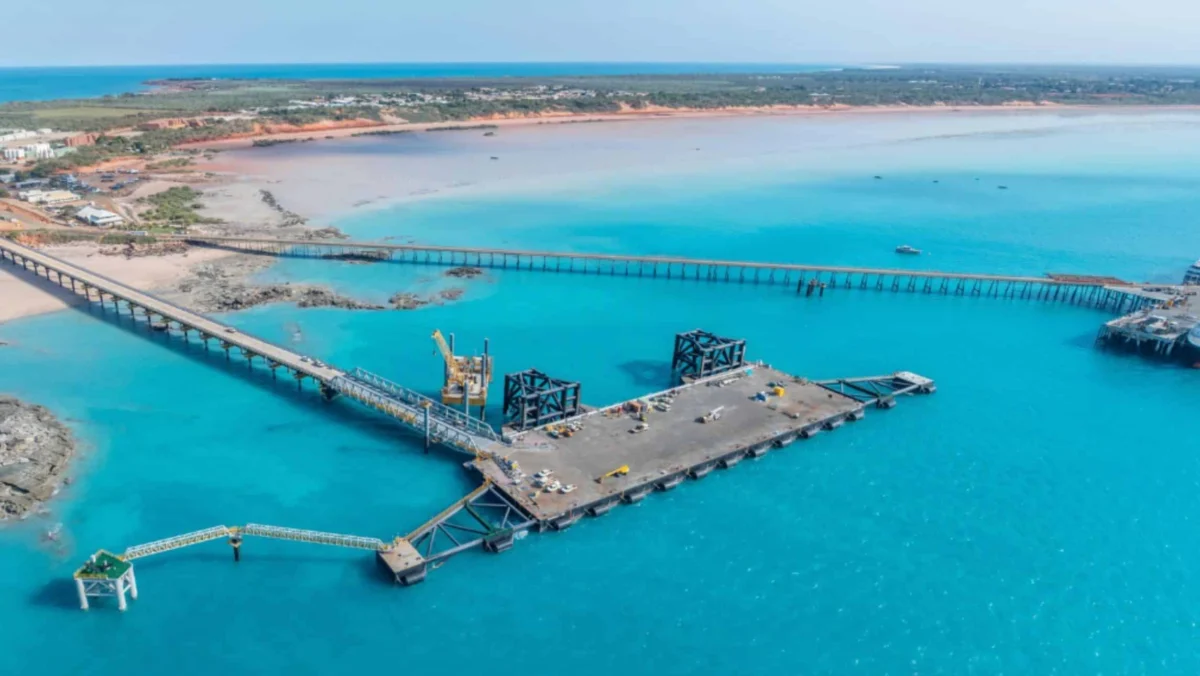
Western Australia is proactively addressing the challenges facing the Australian cruise sector by implementing a comprehensive series of workshops along its extensive coastline. These sessions, designed for local tourism operators and hospitality businesses within proximity to Australia’s cruise ports, aim to demystify cruise operations and highlight the significant economic benefits that can be realized when cruise ships dock in a region. Spanning from the southern shores of Busselton to the northern gateway of Broome, these workshops provide crucial insights into what cruise lines seek in a port destination and the intricate process of integrating local tours and experiences into shipboard shore excursion programs.
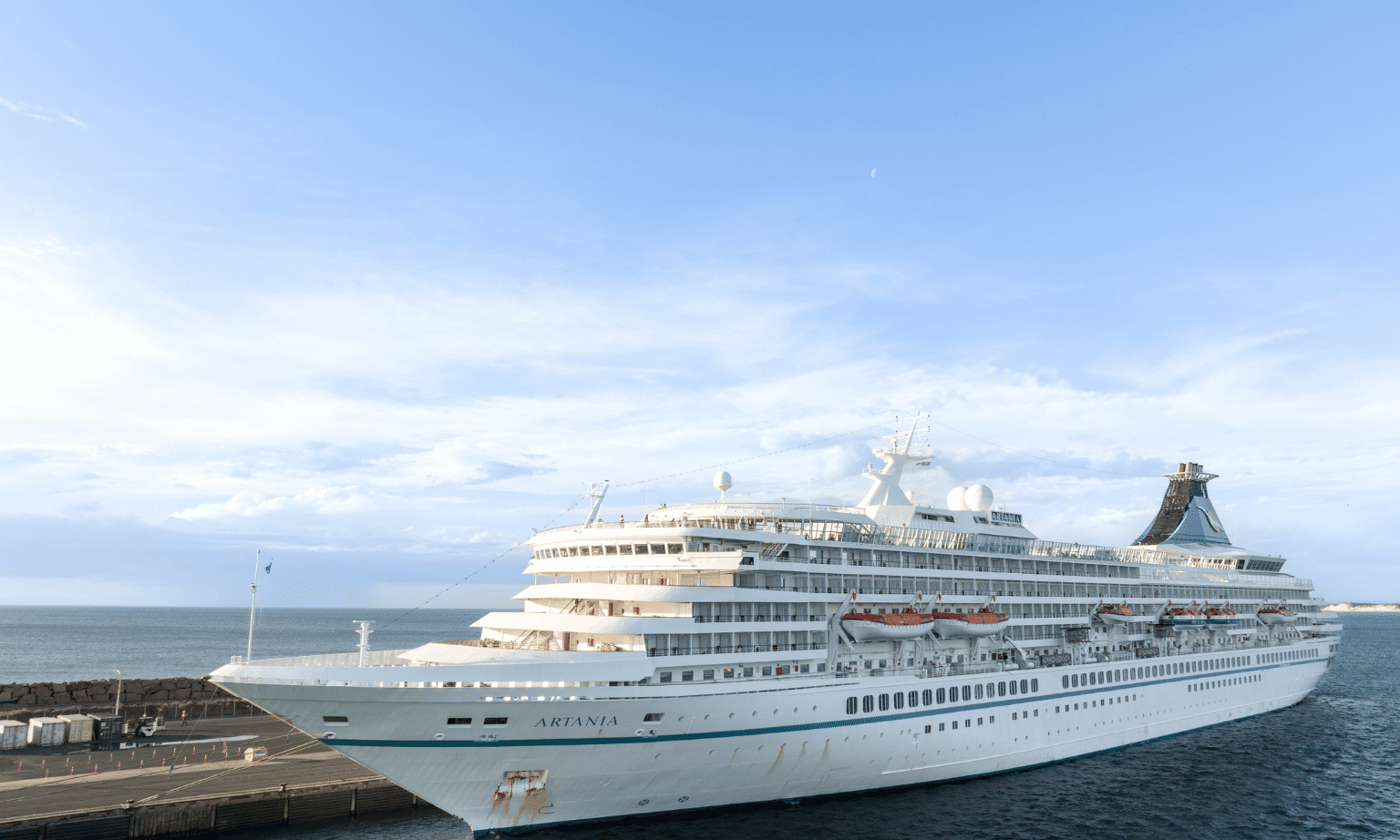
While these informational sessions are not new and are conducted nationwide, their importance has escalated considerably. Australia’s love affair with cruising continues unabated, yet the nation is experiencing a decline in the number of cruise ship visits annually, coupled with a trend towards shorter itineraries. This presents a critical juncture for destinations seeking to maintain and grow their cruise tourism footprint.
The Crucial Role of Shore Excursions
Shore excursions represent a vital revenue stream for the cruise industry, ranking among the most profitable onboard offerings, alongside beverage packages, specialty dining, and casino operations. The success of these excursions is directly tied to the appeal and profitability of the port destination itself. Joanne Brown, Business Development Manager at Intercruises, who has facilitated numerous workshops alongside Tourism Western Australia, emphasizes this point. "At the end of the day, people take cruises not just for the ships but for the destinations," Brown stated. "Having port density and ports that are warm and welcoming is paramount. You can go to a port where you don’t feel welcome. And then you can go to a port like Albany, where year after year the feedback is that the volunteers are there, the businesses have their arms open, and it’s a warm and welcoming place."
National Challenges Impacting Australian Cruising
The Cruise Lines International Association (CLIA) has identified regulatory uncertainties and escalating operational costs as significant hurdles in attracting cruise ships to Australian waters. These factors are rendering the country less competitive as a cruise destination, leading to a diversion of cruise traffic to other international locales. Cruise Passenger has been at the forefront of reporting this decline in cruise capacity, advocating for federal government intervention to address the issue.
Economic Imperatives for Coastal Communities
The economic advantages for tourism operators and communities surrounding cruise ports are substantial. Attracting more cruise ships translates directly into increased spending by passengers and crew. According to the latest figures from the Australian Cruise Association (ACA), the shore-side spend for the 2024/25 season reached an impressive $1.8 billion across more than 50 ports nationwide. A significant portion of this, nearly 40%, originates from international visitors. On average, cruise passengers spend approximately $440 per day while on shore, with crew members contributing an additional $134 per person per day. Despite an increase in the number of ports visited compared to previous years, the overall shore-side spend for 2024/25 saw a slight decrease from the $1.9 billion recorded in the 2023-24 season, underscoring the need for enhanced destination appeal and optimized passenger engagement.
Case Studies: Eden and Western Australia’s Promising Ports
The picturesque town of Eden on New South Wales’ Sapphire Coast provides a compelling illustration of the economic impact of cruise tourism, alongside the challenges posed by fluctuating ship numbers. For the 2025/26 season, Eden hosted 29 cruise ships, a reduction from the 41 vessels that visited in 2023/24. This resulted in a regional economic value of $14.3 million, a decrease of nearly $5 million from the previous season. However, the port is projected to welcome 27 ships in the 2026/27 season, including notable vessels like the Celebrity Solstice and Grand Princess. Crucially, Eden has demonstrated strong passenger engagement, with 85% of passengers coming ashore during the past season and 10,449 participating in organized shore excursions across 329 tours. The not-for-profit group Cruise Eden plays a pivotal role in this success, employing a team of dedicated volunteers to welcome cruise passengers.
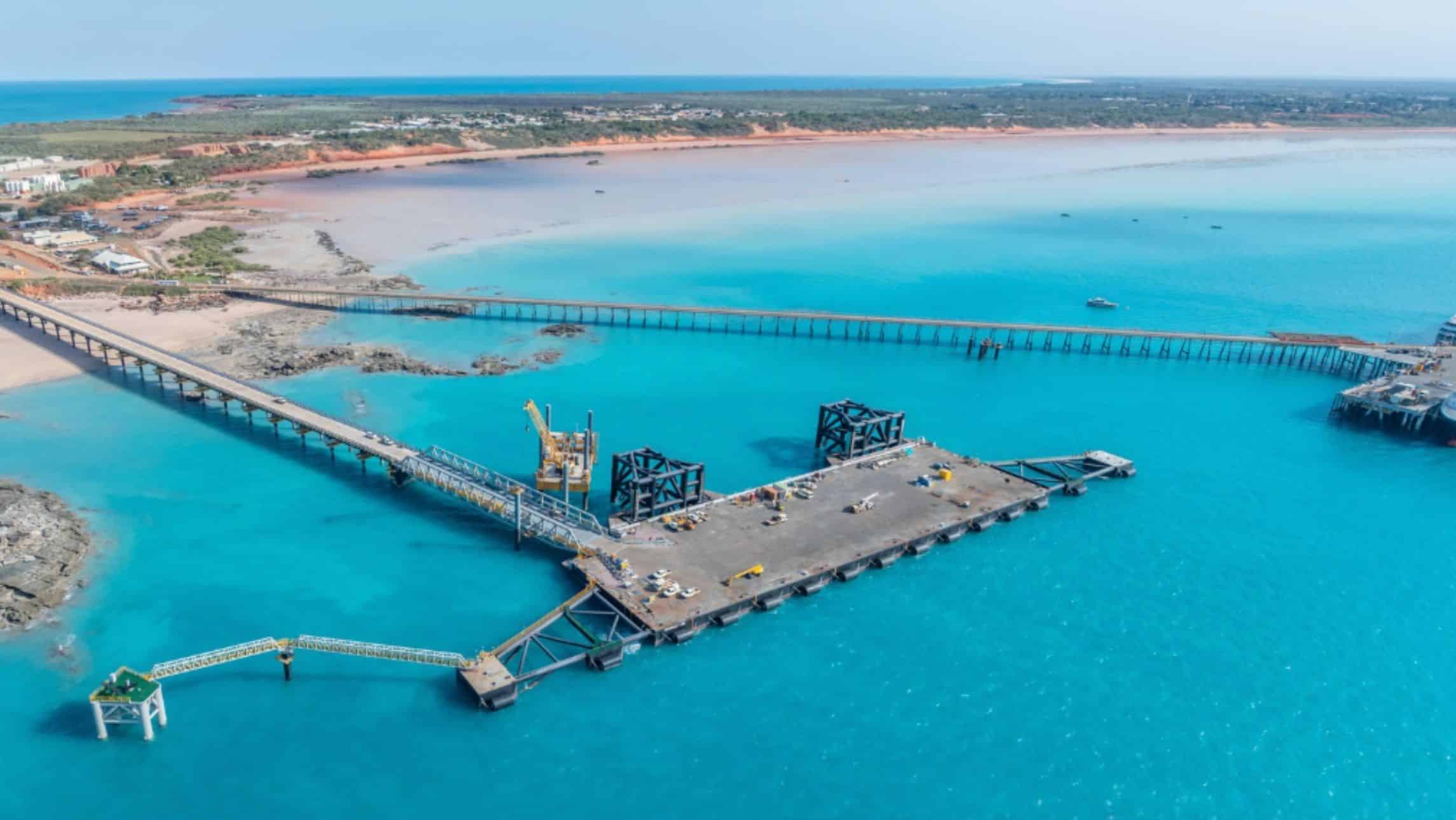
Western Australia is also home to several ports that are actively working to capitalize on cruise tourism. Albany is currently undergoing significant port upgrades and consistently receives positive feedback regarding passenger reception. Geraldton, which was on the cusp of its most significant cruise season ever before 12 ship calls were cancelled due to regulatory changes, is making concerted efforts to regain its position on major itineraries. Esperance, renowned for its stunning turquoise waters and the iconic Pink Lake, is beginning to garner attention, with Norwegian Cruise Line scheduled to make its inaugural visit in the 2027/28 season.
The Western Australian Cruise Tourism Strategic Plan
The Western Australian government has demonstrated a strong commitment to fostering cruise tourism through its ambitious Western Australian Cruise Tourism Strategic Plan 2023-2033. This plan is supported by a substantial $35.5 million state government investment, with the overarching goal of increasing the sector’s economic output from $273 million in 2023/24 to an impressive $620 million by 2033.
A cornerstone of achieving this ambitious target lies in the effective execution of port-level strategies. The strategic plan specifically mandates the delivery of cruise-ready workshops, complemented by comprehensive volunteer and guide training programs. These initiatives are designed to equip local businesses and communities with the knowledge and skills necessary to provide exceptional experiences for cruise passengers.
A Strategic Investment in Future Growth
The workshops, while perhaps operating below the radar for many outside the immediate regions, are fundamental to enhancing the passenger experience on port call days. Their success is anticipated to contribute significantly to the broader Australian cruise industry in the coming years, fostering a more attractive and competitive environment that encourages cruise lines to return and commit to longer-term itineraries in Australia.
"If you have good product and have a good welcome, it makes the decision for them to call into that port a lot easier," Brown reiterated, underscoring the direct correlation between destination readiness and cruise line deployment decisions. The ongoing investment in training and infrastructure development in Western Australia signifies a strategic approach to not only mitigate current challenges but also to position the state as a premier cruise destination for the future. The success of these localized efforts will be instrumental in achieving the state’s ambitious economic goals and revitalizing Australia’s cruise tourism sector.
The workshops cover a broad spectrum of essential information, ranging from an in-depth understanding of the criteria cruise lines evaluate when selecting port stops to the practicalities of getting local tours and experiences officially listed as bookable shore excursions. This holistic approach ensures that local operators are well-equipped to meet the exacting standards of the global cruise industry. By fostering this understanding and facilitating direct engagement between the industry and local businesses, Western Australia is strategically investing in the long-term viability and growth of its cruise tourism sector, aiming to turn the tide of declining ship numbers and ensure that its stunning coastline remains a sought-after destination for cruise passengers worldwide. The commitment to continuous improvement and stakeholder engagement, as exemplified by these workshops and the broader strategic plan, is a testament to Western Australia’s dedication to maximizing the economic and social benefits of cruise tourism.




 Tatiana Tantri Indah Sari
 Budi Mulyono
 Anjar Salim
