
 Hendra Ismail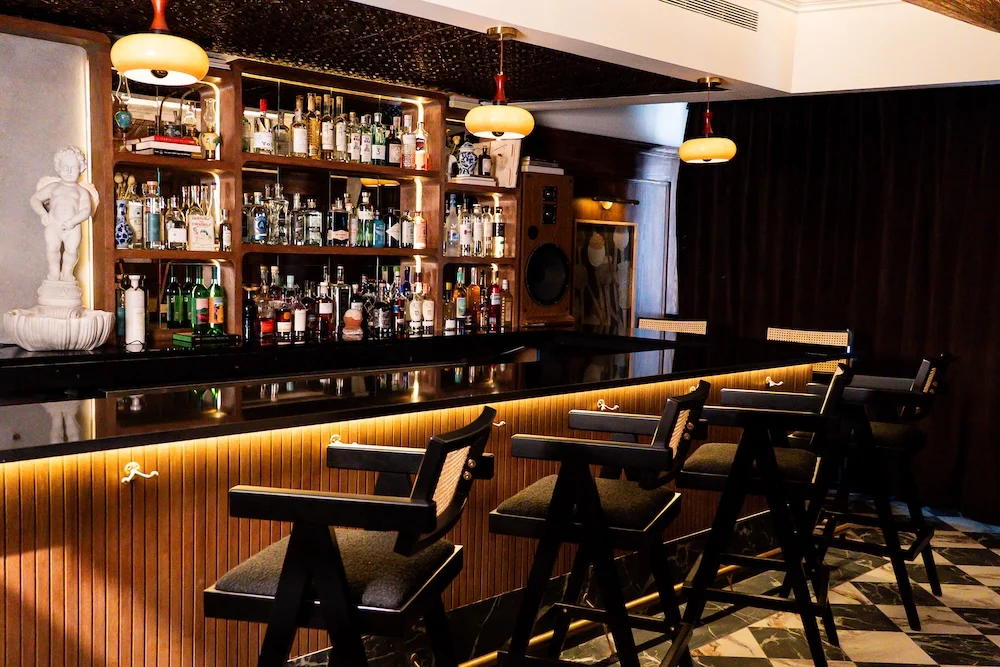
After Eden, a meticulously crafted all-day concept, has officially opened its doors on New York City’s vibrant Lower East Side, offering a unique dual experience designed to cater to patrons throughout the day and into the night. Conceived by founder and beverage director Gelo Honrade, the establishment aims to provide a dynamic environment that seamlessly transitions from a bright, casual daytime gathering spot to an intimate, sophisticated evening lounge.
The genesis of After Eden can be traced back to Honrade’s vision for a space that transcends the typical café or bar, offering a holistic experience that evolves with the passing hours. The Lower East Side, a neighborhood renowned for its rich cultural history, eclectic mix of businesses, and burgeoning culinary scene, provided the ideal backdrop for such an ambitious venture. The area has seen a significant influx of new hospitality establishments in recent years, indicating a sustained demand for innovative dining and drinking experiences. Data from the NYC Department of Consumer and Worker Protection shows a consistent rise in new liquor license applications in Manhattan neighborhoods like the Lower East Side, suggesting a fertile ground for new concepts like After Eden.
A Design Rooted in Nature and Sophistication
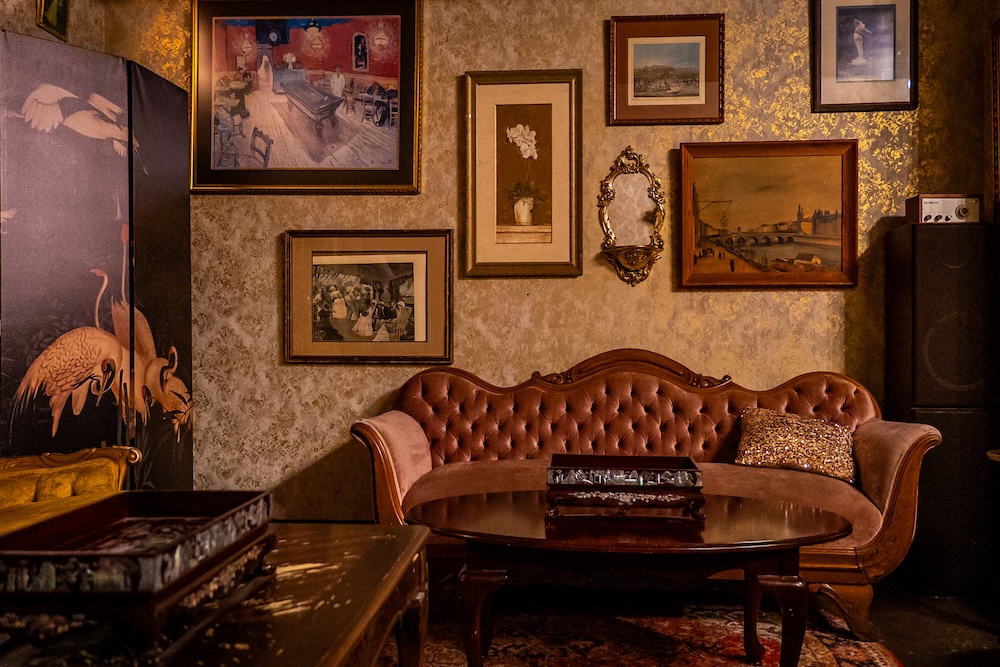
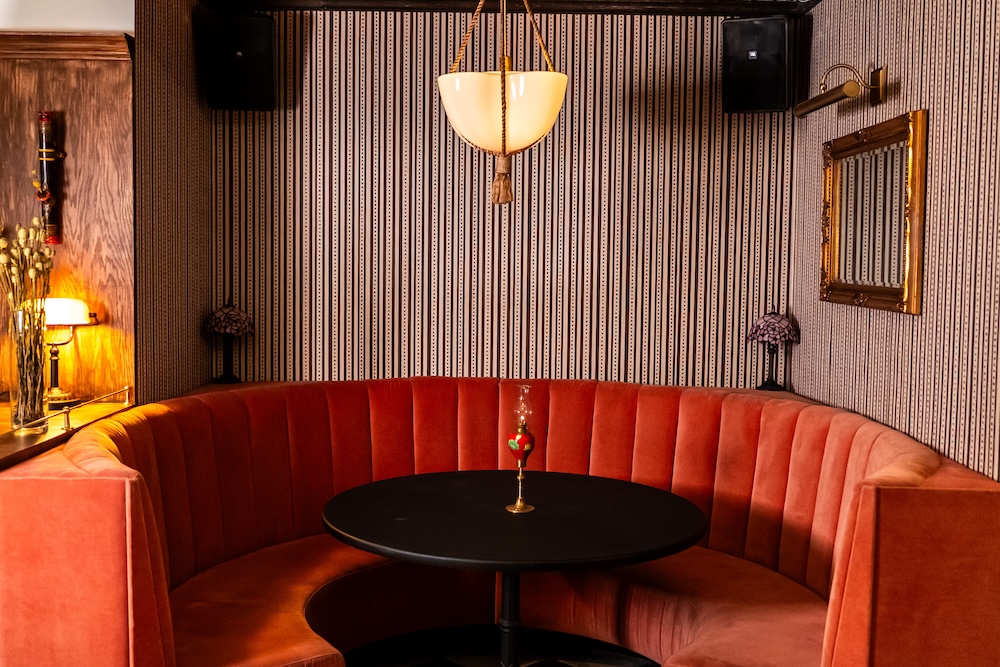
The interior design of After Eden is a deliberate and artful interpretation of the Garden of Eden, as envisioned by co-founder and designer Kim Lin. Lin, who brings a deep understanding of New York’s hospitality industry from her upbringing within it, approached the project with a commitment to longevity and cohesive design. The space is characterized by a restrained, modern aesthetic that subtly evokes natural elements without being overtly thematic.
"The goal was to create a sanctuary, a place that feels both familiar and transportive," Lin stated in a conceptual briefing. "We wanted to avoid clichés and instead focus on an atmosphere that is sophisticated, grounding, and ultimately, inviting."
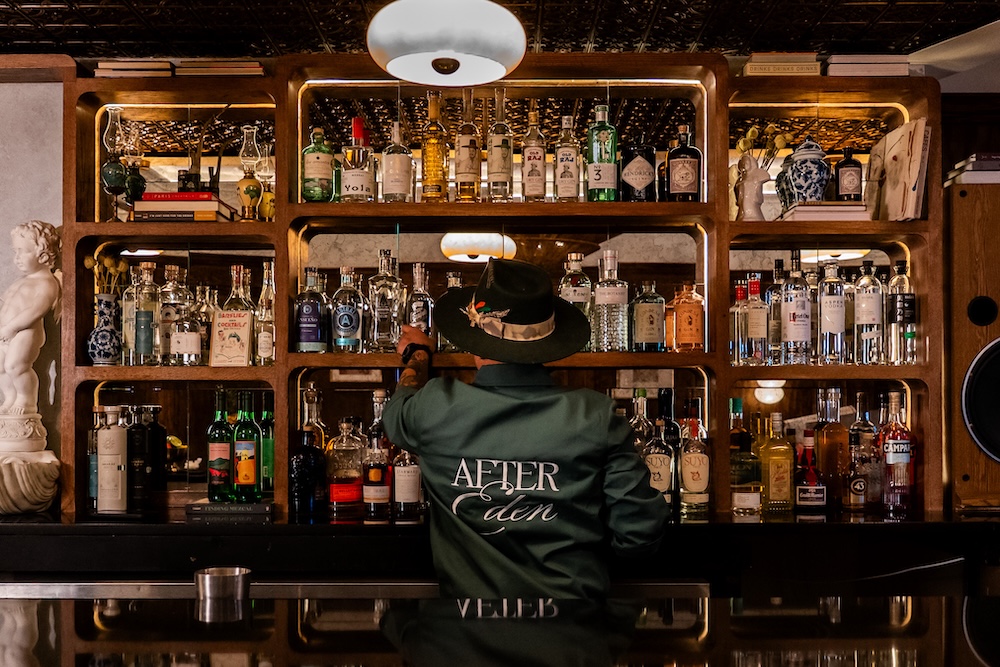
The design palette features a thoughtful selection of saturated green tones, which are expertly layered with diverse textures to create a sense of depth and warmth. A curated blend of vintage and modern furnishings contributes to an intimate and grounded ambiance, encouraging guests to linger and connect. This approach to material and color selection is a strategic choice, aiming to create a timeless appeal that will remain relevant as trends evolve. Industry analyses consistently show that well-designed spaces with a focus on tactile materials and calming color schemes contribute significantly to customer satisfaction and repeat visits in the hospitality sector. For instance, a study by the Cornell Hospitality Report indicated that ambiance, including interior design, is a key driver of perceived value and overall guest experience.
Thematic Resonance: Art, Indulgence, and the Allure of the ‘Other Side’
Central to the evening experience at After Eden is a striking custom mural by artist Eric Ramirez, strategically placed behind the back bar. This mural is not merely decorative; it serves as a visual narrative, depicting a lush, dreamlike landscape rendered in deep, saturated tones. Ramirez’s interpretation of Eden leans into its "other side," a more enigmatic and alluring facet, thereby reinforcing the overarching themes of temptation and indulgence that define the venue’s late-night programming. The artwork is a critical element in transforming the space from its daytime persona to its nocturnal allure.
"We wanted the art to be a conversation starter, a piece that draws you in and hints at the deeper experiences After Eden offers," Ramirez commented during the mural’s installation. "The juxtaposition of beauty and a touch of the forbidden is what makes the concept so compelling."
This artistic statement is complemented by the presence of the Opium Den, a private room designed to offer a secluded and intimate setting. This space is intended for smaller gatherings, private celebrations, and those seeking a more exclusive late-night experience. The inclusion of such a dedicated private area caters to a growing trend in urban hospitality, where guests increasingly seek personalized and discreet environments. According to market research firm Technomic, private dining and exclusive event spaces are significant revenue drivers for upscale establishments, with demand projected to continue its upward trajectory.
A Chronology of Transformation: From Morning Coffee to Midnight Cocktails
The dual-concept nature of After Eden is meticulously orchestrated to facilitate a smooth transition between its day and night operations. The establishment opens its doors in the morning to a bright and open setting, ideal for casual business meetings, daytime social gatherings, and café-style programming. This phase is characterized by natural light, comfortable seating arrangements conducive to conversation, and a menu focused on artisanal coffee, pastries, and light fare. The aim is to foster a welcoming and productive atmosphere for those seeking a daytime retreat.
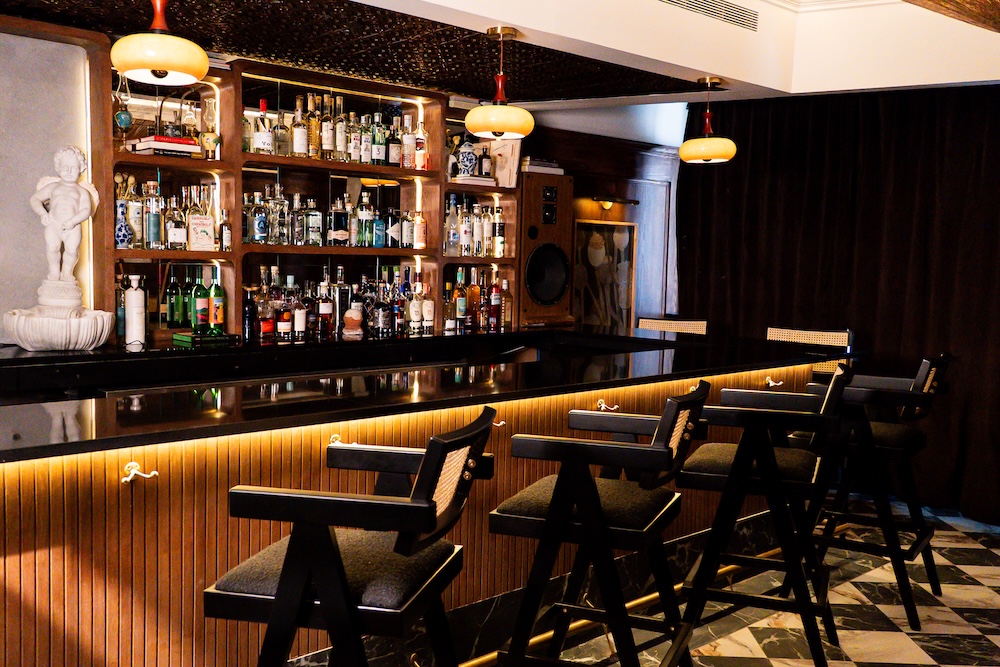
As the day progresses, a subtle yet deliberate transformation begins. The lighting gradually deepens, shifting from ambient daylight to more focused, atmospheric illumination. This change serves to highlight the bar area, signaling a shift in energy and purpose. The music selection evolves, and the service transitions towards a more sophisticated cocktail and small-plate experience. By evening, After Eden cultivates a more intimate and energetic late-night atmosphere, encouraging patrons to unwind, socialize, and indulge in the curated beverage program developed by Honrade.
This day-to-night transition is a sophisticated operational strategy. It allows After Eden to maximize its utility and appeal to a broader demographic, capturing both the daytime café crowd and the evening cocktail enthusiast. This multi-faceted approach is particularly relevant in a competitive market like New York City, where businesses that can offer diverse experiences often achieve greater resilience and profitability. The initial opening phase, typically spanning the first few months, is crucial for establishing these operational rhythms and refining the guest experience. After Eden’s launch in late spring of 2024 signifies a strategic entry into the busy summer season, allowing ample time for adjustments before the fall and holiday periods.
Background Context: The Evolving Landscape of New York Hospitality
The opening of After Eden comes at a time of significant evolution within New York City’s hospitality sector. Following the challenges posed by the pandemic, there has been a notable resurgence and a reimagining of what dining and drinking establishments can offer. The focus has shifted towards experiences that offer more than just food and drink; ambiance, design, and a narrative are increasingly important. Concepts that can adapt and cater to different needs throughout the day, as After Eden does, are particularly well-positioned for success.
The Lower East Side, specifically, has a long-standing reputation as a hub for innovation and counter-culture, which has gradually been refined by a wave of upscale establishments that respect its history while contributing to its modern identity. This neighborhood attracts a discerning clientele that appreciates creativity, quality, and a unique atmosphere. The success of similar multi-concept venues in other parts of Manhattan, such as those in Greenwich Village or the West Village, suggests a strong market appetite for such ventures. These areas often boast a higher average spend per customer, particularly for evening experiences, underscoring the potential revenue streams for establishments like After Eden.
Statements and Reactions (Inferred)
While direct statements from all parties involved were not immediately available, the strategic decisions behind After Eden strongly suggest an awareness of market demands and a clear vision for its place within the New York City landscape. Gelo Honrade’s background as a beverage director indicates a deep understanding of cocktail culture and customer engagement, crucial for the establishment’s evening persona. Kim Lin’s design philosophy, emphasizing longevity and cohesion, speaks to a desire to create a lasting and memorable environment, a sentiment often echoed by successful restaurateurs and bar owners who prioritize building a loyal customer base rather than chasing fleeting trends.
The choice of Eric Ramirez for the mural also points to a commitment to supporting the arts and integrating distinctive creative elements into the patron experience. Such collaborations often generate buzz within artistic and hospitality circles, contributing to organic marketing and a perception of authenticity.
Analysis of Implications: A Strategic Approach to Urban Hospitality
The dual-concept model employed by After Eden represents a strategic approach to maximizing space utilization and appealing to a diverse customer base in a high-cost urban environment like New York City. By offering distinct experiences during the day and night, the establishment can:
- Diversify Revenue Streams: Capturing revenue from morning coffee and pastries, afternoon meetings, and evening cocktails and small plates creates multiple income opportunities within a single footprint.
- Enhance Brand Appeal: The ability to cater to different needs – from casual daytime interaction to intimate evening indulgence – broadens the establishment’s appeal and makes it a more versatile destination.
- Optimize Operational Efficiency: By carefully managing the transition between day and night, After Eden can potentially optimize staffing, inventory, and operational flow, leading to greater efficiency.
- Foster Customer Loyalty: The varied offerings can encourage repeat visits from a wider range of customers. A patron who enjoys the daytime atmosphere might be enticed to return for the evening experience, and vice versa.
The success of After Eden will likely hinge on its ability to execute this dual concept flawlessly, ensuring that the transition is seamless and that both the daytime and nighttime experiences meet high standards of quality and service. The integration of art, sophisticated design, and a thoughtfully curated beverage program suggests a strong foundation for achieving this goal. As New York City’s hospitality scene continues to innovate, establishments like After Eden, with their emphasis on experience and adaptability, are poised to define the future of urban dining and socializing.


 Anjar Salim
 Chandra Hamzah
 Tatiana Tantri Indah Sari
 Budi Mulyono

