
 Tatiana Tantri Indah Sari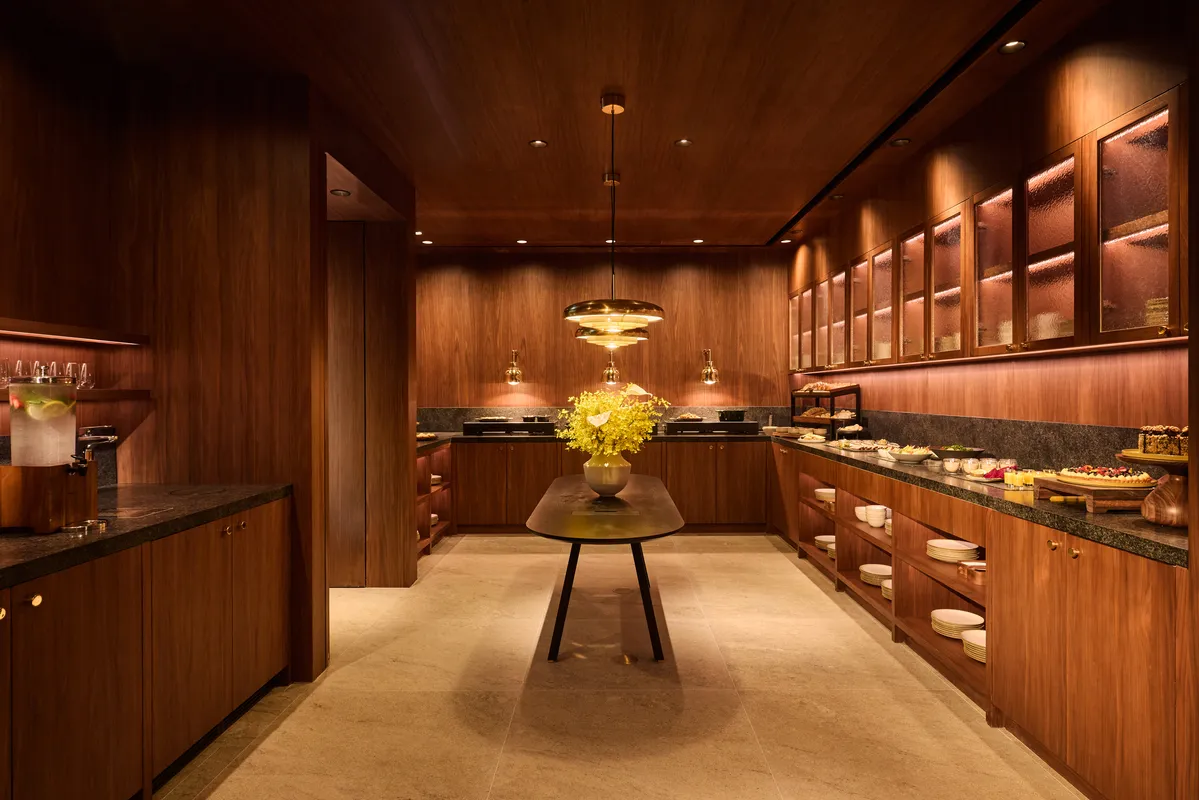
Cathay Pacific is embarking on a transformative journey, subtly yet profoundly constructing a network-wide design operating system engineered for resilience and consistency across its diverse global footprint, an initiative exemplified by the recent reopening of The Wing First Class Lounge at Hong Kong International Airport (HKIA) and its strategic re-evaluation of premium amenities. This ambitious undertaking aims to standardize the premium passenger experience, ensuring a cohesive brand identity and operational fluidity regardless of the airport or the local team managing the facilities, positioning the airline for sustained leadership in the highly competitive luxury travel segment.
Cathay Pacific’s Strategic Vision: A Unified Design Philosophy
For decades, Cathay Pacific has cultivated a reputation synonymous with sophisticated Asian hospitality and a premium flying experience. However, the modern aviation landscape demands more than just isolated pockets of excellence; it necessitates a seamless, recognizable brand presence from booking to baggage claim. The concept of a "network-wide design operating system" is at the heart of Cathay Pacific’s current strategy. This system goes beyond mere aesthetics, encompassing every touchpoint a passenger experiences – from lounge design and in-flight cabin aesthetics to service protocols and digital interfaces. The goal is to create a predictable yet luxurious experience that reinforces the Cathay Pacific brand identity, fostering passenger loyalty and operational efficiency. This systematic approach allows for greater adaptability to varying local conditions and airport infrastructure while maintaining core brand values and service standards. In an era where airlines compete fiercely for high-yield premium passengers, a consistent, high-quality ground experience is as crucial as the in-flight product.
This strategic shift gained particular impetus in the post-pandemic recovery phase. Following the severe disruptions to global travel, airlines like Cathay Pacific, which saw significant operational curtailment due to Hong Kong’s strict travel policies, are now investing heavily to reclaim and strengthen their market position. The airline recently reported a return to profitability for the first time in four years, achieving a net profit of HK$9.78 billion (US$1.25 billion) for 2023, a stark turnaround from previous losses. This financial recovery provides the necessary capital to invest in significant infrastructure and service enhancements, with the premium passenger experience identified as a key differentiator. The overall objective is to ensure that every Cathay Pacific premium lounge, regardless of its location, feels distinctly Cathay, offering a predictable level of comfort, service, and design elegance that passengers can rely upon.
The Wing First Class Lounge: A Legacy of Design Excellence
The Wing First Class Lounge at Hong Kong International Airport holds an iconic status within the pantheon of luxury airport lounges globally. It has long served as Cathay Pacific’s flagship ground experience, a physical manifestation of its brand promise. Its history is deeply intertwined with a commitment to groundbreaking design. The lounge’s inaugural edition was masterminded by the celebrated British minimalist designer John Pawson, whose vision in the late 1990s set a new benchmark for airport hospitality. Pawson’s design emphasized clean lines, natural materials, and an atmosphere of serene calm, a stark contrast to the often bustling and utilitarian nature of airport terminals. This original design established The Wing as a destination in itself, drawing acclaim from design critics and travelers alike.
In subsequent iterations, the responsibility for evolving this prestigious space fell into the capable hands of Ilse Crawford, the renowned British designer celebrated for her human-centric approach to interior design. Crawford’s philosophy revolves around creating environments that prioritize comfort, well-being, and functionality, often utilizing tactile materials and warm lighting to evoke a sense of home away from home. Her influence on Cathay Pacific’s premium passenger experience, both within lounges and through elements like amenity kits, has been profound. She has meticulously shaped how premium passengers interact with the Cathay Pacific brand when they are not airborne, focusing on enhancing their pre-flight and transit moments. Her work ensures that the lounges are not merely waiting areas but integral parts of the journey, offering spaces for relaxation, work, dining, and rejuvenation.
The Latest Renovation: Modernization and Strategic Refinement
The recent renovation of The Wing First Class Lounge, which saw its reopening in April after an intensive 11-month overhaul, marks the first substantial update since 2013. This period of closure, from May 2023 to April 2024, allowed for a comprehensive reimagining of the space, aligning it with Cathay Pacific’s contemporary brand identity and the aforementioned network-wide design operating system. While specific details of every subtle change are often proprietary, the overarching theme of Ilse Crawford’s continued involvement suggests a refinement of her established design language. This typically includes an emphasis on natural light, premium materials such as dark wood, polished chrome, and soft leather, and a sophisticated color palette that is both elegant and calming. Enhancements likely include updated furniture, improved lighting schemes, state-of-the-art technology integration for connectivity, and perhaps a reconfigured layout to optimize passenger flow and privacy.
A spokesperson for Cathay Pacific, though not commenting directly on specific design elements, might highlight the renovation as a commitment to "elevating the premium experience" and ensuring that "our flagship lounge reflects the evolving needs and expectations of our discerning travelers." The focus would be on creating a space that is both timeless and contemporary, offering a consistent sense of luxury that is harmonious with the overall brand vision. The renovation aims to solidify The Wing’s position as a world-class facility, capable of handling the increasing volume of premium passengers flowing through HKIA, which has seen a robust recovery in passenger traffic. Hong Kong International Airport reported handling 4.2 million passengers in February 2024, representing 75% of pre-pandemic levels, underscoring the necessity for modernized and efficient premium facilities.
The Notable Omission: The Cabanas and Their Strategic Implications
Amidst the celebrated reopening and the refined elegance, one significant omission has garnered particular attention among aviation enthusiasts and frequent flyers: the disappearance of The Wing’s iconic cabanas. For over a decade, these private suites were a standalone hit, arguably ranking among the top 10 most photographed amenities in commercial aviation. They offered an unparalleled level of privacy and luxury within an airport terminal, featuring full-length daybeds and deep soaking bathtubs, providing enough square footage to evoke a residential feel. Travel connoisseurs of the 2015 era often structured their Hong Kong layovers specifically around securing access to these coveted havens, treating them with the reverence collectors reserve for rare objects. Their allure lay in their unique offering: a truly private, restorative space amidst the hustle of a major international hub.
The decision to remove such a beloved and distinctive amenity is a strategic one, reflecting a nuanced shift in Cathay Pacific’s approach to premium lounge offerings and space utilization. While the cabanas were undeniably luxurious, their operational footprint was substantial. Each cabana occupied a significant amount of square footage, effectively serving only one or two passengers at a time. In a high-traffic environment like HKIA, and with a renewed focus on maximizing operational efficiency and serving a broader base of premium passengers, such a high-demand, low-density amenity becomes a complex allocation of resources.
Industry analysts suggest several plausible reasons for this strategic pivot. Firstly, space utilization and capacity optimization are paramount in busy airport lounges. Removing the cabanas likely frees up valuable real estate, allowing Cathay Pacific to introduce more diverse seating options, additional dining capacity, or specialized work zones that cater to a larger number of passengers concurrently. This aligns with a broader industry trend where lounges are designed to accommodate various passenger needs – from quick meals to short work sessions, rather than extended private retreats.
Secondly, operational efficiency and maintenance costs associated with the cabanas were likely considerable. Maintaining multiple private suites with full bathtubs involves significant water usage, cleaning protocols, and staff resources, all of which add to operational overheads. Simplifying the amenities can streamline operations and reduce maintenance demands, contributing to the overall efficiency envisioned by the "design operating system."
Thirdly, evolving passenger needs and trends may have played a role. While the cabanas offered a unique retreat, the post-pandemic traveler might prioritize different aspects of the lounge experience. There might be a greater demand for efficient transit, seamless connectivity, or communal yet comfortable spaces, rather than isolated private rooms. The new design system might emphasize a consistent level of luxury and functionality across all premium passengers, rather than catering to a very niche desire for a private bath.
Finally, the omission reinforces the idea of the "network-wide design operating system." Replicating unique, high-maintenance features like cabanas across an entire global network is challenging and expensive. By streamlining the core offerings, Cathay Pacific can ensure a more consistent and scalable premium experience, making it "harder to copy" in its operational efficiency and ubiquitous brand presence, even if it means foregoing a hyper-specialized amenity.
Broader Impact and Implications for Premium Travel
The renovation of The Wing First Class Lounge, and particularly the strategic decision regarding the cabanas, signals a broader evolution in premium airport lounge design and airline strategy. It suggests a move away from "gimmicky" or extremely niche luxury features towards a more holistic, consistent, and operationally efficient premium experience. While some loyal passengers may lament the loss of the cabanas, the airline’s move reflects a calculated decision to optimize its premium offering for the majority of its high-value travelers.
This approach will likely result in a more standardized, albeit still luxurious, premium experience across Cathay Pacific’s lounges worldwide. For example, the airline’s lounges in London Heathrow, Vancouver, and Tokyo, while having their own local nuances, are expected to increasingly reflect the core design principles and service standards established at HKIA. This consistency will enhance brand recognition and customer loyalty, as passengers will know precisely what level of comfort and service to expect, regardless of their origin or destination.
Furthermore, this move positions Cathay Pacific to compete effectively with other top-tier global carriers. Airlines like Singapore Airlines, Emirates, and Qatar Airways consistently invest heavily in their lounge networks. Cathay Pacific’s focus on a robust "design operating system" ensures it remains a formidable player, offering a refined and dependable premium experience that prioritizes quality, efficiency, and consistent brand representation over isolated, albeit memorable, unique features.
In conclusion, Cathay Pacific’s quiet yet deliberate construction of a network-wide design operating system, epitomized by the strategic reimagining of The Wing First Class Lounge and the calculated removal of its iconic cabanas, represents a significant evolution in its brand strategy. It underscores a commitment to a cohesive, operationally efficient, and consistently luxurious premium passenger experience across its global network. This move is not merely a renovation; it is a foundational step in redefining what premium travel means for Cathay Pacific in the post-pandemic era, balancing historical luxury with future-forward efficiency and consistency. The airline is building a brand experience that is robust, scalable, and inherently difficult for competitors to replicate in its seamless integration and unwavering quality.



 Anjar Salim
 Chandra Hamzah
 Budi Mulyono
 Lukman Taruna Persada Ramadan
