
 Lukman Taruna Persada Ramadan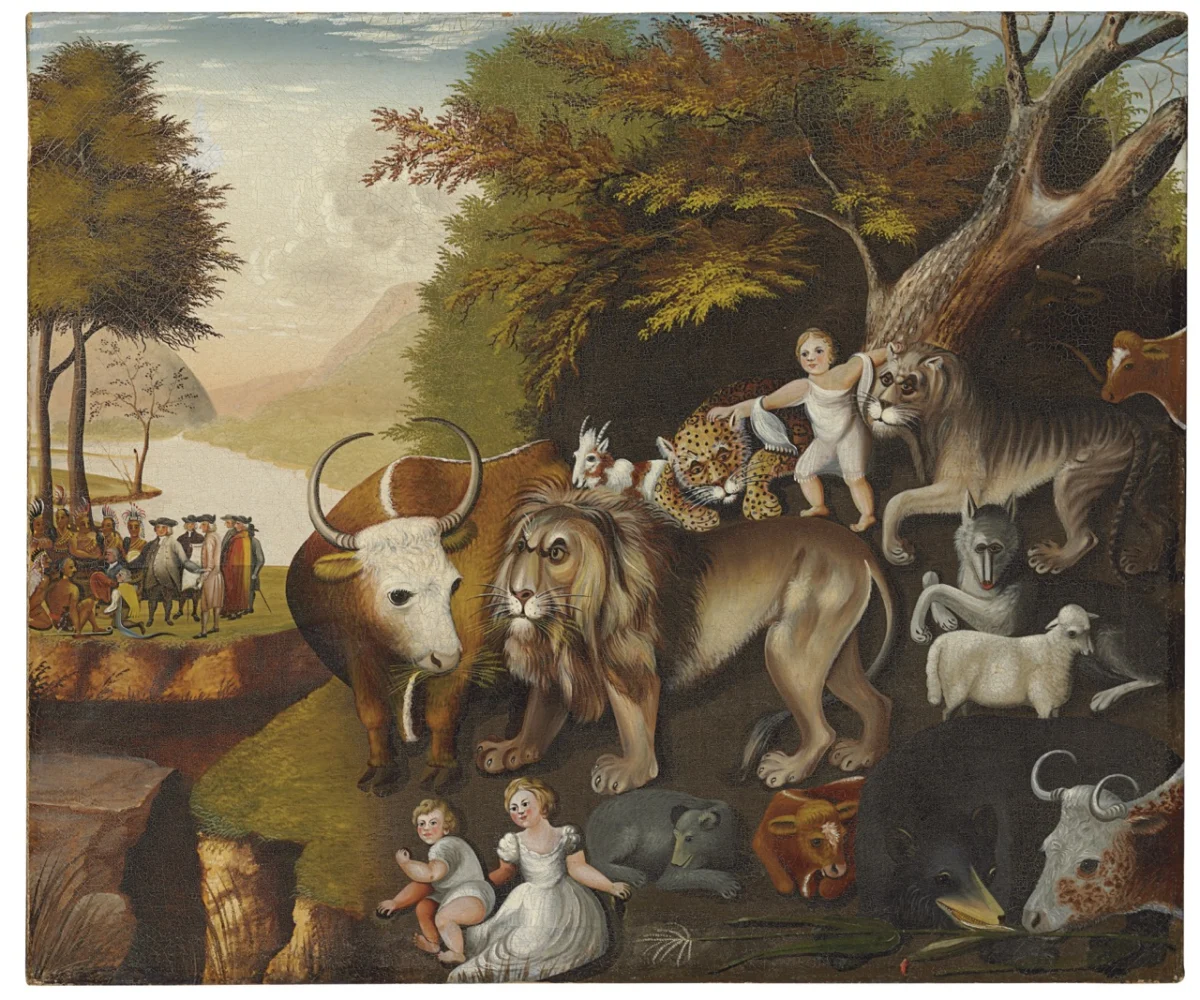
Mounted during this year’s celebration leading up to the United States’ semiquincentennial in 2026, a new exhibit titled "Folk Nation: Crafting Patriotism in the United States" at the American Folk Art Museum draws extensively from its acclaimed collections to explore the profound connections between vernacular art and the complex construction of an American sense of self. This pivotal exhibition, designed to resonate with the nation’s 250th anniversary, offers a timely and intricate examination of how objects crafted outside the academic art world have shaped, reflected, and often romanticized the narrative of American identity.
The Semiquincentennial: A National Reflection
The United States is currently embarking on a multi-year commemoration leading up to its semiquincentennial in 2026, marking 250 years since the signing of the Declaration of Independence. This significant milestone serves as a national impetus for reflection on the nation’s past, present, and future. Cultural institutions across the country are responding to this call by curating exhibitions, programs, and initiatives that delve into various facets of American history, culture, and identity. "Folk Nation" positions itself as a central component of this broader national dialogue, offering a unique artistic lens through which to understand the enduring questions of what it means to be American. The exhibition not only celebrates artistic ingenuity but also critically examines the historical forces and cultural aspirations that have molded national self-perception over centuries.
Unveiling "Folk Nation": A Multilayered Exploration
"Folk Nation: Crafting Patriotism in the United States" introduces museum visitors to the nuanced concept of "folk" as an art category—one that evolved in dynamic conjunction with the burgeoning art and antiques markets of the late 19th and early 20th centuries. This focused exhibition reveals how these artworks are not merely static creations but rather multilayered repositories of meaning, imbued with cultural significance not only by their original creators but also by subsequent collectors, dealers, curators, and owners. Through a diverse array of objects, the exhibit traces the journey of American self-expression, from the practical necessities of daily life to profound statements of individual and collective identity.

The Historical Imperative: Constructing an American Identity
From the nascent stages of the republic, Americans developed a distinctive practice of preserving objects as a means of narrating their own stories. This impulse gained considerable momentum following the Revolutionary War, as the young nation grappled with defining its unique character apart from its European predecessors. By the late 19th and early 20th centuries, this drive intensified, with individuals and institutions increasingly turning to early American objects to construct a coherent national history and foster a collective identity. This cultural endeavor was often fueled by a lingering insecurity regarding the perceived cultural provinciality of the United States when compared to the long-established artistic traditions of Europe. The acquisition and veneration of "folk art" became a deliberate strategy to assert an authentic, indigenous American cultural heritage.
Expanding on this rich legacy, the term "folk art" itself was codified and championed by a coalition of collectors, dealers, curators, and artists beginning in the early 20th century. These individuals sought to elevate and celebrate a wide-ranging spectrum of American creative production, encompassing works from the 1700s onward, often created by self-taught or informally trained artists. This movement played a crucial role in establishing a distinct canon of American art that reflected the nation’s democratic ideals and pioneering spirit.
The Kaleidoscopic Genres of American Folk Art
The exhibition showcases a kaleidoscopic array of genres, all produced outside the formal academic art world, yet each profoundly reflective of American life and values. These include:
- Weathervanes: Often functional objects indicating wind direction, these pieces frequently took on elaborate and symbolic forms—from majestic eagles and galloping horses to mythical creatures—becoming sculptural expressions of individual craftsmanship and local pride.
- Trade Signs: Crafted to advertise businesses, these signs, often depicting goods or services in vibrant, illustrative ways, served as early forms of commercial art and visual communication, reflecting the entrepreneurial spirit of the nation.
- Quilts: More than mere bed coverings, quilts represent intricate tapestries of domestic life, communal effort, and artistic expression. Their patterns, fabrics, and stitches often tell stories of family history, regional traditions, and significant events, embodying both utility and profound artistic merit.
- Carvings: Ranging from intricate wooden figures and decoys to ship mastheads and architectural elements, carvings demonstrate a deep connection to material culture and often express personal narratives, religious beliefs, or observations of the natural world.
- Painted Portraiture: Often executed by itinerant artists for middle-class families, these portraits capture the likenesses of ordinary Americans, providing intimate glimpses into the lives and aspirations of people across various social strata. They often possess a directness and charm distinct from their academic counterparts.
- Commemorative Sculpture: Works created to honor historical figures, events, or deeply felt beliefs, these sculptures serve as tangible reminders of shared heritage and collective memory, reinforcing national narratives and civic virtues.
Through these diverse forms, the concept of folk art solidified as a powerful symbol of authenticity, ingenuity, independence, and patriotism. These works were perceived to embody the core values at the heart of U.S. culture—a testament to the resourcefulness and creative spirit of its people. The exhibition meticulously presents these objects not just as artifacts but as active participants in the ongoing dialogue about American identity.

Navigating Complexity and Challenging Romanticized Narratives
While folk art served as a powerful vehicle for expressing national ideals, these concepts were often romanticized, fostering a nostalgic and, at times, incomplete view of the nation’s past. "Folk Nation" consciously investigates this inherent complexity. The exhibition endeavors to present a more nuanced understanding, acknowledging both the unifying power of these objects and the potential for their interpretations to gloss over uncomfortable truths or exclude diverse voices.
Curators aim to prompt visitors to consider whose stories are told and whose might be absent from traditional folk art narratives. This critical approach encourages a deeper engagement with the historical context of these works, recognizing that the "patriotism" they represent might not have been universally inclusive. By examining the biases inherent in historical collecting and interpretation, the exhibition seeks to offer a more comprehensive and honest portrayal of America’s cultural tapestry.
Core Themes: Family, Heritage, Spiritual Vision, and Belonging
Organized around fundamental themes that have profoundly shaped American life, "Folk Nation" traces how vernacular objects functioned as both a mirror and a tool, simultaneously reflecting American identities while actively helping to construct them. These themes include:
- Family: Objects such as painted portraits, commemorative samplers, and family quilts highlight the centrality of kinship and lineage in American life, offering intimate glimpses into personal histories and domestic spheres.
- Heritage: Works reflecting regional traditions, ancestral ties, and immigrant experiences demonstrate the rich tapestry of cultural backgrounds that have contributed to the American mosaic, celebrating the diverse roots that converge to form a national identity.
- Spiritual Vision: Artworks imbued with religious symbolism, visionary narratives, or expressions of personal faith reveal the profound spiritual undercurrents that have guided and inspired countless Americans, showcasing the role of belief in shaping individual and communal life.
- Belonging: Objects that celebrate national symbols, local communities, or shared civic ideals underscore the human need for connection and collective identity, illustrating how art can foster a sense of shared purpose and national unity.
Through these thematic lenses, the exhibition invites visitors to explore how everyday objects become imbued with extraordinary meaning, serving as tangible links to the past and powerful statements about collective aspirations.

The American Folk Art Museum: A Champion of Vernacular Art
The American Folk Art Museum (AFAM), located at 2 Lincoln Square in New York City, stands as a premier institution dedicated to the preservation and interpretation of self-taught art and vernacular traditions from the United States and beyond. Founded in 1961, the museum has played a pioneering role in establishing folk art as a recognized and respected category within the broader art historical discourse. Its extensive collection, which forms the backbone of "Folk Nation," comprises thousands of objects that tell stories of individual creativity, community life, and national identity. AFAM’s commitment to making art accessible is underscored by its policy of always offering free admission, ensuring that its rich cultural offerings are available to all members of the public, fostering broader engagement with American heritage.
Museum officials emphasize that "Folk Nation" is not merely an exhibition of beautiful objects, but a profound academic and cultural inquiry. "As we approach the United States’ semiquincentennial, it is imperative that we critically examine the narratives that have shaped our national identity," states a representative from the museum’s curatorial team. "This exhibition encourages visitors to look beyond the surface, to understand the historical context and the complex layers of meaning embedded in these extraordinary works of art, challenging us to reflect on what ‘patriotism’ truly encompasses." The exhibit’s scholarly rigor combined with its compelling visual presentation makes it an essential visit for anyone interested in American history, art, and culture.
Exhibition Schedule and Concurrent Programming
"Folk Nation: Crafting Patriotism in the United States" is currently open and will be on view until September 13. Following this initial period, the exhibition will temporarily close to facilitate the installation of another significant show, "Locating Girlhood: Place and Identity in Early American ‘Schoolgirl’ Art." This concurrent exhibition offers a focused look at how young women in early America expressed their identities through artistic and scholastic pursuits, providing an interesting counterpoint or complement to "Folk Nation" by exploring identity formation through a specific demographic and educational lens. "Folk Nation" will then proudly reopen on October 8 and remain on view through February 28, 2027, allowing ample opportunity for both local and international visitors to experience its profound insights.
The American Folk Art Museum, situated at the vibrant cultural crossroads of New York City, continues to be a vital center for exploring the rich and often overlooked contributions of self-taught artists. With its enduring commitment to free admission, the museum ensures that "Folk Nation" and its other compelling exhibitions remain accessible to a wide audience, inviting everyone to partake in this significant cultural dialogue. The exhibition serves as a powerful reminder that art, in its myriad forms, remains an indispensable tool for understanding ourselves, our history, and the intricate tapestry of the American experience, particularly as the nation prepares to mark a monumental anniversary.




 Chandra Hamzah
 Gabriela Annisa
 Tatiana Tantri Indah Sari
 Hendra Ismail
 Walid Sujud Trenggono
 Budi Mulyono