
 Chandra Hamzah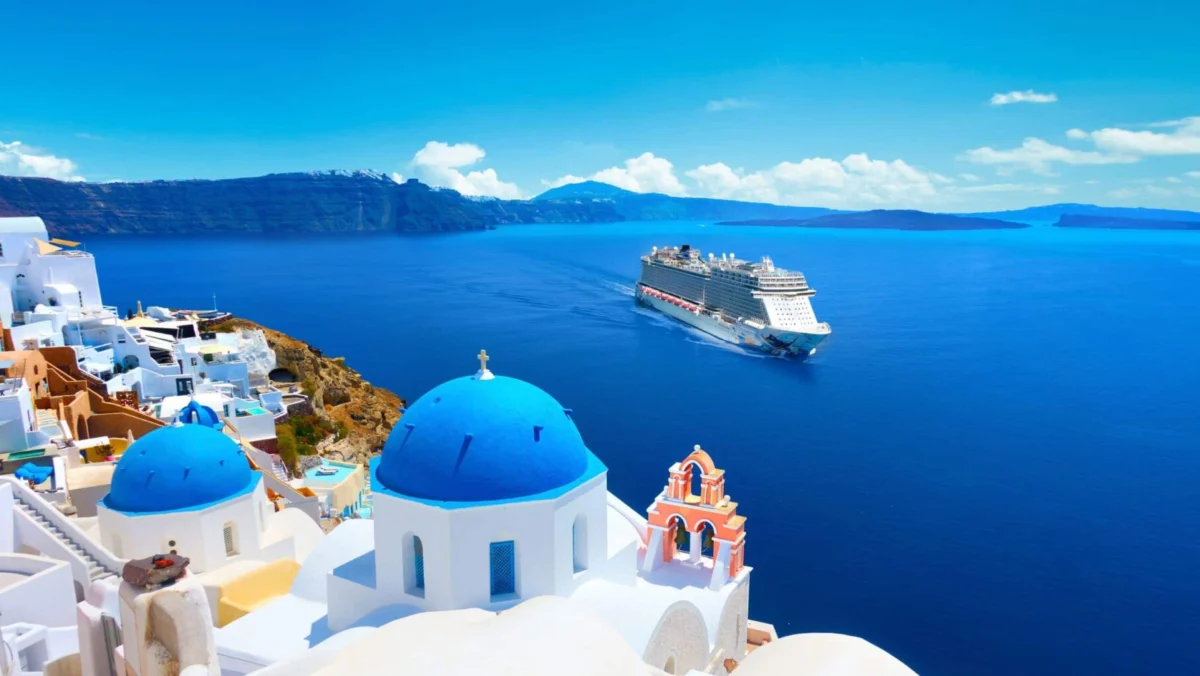
Mexico’s recent decision to halt Royal Caribbean’s ambitious "Perfect Day" project, a venture poised to inject an estimated $800 million into the local economy and create numerous jobs, has raised eyebrows. On the surface, this move appears counterintuitive, particularly given that private cruise destinations are often conceived as a strategy to mitigate the impact of large cruise ships on local communities. However, this development is not an isolated incident but rather a symptom of a growing global trend where cruise tourism, despite its economic contributions, is facing increasing regulatory pressure and public scrutiny worldwide.
Across the Atlantic, Barcelona’s mayor has signaled a significant shift in the city’s approach to cruise tourism. Plans to double the cruise tourist tax and, more drastically, to eliminate non-turnaround cruise calls – a fundamental component of the Mediterranean cruising model – signal a clear intent to curb the influx of cruise visitors. This decisive action stems from the city’s assertion that cruise tourism, though a relatively small percentage of overall visitor numbers, exerts a disproportionately visible and impactful strain on the lives of Barcelona’s residents. These two high-profile instances are indicative of a broader challenge: as cruise tourism continues its ascent in popularity, a critical need has emerged for the industry and governmental bodies to collaborate on finding sustainable and balanced solutions.
From the historic canals of Amsterdam and the picturesque shores of Santorini to the stunning landscapes of Alaska and beyond, cruise tourism is finding itself at the center of a global debate. The intensity of this scrutiny is so profound that some experts are cautioning that long-cherished cruise itineraries, such as those in the Mediterranean – a perennial favorite for Australian travelers for decades – may undergo a radical transformation, potentially becoming unrecognizable in their current form.
The Growing Pains of Cruise Popularity
For years, the cruise industry has been engaged in a concerted effort to demonstrate its value to the communities it visits. Organizations like the Cruise Lines International Association (CLIA) consistently release data highlighting the substantial financial contributions made by cruise lines through onshore spending and the propensity of cruise passengers to extend their stays in embarkation or disembarkation cities. For instance, CLIA data from Australia reveals that domestic cruise passengers contribute an average of $504 at turnaround ports and $195 at transit ports. International cruise tourists in Australia exhibit even higher spending habits, averaging $650 at turnaround ports and $270 at transit ports.
Despite these economic arguments, cruise ships face a unique set of challenges inherent to their operational model, which often makes them the target of criticism and increased regulation. One significant factor is the relative ease with which cruise passengers can be taxed or limited compared to other forms of tourism. The concentrated nature of cruise ship arrivals, where passengers disembark and re-embark in a coordinated manner, allows port authorities to implement new per-passenger taxes or daily visitor caps more readily. This contrasts sharply with land-based tourism, where imposing similar restrictions on a fluid and independent flow of travelers would be logistically and legally far more complex, if not impossible, for a European city, for example.
Furthermore, cruise ships contend with a persistent reputational hurdle. The sheer visual scale of large cruise vessels dominating the waterfronts of historic towns and cities makes them an easily identifiable symbol of overtourism for local politicians facing public pressure concerning environmental impacts and the strain on local infrastructure. This can result in cruise tourism bearing a disproportionate regulatory burden, even in destinations where it constitutes a minor fraction of overall visitor numbers, as seen in Amsterdam.
Environmental concerns also play a pivotal role in the escalating scrutiny. While cruise lines are actively investing in innovations such as shore power connectivity, the adoption of more sustainable fuels, and enhanced waste management practices, they are perceived by some as lagging in the public relations battle against environmental activists. This perception gap can fuel negative media coverage and further complicate the industry’s efforts to present a sustainable image.
Unpacking the Advantages of Cruise Tourism
Despite the headwinds, cruise tourism offers a distinct set of advantages that the industry continues to advocate for. As noted, many cruise passengers not only extend their stays in their initial or final ports of call but also frequently return to these or other destinations after gaining an initial familiarity through cruising. This repeat visitation can translate into sustained economic benefits for the tourism sector.
Cruise ships can serve as a vital economic engine for coastal towns and islands that may lack the existing infrastructure to accommodate large-scale independent tourism. By bringing a significant number of visitors, cruises inject much-needed tourist dollars into these communities, enabling them to generate revenue that might otherwise be inaccessible. This is particularly beneficial for developing tourism economies seeking to grow their visitor base.
Moreover, for cities grappling with the impact of tourism on housing affordability and the proliferation of short-term rental platforms like Airbnb, cruising presents a unique advantage. It allows tourist spending to benefit local businesses without requiring overnight stays that could exacerbate local housing shortages or alter neighborhood dynamics. This offers a way to engage with the economic benefits of tourism while mitigating some of its most socially disruptive consequences.
For major cruise operators like Royal Caribbean, private island destinations, such as the "Perfect Day" concept, represent one strategic response to these evolving challenges. In the Caribbean, flagship vessels like the Icon of the Seas operate routes that include visits to these exclusive enclaves, alongside voyages between U.S. ports. While these destinations offer a controlled and curated experience, they also raise questions for some travelers who view engaging with local cultures and meeting residents as a core aspect of the travel experience.
Global Hotspots of Cruise Regulation
Mexico: A Shift in Policy
Mexico’s decision to halt the "Perfect Day" project at Costa Maya, slated for a 2027 opening and intended to mirror the success of its Bahamian counterpart, came after a significant social media campaign voiced strong opposition. The Mexican government’s subsequent announcement to cease the project underscored a growing sensitivity to public sentiment and environmental concerns. This move is compounded by Mexico’s implementation of new per-passenger cruise taxes, which began at US$5 and are scheduled to escalate to US$21 by 2028, with potential for further increases. This signifies a deliberate strategy to generate revenue from cruise arrivals while potentially managing passenger volumes.
Barcelona: Curtailing Cruise Calls
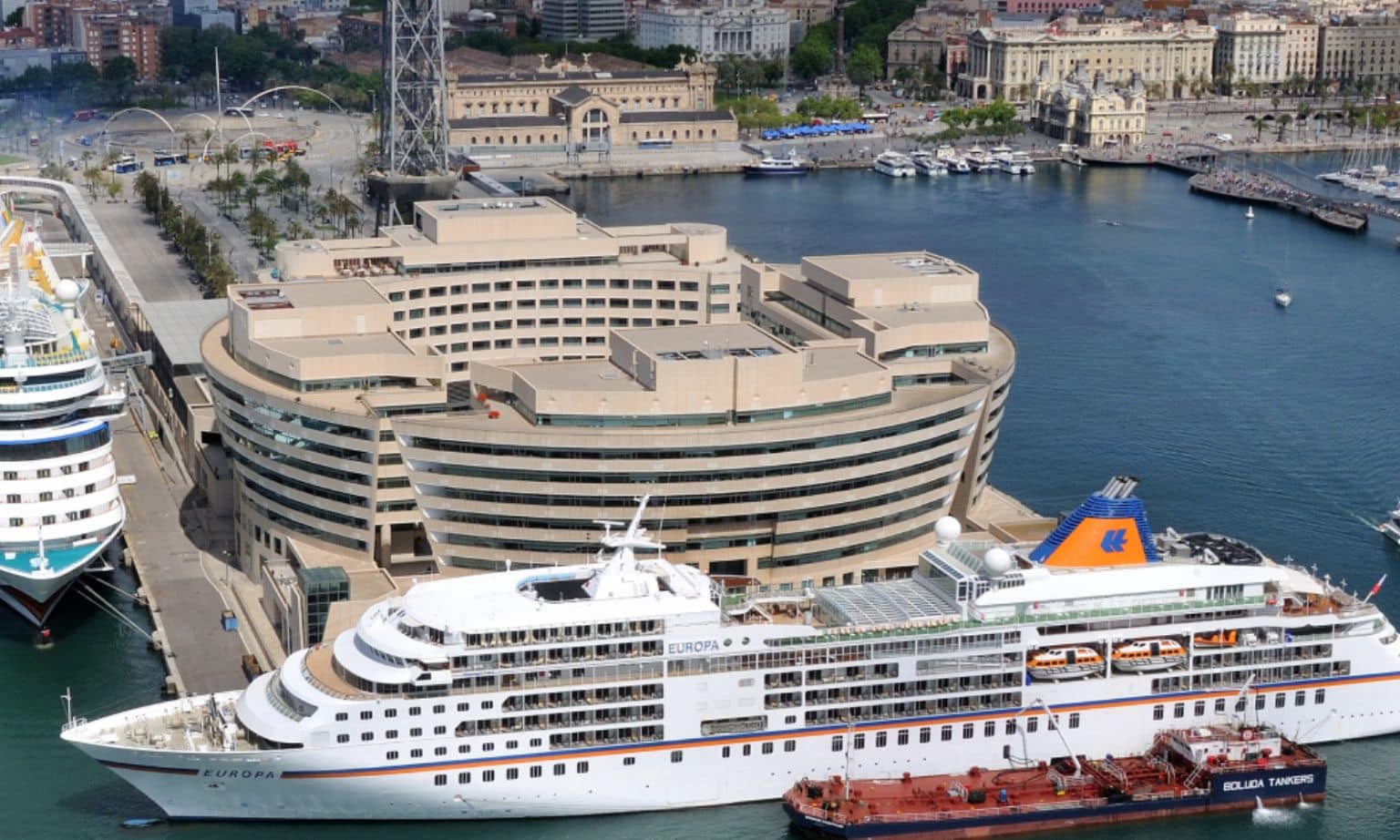
Barcelona has made a bold statement by doubling its cruise passenger tourist tax, from €4 (approximately $6.54 USD) to €8 (approximately $13.07 USD). Mayor Jaume Collboni explicitly stated the intention behind this hike: to "discourage the arrival of cruise passengers." This policy shift is part of a larger plan to scale back cruise infrastructure, reducing the number of cruise terminals in the city from seven to five. As a pivotal European cruise port and a classic starting point for Mediterranean itineraries, Barcelona’s actions carry considerable weight within the industry.
Alaska: Implementing Passenger Caps
Juneau, a key cruise port in Alaska, has introduced its first season with a daily passenger cap of 16,000, with a reduced limit of 12,000 on Saturdays. The town, with a population of approximately 30,000, aims to stabilize cruise traffic and alleviate pressure on its local community. While these current caps are considered modest and unlikely to significantly impact overall tourism figures for Juneau or the wider region, local authorities have previously advocated for more stringent measures, including days with no ship arrivals. This suggests a potential for stricter regulations in the future.
Australia: Increasing Travel Charges
Australia, already known for its regulatory complexities and high costs for cruise lines, has added another financial burden. The recent federal budget saw an increase in the Passenger Movement Charge from $70 to $80 for international travelers, including cruise passengers departing the country. CLIA expressed strong disappointment, stating that this increase "places yet another burden on travellers at a time when the tourism community is working hard to overcome challenges at home and overseas." They highlighted that Australia already imposes some of the highest fees globally, potentially deterring international visitors and diminishing the country’s competitiveness in the global cruise market.
Amsterdam: Phasing Out Ocean Cruising
Amsterdam has emerged as a prominent example of a city proactively curtailing cruise tourism, with plans to significantly reduce both ocean and river cruise operations. Current projections indicate Amsterdam’s aim to entirely phase out ocean cruising by 2035. The city has already imposed limitations, restricting ocean ship visits to 100 per year and permitting only one ship per day. Furthermore, starting from next year, all ships will be mandated to utilize shore power. Despite cruise passengers representing a small fraction of Amsterdam’s total visitors, the city’s clear intention is to eliminate this segment of tourism within the next decade.
Santorini: Strict Controls and New Fees
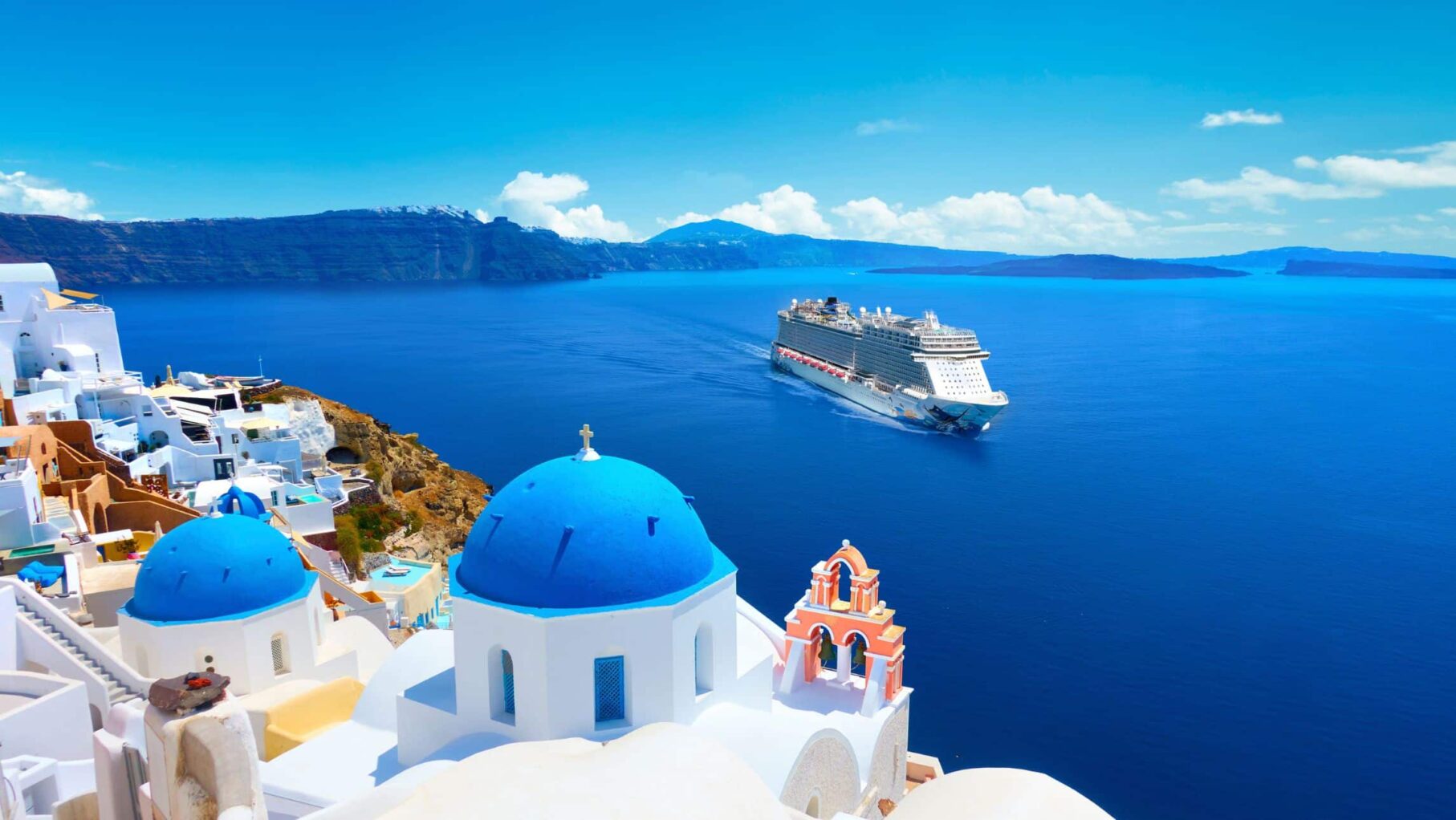
The iconic Greek island of Santorini, a destination heavily impacted by both cruise ship arrivals and land-based tourism, is implementing strict measures to manage visitor numbers. Recognizing the logistical complexities of limiting land-based tourists, authorities are focusing on cruise ship arrivals. A daily passenger cap of 8,000 has been instituted, alongside a new disembarkation fee of US$23 (approximately AU$32). These changes to the embarkation and disembarkation processes are expected to lead to a notable reduction in cruise visitor numbers to the island.
Dubrovnik: Managing Visitor Flow
Dubrovnik, another historic European city, has also introduced significant restrictions on cruise tourism. The city now limits concurrent cruise visitors to 4,000 and requires staggered ship arrival and departure times, moving away from scenarios where multiple ships occupied the port for the entire day. While Dubrovnik collaborated with CLIA on these adjustments, the new regulations are anticipated to have a discernible impact on how cruise operations function within the charming Croatian town.
The Path Forward: A Call for Collaboration
The confluence of these regulatory actions across diverse global destinations underscores a critical juncture for the cruise industry. While the economic benefits of cruise tourism are undeniable, the increasing pressures from local communities regarding overtourism, environmental impact, and quality of life necessitate a proactive and collaborative approach. Moving forward, finding a sustainable equilibrium between the economic opportunities offered by cruise lines and the preservation of local environments and resident well-being will be paramount. This will likely involve ongoing dialogue, innovative solutions from the industry, and adaptive governance from destination authorities to ensure the long-term viability of cruise tourism in a responsible and mutually beneficial manner.



 Anjar Salim
 Tatiana Tantri Indah Sari
 Budi Mulyono
 Lukman Taruna Persada Ramadan
