
 Susilo Edi Turonggo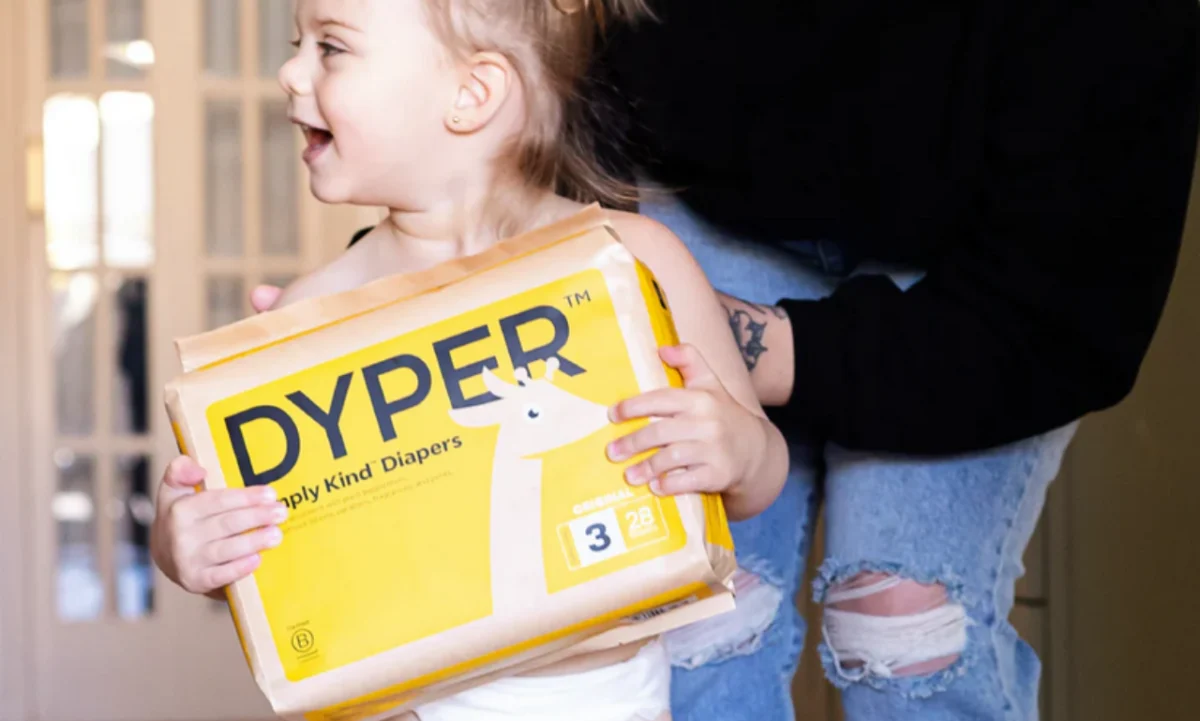
The sheer volume of waste generated by infants represents a significant, often overlooked, environmental challenge, with traditional disposable diapers standing as a primary culprit in global landfills and a potential health concern for the youngest members of society. Most babies utilize approximately 6,000 disposable diapers within their first two years of life, contributing to an estimated 20 billion diapers entering landfills annually in the United States alone. Globally, this figure swells to hundreds of billions, creating a pervasive environmental burden that takes centuries to decompose. While reusable cloth diapers offer an alternative, their demanding washing routines often prove impractical for the demanding schedules of modern parents, leading many to default to single-use options despite growing environmental consciousness.
Beyond the immediate waste problem, conventional single-use disposable diapers are increasingly recognized as a significant public health issue. These products, designed for convenience, are often laden with a complex cocktail of synthetic materials and chemicals, many of which raise alarm bells among health experts and environmental advocates. Every component, from the plastic backsheets and super-absorbent polymers (SAPs) to the dyes and fragrances, is under scrutiny. The inclusion of fragrances, in particular, has puzzled many, given that they serve no functional purpose beyond masking odors and frequently contain phthalates and other volatile organic compounds (VOCs) known to be skin irritants and endocrine disruptors.
Research has linked exposure to chemicals commonly found in traditional disposable diapers to a spectrum of adverse health effects in infants and children. These include acute skin rashes, persistent irritation, and more severe concerns such as endocrine and reproductive disorders. Worryingly, some studies suggest a potential correlation with conditions like testicular cancer later in life, raising profound questions about long-term exposure to these substances during critical developmental stages. A significant regulatory gap exacerbates these concerns: the Consumer Product Safety Commission (CPSC) in the United States only mandates testing for lead in baby diapers, leaving a vast array of other potentially harmful chemicals—including known carcinogens, endocrine-disrupting chemicals (EDCs), and allergens—unregulated and undisclosed. This lack of comprehensive oversight means that parents often remain unaware of the full chemical profile of products in constant contact with their babies’ sensitive skin.
The Environmental Imperative: A Diaper Dilemma
The scale of the disposable diaper problem is staggering. Each conventional disposable diaper is primarily composed of plastics (polypropylene, polyethylene), cellulose pulp, and super-absorbent polymers (sodium polyacrylate). These materials are not biodegradable in typical landfill conditions, meaning they persist for an estimated 250 to 500 years, slowly leaching chemicals into soil and groundwater. The sheer volume of this non-biodegradable waste occupies significant landfill space, contributing to greenhouse gas emissions through decomposition in anaerobic environments and posing a constant challenge for waste management systems worldwide.
The production process itself carries a heavy environmental footprint. Manufacturing conventional diapers requires substantial amounts of crude oil for plastics, trees for pulp (often bleached with chlorine, creating dioxins), and water. The transportation of raw materials and finished products further adds to carbon emissions. While cloth diapers offer a reusable alternative, their environmental impact is also complex, involving significant water and energy consumption for washing, drying, and sanitizing. This creates a difficult choice for parents, often forcing a compromise between convenience, cost, and environmental responsibility. The search for a truly sustainable, yet practical, solution has long been a pressing concern for environmentally conscious families.
Health Concerns: Beyond the Landfill
The intimate and prolonged contact between a baby’s delicate skin and a diaper underscores the importance of its chemical composition. Beyond the well-documented issue of diaper rash, which can be exacerbated by synthetic materials and fragrances, the presence of various chemicals in traditional disposable diapers raises broader systemic health concerns. Phthalates, often used to make plastics more flexible and sometimes present in fragrances, are known endocrine disruptors, interfering with hormonal systems critical for development. Parabens, used as preservatives, have also been linked to endocrine disruption. Chlorine bleaching, common in the production of wood pulp for diapers, can create dioxins, highly toxic compounds associated with developmental and reproductive problems, immune system damage, and cancer. Latex, a common allergen, is also present in some diaper components. The cumulative effect of these exposures during infancy, a period of rapid growth and vulnerability, is a significant area of ongoing scientific inquiry and public health concern.
The Genesis of Dyper: A Father’s Frustration and an Engineer’s Vision

The turning point for Tony Patron, founder of what would become REDYPER™ and later Dyper, arrived not in a lab, but in a very relatable household scenario: an overflowing trash bin. As a new father, Patron acutely experienced the weekly deluge of plastic-laden disposable diapers, a stark visual representation of the waste generated by just one baby. This personal frustration, coupled with his background as an engineer, ignited a drive to find a better way. Engineers are problem-solvers by nature, and Patron recognized the immense challenge and opportunity within the disposable diaper industry—an industry ripe for disruption through sustainable innovation.
His initial exploration involved seeking partnerships with companies already developing compostable diaper technologies. This collaborative spirit eventually led to the formation of Dyper, a company built on the core principle of creating high-performance, non-toxic, and biodegradable diapers that fundamentally reduce both household and environmental waste. The vision was clear: to offer parents a product that didn’t force a compromise between their baby’s health, their own convenience, and the planet’s well-being. This entrepreneurial journey from personal observation to pioneering a new industry standard reflects a growing trend of founders addressing systemic environmental issues through innovative product development.
Dyper’s Innovative Approach: Redefining the Disposable Diaper
Dyper distinguishes itself through a rigorous commitment to plant-based materials and transparent sourcing. The company’s product development team meticulously works to maximize the biodegradability of its diapers, understanding that every component contributes to the overall environmental footprint. Their philosophy is simple: provide a diaper that not only performs on par with conventional market leaders in terms of absorbency, fit, and comfort, but also ensures zero skin irritation and minimal environmental impact. Patron emphasizes this dual commitment: "Our goal is to provide a diaper that performs equally to any other diaper on the market in terms of absorbency, fit, and comfort, and ensuring that we don’t have any skin irritation."
Central to Dyper’s innovation is its material science. The diapers are crafted primarily from FSC-certified bamboo and eucalyptus fibers, responsibly sourced from US-grown plants. Bamboo, in particular, is lauded for its rapid growth, renewability, and natural softness. The viscose bamboo used by Dyper comes from an Oeko-Tex certified supplier, assuring that it is free from harmful substances. To foster complete transparency, the brand meticulously labels each layer of its diapers with its specific components, empowering conscious parents to make informed choices.
Dyper’s commitment to sustainability extends to its certifications. Its diapers are Certified USDA BioPreferred 55% Product, indicating a significant portion of biobased content, while its wipes achieve an impressive Certified USDA BioPreferred 95% Product status. Furthermore, the products meet stringent Oeko-Tex standards, confirming they are free from harmful substances. Most recently, Dyper obtained the prestigious DermaTest 5-Star Certification, an independent dermatological seal of approval guaranteeing that the diapers are extremely gentle on skin and will not cause any skin reactions, a critical assurance for parents concerned about their baby’s delicate epidermis. This multi-layered approach to certification and material selection underscores Dyper’s dedication to both environmental stewardship and infant health. Independent third-party lab testing further validates their claims regarding non-toxicity and compostability, building consumer trust in a market often plagued by "greenwashing."
The "Plants Over Plastic" Philosophy: Benefits for Baby and Planet
The core tenet of Dyper’s mission is "plants over plastic for happy babies." By meticulously selecting plant-based materials and consciously avoiding harmful chemical additives, Dyper delivers diapers free from a litany of irritants commonly found in conventional supermarket brands. This includes phthalates, latex, parabens, chlorine, alcohol, and fragrances. The absence of these synthetic compounds and allergens means the natural fibers are inherently gentler on a baby’s delicate skin, significantly reducing the risk of rashes and irritation. Moreover, parents can rest assured that the materials are responsibly sourced, adhering to high ethical and environmental standards.
Beyond skin health, Dyper diapers are engineered for superior performance. Despite being made from over 50% plant-based materials, they are designed to be highly absorbent, preventing leaks and keeping babies dry and comfortable. This blend of ecological responsibility and practical efficacy ensures that parents do not have to compromise on functionality when choosing a sustainable option. The "plants over plastic" philosophy extends beyond the product itself to its packaging, with Dyper utilizing sustainable materials wherever possible to minimize its overall environmental impact. This holistic approach signals a deep commitment to reducing waste at every stage of the product lifecycle.
The REDYPER Program: Closing the Loop on Diaper Waste
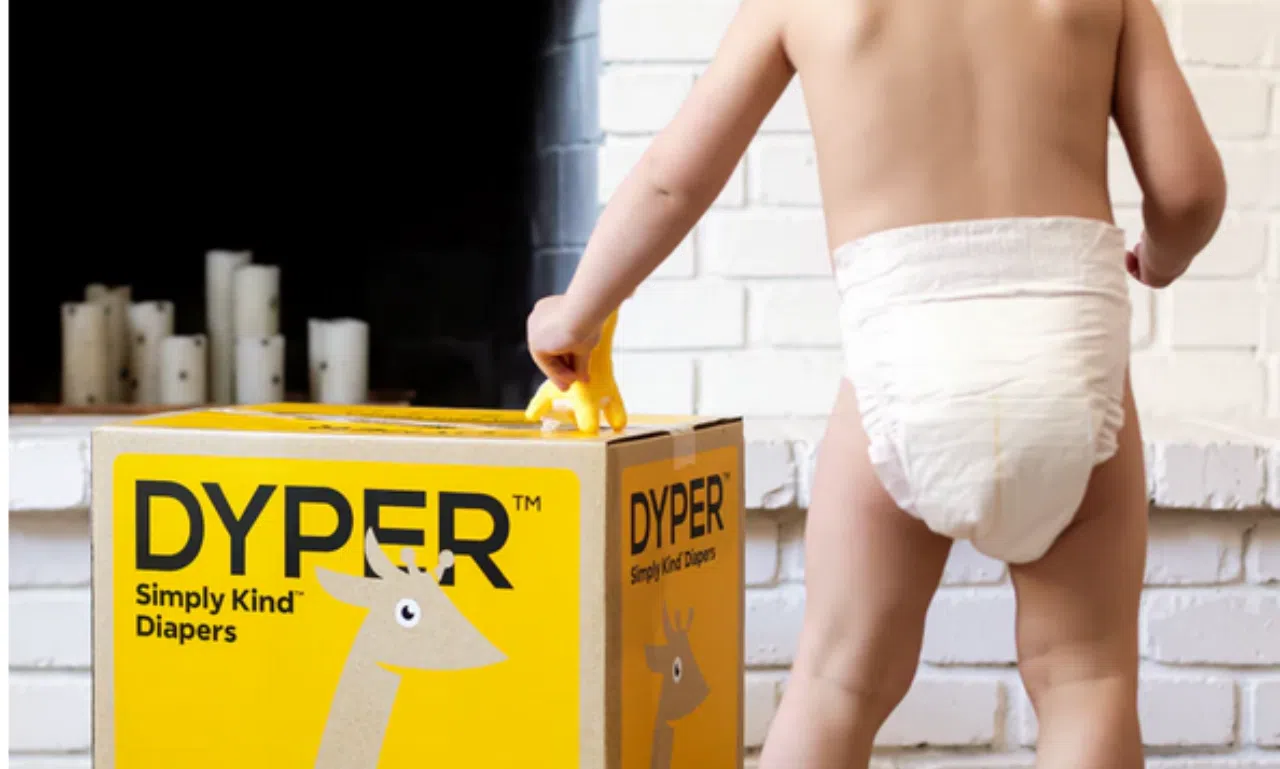
One of Dyper’s most groundbreaking innovations is its optional REDYPER program, a first-of-its-kind service designed to close the loop on disposable diaper waste. Recognizing that even biodegradable diapers need proper infrastructure to break down, REDYPER offers a convenient solution for parents to responsibly dispose of used diapers and wipes. The program operates through a subscription model, offering weekly or biweekly pickup services in select areas, or a mail-back option using special bags provided by the company.
Once collected, the used diapers are transported to partner composting facilities. These industrial composting sites are equipped to handle organic waste efficiently, breaking down the plant-based materials within 14 to 16 weeks. It’s important to note that while the vast majority of Dyper’s diaper components are plant-based and compostable, certain elements like the velcro tabs, for which biodegradable alternatives are not yet widely available or functionally viable, are carefully removed from the compost stream and disposed of through conventional means. This transparent approach acknowledges current technological limitations while striving for maximum environmental benefit.
The impact of the REDYPER program has been substantial. As of today, it has successfully diverted over 14 million pounds of waste from landfills, a testament to its effectiveness and scalability. This figure highlights the program’s potential to significantly reduce the environmental burden of diaper waste on a national scale, offering a tangible solution to a pervasive problem. The logistical complexities of collecting and composting diapers across diverse geographies are considerable, but Dyper’s dedication to building out this infrastructure demonstrates a pioneering spirit in sustainable waste management.
Broader Implications and Market Impact
Dyper’s emergence represents a significant shift in the disposable diaper market, an industry historically dominated by a few large players with conventional plastic-heavy products. The company is at the forefront of a growing movement towards sustainable consumer goods, driven by increasing consumer awareness and demand for eco-friendly and safe baby products. By offering a high-performance, non-toxic, and compostable diaper solution, Dyper is effectively disrupting the status quo, challenging competitors to innovate and rethink their own product offerings.
The success of Dyper and the REDYPER program has broader implications. It demonstrates the viability of closed-loop systems even for complex waste streams like hygiene products. It also puts pressure on regulatory bodies to consider more comprehensive testing and disclosure requirements for baby products. Furthermore, Dyper’s model serves as an inspiration for other industries grappling with single-use product waste, proving that with innovative materials and robust logistical solutions, significant environmental improvements are achievable. The growth of companies like Dyper can catalyze investment in composting infrastructure and accelerate the development of fully biodegradable materials for all product components.
Challenges and Future Outlook
While Dyper has made remarkable strides, challenges remain. Scaling the REDYPER program to cover all regions nationwide requires significant investment in logistics and partnerships with composting facilities, which are not uniformly available across the United States. Consumer education is also crucial, as many parents may not be aware of the health and environmental issues associated with conventional diapers, nor the existence of viable sustainable alternatives like Dyper.
Looking ahead, Dyper’s future goals include expanding the reach of its REDYPER program, continuing research and development into even more sustainable materials, and ultimately striving for a 100% biodegradable diaper. The company’s commitment to innovation is unwavering, driven by its core philosophy and the continuous pursuit of a healthier planet and happier babies.
In conclusion, Dyper is not merely offering an alternative diaper; it is presenting a comprehensive solution to a multifaceted environmental and health crisis. By prioritizing plant-based, non-toxic materials and implementing a revolutionary composting program, Dyper is setting a new standard for baby care products. With Dyper, parents no longer have to choose between functional diapers and sustainable ones; they are choosing a commitment to sustainability, transparency, and superior baby care, ensuring both their infants and the planet thrive. The company offers subscriptions and one-time purchases in a wide range of sizes, making access to these innovative products convenient and hassle-free.




 Anjar Salim
 Chandra Hamzah
 Tatiana Tantri Indah Sari
 Budi Mulyono
 Lukman Taruna Persada Ramadan
