
 Budi Mulyono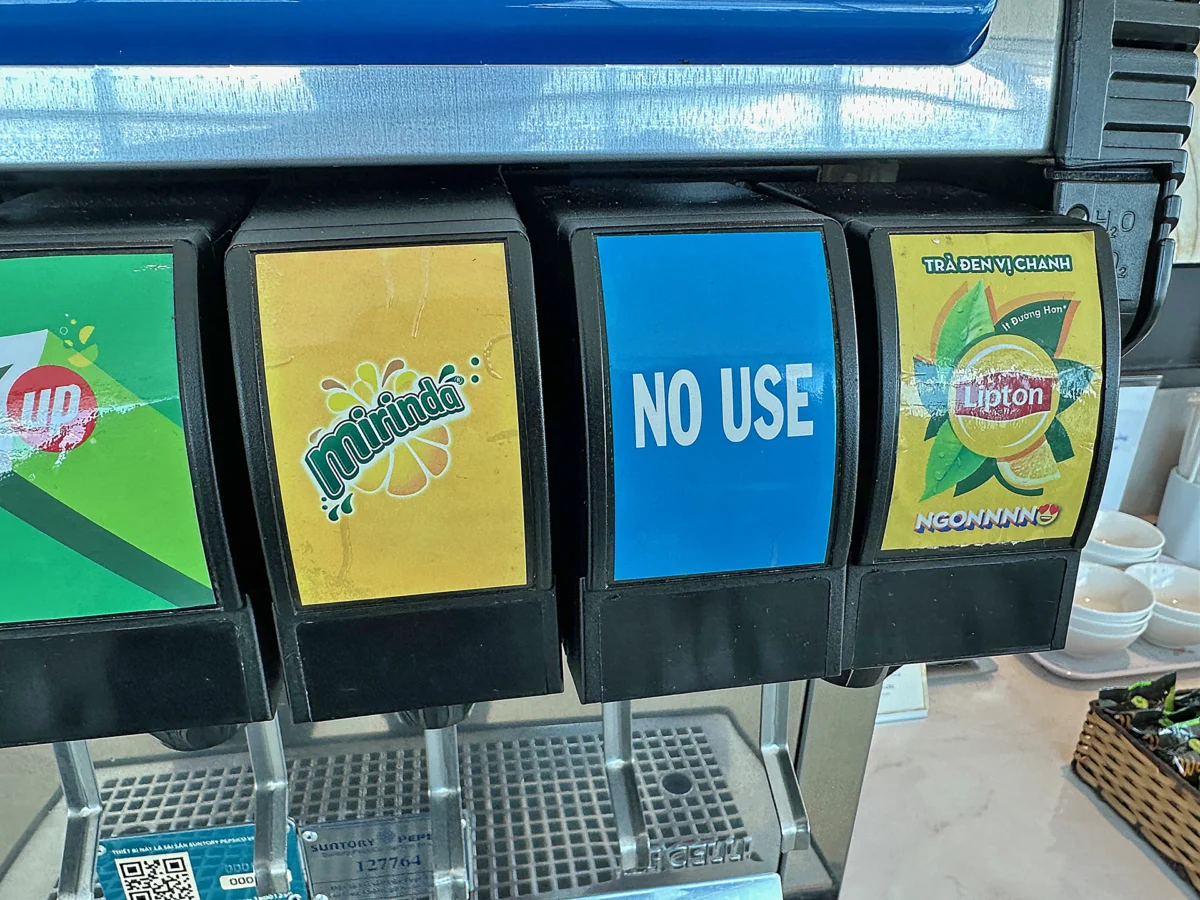
The long-running digital engagement series "What Is Wrong With This Photograph?" has reached its 354th installment, continuing a tradition of challenging readers to identify subtle anomalies, technical errors, or humorous contradictions in visual media. This latest edition shifts its focus from physical travel photography to the digital realm, presenting a screenshot associated with the remote support platform Set.me. The series, curated by Brian Cohen at "The Gate," has become a staple for observers of travel, technology, and everyday oddities, fostering a community of detail-oriented readers who analyze images for discrepancies that often escape the casual observer.
Analyzing the Anomalies in Part 354
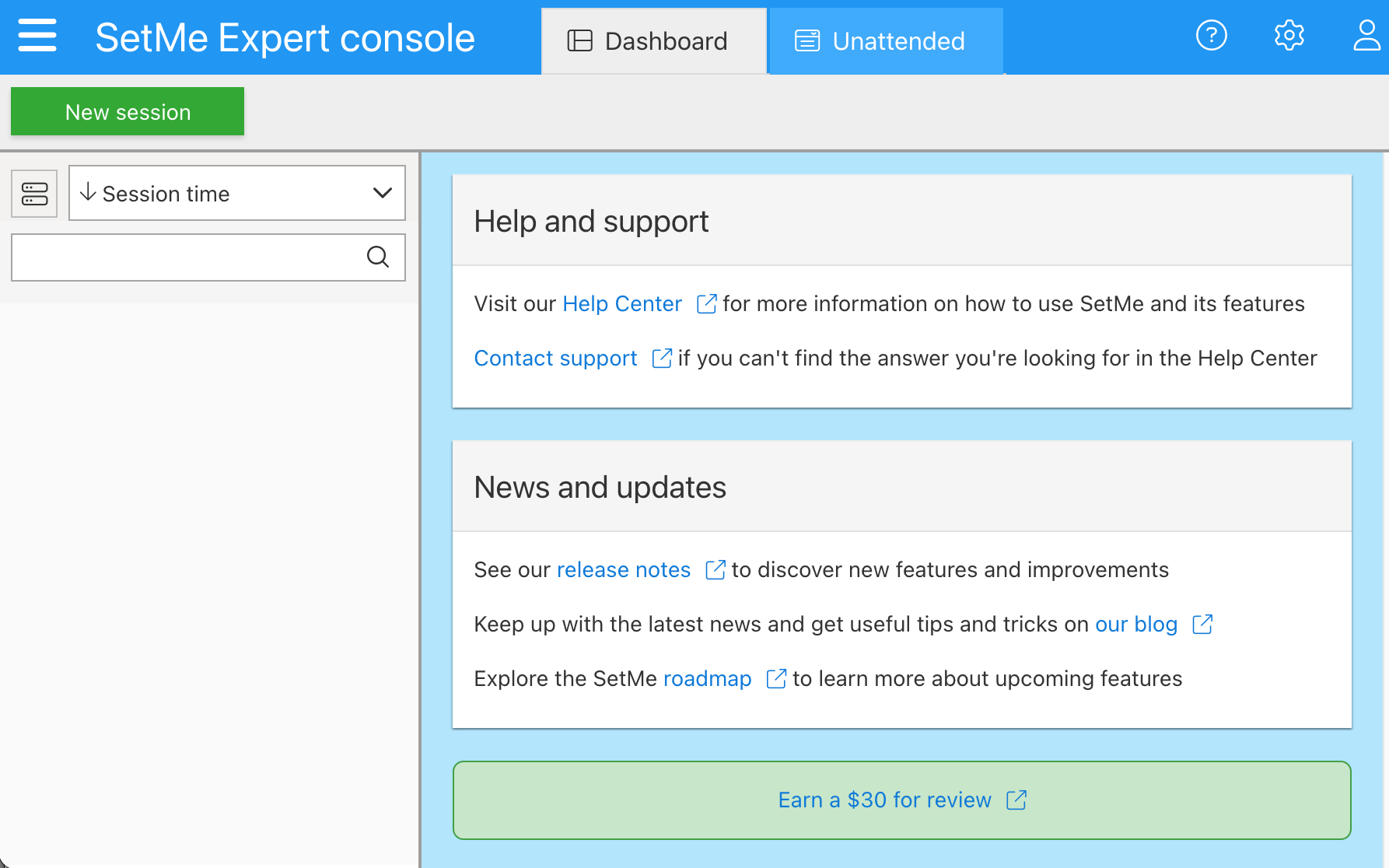
The focal point of Part 354 is a screenshot provided by Set.me, a software service designed for secure and reliable remote instant access. While the software itself is marketed for its robust features—including unlimited unattended device access, unlimited file transfers, and end-to-end encryption—the screenshot provided for the puzzle contains a glaring chronological inconsistency.
Upon close inspection of the image metadata and the source URL, the file is titled "Screenshot-2026-01-20-at-8.25.28-PM.png." Given that the context of the series and the surrounding digital environment indicates a timeline significantly earlier than the year 2026, the inclusion of a "future" date suggests a discrepancy in the system clock settings of the device used to capture the image. In the world of technical support and digital forensics, such anomalies are often the result of manual overrides in BIOS settings or testing environments where software is evaluated under simulated future conditions.
This specific error highlights the importance of system synchronization in professional environments. For a remote access tool like Set.me, which relies on precise logging for security audits and session tracking, a six-year deviation in the system clock could potentially lead to significant issues with SSL/TLS certificate validation and time-stamped activity logs.
Retrospective: The "NO USE" Beverage Dispenser of Part 353
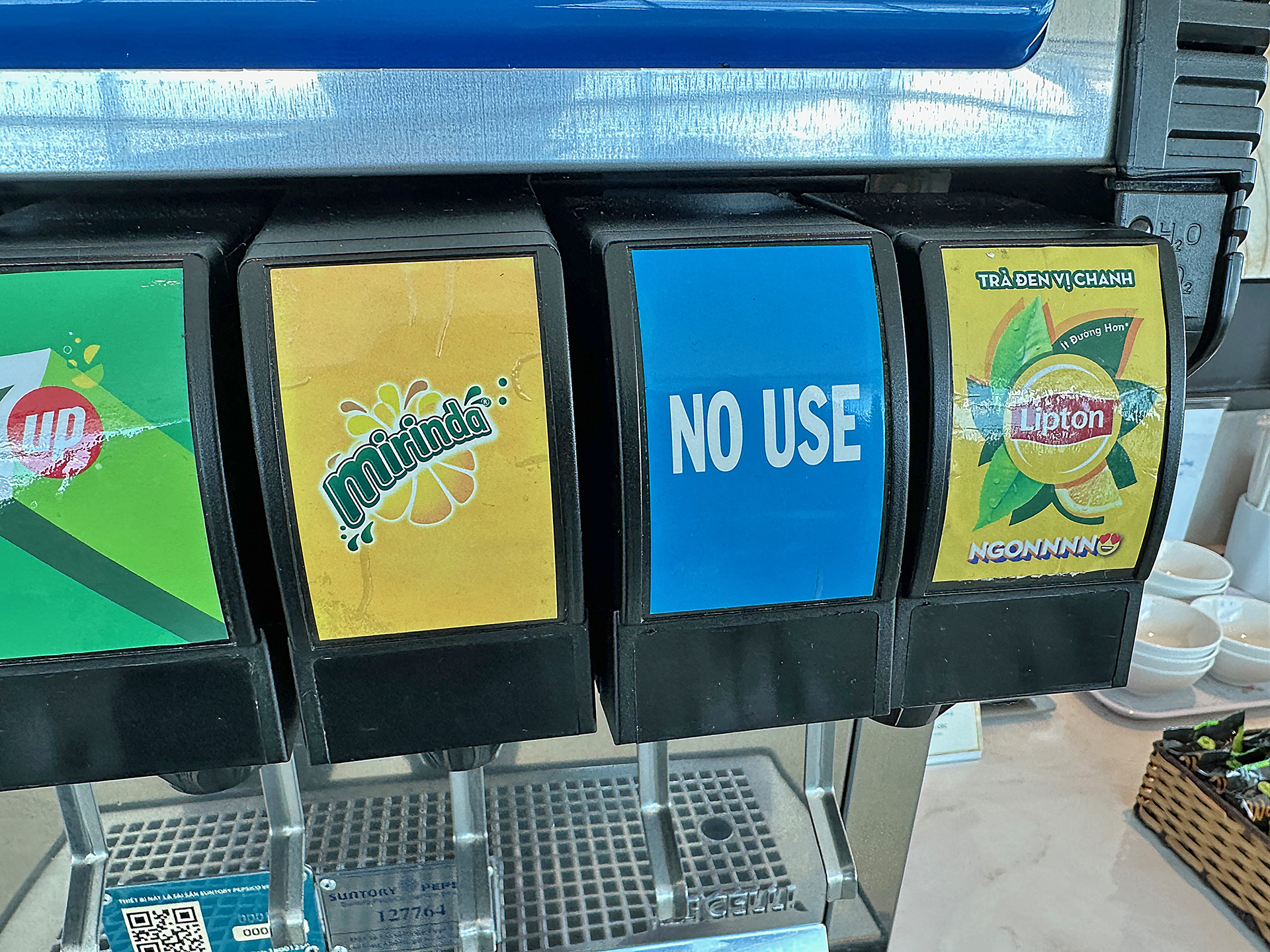
To provide context for the series’ methodology, Part 354 follows a recently resolved mystery in Part 353. That installment featured a photograph taken by Cohen at Tan Son Nhat International Airport in Ho Chi Minh City, Vietnam. While waiting for a connecting flight to Siem Reap, Cambodia, Cohen observed a beverage dispensing machine in an airport lounge that featured a peculiar label.
Among the standard options for soft drinks and water, one dispensing button was clearly marked with a printed sign reading "NO USE." The resolution of this puzzle involved both mechanical and legal interpretations. While some readers speculated that the machine was simply broken, others provided a more nuanced analysis regarding international licensing agreements.
A contributor identified as "derek" noted that Suntory PepsiCo Vietnam Beverage is the official distributor for brands such as 7 Up, Mirinda, and Lipton in the region. The analysis suggested that if a lounge operator attempted to dispense a product not covered by the distributor’s authorized portfolio, it would constitute a violation of the licensing agreement. Thus, the "NO USE" sign may have been a compliance measure rather than a technical failure. This highlights the complex logistical and legal frameworks that govern international transit hubs, where global brands must navigate local distribution rights.
Logistical and Licensing Frameworks in International Transit Hubs
The Tan Son Nhat International Airport (SGN) serves as a critical case study for the types of observations featured in this series. As the busiest airport in Vietnam, handling over 30 million passengers annually prior to recent global shifts, the facility operates as a high-pressure environment for vendors and service providers.
In such international gateways, the infrastructure—including food and beverage services—is often managed through a web of subcontractors and global partnerships. Suntory PepsiCo Vietnam, a joint venture between the Japanese Suntory Holdings and the American PepsiCo, holds a dominant market share in the Vietnamese beverage industry. Their operations are strictly regulated by territorial agreements. When an airport lounge, which may be managed by an independent entity like SASCO (Southern Airport Services Joint Stock Company), installs a machine branded by a specific distributor, they are contractually obligated to dispense only approved products.
The "NO USE" button is a physical manifestation of these invisible legal boundaries. It serves as a reminder that even in the seemingly mundane act of selecting a beverage, international commerce and intellectual property laws are at play.
Technical Specifications of Remote Access and Support Software
The inclusion of Set.me in Part 354 brings the discussion toward the evolution of remote work and technical support. Remote desktop protocol (RDP) and similar technologies have seen a surge in adoption as global workforce trends favor decentralized operations. Set.me positions itself in a competitive market alongside established players by emphasizing "absolute privacy" through encryption.
Key technical requirements for such platforms include:
- End-to-End Encryption (E2EE): Ensuring that data intercepted between the technician and the host computer remains unreadable.
- Unattended Access: The ability to access a remote computer without a human being present at the destination to "accept" the connection.
- Cross-Platform Compatibility: Seamless operation between different operating systems (Windows, macOS, Linux).
The screenshot anomaly in Part 354 serves as a cautionary tale for IT professionals. Accuracy in digital documentation is paramount; a screenshot intended for marketing or instructional purposes that contains a "future" date can undermine the perceived reliability of the software’s logging capabilities.
Chronology of the "What Is Wrong With This Photograph?" Series
The series has evolved through several distinct phases since its inception:
- Phase I: Physical Oddities (Parts 1–100): Early installments focused primarily on signage errors, construction blunders, and humorous typos found in hotel rooms and airports.
- Phase II: Travel Logistics (Parts 101–250): The focus shifted toward airline seating configurations, boarding pass errors, and airport gate discrepancies.
- Phase III: Digital and Metadata Analysis (Parts 251–Present): Recent installments, like Part 354, increasingly look at screenshots, website coding errors, and metadata inconsistencies, reflecting the digitized nature of modern travel and business.
This progression mirrors the broader shift in how individuals consume information. We are no longer just looking at the world through a camera lens; we are looking at the world through interfaces, making the "digital glitch" a new frontier for observational puzzles.
Community Engagement and the Crowdsourcing of Observations
A defining characteristic of this series is its reliance on "the wisdom of the crowd." By inviting readers to submit their own photographs and screenshots, the series functions as a decentralized audit of the modern world. The criteria for submission are specific: contributors must provide the context of the image, the location (if applicable), and the specific reason why the image is noteworthy.
This crowdsourced model has led to the identification of several significant real-world errors. In past editions, readers have identified:
- Inaccurate geographical maps in in-flight entertainment systems.
- Safety instructions in aircraft that contradicted the actual equipment present on the plane.
- Currency exchange boards displaying rates that were mathematically impossible based on market fluctuations.
These observations often go beyond mere entertainment, serving as a form of "citizen journalism" that holds corporations and service providers accountable for the accuracy of their public-facing information.
The Role of Metadata and System Timestamps in Digital Documentation
The error in Part 354—the 2026 timestamp—raises broader questions about the integrity of digital evidence. Metadata, which is "data about data," includes information such as the date an image was created, the device used, and the geographical coordinates of the shot.
In professional journalism and legal proceedings, metadata is used to verify the authenticity of an image. When a company like Set.me or a publication like "The Gate" shares a screenshot, the internal data of that file tells a story. If the timestamp is set to the future, it suggests a lack of "temporal integrity." This can be caused by something as simple as a CMOS battery failure on a motherboard, which causes the system clock to reset or jump to a default factory date, or it could be a deliberate setting for software "stress testing."
Broader Impact and Implications
The "What Is Wrong With This Photograph?" series serves a dual purpose. On the surface, it is a recreational challenge for readers. Beneath the surface, it is a study in human perception and the complexities of modern systems. Whether it is a beverage machine in Vietnam or a remote access screenshot from a tech firm, these "errors" reveal the friction points where human intent meets systemic constraints.
As the series continues toward its 400th installment, it remains a testament to the value of the "second look." In an era of rapid information consumption, the ability to pause and identify what is "wrong" with a picture is a skill that translates into better digital literacy, improved professional auditing, and a more critical eye toward the world at large.
The 2026 timestamp in Part 354 is more than just a typo; it is a reminder that in our highly connected, synchronized world, even the smallest oversight in a system clock can create a ripple of confusion that lasts for years—or, in this case, reaches into the future. Readers are encouraged to continue submitting their findings, ensuring that the series remains a vibrant repository of the world’s most interesting glitches.



 Chandra Hamzah
 Gabriela Annisa
 Tatiana Tantri Indah Sari
 Hendra Ismail
 Walid Sujud Trenggono