
 Tatiana Tantri Indah Sari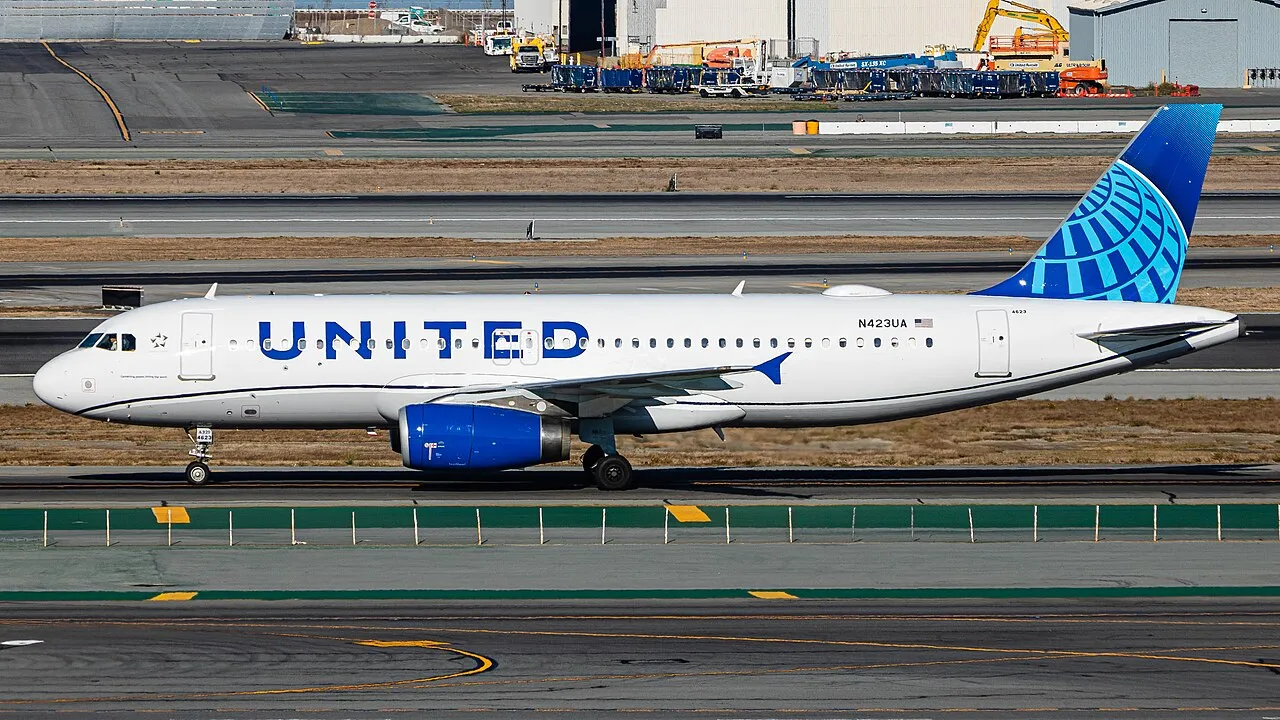
The United States airline industry is bracing for an unprecedented summer travel season, with projections indicating a record number of passengers are set to take to the skies, undeterred by persistently higher airfares. This robust demand signals a significant rebound and sustained enthusiasm for travel, particularly as the Memorial Day weekend kicks off the peak summer period. Data from the Federal Aviation Administration (FAA) reveals that carriers are preparing to operate as many as 54,000 flights during the busiest days of the Memorial Day travel weekend, a testament to the sheer scale of the anticipated operational surge.
Unprecedented Demand Fuels Record Projections
Major U.S. carriers, including American Airlines and United Airlines, have independently announced their expectations for a record-breaking summer. American Airlines, one of the nation’s largest carriers, anticipates flying approximately 75 million people between Memorial Day and Labor Day. This figure underscores a substantial increase in projected passenger volume, reflecting both the airline’s expanded capacity and a confident outlook on consumer willingness to travel. Similarly, United Airlines expects to transport around 53 million people during the same summer period, highlighting a consistent trend across the industry’s major players. These projections, if realized, would not only surpass recent post-pandemic figures but also potentially exceed pre-pandemic levels from 2019, which was previously considered a benchmark year for air travel.
The Memorial Day weekend serves as a critical bellwether for the entire summer season, and airlines are mobilizing extensive resources to manage the expected influx. For instance, American Airlines is scheduled to operate more than 6,800 flights on Friday alone of the Memorial Day weekend, demonstrating the intense operational tempo required to accommodate the initial wave of summer travelers. This heightened activity is not merely a recovery to previous levels but an ascent into new territory for passenger volumes, suggesting a fundamental shift in consumer priorities towards experiential spending.
The Enduring Appeal of Summer Travel Amidst Elevated Fares
Despite the economic headwinds and the reality of higher airfares, consumer appetite for travel appears insatiable. Several factors contribute to this phenomenon. Post-pandemic, there has been a sustained "revenge travel" effect, where individuals and families are eager to make up for lost travel opportunities. While some analysts initially predicted this surge might wane, it has instead evolved into a more entrenched pattern of prioritizing experiences over other discretionary spending. Consumers are demonstrating a remarkable resilience in their travel budgets, often willing to absorb increased costs for flights, accommodation, and related services to fulfill their vacation aspirations.
Data from various industry sources consistently shows that average domestic and international airfares have remained elevated compared to pre-pandemic levels, driven by a combination of factors including increased fuel costs, labor expenses, and a rebalancing of capacity in response to demand. For example, some reports have indicated average domestic round-trip fares were up by a notable percentage compared to the same period in 2019, even accounting for inflation. Yet, this has not translated into a significant drop in bookings. This suggests that for many, travel is no longer just a luxury but a perceived necessity for mental well-being, family connections, and personal enrichment. The perceived value of travel experiences is outweighing the monetary cost, indicating a strong consumer preference that airline executives are keenly observing and capitalizing on.
Operational Preparedness and Challenges
The anticipated record summer places immense pressure on the entire aviation ecosystem. The FAA’s role in managing air traffic control (ATC) becomes paramount, with its systems and personnel working to ensure safety and efficiency amidst the surge of 54,000 flights on peak days. The FAA has been actively engaged in efforts to modernize its air traffic control infrastructure and streamline operations, but the sheer volume of air traffic presents inherent challenges, including potential for delays due to weather, staffing limitations in critical ATC facilities, and unexpected operational disruptions.
Airlines themselves have invested heavily in operational preparedness following the turbulent summer seasons of 2022 and 2023, which saw widespread delays and cancellations attributed to staffing shortages, particularly among pilots, flight attendants, and ground crew. Carriers have embarked on aggressive hiring campaigns, enhanced training programs, and optimized scheduling to build a more resilient operational framework. However, the delicate balance between maximizing capacity to meet demand and maintaining operational integrity remains a constant challenge. Airport infrastructure also faces stress, with terminals, security checkpoints, and baggage handling systems needing to operate at peak efficiency to manage the increased passenger flow. Collaboration between airlines, airports, and the FAA is crucial to mitigate potential bottlenecks and ensure a relatively smooth travel experience for millions.
A Look Back: The Post-Pandemic Trajectory
The journey to this record-breaking summer has been one of significant recovery and adaptation for the airline industry. Following the unprecedented collapse of air travel in early 2020 due to the COVID-19 pandemic, carriers faced existential threats, necessitating government aid, massive capacity cuts, and workforce reductions. The initial rebound in 2021 was tentative, but 2022 marked a stronger resurgence, characterized by the initial wave of "revenge travel." The summer of 2023 saw further growth, though it was often marred by operational challenges as the industry struggled to scale up quickly enough to meet burgeoning demand.
This history provides crucial context for the current summer’s outlook. Lessons learned from previous seasons, particularly regarding staffing resilience and operational flexibility, have informed current strategies. Airlines have had more time to rebuild their workforces, fine-tune their networks, and implement technological solutions to improve efficiency. The confidence expressed by airline executives regarding their ability to handle the projected passenger volumes reflects these sustained efforts and investments over the past few years. This summer represents a culmination of the industry’s arduous journey back from the brink, transforming challenges into opportunities for sustained growth.
Shifting Booking Trends: The Experience Economy
A significant trend noted by airlines is the surge in bookings "around experiences." This indicates a shift in how consumers approach travel planning. It’s not just about getting from point A to point B; it’s increasingly about the destination, the event, or the unique activity that defines the trip. This trend manifests in various ways:
- Event-Driven Travel: Increased bookings for major sporting events, concerts, festivals, and cultural gatherings. Travelers are willing to plan their flights around specific dates and locations to attend these experiences.
- Destination-Specific Adventures: Growing interest in trips centered around national parks, adventure tourism, cruises, or niche cultural immersions.
- International Travel Revival: A strong preference for international destinations, often linked to major global events, specific cultural experiences, or long-deferred dream vacations.
- Group and Family Travel: A desire to reconnect with loved ones, leading to bookings for multi-generational family vacations or group trips, where the shared experience is paramount.
This "experience economy" mindset means that airlines are not just selling seats; they are facilitating aspirations. This understanding influences marketing strategies, route development, and partnerships with hospitality providers, all aimed at tapping into this profound consumer desire for memorable moments.
Voices from the Industry and Analyst Perspectives
Airline executives have consistently expressed optimism regarding the current travel climate. A spokesperson for a major U.S. carrier, speaking on background, noted, "We are seeing truly remarkable demand across our network, both domestically and internationally. Customers are prioritizing travel, and we are committed to delivering the reliable and enjoyable experience they expect." These sentiments are echoed by industry analysts who point to the resilience of the consumer.
Dr. Eleanor Vance, a prominent travel economist, commented in a recent industry brief, "The current surge is not merely a post-pandemic blip; it reflects a deeper societal shift where experiential spending holds increasing value. Consumers, particularly younger demographics, are allocating a larger portion of their discretionary income to travel, even in the face of inflationary pressures. This indicates a robust underlying demand that airlines can expect to capitalize on for the foreseeable future, provided they can manage operational complexities." Vance further highlighted that corporate travel, while still lagging leisure travel in some segments, is also showing signs of steady recovery, contributing to the overall positive outlook.
Broader Economic and Societal Implications
The booming airline industry has far-reaching economic implications beyond the carriers themselves. The record summer travel season is a significant boon for the broader tourism and hospitality sectors. Hotels, restaurants, rental car companies, tour operators, and local businesses in popular destinations stand to benefit immensely from the influx of travelers. This creates jobs, stimulates local economies, and contributes to regional GDPs.
Furthermore, the robust travel demand reflects a certain level of consumer confidence and economic stability, even amidst broader concerns about inflation and interest rates. It suggests that a significant portion of the population possesses the disposable income and willingness to engage in leisure activities. Societally, the ability to travel freely and widely contributes to cultural exchange, personal growth, and the strengthening of social bonds, reinforcing the role of aviation as a critical facilitator of global connectivity.
Looking Ahead: Sustaining Growth and Mitigating Risks
While the outlook for the summer is overwhelmingly positive, the industry remains vigilant about potential risks. Geopolitical events, unexpected economic downturns, or unforeseen operational challenges could impact future demand. However, the current trajectory suggests a strong and sustained recovery.
Airlines are continually evaluating their long-term strategies, including fleet modernization, investment in sustainable aviation fuels, and continued workforce development, to ensure they can not only meet current demand but also sustain growth in an environmentally and operationally responsible manner. The record-breaking summer of travel anticipated for 2024 is a clear indicator that the skies are busier than ever, signaling a new era for air travel defined by robust passenger numbers and an enduring human desire to explore.




 Anjar Salim
 Chandra Hamzah
 Budi Mulyono

