
 Budi Mulyono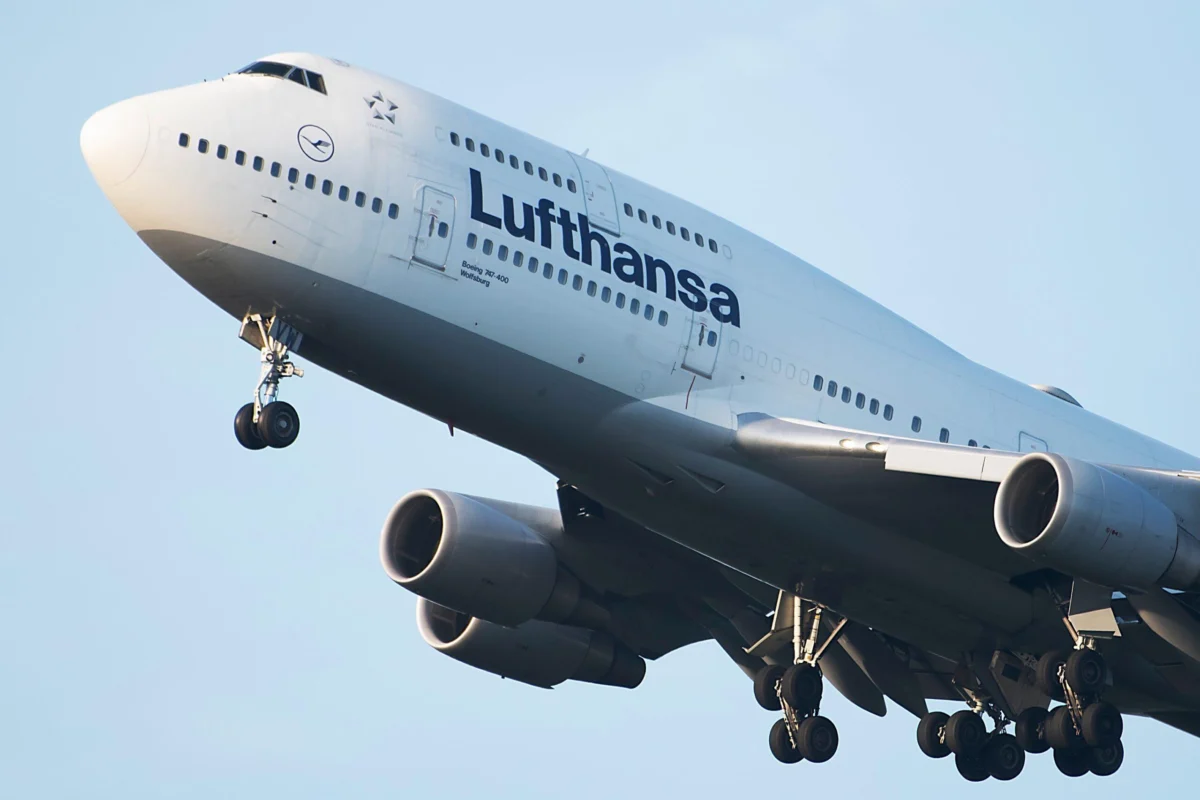
The Lufthansa Group, a titan of European aviation with a footprint spanning Germany, Austria, Switzerland, Italy, and Belgium, has officially moved to dispel concerns regarding potential flight disruptions this summer. Following a period of intense speculation and logistical anxiety triggered by geopolitical instability in the Middle East, the group’s executive leadership confirmed on Wednesday that the threat of mass cancellations due to jet fuel shortages has been effectively neutralized. Dieter Vranckx, Chief Commercial Officer of the Lufthansa Group, delivered a definitive statement intended to restore consumer confidence, asserting that the company’s suppliers have provided no indications of supply risks for the upcoming peak travel season. This reassurance comes as a relief to millions of travelers who had feared a repeat of the logistical bottlenecks that have occasionally plagued the industry in the post-pandemic era.
The stability of the European aviation sector was thrown into question earlier this year following a dramatic escalation of conflict in the Middle East. On February 28, the United States and Israel launched a significant military offensive against Iranian targets, an action that led to the immediate and indefinite closure of the Strait of Hormuz. As one of the world’s most critical maritime chokepoints, the Strait typically facilitates the passage of approximately 20% of the world’s total petroleum liquids consumption. For the European aviation industry, the closure was particularly alarming, as the United Kingdom and Continental Europe have historically relied on the Persian Gulf for the lion’s share of their Jet A-1 fuel imports.
The Geopolitical Catalyst and Initial Crisis Response
The closure of the Strait of Hormuz was not merely a logistical hurdle but a profound shift in the global energy landscape. Iran’s subsequent announcement that the waterway would remain shuttered to commercial shipping, coupled with threats of kinetic action against any vessels attempting to breach the blockade, necessitated an immediate pivot by Western energy firms. Initially, the impact on European airports was buffered by "inventory in transit"—fuel shipments that had cleared the Strait prior to the February 28 escalation and were already navigating the Cape of Good Hope or Mediterranean routes. However, as these reserves were depleted, the industry faced a looming "fuel cliff" that threatened to ground thousands of flights during the high-demand summer months.
In the weeks following the blockade, the Lufthansa Group took proactive, albeit cautious, measures to protect its operational integrity. This included the strategic cancellation of select short-haul frequencies to preserve fuel stocks for high-margin long-haul operations. These early interventions sparked fears among the traveling public that the summer of 2026 would be defined by empty gates and stranded passengers. However, the crisis also triggered a rapid reorganization of global supply chains. Fuel procurement officers moved with unprecedented speed to secure alternative sources, looking westward and northward to fill the vacuum left by Middle Eastern suppliers.
Strategic Diversification of Fuel Sources
The resolution of the supply crisis, as outlined by Vranckx, is the result of a massive redirection of energy logistics. "Imports are now increasingly reaching us from other continents—for example, from North America and Africa," Vranckx explained. This shift highlights the flexibility of the global energy market when faced with hard stops in traditional corridors. North American refineries, particularly those along the U.S. Gulf Coast, have stepped up exports to Europe, while emerging energy hubs in Africa have provided critical supplementary volumes.
Furthermore, the European domestic refining sector has undergone a period of intense mobilization. To mitigate the loss of Persian Gulf imports, refineries across Germany, France, and the Netherlands have optimized their "crack spreads"—the industrial process of refining crude oil into specific petroleum products—to prioritize jet fuel production. By operating at maximum capacity, these facilities have managed to narrow the supply gap significantly. The Nordic countries have also played a pivotal role, leveraging their robust energy infrastructure to provide a steady stream of fuel to Northern European hubs like Frankfurt, Munich, and Zurich.
The Economic Toll: Hedging Strategies and Financial Hits
While the physical availability of fuel has been stabilized, the financial ramifications of the crisis continue to reverberate through the balance sheets of Europe’s largest airline groups. The aviation industry utilizes a financial mechanism known as "hedging" to protect against volatility in energy prices. By purchasing fuel at a set price for future delivery, airlines can lock in costs and protect themselves from sudden price spikes. However, the effectiveness of a hedge depends entirely on the underlying commodity being tracked.
The Lufthansa Group currently holds a hedge for approximately 80% of its anticipated fuel needs through 2026. However, the group’s specific strategy has come under scrutiny. Rather than hedging specifically in jet fuel (kerosene), Lufthansa’s positions were primarily tied to crude oil and gasoil. While these commodities generally move in tandem with jet fuel, the extraordinary circumstances of the Strait of Hormuz closure caused a "decoupling" of prices. The scarcity of refined jet fuel caused its price to skyrocket even as crude oil prices remained relatively stable due to increased production in the Americas. Consequently, Lufthansa has been forced to absorb an estimated $1 billion loss on its hedging positions, a significant financial blow that underscores the complexity of energy procurement in a volatile geopolitical climate.
In contrast, other major players in the European market present a mixed financial picture:
- Ryanair: The Dublin-based low-cost carrier has traditionally been a leader in aggressive hedging. The airline has secured roughly 80% of its fuel needs through 2027, positioning it well to maintain its low-fare model despite market turbulence.
- International Airlines Group (IAG): The parent company of British Airways and Iberia faces higher exposure. IAG has hedged 75% of its needs for the first quarter of 2026, but this protection tapers off significantly toward the end of the year, dropping to just 50% by the fourth quarter. This leaves the group vulnerable to any further price shocks in the latter half of the year.
Market Consolidation and the Risk to Smaller Carriers
The current environment has created a stark divide between well-capitalized airline groups and smaller, independent carriers. Michael O’Leary, the outspoken CEO of Ryanair, has been vocal about the potential for industry consolidation as a direct result of the fuel crisis. Airlines that lack the financial liquidity to engage in robust hedging programs are currently purchasing fuel at "spot prices," which remain elevated due to the increased logistical costs of rerouting shipments around the African continent.
O’Leary has signaled that the coming months could see a wave of bankruptcies among smaller European airlines that were already struggling with debt following the pandemic. While O’Leary has stated that Ryanair is not interested in acquiring failing airlines in their entirety—citing the complexities of integrating different fleets and corporate cultures—he has made it clear that Ryanair stands ready to "snap up assets," such as lucrative takeoff and landing slots at primary airports, should competitors fall into liquidation. This predatory stance suggests that the post-crisis aviation landscape in Europe may be more consolidated, with a few "super-groups" dominating the market.
Implications for the Summer Travel Season
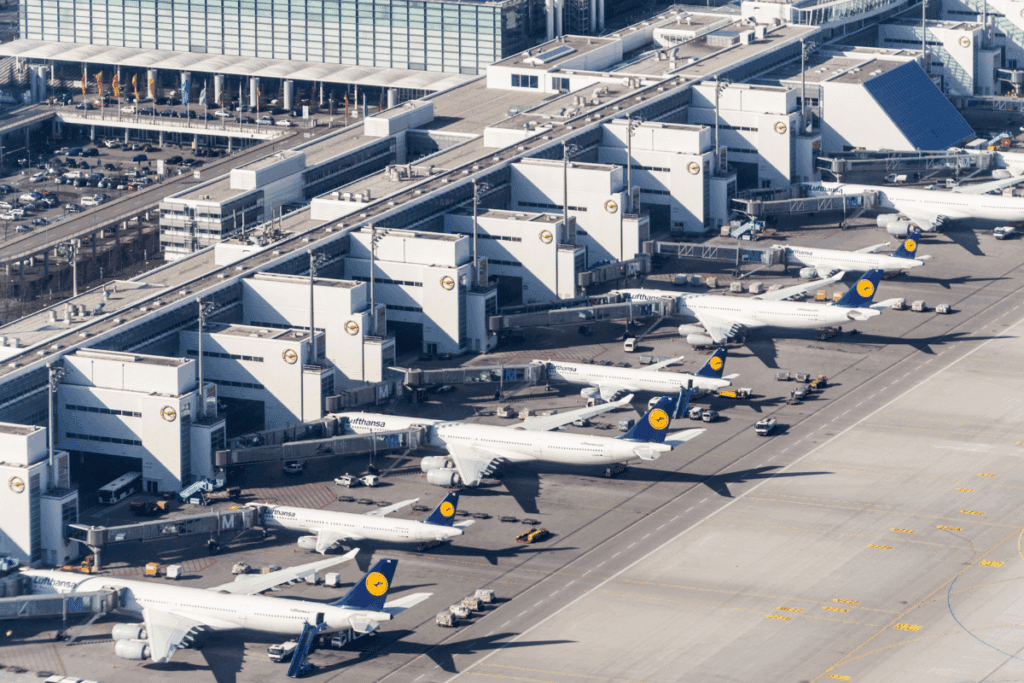
For the average consumer, the Lufthansa Group’s announcement is a signal that the "operational" risk of travel has decreased, even if the "economic" cost remains high. The stabilization of supply ensures that schedules for Lufthansa, Austrian Airlines, Brussels Airlines, ITA Airways, and SWISS International Air Lines will likely proceed as planned. Similarly, budget subsidiaries like Discover Airlines and Eurowings are expected to maintain their holiday flight programs.
However, industry analysts warn that while flights may not be canceled, ticket prices are unlikely to see a downward trend. The added costs of sourcing fuel from more distant markets, combined with the hedging losses sustained by major carriers, are expected to be passed on to the consumer in the form of fuel price surcharges and higher base fares. Travelers are encouraged to book early to lock in current rates, as the market remains sensitive to any further developments in the Middle East.
Conclusion and Future Outlook
The Lufthansa Group’s successful navigation of the jet fuel shortage serves as a case study in industrial resilience. By diversifying supply chains and leaning on domestic refining capacity, the group has managed to avert a systemic collapse of its summer schedule. Nevertheless, the $1 billion hedging loss serves as a sobering reminder of the financial risks inherent in global aviation.
As the industry moves into the peak summer months, the focus will shift from "fuel availability" to "cost management." The closure of the Strait of Hormuz has forced a permanent rethink of European energy security, with a greater emphasis now being placed on reducing dependence on Middle Eastern transit routes. In the long term, this crisis may accelerate the adoption of Sustainable Aviation Fuel (SAF) and other alternative energy sources as European carriers seek to insulate themselves from the volatile geopolitics of the Persian Gulf. For now, however, the message from Frankfurt is clear: the planes will fly, and the summer season is "good to go."




 Anjar Salim
 Chandra Hamzah
 Tatiana Tantri Indah Sari
 Lukman Taruna Persada Ramadan
