
 Chandra Hamzah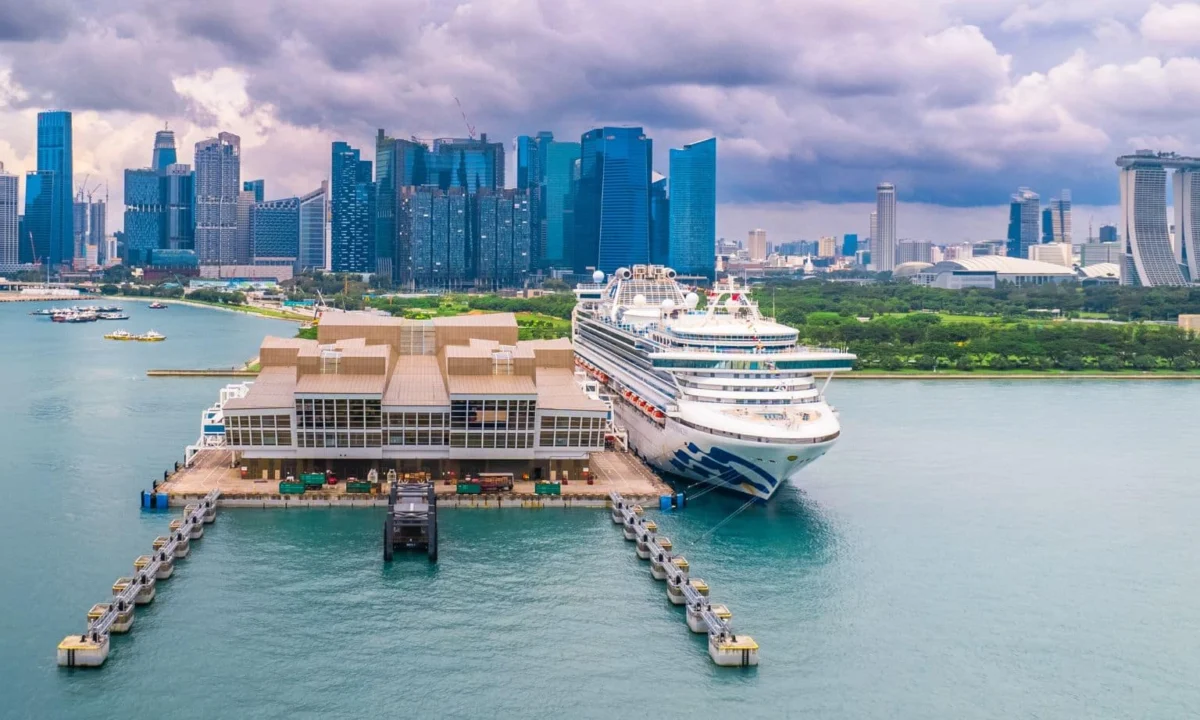
Princess Cruises has announced a pivotal three-year strategic partnership with the Singapore Tourism Board (STB), a collaboration poised to dramatically amplify the cruise line’s presence in Singapore and double its sailings from the city-state by 2030. This significant expansion directly addresses the burgeoning global trend towards the fly-cruise market, with Australia identified as a primary target demographic due to its robust air connectivity with Singapore. The partnership signals a substantial investment in Asia Pacific as a key growth region for the cruise industry, leveraging Singapore’s strategic location and world-class infrastructure.
The ambitious initiative will see three of Princess Cruises’ well-appointed vessels – the Diamond Princess, Sapphire Princess, and Grand Princess – homeport in Singapore. These ships will introduce a diverse array of new itineraries, designed to cater to the growing demand for longer and more immersive travel experiences. Supported by funding from Singapore’s Cruise Development Fund, these voyages will range from 10 to 28 days, offering passengers ample opportunity to explore a wide spectrum of destinations across the Asia Pacific region.
Expanding Horizons: New Itineraries and Immersive Experiences
The newly crafted itineraries will feature a compelling mix of round-trip sailings from Singapore to popular Southeast Asian hubs such as Vietnam, Malaysia, and Thailand. Complementing these regional explorations, Princess Cruises will also offer extended voyages connecting Singapore with the captivating landscapes and rich cultural heritage of Japan. This dual approach allows for both focused regional exploration and deeper dives into more distant and culturally significant locales.
Passengers embarking on these voyages can anticipate a richly curated selection of shore excursions designed to provide authentic and memorable experiences. Examples include navigating the serene mangrove waterways along the Kilim River in Langkawi, delving into the ancient history and vibrant culture of Vietnam with visits to historical temples in Hoi An, and experiencing the spiritual tranquility of the mountaintop Buddhist retreat at Fokuangshan Monastery in Kaohsiung, Taiwan. These excursions are meticulously planned to offer a deeper understanding and appreciation of the diverse cultures and natural beauty of the destinations.
The increased deployment of Princess Cruises’ fleet in Singapore is projected to attract over 150,000 passengers annually, significantly accelerating the growth of the fly-cruise segment. This influx is expected to bolster Singapore’s status as a premier cruise hub and attract a strong base of international cruise passengers from mid- to long-haul markets, with Australia being a particular focus.
Strategic Vision for Asia Pacific Cruising
Jean Ng, Assistant Chief Executive of the Experience Development Group at the Singapore Tourism Board, articulated the strategic importance of this partnership. "With Asia Pacific emerging as a key growth region for cruising, Singapore is well-positioned to capture fly-cruise demand and connect the world to the best of Asia," Ng stated. "We look forward to Princess Cruises bringing their exciting cruise itineraries to more travellers."
Ng further emphasized the long-term vision behind the collaboration. "This three-year partnership with Princess Cruises is a testament to Singapore’s position as Asia’s premier cruise hub," she added. "Princess Cruises’ expanded deployment broadens our premium cruise experiences and supports our Tourism 2040 vision to drive quality tourism growth through a strong pipeline of differentiated products." This aligns with Singapore’s broader tourism strategy, which aims to attract high-value tourists through unique and high-quality offerings.
Australian Fly-Cruisers: A Prime Target Market
The expanded presence of Princess Cruises in Singapore presents a significant opportunity for Australian travellers seeking immersive cruise experiences in Asia. While Singapore’s cruise market has historically been dominated by shorter, two-to-five-night sailings, Princess Cruises’ strategic focus on longer itineraries aligns perfectly with the travel preferences of many Australian cruisers.
For a considerable segment of the Australian travel market, longer voyages are often perceived as offering superior value and a more enriching holiday experience. This is particularly true when a single itinerary allows for the exploration of multiple Asian destinations, minimizing the logistical complexities and costs associated with independent multi-country travel. The opportunity to unpack once and visit several countries, combined with the extensive onboard amenities and services offered by a premium cruise line, makes longer voyages highly attractive.
Princess Cruises believes that Singapore is ideally situated to spearhead a shift towards longer, more comprehensive voyages within the Asia Pacific region. Matthew Rutherford, Vice President of Asia Pacific for Princess Cruises, highlighted this strategic positioning. "We’re seeing growing demand for longer, more immersive journeys, and this programme allows us to deliver richer itineraries across Southeast Asia and beyond while attracting more international guests to the region," Rutherford commented.
He further elaborated on the significance of Singapore within the company’s growth strategy. "Singapore is a cornerstone of our Asia Pacific strategy and an exceptional homeport from which to expand our regional footprint," Rutherford stated. "This multi-year deployment underscores our confidence in Singapore’s connectivity and strong cruise ecosystem." This statement reflects a deep-seated belief in Singapore’s capabilities as a logistical and operational hub for international cruising.
Singapore’s Ascendance as a Global Cruise Hub
The partnership with Princess Cruises is part of a broader trend that is solidifying Singapore’s reputation as a leading global cruise hub. The city-state has successfully attracted a growing number of major cruise lines, each bringing unique offerings and expanding the variety of available itineraries. This competitive landscape benefits consumers by offering a wider choice of sailings, destinations, and onboard experiences.
Royal Caribbean International is set to make a significant impact with the debut of its Navigator of the Seas in Singapore in October 2026, extending through March 2027. This vessel will offer a range of itineraries from 3 to 12 nights, visiting popular ports such as Penang and Langkawi in Malaysia, Phuket in Thailand, and the vibrant city of Bangkok. Additionally, the highly anticipated return of Spectrum of the Seas in 2028 further strengthens Royal Caribbean’s commitment to the region.
Disney Cruise Line has also established a strong presence with the Disney Adventure, which will homeport year-round in Singapore. This ship offers 3 and 4-night "cruises to nowhere," positioning the vessel itself as the primary attraction. Guests can expect world-class entertainment, including Broadway-style shows, thrilling Marvel-themed attractions, innovative dining concepts, and the distinction of featuring the longest roller coaster at sea. This unique offering caters to families and Disney enthusiasts, adding a distinct niche to Singapore’s cruise offerings.
StarDream Cruises’ Genting Dream continues to provide a variety of 2 to 5-night sailings from Singapore, calling at popular destinations like Melaka and Penang in Malaysia, Phuket and Bangkok in Thailand, and even extending to Bali, Indonesia. These shorter itineraries cater to a different segment of the market, offering convenient and accessible cruise vacations.
Economic and Tourism Implications
The sustained growth of the cruise industry in Singapore, bolstered by strategic partnerships like the one with Princess Cruises, has significant economic and tourism implications. Cruise tourism directly contributes to the local economy through passenger spending in ports, onboard revenue, and the creation of jobs within the maritime and hospitality sectors. Furthermore, the increased passenger volume enhances Singapore’s appeal as a destination for pre- and post-cruise stays, benefiting hotels, restaurants, and other tourist attractions.
The STB’s Tourism 2040 vision, which prioritizes quality tourism growth and differentiated products, is directly supported by these developments. By attracting premium cruise lines offering longer and more enriching itineraries, Singapore is moving beyond mass tourism to cultivate a more sustainable and high-value tourism sector. This focus on quality aligns with global trends towards experiential travel and responsible tourism.
The investment in the fly-cruise market also strengthens Singapore’s position as a gateway to Asia. By providing a seamless and attractive embarkation point, Singapore facilitates access to the wider region for international travellers, thereby promoting multi-destination travel and extending the economic benefits of tourism across neighboring countries. The success of this strategy hinges on continued investment in port infrastructure, seamless immigration and customs processes, and robust marketing efforts targeted at key feeder markets.
Future Outlook and Challenges
The expanded deployment of Princess Cruises and the continued growth of other cruise lines in Singapore paint a promising picture for the future of cruising in Asia Pacific. However, the industry must also navigate potential challenges, including evolving passenger expectations, environmental sustainability concerns, and geopolitical stability in the region.
Princess Cruises’ commitment to longer, more immersive itineraries suggests a strategic understanding of these evolving trends. By offering richer experiences and catering to the desire for deeper cultural engagement, the cruise line is positioning itself for sustained success. The partnership with the Singapore Tourism Board provides a strong foundation for this growth, leveraging Singapore’s established strengths as a global hub. As the cruise industry continues to rebound and innovate, collaborations of this nature will be crucial in shaping its future trajectory and unlocking the immense potential of the Asia Pacific market.




 Anjar Salim
 Tatiana Tantri Indah Sari
 Budi Mulyono
 Lukman Taruna Persada Ramadan
