
 Dwi Wanna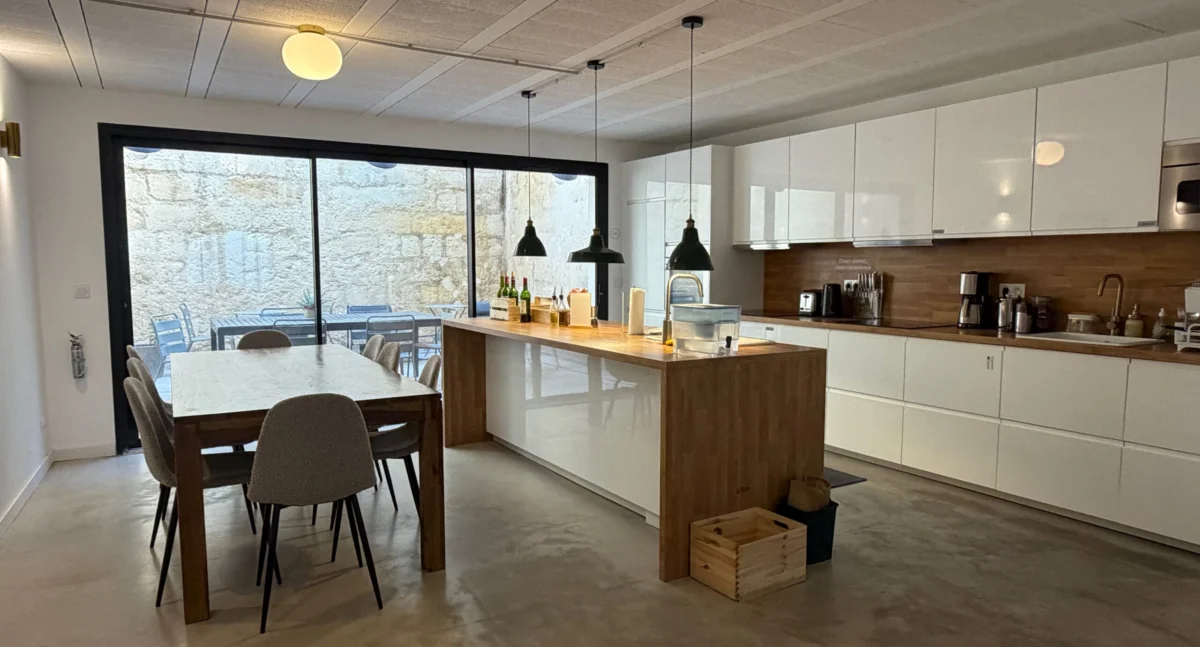
The burgeoning landscape of remote work and digital nomadism presents a unique set of challenges, primarily the perennial struggle to effectively balance professional responsibilities with the allure of global exploration. For individuals operating outside traditional office structures, the quest for a conducive work environment that is both quiet and comfortable can be a significant hurdle. This often translates to countless hours spent searching for suitable cafes or enduring less-than-ideal workspaces. The evolution of remote work, significantly accelerated by the post-pandemic era, has spurred the emergence of innovative solutions, with coliving spaces at the forefront of this transformation. These establishments are meticulously designed to integrate the functionalities of a coworking facility with the inherent social vibrancy of a hostel, yet without the rudimentary amenities often associated with the latter. Their core objective is to cater to digital nomads who desire not only a comfortable abode but also a robust community, mitigating the inherent isolation that can accompany remote employment.
The Genesis and Evolution of Outsite
Among the prominent platforms facilitating this new mode of living and working is Outsite, a global network of coliving and coworking spaces established in 2015. Initially conceived as a single residence in Santa Cruz, California, catering to individuals seeking to combine surfing with remote work, Outsite has experienced substantial growth. Today, the platform boasts a membership exceeding 5,000 individuals and offers access to over 50 distinct locations worldwide. The model is designed to be accessible to a broad spectrum of remote professionals, though membership unlocks a suite of exclusive benefits and preferential rates. An annual membership, priced at $199, or a one-time lifetime membership for $499, grants access to members-only properties, complimentary weeks in new destinations, significant discounts on flash sales and extended stays, invitations to member mixers, and access to a job and sublets board, alongside various lifestyle perks. The booking process is streamlined through their intuitive website, allowing users to filter by destination or desired ambiance, such as beach, city, or mountain settings, and subsequently reserve a private room.
Operational Framework: Integrating Work, Life, and Community
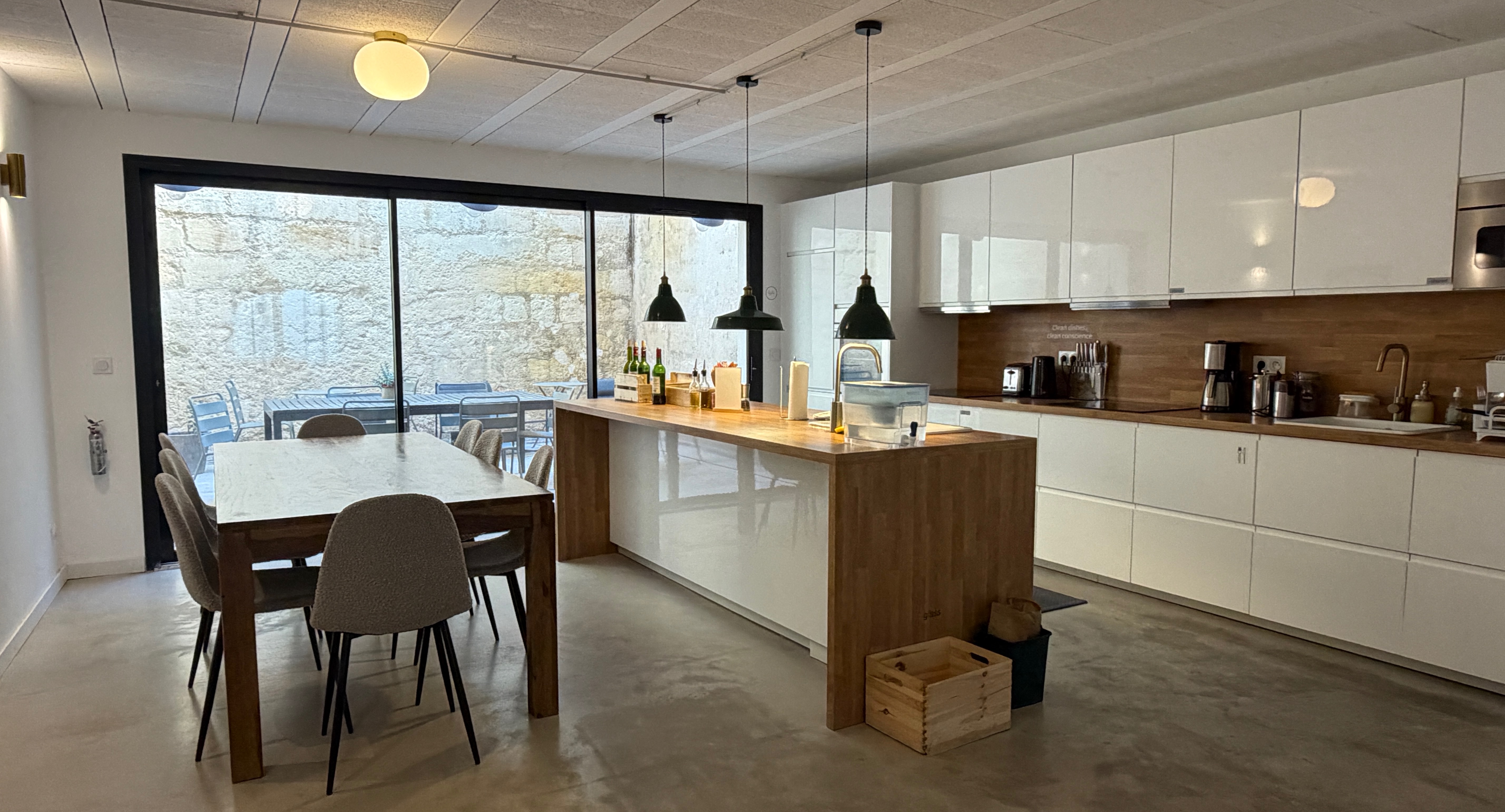
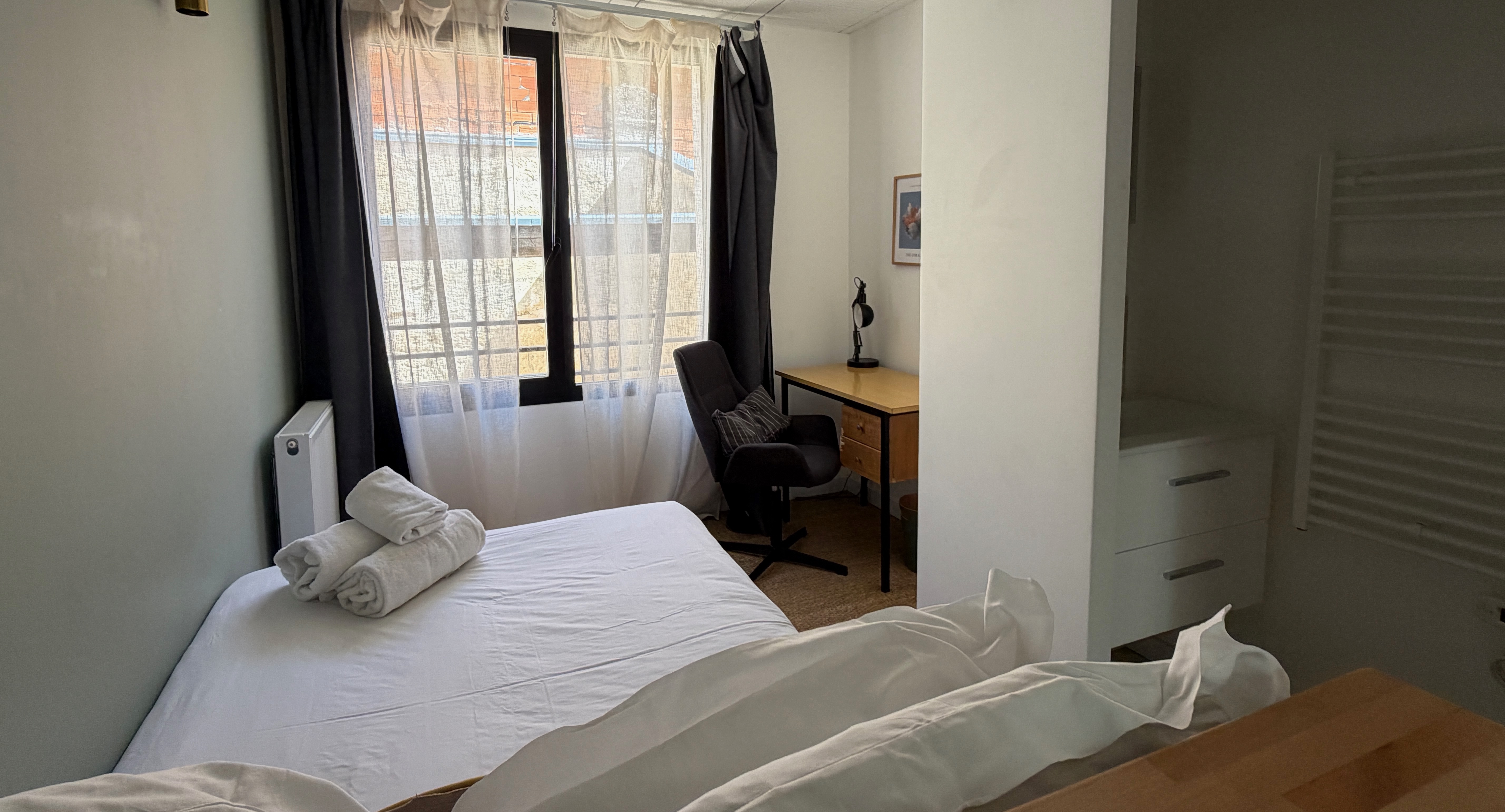
Outsite operates on a model that artfully blends the sophistication of boutique hotels with the practicalities of dedicated coworking environments. Upon booking, guests secure a private bedroom, often accompanied by an en-suite bathroom, though some more economical options may involve shared bathroom facilities with a single other occupant. Each Outsite property features expansive, elegantly furnished communal areas designed to foster interaction and comfort. These include fully equipped, professional-grade kitchens – a significant upgrade from typical solo accommodations – spacious living rooms, inviting outdoor patios, and, depending on the location, rooftop decks or swimming pools.
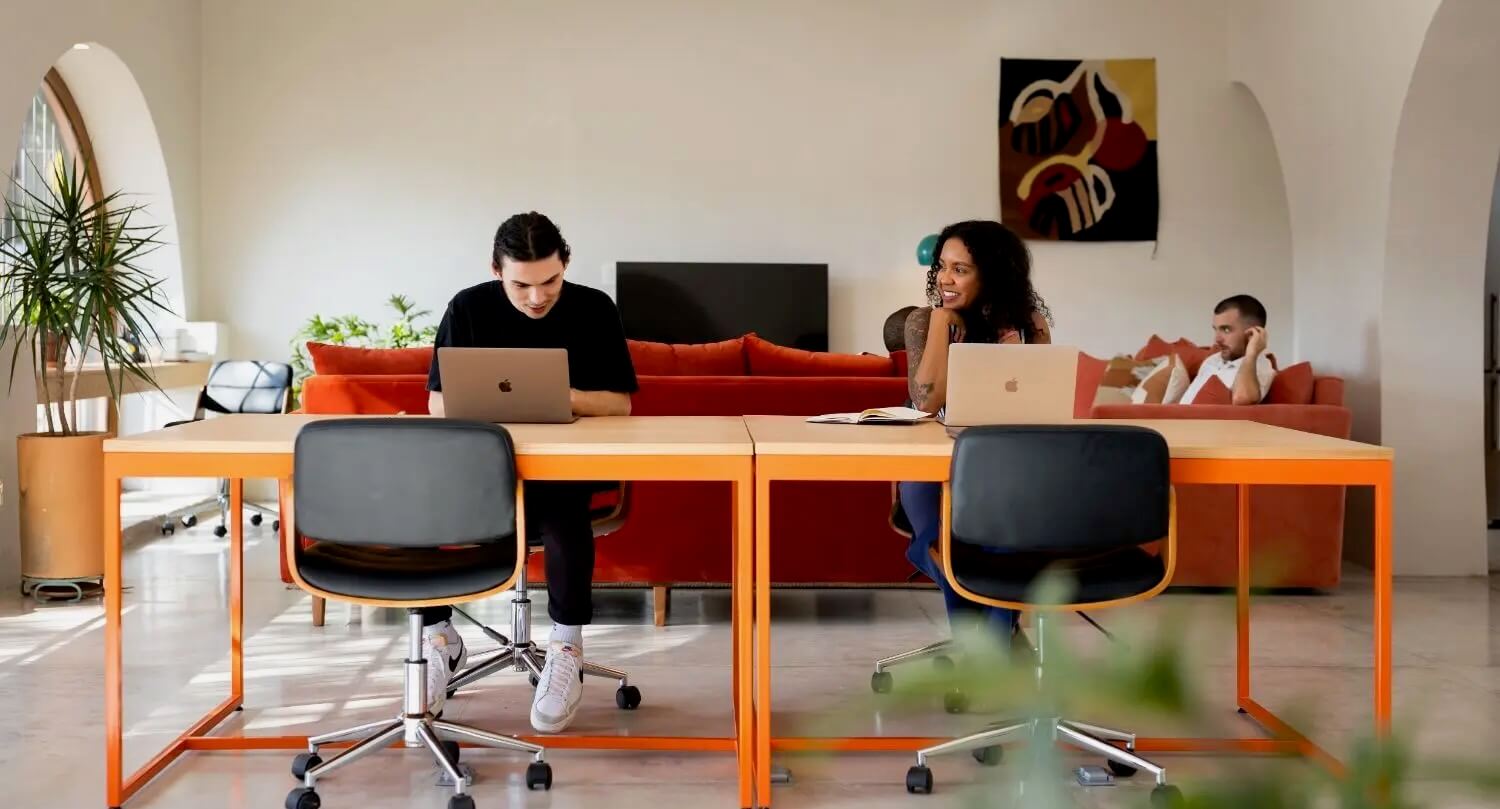
A cornerstone of the Outsite experience is the integrated coworking space within each property. These areas are outfitted with ergonomic seating, an abundance of power outlets, the option to connect to external monitors, and high-speed, enterprise-grade Wi-Fi, ensuring a seamless transition from waking to a focused work session within minutes. Beyond the physical infrastructure, Outsite places a strong emphasis on community building. Each location is staffed by a dedicated Community Manager who plays a pivotal role in fostering social connections. Prior to arrival, guests are typically added to a local WhatsApp group, and regular events are organized. These can range from communal family-style dinners and group excursions to local tours and morning yoga sessions, providing ample opportunities for members to connect with fellow remote workers. The Community Manager also serves as an invaluable resource, offering local insights, dining recommendations, and general assistance, as exemplified by the author’s experience in Bordeaux, where the local manager proved instrumental in enhancing their stay.
A Deeper Dive into the Outsite Experience: Personal Insights and Observations
The architectural and interior design of Outsite properties are consistently noteworthy. The Bordeaux location, for instance, showcased contemporary furnishings, comfortable seating for work, readily available laundry facilities, and a compact on-site gym. The private rooms were well-appointed, featuring dedicated workspaces, comfortable bedding, and en-suite bathrooms with excellent water pressure. The shared kitchen, maintained daily by cleaning staff, offered substantial counter space, facilitating the preparation of elaborate meals. Complimentary coffee and tea are standard amenities across all locations.
Aesthetically, Outsite spaces are designed to evoke a sense of warmth and natural tranquility. The incorporation of natural light, abundant plant life, and locally sourced art contributes to an atmosphere that stands in stark contrast to the sterile uniformity of corporate hotels. The overall impression is akin to residing in the home of a well-traveled and affable acquaintance.
However, the most compelling aspect of Outsite, for many, including the author, is the inherent community. The nature of remote work can often lead to professional isolation. While hotels and cafes offer solitary workspaces, they rarely facilitate meaningful social interaction. Outsite, conversely, situates individuals within a network of like-minded digital nomads who understand the unique rhythms and challenges of this lifestyle. Unlike traditional travelers who might question extended periods spent on laptops, Outsite members share a common purpose: to work productively while also embracing the opportunities for exploration and social engagement. This shared objective cultivates a strong sense of camaraderie. In Bordeaux, the average stay length of approximately two weeks facilitated deeper connections, further enhanced by organized weekend activities orchestrated by the Community Manager, which proved instrumental in fostering interpersonal relationships.
Navigating the Nuances: Considerations for Potential Guests
It is crucial to acknowledge that Outsite is not positioned as a budget-friendly option for backpackers. Individuals accustomed to the minimal costs of hostel dormitories, particularly in regions like Southeast Asia, will find Outsite to be a premium offering. The price point reflects the provision of private accommodations, guaranteed professional workspaces, and curated community experiences. However, when juxtaposed with the combined costs of renting a comparable Airbnb and securing a monthly pass to a local coworking facility, Outsite often presents a more economically viable alternative.
Furthermore, demand for Outsite properties, particularly in highly sought-after destinations during peak seasons, can be exceptionally high. Securing accommodations in locations such as Lisbon during July or Costa Rica in January necessitates booking several months in advance. This can pose a challenge for individuals who prefer spontaneity in their travel arrangements, especially concerning the most popular Outsite houses.
Frequently Asked Questions: Clarifying the Outsite Model
Membership Requirements: While Outsite welcomes bookings from all individuals, annual membership at $199 offers significant advantages, with discounted nightly rates that can quickly offset the membership cost for stays exceeding a few days.
Age Demographics: Although there is no strict age limit, guests must be at least 18 years old (and in some locations, 21). The typical demographic comprises working professionals in their late twenties, thirties, and forties, suggesting a more mature and professional cohort compared to the average backpacker hostel.
Minimum Stay Durations: Most Outsite locations have a minimum stay requirement of just two nights, allowing for short visits. However, certain properties, particularly in major urban centers with stringent housing regulations, such as New York, may mandate a 30-day minimum stay.
Pet Policy: Due to the communal nature of the living and working spaces, pets are generally not permitted at Outsite locations to ensure the comfort and well-being of all guests, and to accommodate individuals with allergies.
The Broader Implications for Remote Work and Travel
The advent and expansion of coliving spaces like Outsite signify a maturing of the digital nomad and remote work ecosystem. These platforms address fundamental needs that have historically been difficult to reconcile: consistent productivity, comfortable living, and genuine social connection. The ability to seamlessly transition between focused work and engaging social activities, without compromising on either, is a significant advancement. Sharing a living space inherently fosters a sense of intimacy and connection, leading to the formation of meaningful friendships and professional networks.
As the remote work revolution continues to reshape employment paradigms, the demand for such integrated living and working solutions is poised for continued growth. Outsite, and similar ventures, are not merely providing accommodation; they are cultivating communities and offering a holistic lifestyle experience that caters to the evolving needs of a global workforce. For those seeking to explore the world without sacrificing professional efficacy or social fulfillment, coliving spaces represent a compelling and increasingly viable option, enabling individuals to "find their tribe" while pursuing their professional aspirations across diverse global landscapes.



 Anjar Salim
 Chandra Hamzah
 Tatiana Tantri Indah Sari
 Budi Mulyono
 Lukman Taruna Persada Ramadan
