
 Chandra Hamzah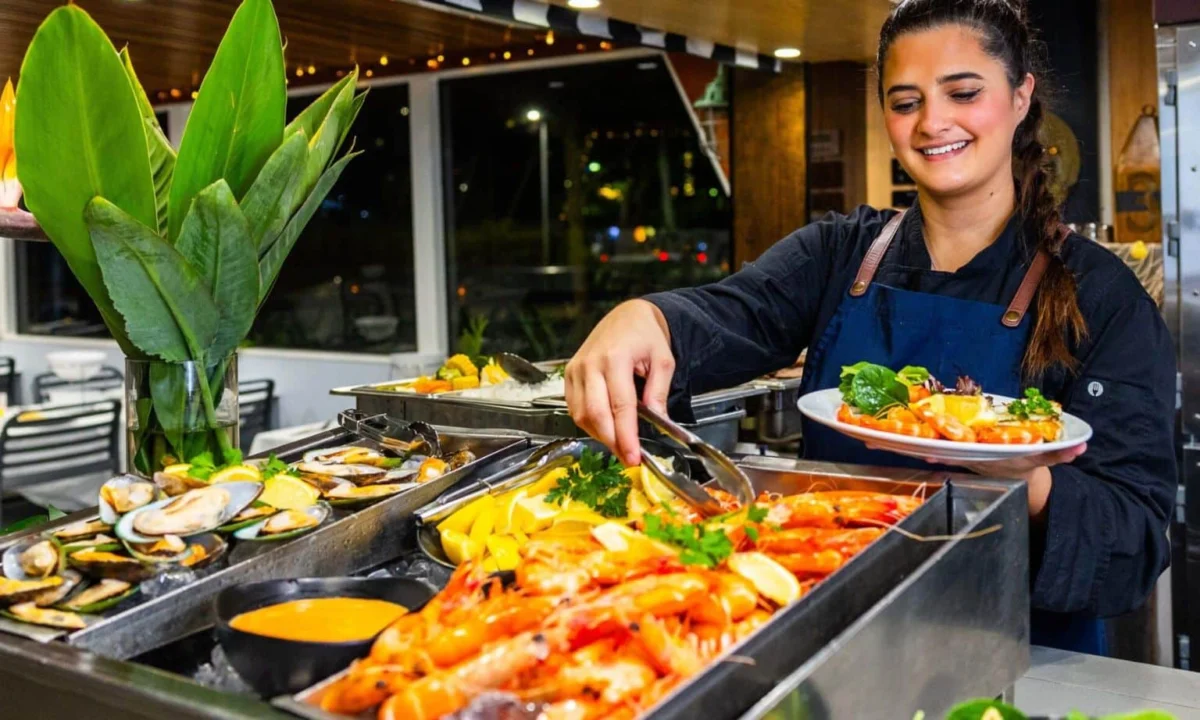
The cherished tradition of the cruise ship buffet, a cornerstone of the vacation experience for decades, is facing renewed scrutiny and evolving passenger expectations. While the pandemic temporarily amplified concerns about hygiene and prompted cruise lines to implement stricter protocols, a recent wave of passenger feedback suggests that underlying issues regarding individual behavior at self-serve stations persist, potentially impacting the future of this popular dining option. Cruise Passenger’s "Your Say" column, which aggregates reader commentary from blogs, posts, and newsletters, highlights a growing sentiment that the actions of a minority of passengers are jeopardizing the enjoyment and perceived safety of the buffet experience for the majority.
The article draws attention to a discussion on the Reddit forum r/Cruise, where numerous cruisers shared unsettling anecdotes and voiced frustrations about perceived lapses in hygiene at buffet venues. These accounts paint a picture of behaviors that, while not new, have gained a heightened level of awareness and concern in the post-pandemic era. Passengers report witnessing individuals who bypass handwashing stations, cough or sneeze openly near food displays, and even touch food items before returning them to the serving line. Such actions, described by one user as "insane," have led to a sentiment that "some people absolutely ruined cruise buffets for us."
Chronology of Evolving Buffet Practices
Historically, the cruise ship buffet has been synonymous with abundance, variety, and a relaxed dining atmosphere. Passengers could freely select from a wide array of dishes, fostering a sense of culinary exploration. However, the global health crisis of 2020 marked a significant turning point. In response to the unprecedented public health challenges, cruise lines worldwide swiftly implemented a raft of new protocols. These included mandatory hand sanitization upon entry to dining areas, increased frequency of cleaning and sanitizing of all surfaces, and the introduction of staff-served buffet lines in many instances.
The initial response from the industry was to mitigate immediate health risks. Cruise lines invested in enhanced sanitation equipment, trained staff to enforce new hygiene regulations, and often provided gloves for passengers handling serving utensils. The sight of staff members at the entrance of buffets, armed with sanitizing spray and hand sanitizer, became a familiar part of the cruise experience. The intention was to create a safer environment while still allowing passengers to enjoy the buffet format.
However, as the initial phase of the pandemic subsided and many lines transitioned back to more self-service models, the underlying behavioral issues at buffets resurfaced in passenger discussions. The Reddit thread, and other reader feedback, suggests that while cruise lines can enforce rules and provide sanitization stations, they have limited control over individual passenger conduct once inside the buffet area.
Passenger Accounts: A Pattern of Concern
The anecdotes shared by cruise passengers reveal a consistent pattern of disquieting observations. One Reddit user articulated a common sentiment: "Maybe unpopular but I kinda get why some cruise lines were experimenting with staff serving buffet food after Covid, because some of the stuff I’ve seen people do at cruise buffets is insane. People touching food then changing their mind, kids grabbing stuff with their bare hands, some guy coughing directly at the salad bar like he was trying to season it." This account highlights a spectrum of behaviors, from deliberate disregard for hygiene to apparent obliviousness.
Another passenger expressed bewilderment at the lack of adherence to basic hygiene practices, even when readily available. "I’ll never understand how you can walk past a hand washing station, sanitiser, and a chipper staff member with a tambourine singing ‘wash your hands’ and still not wash your hands! Even when I was just going in for juice or my own ice cream cone. I still had to touch the dispensing button/knob. It’s no issue to take 20 seconds while you’re on vacation to make the world a little bit cleaner." This emphasizes the perceived ease of adopting simple preventative measures and the frustration experienced by those who do.
Cruise Line Responses and Alternative Models
In response to these ongoing concerns, some cruise lines have adopted or maintained modified buffet service models. Holland America Line, in particular, is frequently cited by passengers as a positive example. "Staff-served is the way. HAL mostly does that now, and it is so much better," commented one reader. "We were on Princess recently, and compliance at the hand-washing stations was around two per cent. These gross people then touch the same utensils you do, and sometimes they touch the food directly. It’s very nasty. I have no tolerance for the ‘I prefer to serve myself’ crowd, as too many cruise people are absolute slobs.” Another passenger concurred, stating, "HAL still serves you for the most part – I definitely prefer it that way.” This preference for staff-served buffets suggests a willingness among many passengers to trade a degree of autonomy for perceived enhanced hygiene and a more controlled dining environment.
The implementation of staff-served buffets, while effective in reducing direct passenger contact with food and serving utensils, has implications for operational efficiency and staffing levels. Cruise lines must balance passenger expectations for variety and speed of service with the resources required to staff these stations adequately. The cost of increased labor, coupled with potential increases in wait times during peak hours, are factors that cruise lines consider when designing their dining offerings.
Broader Implications and Future Outlook
The recurring discussions about buffet hygiene raise broader questions about the future of self-service dining in enclosed public spaces, particularly in the context of travel. The heightened awareness of infectious diseases, including norovirus outbreaks which have historically been a concern on cruise ships, has likely permanently altered passenger perceptions. A significant portion of the cruise community now views buffet practices with a more critical eye.
Some cruisers suggest that poor behavior at buffets is not a new phenomenon, but rather that the pandemic has amplified awareness. "Some people have always been pigs at buffets as far as I can remember. The only difference now is that more people have a heightened awareness of who these pigs are after Covid and all the Norovirus outbreaks," one reader observed. This perspective implies that the challenge lies not solely in implementing new rules, but in fostering a sustained culture of personal responsibility among all passengers.
Beyond direct hygiene concerns, passengers are also exploring strategies to mitigate their buffet experiences. "Try to go during ‘off hours’," advises one cruiser. "It’s kind of annoying because sometimes you are just hungry, but it makes the experience tolerable. Meaning, during embarkation day, avoid at all costs. During lunch or dinner peak hours." This practical advice reflects a desire to avoid the densest crowds, where hygiene compliance may be more difficult to monitor and where the potential for transmission of germs is higher.
Furthermore, some passengers have opted to avoid buffets altogether, seeking out alternative dining options. "I avoid the buffet like the plague. Even if they don’t directly touch the food, I’ve seen far too many people leave the bathroom without washing, and then walk directly to the buffet. Those horrible hands are then touching the utensils which then I would touch. People suck sometimes," one individual stated. This sentiment underscores the deep-seated distrust that can develop when hygiene standards are perceived to be compromised, leading to a complete avoidance of a particular dining venue.
The future of cruise ship buffets will likely involve a continued balancing act for cruise lines. They must innovate to address passenger concerns while maintaining the appeal and convenience that has made buffets so popular. This may include a greater adoption of staff-served models for certain items, enhanced visual cues and reminders about hygiene practices, and potentially even technological solutions to monitor and encourage compliance. The "Your Say" column serves as a vital feedback mechanism, ensuring that passenger voices are heard as the industry navigates these evolving dining landscapes. The ongoing dialogue suggests that while the cruise ship buffet may endure, its form and the expectations surrounding it have been irrevocably shaped by recent global events and a renewed focus on collective well-being.
Reader Engagement and Future Commentary
Cruise Passenger emphasizes the value of reader feedback, encouraging continued contributions to their "Your Say" column. The publication actively seeks to highlight the most compelling comments and discussions from its readership, providing a platform for the broader cruise community to share their experiences and perspectives. This commitment to reader engagement ensures that critical issues, such as those surrounding buffet dining, remain at the forefront of industry discourse. The ongoing exchange of ideas and concerns between passengers and the publication is crucial for fostering a more informed and responsible cruising environment.




 Anjar Salim
 Tatiana Tantri Indah Sari
 Budi Mulyono
