
 Chandra Hamzah
The recent increase in Australia’s Passenger Movement Charge, a levy applied to international travellers departing the country, has ignited a significant backlash from the cruise industry, with the peak representative body labelling it a "watershed moment" that risks undermining the sector’s competitiveness. Joel Katz, Managing Director of Cruise Lines International Association (CLIA) Australasia, a typically measured voice, has voiced strong criticism, suggesting the move signals a concerning trend of government inaction and escalating costs for cruise operations in Australia.
The Budget announcement introduced an additional $10 to the existing $70 Passenger Movement Charge, bringing the total to $80. This increase, described by Katz as "another multi-million dollar burden to cruise travel," comes at a time when the industry is actively campaigning for a more coordinated, whole-of-government approach to tourism promotion and regulation. This advocacy mirrors strategies successfully implemented by destinations like New Zealand, which recently showcased its cruise potential at Seatrade Global, the world’s largest cruise conference. CLIA argues that such a unified approach is crucial to attracting major cruise lines and bolstering the number of ships visiting Australian shores.
A Decline in Cruise Capacity and Growing Frustration
The concerns raised by CLIA are underscored by a stark reality: both Australia’s and New Zealand’s cruise capacity has fallen by over 30 per cent. This decline is particularly troubling given the burgeoning popularity of cruising as a holiday choice among Australians, a trend observed both domestically and on a global scale.
In a candid column published this week in a prominent trade journal, Katz articulated the industry’s deep-seated frustration. He stated, "It is a blow that lands particularly hard on the cruise sector, and CLIA has been making our industry’s frustration known in Canberra as we continue to fight the regulatory headwinds we navigate in this region." He further elaborated that this latest charge is not an isolated incident but part of a cumulative pattern of escalating fees and levies that are systematically making Australia one of the most expensive countries for cruise ships to operate within.
"It comes on top of countless other fee increases and charges that have made Australia one of the most expensive countries for cruise ships to operate in," Katz asserted. "When you combine this with a difficult regulatory environment, Australia is becoming uncompetitive as a destination. Without action, we will continue to lose cruise tourism to other destinations overseas."
Economic Ramifications and Job Security
The implications of this escalating cost structure are significant, potentially impacting not only the cruise lines themselves but also the broader Australian economy and employment landscape. Katz highlighted the direct link between the competitiveness of Australia as a cruise destination and the livelihoods of its citizens. "All this is despite strong demand and record numbers of cruisers both in Australia and globally," he noted. "The opportunities in cruising are still huge, but we need a greater focus on maximising those opportunities here in Australia. We cannot price ourselves out of the market – 20,000 Australian jobs depend on cruising. The cash grab on tourism has got to end."
This figure of 20,000 jobs represents a substantial segment of the Australian tourism workforce, encompassing roles in port operations, shore excursions, hospitality, retail, and transportation. A sustained decline in cruise ship visits could have a ripple effect, impacting regional economies that often rely heavily on cruise passenger expenditure.
Understanding the "Expensive" Equation: A Holistic View
Katz was keen to clarify that the industry’s assertion of Australia becoming "expensive" is not an indictment of a single cost or an isolated charge. Instead, it refers to the aggregated impact of numerous operational expenses that collectively diminish Australia’s attractiveness as a cruise market.
"When we say Australia is becoming expensive, we are not referring to one single cost or isolated charge. We are talking about the cumulative cost of operating cruise ships in this market," he explained. "Cruise lines look at Australia in a global context and deployment decisions are made by comparing destinations around the world."
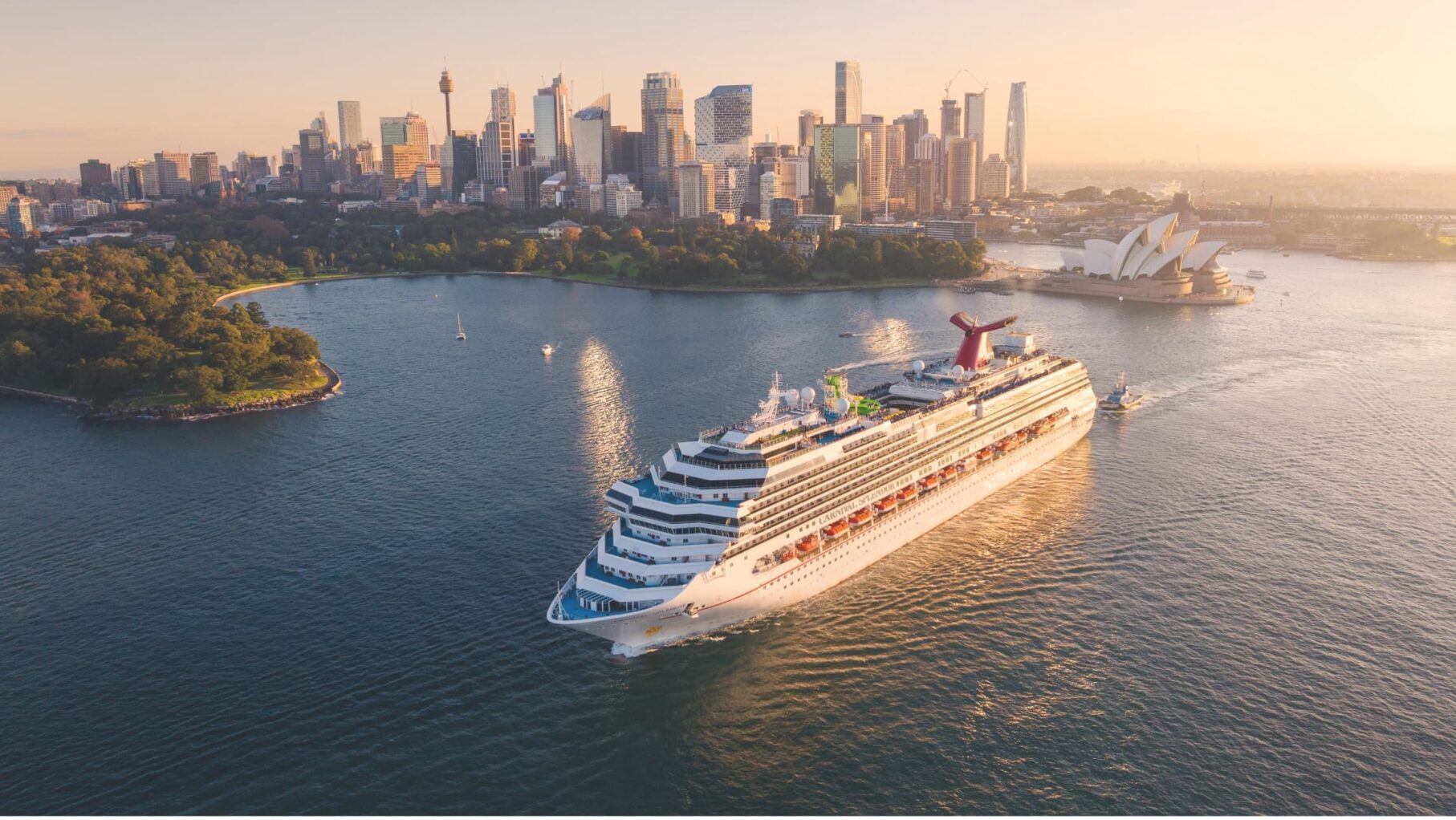
The assessment of a destination’s viability for cruise lines involves a comprehensive evaluation of various factors. Australia, despite its undeniable appeal as a world-class destination with stunning natural beauty and vibrant cities, faces challenges in balancing its inherent attractiveness with its operational cost profile. These costs include, but are not limited to:
- Government Fees and Charges: Beyond the Passenger Movement Charge, these can encompass port fees, pilotage fees, navigation charges, and various other administrative levies.
- Port Infrastructure and Charges: The cost of berthing, tug services, and other port-related facilities can vary significantly between Australian ports and international counterparts.
- Regulatory Compliance: Adhering to Australia’s diverse and often stringent environmental, safety, and security regulations can incur substantial compliance costs for cruise operators.
- Logistics and Supply Chain: Sourcing provisions, fuel, and other operational necessities within Australia can be more expensive than in other global markets due to geographical isolation and supply chain complexities.
- Fuel Costs: While a global commodity, the cost of bunkering in Australian ports can be influenced by local taxation and availability.
- Marine Services: The cost of essential marine services, such as waste disposal and maintenance, can also contribute to the overall operational expenditure.
- Ground Handling and Turnaround Operations: The cost of managing passenger embarkation and disembarkation, including baggage handling, security, and transportation, is a significant component of a cruise call.
Katz emphasized that while any single one of these costs might be manageable in isolation, it is their combined effect that creates a significant competitive disadvantage. "Any one of these costs may be manageable in isolation, but the issue is the combined effect," he stated. "So ‘expensive’ should be understood as shorthand for a broader competitiveness issue. Australia remains a world-class cruise destination, but it needs to ensure its costs, regulation and policy settings support future deployment rather than discouraging it."
The New Zealand Model: A Blueprint for Success?
The CLIA’s advocacy for a "whole-of-government approach" draws inspiration from the proactive strategies employed by New Zealand. At Seatrade Global, New Zealand representatives actively engaged with major cruise line executives, presenting a unified front that highlighted the country’s commitment to the cruise sector. This included coordinated efforts between government agencies, port authorities, and tourism bodies to streamline processes, offer incentives, and address industry concerns.
Such a coordinated strategy can manifest in various ways:
- Streamlined Regulatory Processes: A single point of contact or a more efficient system for navigating Australia’s regulatory landscape could significantly reduce administrative burdens for cruise lines.
- Port Development and Investment: Targeted investment in port infrastructure to accommodate larger vessels and improve turnaround efficiency can make Australian ports more appealing.
- Marketing and Promotional Support: A cohesive national marketing strategy, showcasing Australia’s diverse cruise offerings and unique selling propositions, can attract greater attention from cruise lines and consumers alike.
- Incentive Programs: While not always a direct cash incentive, the creation of a more favourable operating environment through reduced or rationalised fees could achieve a similar outcome.
- Data Sharing and Collaboration: Enhanced collaboration between industry and government in collecting and analysing data related to cruise tourism can inform policy decisions and strategic planning.
The contrast between Australia’s current approach and the integrated strategy reportedly presented by New Zealand at Seatrade Global suggests a missed opportunity for Australia to capitalise on the significant economic potential of the cruise industry.
A Historical Context of Challenges
The current discontent is not entirely new. The cruise industry in Australia has, over the years, navigated a complex web of regulations and encountered fluctuating government policies. Historically, concerns have been raised regarding the adequacy of port infrastructure in certain regions, the environmental impact of cruise ships, and the equitable distribution of benefits from cruise tourism. However, the recent emphasis on escalating costs and the perceived lack of a unified, supportive government strategy appear to have reached a critical juncture.
The Passenger Movement Charge, originally introduced in 2001 as part of a broader immigration and border security initiative, has seen incremental increases over time. The latest adjustment, however, seems to have tipped the scales for industry leaders, prompting a more direct and forceful expression of their concerns.
Future Outlook and Potential Consequences
The ongoing dialogue between CLIA and the Australian government will be closely watched by industry stakeholders. The cruise sector represents a significant contributor to the Australian economy, generating substantial revenue and supporting a wide array of businesses. A continued decline in cruise capacity could lead to:
- Reduced Tourism Expenditure: Fewer cruise ships mean fewer international visitors spending money on shore excursions, dining, shopping, and local services.
- Job Losses: As mentioned, the direct and indirect employment opportunities tied to the cruise industry are considerable.
- Missed Economic Opportunities: Australia risks losing out on the economic benefits that cruise tourism brings, particularly to regional coastal communities that often serve as popular cruise destinations.
- Damage to Australia’s Reputation: A perception of Australia as an increasingly expensive and difficult market to operate in could deter future investment and cruise line deployment.
The coming months will be critical in determining whether the Australian government will heed the industry’s warnings and implement policies that foster a more competitive and attractive environment for cruise tourism. The success of such an endeavour will likely hinge on the development of a truly collaborative and forward-thinking approach, one that recognises the immense potential of the cruise sector and its significant contribution to Australia’s economic prosperity.



 Anjar Salim
 Tatiana Tantri Indah Sari
 Budi Mulyono
