
 Chandra Hamzah
Australia’s leading travel industry association is mounting a significant campaign to persuade the Federal Government to lift its contentious "Do Not Travel" advisories for key Middle Eastern transit hubs. The Australian Travel Industry Association (ATIA) argues that these advisories are inadvertently leaving thousands of Australian cruise passengers uninsured as they travel to European destinations, particularly during the peak Mediterranean summer season.
The current Smartraveller advisory, which flags parts of the United Arab Emirates (UAE) and Qatar as areas to avoid, is seen by ATIA as no longer accurately reflecting the reality for the vast majority of travellers. Every day, countless Australian passengers transit safely through the international airports of Dubai, Doha, and Abu Dhabi, major aviation gateways that have become indispensable for reaching European cruise embarkation ports.
This issue has become particularly acute for Australian cruise enthusiasts who rely on major Gulf carriers, such as Emirates and Qatar Airways, to connect to popular Mediterranean destinations like Italy, Greece, Spain, and Croatia. Despite the official government guidance, a substantial number of Australians continue to fly through these Middle Eastern hubs to commence their European, Adriatic, and even Asian cruise adventures. Recent anecdotal evidence from passengers who have successfully completed these journeys, such as those interviewed by Cruise Passenger magazine after travelling on the Sun Princess, highlights the disconnect between the official warning and the actual, incident-free travel experiences of many Australians. These travellers often describe a calculated risk, proceeding despite the government’s advisories due to limited alternative travel options and the desire to fulfill pre-booked holiday plans.
Disconnect Between Official Warnings and Traveller Realities
ATIA asserts that there have been no significant incidents reported involving Australian travellers who have merely transited through the region’s primary international airports. However, the prevailing "Do Not Travel" advice from Smartraveller, issued in response to ongoing regional geopolitical tensions, has a direct and detrimental impact on travel insurance policies. Most comprehensive travel insurance policies contain clauses that render coverage void when a traveller enters or transits through a destination subject to such a government warning.
This creates a precarious situation for Australian cruise passengers: they are forced to navigate some of the world’s busiest and most critical aviation hubs without adequate insurance protection. Dean Long, CEO of ATIA, has been a vocal advocate for the government to revise this advice, stating that the industry has been urging Canberra to reconsider for several months.
"ATIA has been calling on the government to lift the ‘Do Not Travel’ warning for Qatar and the UAE, at least for their major airports," Long stated in an interview with Cruise Passenger. "We have now reached a point where such an advisory in place does not match the experiences of thousands of people who are transiting through Dubai, Doha and Abu Dhabi without an issue."
Long specifically pointed to cruise passengers as a prime example of this discrepancy. "Cruise passengers are a great example of the disconnect we’ve been talking about," he explained. "Australians are boarding ships in the Mediterranean, the Adriatic, across Asia, and the vast majority of them are getting there through Middle East transit hubs without a problem. The advisory doesn’t reflect that experience, and it’s leaving them without insurance cover for a risk that simply isn’t materialising."
The Growing Importance of Middle Eastern Aviation Hubs
The UAE and Qatar have solidified their positions as critical aviation gateways for Australians travelling to Europe. This reliance has been amplified since the reduction of direct international flight routes during and in the aftermath of the global pandemic. Dubai and Doha, in particular, are now among the busiest connecting hubs for Australians embarking on Mediterranean cruises from major cities such as Rome, Athens, Barcelona, and Venice.
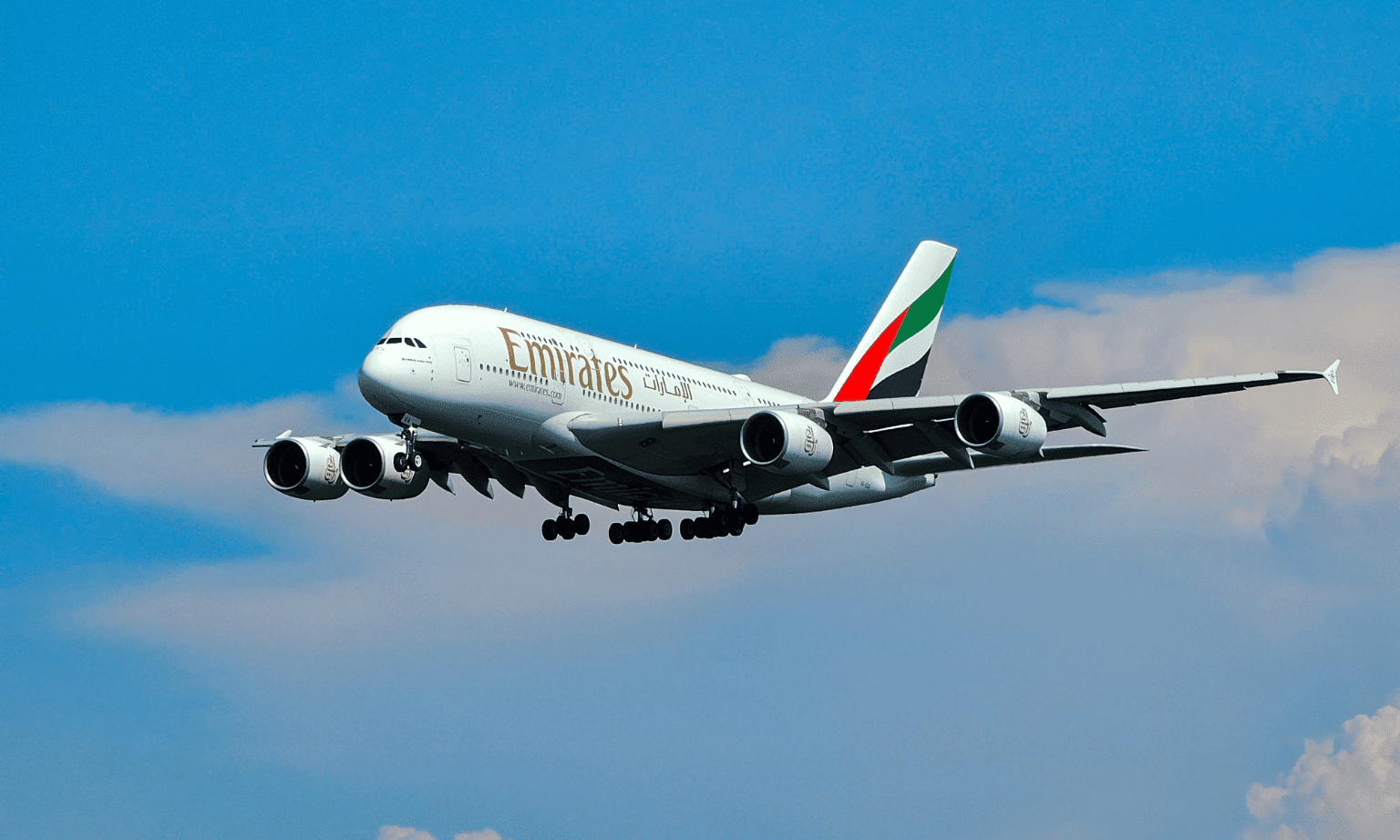
The continued popularity and extensive route networks of Emirates and Qatar Airways make them indispensable carriers for Australian travellers. These airlines offer vital connections from all major Australian cities, including Sydney, Melbourne, Brisbane, Perth, and Adelaide.
Travel agents report that many cruise passengers have made their bookings months in advance, committing to both flights and cruise itineraries. These travellers are often reluctant to cancel their long-planned holidays, even in the face of official government warnings. However, the insurance implications are a source of mounting anxiety.
Insurance Voided by ‘Do Not Travel’ Advisories
The core of the problem lies in the standard exclusions within most travel insurance policies. These policies typically stipulate that coverage is invalidated if a traveller proceeds to or transits through a country or region designated with a "Do Not Travel" warning by their national government. Industry insiders suggest that a significant number of travellers are either unaware of this specific exclusion or are finding it exceedingly difficult to locate specialist insurers willing to offer coverage for travel through these advisories.
Long argued that the current blanket advisory is disproportionate to the actual risks faced by transit passengers. "Usually ‘Do Not Travel’ is for countries that are in a state of civil war, not international hubs," he observed. "As long as the advisory remains, travellers are left without insurance cover while transiting through Qatar or the UAE. They’ve got to change it as it’s disproportionate and it’s really important for overall confidence and forward bookings."
Broader Implications for the Travel Industry
The ATIA’s concern extends beyond the immediate insurance predicament for current travellers. There is a palpable fear that these persistent "Do Not Travel" warnings could begin to negatively impact future cruise bookings to Europe and Asia. As travellers become increasingly aware of the insurance complications or perceive a heightened, albeit potentially unfounded, safety risk, their confidence in booking international travel could erode.
The cruise industry, in particular, is experiencing strong demand for Mediterranean sailings this northern summer, with Australians representing a significant segment of the international market for European cruising. However, travel agents are increasingly reporting that uncertainty surrounding transit warnings is becoming a recurring point of discussion with their clients, potentially deterring some from booking or prompting them to seek alternative, more costly, and less convenient travel arrangements.
A Call for a More Nuanced Approach
ATIA is actively lobbying the government for a more nuanced and targeted approach to its Smartraveller advisories. The association advocates for potential exemptions for major international airports and designated transit zones that continue to operate normally and securely, even if other parts of a country are subject to a warning.
The fundamental argument is that broad, country-wide warnings fail to differentiate between areas experiencing active conflict and the highly secure, heavily trafficked global aviation hubs that millions of passengers utilise safely each year. Such a distinction, ATIA contends, would provide a more accurate reflection of the risks and allow travellers to make informed decisions with appropriate insurance coverage.
The Current Dilemma for Travellers
For the time being, Australian cruise passengers embarking on journeys to Europe via the Middle East are confronted with a challenging decision. They must either proceed through essential transit points without standard insurance protection, a significant financial and personal risk, or attempt to reconfigure their travel plans. This often involves seeking alternative routes that are typically more expensive and considerably less convenient, potentially adding significant time and complexity to their holiday arrangements. The ongoing situation highlights a critical need for the Australian government to align its travel advisories with the evolving realities of international travel and the operational safety of major global transit hubs.




 Budi Mulyono
 Anjar Salim
 Tatiana Tantri Indah Sari

 Lukman Taruna Persada Ramadan