
 Chandra Hamzah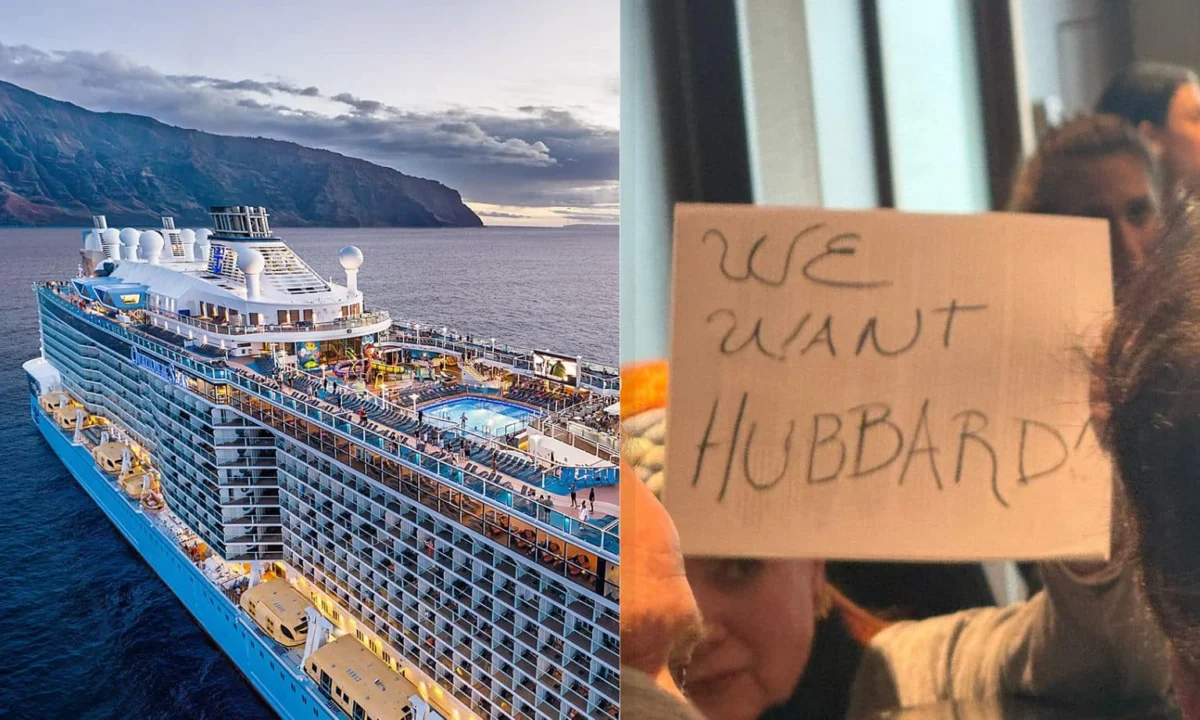
The recent Alaskan cruise season has been marred by significant disruptions, most notably an incident involving Royal Caribbean International where passengers aboard a sailing experienced abrupt and last-minute itinerary alterations, leading to the cancellation of a highly anticipated visit to the Hubbard Glacier. This change, announced on the second-to-last day of the voyage, left many guests deeply dissatisfied and questioning the cruise line’s communication and planning processes. The situation highlights the inherent unpredictability of maritime travel and the challenges cruise lines face in managing passenger expectations when operational realities necessitate deviations from planned routes.
Background of the Disruptions
The core of the passenger discontent stemmed from a dual set of itinerary adjustments. The primary disappointment was the unforeseen cancellation of a scenic cruise past the Hubbard Glacier, a significant natural attraction on many Alaskan itineraries. Compounding this issue was a last-minute change in the disembarkation port. The voyage was originally scheduled to conclude in Seward, Alaska. However, on the night before the ship was due to leave Anchorage, the disembarkation point was switched to Whittier, Alaska. Royal Caribbean cited necessary port repairs at Seward as the reason for this shift.
Chronology of Events
The sequence of events leading to passenger frustration can be pieced together from passenger accounts and the cruise line’s statement.
- Pre-Cruise Planning: Passengers booked a specific itinerary for their Alaskan cruise, which prominently featured a visit to the Hubbard Glacier and a planned disembarkation in Seward, Alaska.
- Port Repair Delays: The port of Seward, a key disembarkation point for many Alaskan voyages, had been undergoing construction. While initially slated to reopen by May 14th, the repairs encountered delays. Passenger operations at Seward eventually commenced on May 22nd.
- Ship Diversion to Whittier: Due to the ongoing issues at the Seward port, Royal Caribbean, like other cruise lines, needed to reroute vessels. The Ovation of the Seas, one of the ships impacted, was among those redirected to the port of Whittier.
- Late-Stage Itinerary Announcement: Despite the port change necessitating a shift in disembarkation, the crucial announcement regarding the cancellation of the Hubbard Glacier visit was made on the second-to-last day of the cruise. This timing proved particularly contentious for passengers who had specifically chosen this cruise for the glacier experience.
- Passenger Protests: The announcement triggered immediate and vocal discontent among passengers. Reports indicate a significant number of guests converged on the guest services desk, expressing their displeasure. Some passengers were seen holding protest signs, and chants of "we want Hubbard" were reportedly heard, underscoring the depth of their disappointment.
Official Response and Operational Realities
In response to the passenger outcry, Royal Caribbean issued a statement explaining the circumstances. The company acknowledged the itinerary adjustments were made "to ensure our timely arrival into Whittier." They further stated, "we’ll be adjusting our itinerary and will continue with a full day at sea instead of cruising Hubbard Glacier." The statement detailed the revised disembarkation schedule, noting that the ship would arrive at the port of Whittier at 1:00 AM on Friday for luggage operations, with debarkation commencing at 6:00 AM for all guests.
The cruise line’s explanation highlights the complex logistical challenges faced by operators in Alaska. The Alaskan cruise season is heavily dependent on a confluence of factors that can change rapidly, including:
- Port Infrastructure: The incident at Seward underscores the vulnerability of cruise operations to delays in port development and repairs. Alaskan ports are vital hubs, and their accessibility directly impacts cruise itineraries.
- Ship Traffic Congestion: Alaska’s popular cruising routes can experience significant ship traffic, especially during peak season. Managing the flow of numerous large vessels requires meticulous scheduling and can lead to cascading delays if one ship is held up.
- Weather Conditions: Alaska’s notoriously unpredictable weather can necessitate last-minute route changes, especially for scenic cruising areas like glaciers where visibility and safe passage are paramount.
- Environmental Factors: Glacier calving and the stability of ice formations can also influence the safety and feasibility of close-up viewing.
Cruise lines must constantly monitor these variables and be prepared to adapt. The decision to alter an itinerary, while disappointing for passengers, is often made to ensure the overall safety and operational integrity of the voyage.
Passenger Reactions and Broader Cruise Community Discourse
While a segment of the passengers on the affected sailing expressed significant anger and engaged in protests, the broader cruise community’s reaction, as observed on social media and online forums, has been more divided, with many expressing a more pragmatic perspective. A considerable number of experienced cruisers appeared to view the protests as an overreaction.
Anonymous comments on platforms like Facebook suggested sentiments such as: "Is this the Entitlement of the Seas group?" and "Imagine protesting on vacation. My guess would be it’s a bunch of adult babies that have never been told no on their first cruise." This sentiment was echoed by others who emphasized the inherent unpredictability of cruise travel. Many argued that passengers should understand that itinerary changes, including alterations to port times and docking schedules, are commonplace. The perspective shared by many was that "Adults need to learn how to adult. Things can change at any minute on a cruise… Trying to cause an uproar because you didn’t get your way is insane."
A more measured viewpoint was offered by a cruiser who suggested that the captain and crew would have preferred to deliver the promised glacier experience. This individual noted, "Have to believe that the captain would love nothing more than to provide them a visit to the Hubbard Glacier. Unfortunately, due to port circumstances beyond RCL control, the captain isn’t about to risk damaging a $1.1 billion ship and a tenured career for few disgruntled protesters at the Customer Service desk." This comment points to the significant responsibilities and risks faced by ship captains and cruise line management.
Compensation and Future Implications
In situations involving significant itinerary changes, cruise lines typically offer some form of compensation to appease affected passengers. In this instance, Royal Caribbean provided onboard credit, with amounts ranging from $150 to $400, varying according to the cabin category booked. This gesture aims to acknowledge the disruption and mitigate passenger dissatisfaction.
The incident raises broader questions about passenger expectations versus the operational realities of the cruise industry. While passengers invest in a specific vacation experience, the inherent nature of maritime travel means that unforeseen circumstances can and do arise. The challenge for cruise lines lies in effective communication and transparent management of these situations.
- Communication Strategy: The timing of the announcement regarding the Hubbard Glacier cancellation is a key point of contention. Communicating potential itinerary changes earlier, even if tentative, could help manage expectations. However, this is often difficult when the exact nature of the problem, such as port repairs, is still evolving.
- Compensation Policies: The onboard credit offered is a standard practice. The adequacy of such compensation is subjective and often debated among passengers. Future incidents may lead to a re-evaluation of compensation structures to better align with passenger expectations, particularly for highly anticipated scenic attractions.
- Resilience of Alaskan Tourism: The Alaskan cruise season is a vital component of the state’s tourism economy. Disruptions, while sometimes unavoidable, can impact the overall perception of Alaska as a cruise destination if they become frequent or poorly managed. The industry must continue to invest in port infrastructure and contingency planning to ensure smooth operations.
- Passenger Education: The discourse surrounding the event also highlights a need for better passenger education regarding the nature of cruise travel. Understanding that itineraries are subject to change due to factors beyond the cruise line’s control can foster a more realistic and adaptable mindset among vacationers.
Ultimately, the Royal Caribbean incident at Hubbard Glacier serves as a reminder of the delicate balance cruise lines must strike between delivering dream vacations and navigating the unpredictable currents of operational logistics. While passenger disappointment is understandable, the industry’s ability to adapt and communicate effectively will be crucial in maintaining trust and ensuring the continued appeal of popular destinations like Alaska. The long-term implications will likely involve continued efforts by cruise lines to enhance their communication protocols and contingency planning, while passengers may increasingly temper their expectations with a greater awareness of the inherent variables in cruising.



 Anjar Salim
 Tatiana Tantri Indah Sari
 Budi Mulyono
 Lukman Taruna Persada Ramadan
