
 Hendra Ismail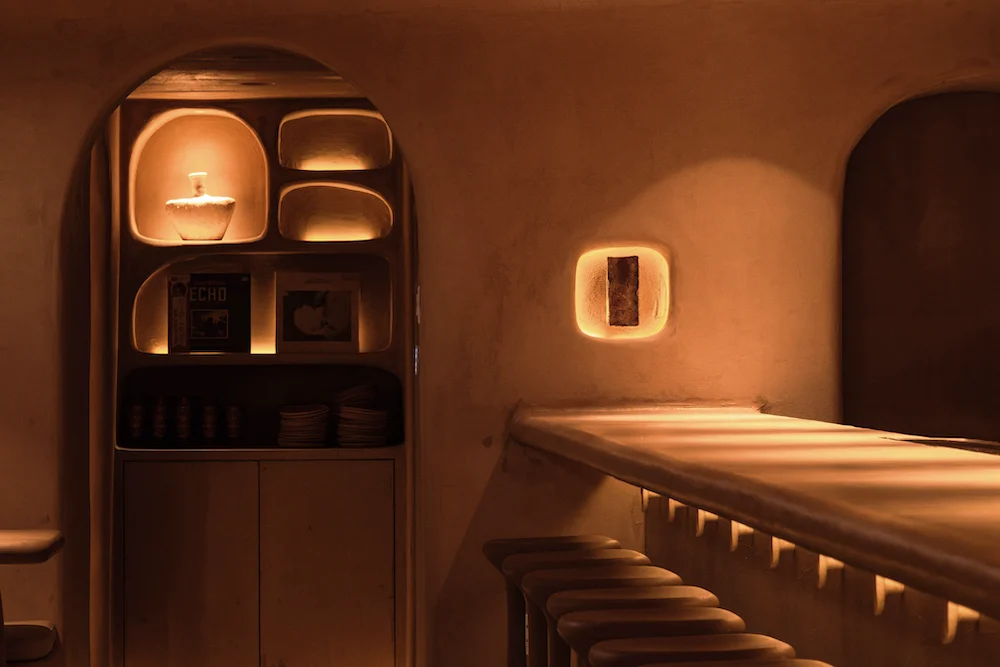
New York City’s vibrant West Village has a new beacon of warmth and inclusivity with the opening of Love Thy Neighbor, a 40-seat all-day bar and dining concept that promises to redefine the meaning of community through its distinctive approach to hospitality. This intimate venue, meticulously crafted by seasoned bartender and restaurateur Shigefumi Kabashima and acclaimed chef Elyas Popa, is designed to be a sanctuary that seamlessly transitions from a sun-drenched daytime café to an atmospheric evening cocktail destination. At its heart, Love Thy Neighbor is a profound celebration of the queer community and the enduring strength of chosen families, a philosophy deeply embedded in its design ethos of fluidity and the intentional rejection of rigid boundaries.
The genesis of Love Thy Neighbor can be traced back to a shared vision between Kabashima and Popa to create a space that felt both welcoming and liberating. Kabashima articulated this foundational principle, stating, "The idea of ‘no straight lines’ became a guiding principle for us. It reflects not only the design of the space, but also how we think about hospitality: fluid, open, and without boundaries. We want guests to feel a sense of freedom here, both in how they experience the space and how they connect with others." This philosophy is not merely a design concept; it is the operational DNA of the establishment, aiming to foster an environment where individuals feel empowered to be their authentic selves and forge genuine connections.
A Sculpted Haven: Design Inspired by Fluidity and Nature
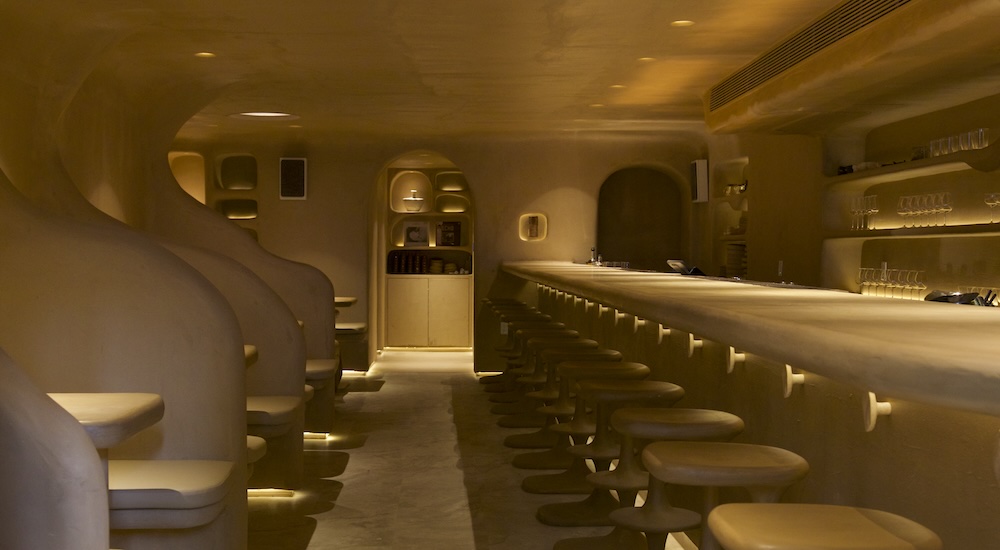
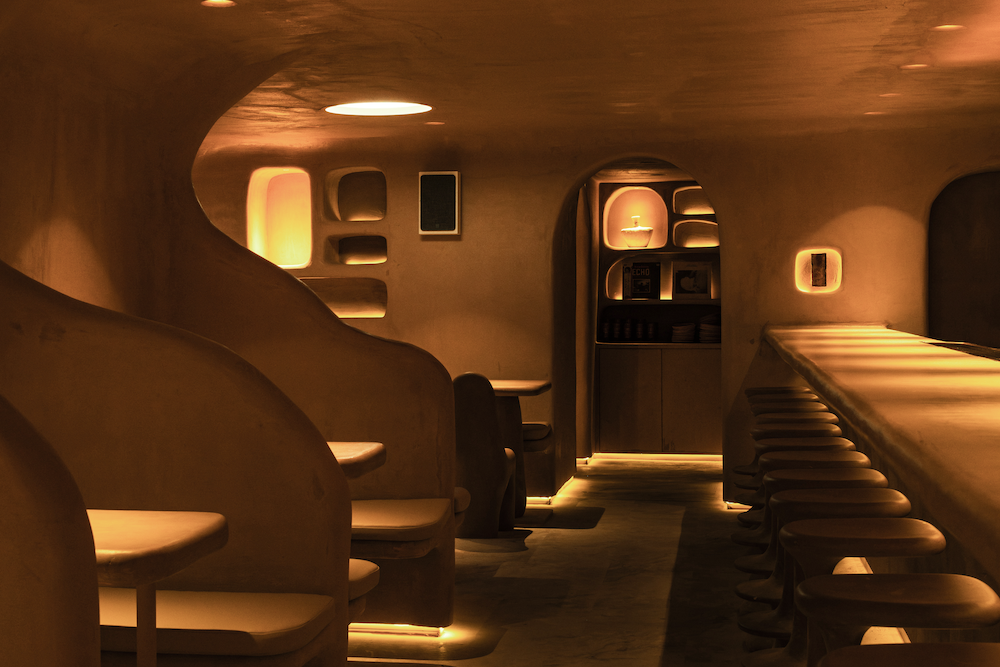
In collaboration with Jun Qin of Wild Form Design Studio, Kabashima and Popa embarked on a mission to reimagine traditional architectural forms, drawing inspiration from the organic structures of nature and the historical significance of community spaces. The result is a contemporary environment that eschews conventional assembly in favor of a sculpted aesthetic. Vaulted archways and curved, enveloping booths create a sense of comforting embrace, drawing guests into a world that feels both intimate and expansive. The interior palette is intentionally warm and monochromatic, featuring hues of beige that evoke the natural textures of sand and earth, further reinforcing the sense of groundedness and organic beauty.
"We wanted the entire space to feel as though it was sculpted rather than conventionally assembled, so many of the walls, seating areas, ceilings, and curved transitions were created through hand-shaped cement work," explains Qin. "The microcement surface finish helps unify the entire environment visually, while also preserving a soft and natural texture throughout the space." This meticulous attention to material and form contributes to a sensory experience that is both visually striking and deeply soothing. The absence of sharp angles and rigid lines throughout the space encourages a feeling of ease and flow, mirroring the intended spirit of the establishment.
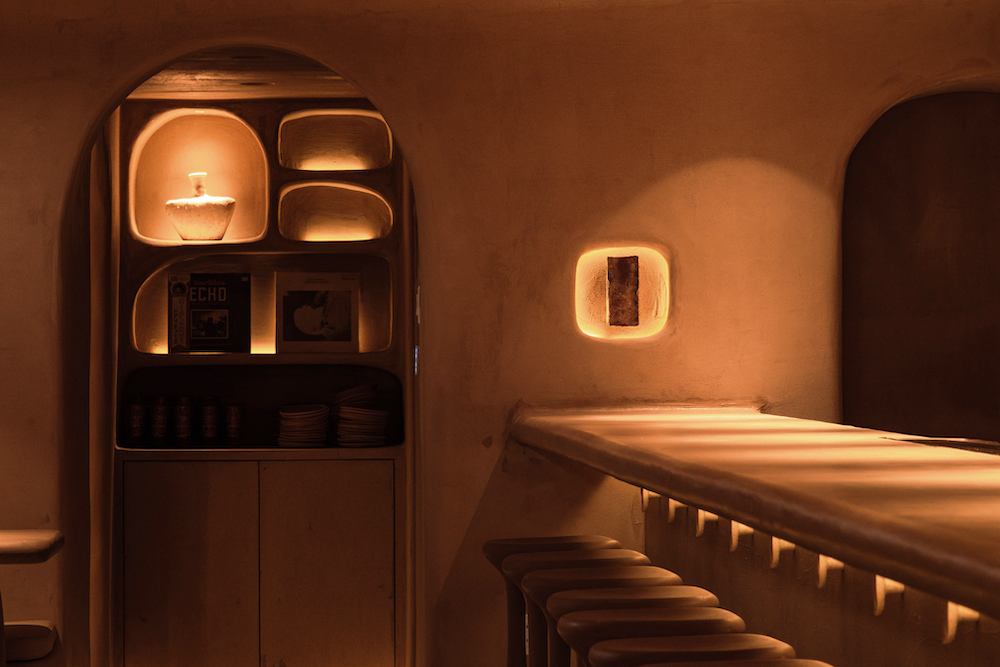
Rather than relying on a single, dramatic focal point, the architecture of Love Thy Neighbor is characterized by a cohesive interplay of custom-designed elements. From the thoughtfully integrated niches that offer intimate nooks for conversation to the subtle, artful lighting details, the organic curves work in concert to cultivate a calming and emotionally resonant atmosphere. This approach to design fosters a sense of discovery, encouraging patrons to explore the nuances of the space and appreciate the intentionality behind each element. The overall effect is one of an environment that has been organically grown rather than rigidly constructed, inviting guests to settle in and feel at home.
Echoes of History: Honoring Community and Activism
Beyond its aesthetic appeal, Love Thy Neighbor is deeply rooted in history and a commitment to honoring the struggles and triumphs of the queer community. Subtle yet powerful details are woven into the fabric of the space, serving as quiet testaments to those who paved the way for greater inclusivity and acceptance. A single, carefully preserved brick from the original Stonewall Inn, a pivotal site in the LGBTQ+ rights movement, is embedded within the bar, a tangible link to a foundational moment in history. At the entrance, a poignant quote from the late activist Marsha P. Johnson, a prominent figure in the Stonewall Uprising and a tireless advocate for marginalized communities, is set into the floor: "No Pride For Some of Us Without Liberation For All of Us."
Chef Elyas Popa shared his vision for integrating these historical elements, stating, "My goal with the space was to embrace our history, paying respect to the literal bricks laid down by our neighbors like the Stonewall Inn, and to create a space that felt warm, embracing, and inclusive. Hence, the highlighted brick in the wall at the end of the bar, pulled from Stonewall. A cheeky homage to our shared history." This deliberate inclusion of historical artifacts serves not only as a tribute but also as an educational element, inviting patrons to reflect on the ongoing journey toward equality.
Popa further elaborated on the nuanced approach to design and meaning within the establishment: "In design, I love when things are clandestine, objects are hidden and only revealed to those who know where to look. This whole bar is an exercise in restraint and subtlety. At the end of the day, we really wanted to create a space that feels transportive, like as soon as you step into the restaurant you feel like you aren’t in New York anymore—even for just a moment." This desire for a transportive experience underscores the ambition of Love Thy Neighbor to offer an escape from the everyday, a place where patrons can immerse themselves in an atmosphere of belonging and thoughtful design.
A Gastronomic Journey Rooted in Connection

While the design and ethos of Love Thy Neighbor are central to its identity, the culinary offerings are equally vital to its mission. Chef Elyas Popa’s menu is crafted to complement the restaurant’s commitment to community and fluidity. The all-day concept means that the culinary experience evolves throughout the day, offering lighter fare and expertly brewed coffee during the day, transitioning to more substantial and creatively crafted dishes for dinner, alongside a thoughtfully curated cocktail program.
The menu, while not explicitly detailed in the initial announcement, is expected to reflect the restaurant’s inclusive spirit. This could manifest in a diverse range of dishes that cater to various dietary preferences and backgrounds, or in a focus on seasonal, locally sourced ingredients that speak to a shared connection with the environment. The emphasis on "all-day" service suggests a menu designed for flexibility, accommodating those seeking a quick bite, a leisurely meal, or simply a comfortable spot to gather with friends.
The cocktail program, spearheaded by Kabashima’s expertise, is anticipated to be a significant draw. Bartenders at Love Thy Neighbor are likely to employ creative techniques and innovative ingredient combinations, mirroring the fluidity of the space itself. The aim is to offer drinks that are not only delicious but also conversation starters, further enhancing the communal experience. The name "Love Thy Neighbor" itself suggests a focus on nurturing relationships and fostering a sense of camaraderie, and the food and drink offerings are undoubtedly designed to facilitate these interactions.
Community Building and Social Impact
The opening of Love Thy Neighbor arrives at a time when safe and affirming spaces for the queer community are more crucial than ever. In recent years, New York City, like many urban centers, has seen a rise in discussions around gentrification and the impact on LGBTQ+ establishments. The West Village, with its rich history as a hub for queer culture, provides a fitting backdrop for a venue that explicitly centers the community.
The establishment’s commitment to fostering a sense of chosen family and offering a fluid, boundary-less environment has significant implications. It provides a vital social outlet, a place for connection, and a platform for celebrating queer identity. By embedding historical references and creating a physically welcoming space, Love Thy Neighbor actively contributes to the ongoing narrative of LGBTQ+ history and resilience.
Anticipated Reception and Future Implications
The unique combination of thoughtful design, historical reverence, and a dedication to inclusive hospitality suggests that Love Thy Neighbor is poised to become a beloved fixture in the West Village. The establishment’s emphasis on "no straight lines" in both its design and operational philosophy offers a refreshing counterpoint to more rigid and conventional hospitality models.

The success of Love Thy Neighbor could serve as a model for other establishments looking to create spaces that are not only commercially viable but also deeply meaningful and community-oriented. Its focus on celebrating diversity and fostering genuine connection speaks to a growing demand for authentic and purpose-driven businesses. As the venue settles into its rhythm, its impact on the local community and its role in continuing the legacy of inclusive spaces in New York City will undoubtedly be a story worth watching. The establishment represents more than just a new dining and drinking spot; it is a testament to the power of intentional design and genuine hospitality in building bridges and fostering a sense of belonging for all.


 Anjar Salim
 Chandra Hamzah
 Tatiana Tantri Indah Sari
 Budi Mulyono

